
Foraging Vancouver Island’s Edible Mushrooms
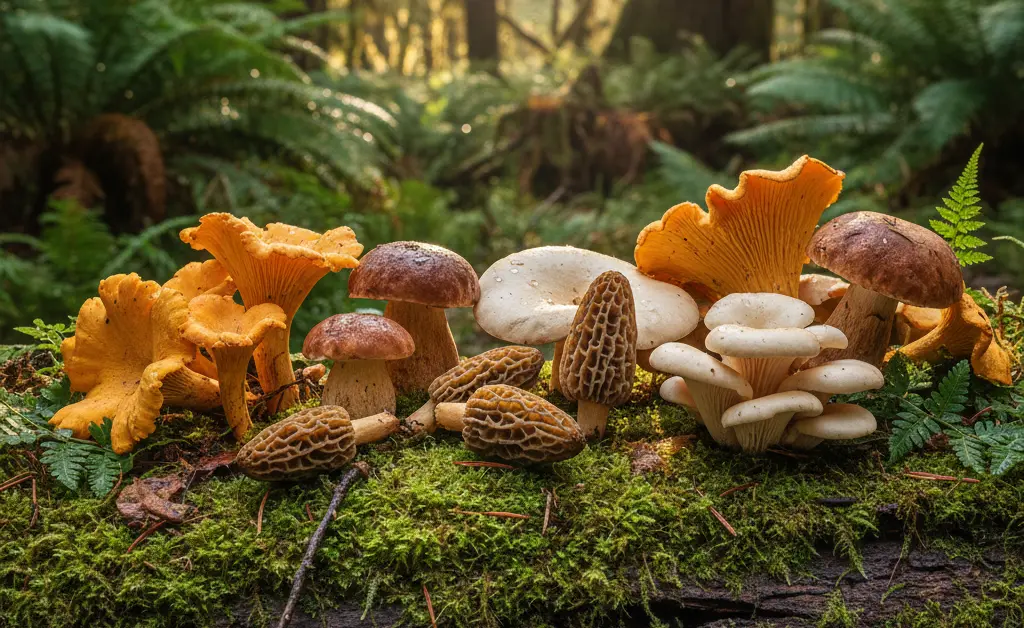
Many outdoor enthusiasts find immense satisfaction in discovering nature’s hidden treasures, especially when it comes to wild edibles. Vancouver Island, with its lush temperate rainforests and diverse ecosystems, offers a particularly rich environment for this rewarding activity. A lot of people are curious about which fungal delights can be safely gathered and enjoyed from its abundant forests. This guide aims to introduce you to some of the most sought-after edible mushrooms Vancouver Island has to offer, detailing their characteristics, preferred habitats, and ideal foraging seasons. Understanding these unique species is crucial for a safe and successful foraging experience, allowing you to appreciate the island’s natural bounty responsibly.
Edible Mushrooms Vancouver Island
The temperate rainforests and diverse ecosystems of Vancouver Island provide an ideal environment for a wide array of fungal species, including many prized edible mushrooms. This makes it a prime location for finding edible mushrooms BC has to offer. Foraging for edible mushrooms Vancouver Island offers is a popular pastime, drawing both seasoned mycologists and eager beginners. Many regions across the country offer unique opportunities to find edible mushrooms Canada has to offer. However, safe and responsible foraging hinges on precise identification, as many delicious varieties have toxic look-alikes. For any health concerns or symptoms, consulting a reliable health authority such as the NHS is always recommended. Understanding the distinct features, preferred habitats, and growth patterns of each species is essential for a rewarding and safe harvest.
Chanterelles
Chanterelles are among the most recognizable and highly prized edible mushrooms on Vancouver Island. They are known for their distinctive trumpet or funnel shape, often vibrant yellow or orange color, and a pleasant, fruity aroma, sometimes described as apricot-like. Instead of true gills, they possess blunt, fold-like ridges that run down the stem. Chanterelles typically grow on the ground in coniferous and mixed forests, often near mossy areas. Their primary season is late summer through autumn, often appearing after significant rainfall.
Morels
Morels are another highly sought-after group of edible mushrooms, easily distinguished by their honeycomb-like caps and hollow interiors. Their caps can range in color from tan to dark brown, and they are typically conical or oval-shaped. On Vancouver Island, morels are often found in disturbed areas, such as recently burned forests, clearings, or along riverbanks. They are a springtime delicacy, usually appearing from April to June, depending on local conditions.
Matsutake
Matsutake, sometimes referred to as pine mushrooms, are revered for their unique spicy-aromatic fragrance and firm texture. These robust mushrooms typically have a thick, white stem and a cap that can range from brownish-white to reddish-brown, often covered by a veil that breaks to form a skirt on the stem. They form mycorrhizal relationships with specific tree species, particularly pines, and are found growing solitarily or in groups in coniferous forests. Matsutake season on Vancouver Island generally occurs from late summer through late autumn.
Oyster Mushrooms
Oyster mushrooms are a diverse group of edible fungi known for their fan or oyster-shaped caps and short or absent stems. They grow in shelf-like clusters on dead or dying deciduous trees, though some varieties can also be found on conifers. Their color can vary widely, from white and grey to pink or brown. Oyster mushrooms are relatively common and can be found almost year-round in milder climates on Vancouver Island, though they are most abundant in cooler, moist conditions during spring and fall.
King Bolete (Porcini)
The King Bolete, commonly known as Porcini, is a magnificent and highly esteemed edible mushroom. It features a large, often sticky, brownish cap and a thick, bulbous stem that is usually paler with a distinct network pattern (reticulation). Instead of gills, boletes have a spongy layer of tubes (pores) underneath the cap. These terrestrial fungi grow on the ground in coniferous and mixed forests, often under spruce, pine, or fir trees. They are typically found from late summer through autumn on Vancouver Island, especially after periods of rain.
Common Edible Mushroom Species on Vancouver Island
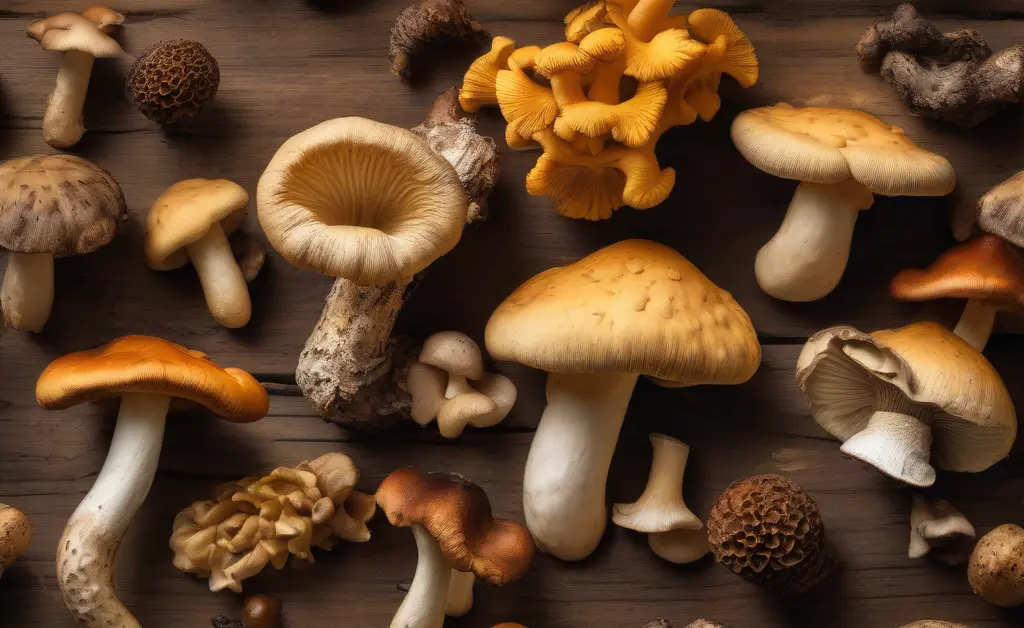
Beyond the well-known varieties, Vancouver Island is home to numerous other common edible mushroom species that contribute to its rich mycological landscape. While the famous Chanterelles and Morels often grab the spotlight, many other delicious and interesting fungi can be safely identified and enjoyed by experienced foragers. For instance, the varied ecosystems of the prairies also yield excellent edible mushrooms Saskatchewan foragers can enjoy. These might include various species of Suillus, often found near pine trees, or certain types of Agaricus, similar to cultivated button mushrooms but growing wild. Proper identification is paramount, as many common edibles have less palatable or even toxic counterparts. Resources for mushroom identification, including field guides specific to the Pacific Northwest and local mycological societies, are invaluable for anyone exploring the diverse common edible mushrooms Vancouver Island offers. Always ensure a confident identification before consumption, especially when encountering lesser-known species.
When and Where to Find Edible Mushrooms
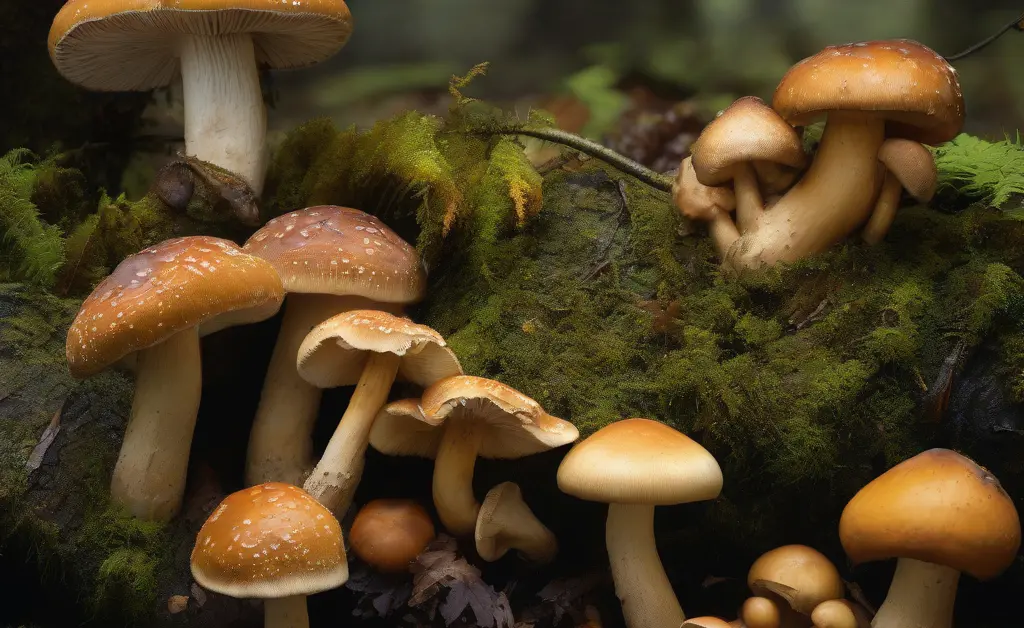
Successfully foraging for edible mushrooms on Vancouver Island largely depends on understanding their seasonal availability and preferred habitats. Similarly, different regions like the Rocky Mountains present unique opportunities for discovering edible mushrooms Alberta has to offer. The island’s climate, characterized by wet winters and mild summers, creates favorable conditions for fungal growth throughout much of the year, though peak seasons vary by species. Springtime often brings out Morels, particularly in areas impacted by recent fires or logging. Late summer and autumn are typically the most prolific seasons for a broader range of fungi, including Chanterelles, King Boletes, and Matsutake, especially after periods of rainfall.
Habitat preferences are equally crucial. Many edible mushrooms have specific ecological relationships, growing with certain tree species (e.g., Matsutake with pines) or in particular soil conditions. Coniferous forests, mixed woodlands, and even some urban parks can be productive hunting grounds. Foraging near older growth forests, mossy areas, and along forest edges or trails can often yield good results. However, always respect regulations and private property, and be mindful of sustainable harvesting techniques to ensure these natural resources remain abundant for future generations. Knowing when is the best time to find edible mushrooms on Vancouver Island, and where to look, significantly enhances the foraging experience.
Culinary Uses of Vancouver Island Mushrooms
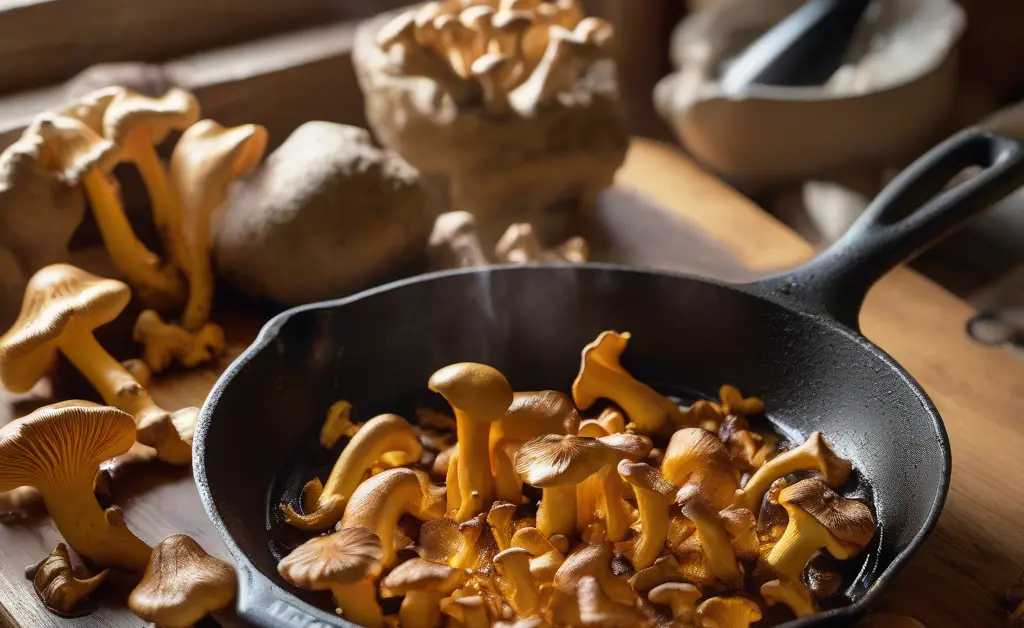
The edible mushrooms found on Vancouver Island are not only a delight to discover but also offer a rich tapestry of flavors and textures for culinary exploration. Each species brings its unique character to the kitchen, making them versatile ingredients in a wide range of dishes. Chanterelles, with their delicate, peppery, and fruity notes, are excellent sautéed in butter, added to risottos, or incorporated into creamy sauces. Morels, prized for their earthy and nutty taste, stand out in pasta dishes, omelets, or as a rich side dish when simply pan-fried.
Matsutake mushrooms, known for their firm texture and distinct spicy-cinnamon aroma, are often enjoyed in Asian-inspired cuisine, soups, or grilled to highlight their robust flavor. Oyster mushrooms, with their mild, slightly sweet, and savory profile, are perfect for stir-fries, stews, or breaded and fried. King Boletes, or Porcini, boast a deep, umami-rich flavor and meaty texture, ideal for hearty soups, roasting, or drying for future use. Understanding the specific flavor profiles and pairing possibilities allows cooks to fully appreciate the gastronomic potential of edible mushrooms Vancouver Island provides, transforming a wild harvest into gourmet meals.
Foraging for edible mushrooms on Vancouver Island is an enriching experience that connects individuals with the natural world and offers a taste of the island’s unique biodiversity. From the golden hues of Chanterelles to the earthy richness of King Boletes, the array of fungi available presents exciting culinary opportunities. Always prioritize safety through diligent identification, utilize reliable resources, and practice responsible harvesting. By doing so, you can enjoy the delicious bounty of Vancouver Island’s forests while preserving their delicate ecosystems for years to come.
This article aims to inform, not to replace professional healthcare advice. Consuming wild mushrooms can carry risks, and accurate identification is crucial for safety. It is recommended to consult with an experienced mycologist or a local expert before consuming any wild-foraged mushrooms. If you experience any adverse symptoms after consumption, seek immediate medical attention.
FAQ
What edible mushrooms grow on Vancouver Island?
Vancouver Island’s temperate rainforest environment supports a diverse range of edible mushrooms, including chanterelles, morels, and oyster mushrooms, which emerge during specific seasons. These fungi play a vital role in the forest ecosystem by decomposing organic matter. Many other delicious and safely identifiable varieties also flourish across the island.
Are there poisonous mushrooms on Vancouver Island that look like edible ones?
Yes, Vancouver Island is home to several poisonous mushrooms that can resemble edible species, making accurate identification crucial for safety. Some toxic look-alikes, like certain species of Amanita, can be mistaken for edible mushrooms if one is not experienced. Always err on the side of caution when foraging to avoid accidental ingestion of harmful fungi.
How can I identify edible mushrooms on Vancouver Island?
Identifying edible mushrooms on Vancouver Island requires careful study and practice, often involving consulting reputable field guides and learning key characteristics like cap shape, gill structure, spore color, and stem features. Joining local mycological societies or going on guided foraging walks with experts can provide invaluable hands-on learning opportunities. Understanding the subtle differences between edible mushrooms vancouver island and their toxic look-alikes is paramount for safe consumption.