
A Forager’s Guide to Edible Wild Mushrooms
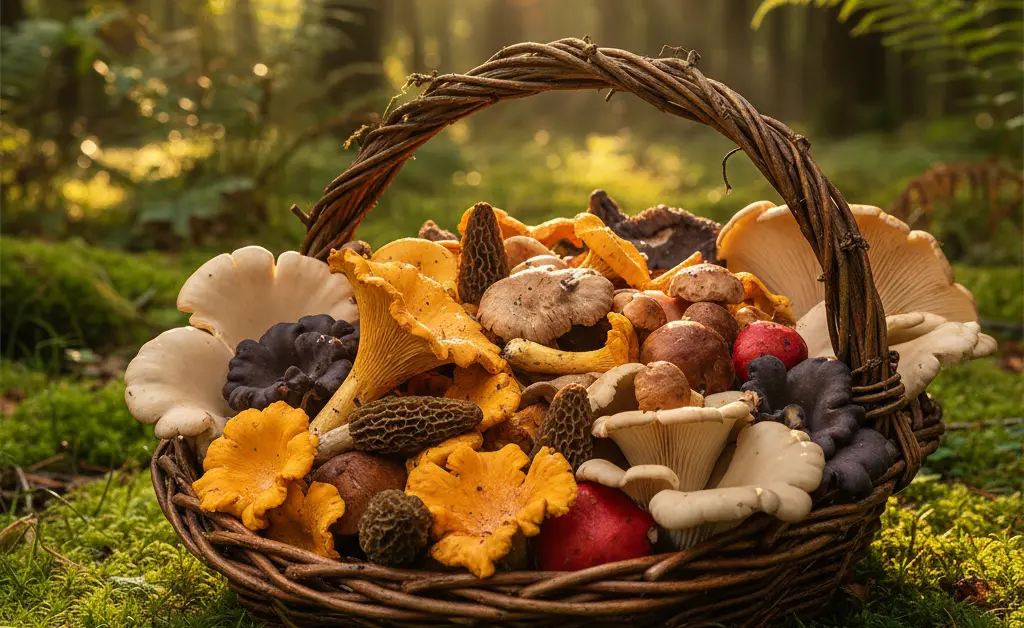
The aroma of sautéed garlic and butter filled my kitchen last autumn as I carefully added a handful of freshly foraged chanterelles to the pan. There’s a unique satisfaction that comes from transforming nature’s bounty into a delicious meal, especially when you’ve discovered it yourself. This simple act of culinary creation, born from a peaceful walk in the forest, highlights the incredible world of wild edibles. For many, the idea of finding and cooking edible mushrooms you can find in the woods is both thrilling and a little daunting. This guide aims to demystify the process, offering insights into identifying safe and delicious varieties that await discovery, empowering you to explore this rewarding hobby with confidence and knowledge.
Identifying Edible Mushrooms in the Woods
Embarking on the journey of identifying edible mushrooms you can find in the woods requires a blend of curiosity, patience, and meticulous attention to detail. The key to safe foraging lies in understanding the distinct characteristics that differentiate edible species from their potentially toxic look-alikes. Before even considering consumption, it’s crucial to grasp basic mushroom anatomy. This includes examining the cap (its shape, color, texture, and margin), the gills or pores underneath (how they attach to the stem, their color, and spacing), the stem (its length, thickness, texture, presence of a ring or volva), and spore print color, which is a definitive identification tool.
Using a good field guide specific to your region and potentially a magnifying glass can be invaluable tools. Techniques like observing growth habits, noting the tree species nearby, and even the smell of the mushroom can provide important clues. However, the most critical rule of foraging is “Never eat a mushroom you can’t identify with 100% certainty.” The danger of poisonous look-alikes cannot be overstated, as some toxic species can resemble their edible counterparts very closely, and even a small amount can be harmful. For more information on health and safety guidelines, consult resources from organizations such as the WHO. When in doubt, always err on the side of caution. Beginning with beginner-friendly mushrooms and seeking expert advice from experienced foragers or local mycological societies can significantly enhance your learning and safety.
Common Edible Wild Mushrooms
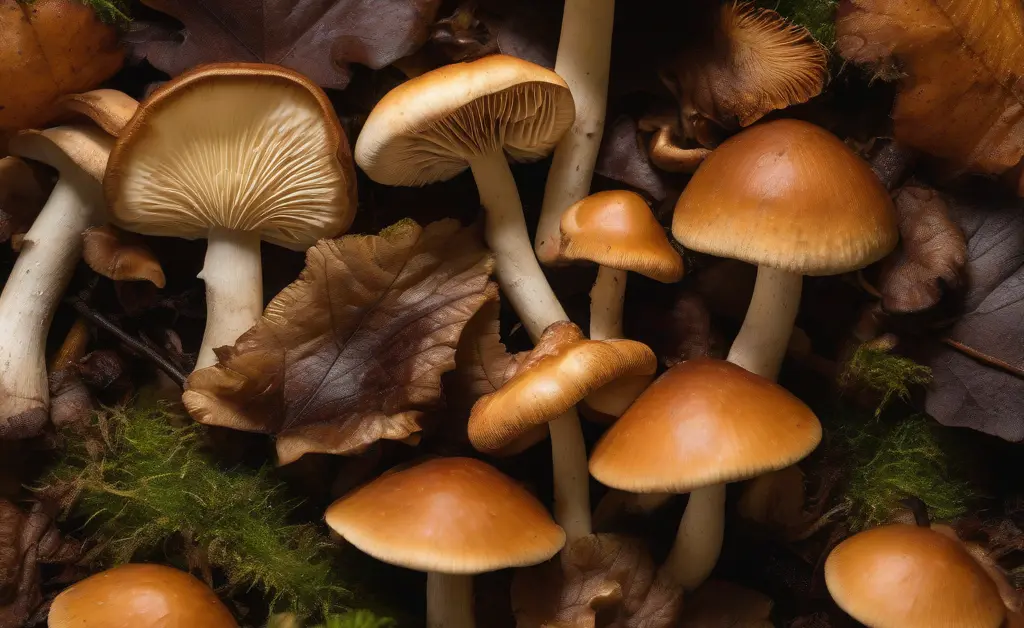
Many varieties of edible mushrooms you can find in the woods offer a rewarding culinary experience, each with its unique flavor and texture. Starting with well-known and easily identifiable species is a wise approach for novice foragers. Always remember to cross-reference multiple identification features and consult reliable guides or experienced foragers before consuming any wild mushroom.
Morels
Morels are among the most sought-after edible wild mushrooms, highly prized for their distinctive honeycomb-like caps and earthy flavor. They typically appear in spring, often in deciduous forests, particularly near ash, elm, apple, and old oak trees, or in disturbed ground. Their cap is conical or oval, pitted with irregular ridges and hollows, usually in shades of tan, brown, or gray. The entire mushroom, from cap to stem, is hollow. There are false morels that can be mistaken for true morels, so careful identification is paramount, ensuring the cap is fully attached to the stem and the interior is entirely hollow.
Chanterelles
Chanterelles are another popular choice, known for their golden-orange color and delicate, fruity aroma often described as apricot-like. They grow on the ground in mossy areas of coniferous or mixed forests, typically appearing from summer to fall. Their identifying features include false gills (blunt, gill-like ridges that fork and run down the stem, not true sharp gills), a funnel or trumpet shape, and a solid, creamy white interior. True chanterelles do not have true gills, which helps distinguish them from some poisonous look-alikes like the Jack O’Lantern mushroom.
Oyster Mushrooms
Oyster mushrooms are a versatile and common find, growing in shelf-like clusters on dead or dying deciduous trees, particularly hardwoods. They can be found almost year-round in many regions, especially after rain. These mushrooms have fan or oyster-shaped caps, which can range from white to gray or tan, with white to yellowish gills that run down a short, sometimes absent, stem. Their distinctive growth pattern and habitat make them relatively easy to identify for beginners.
Hen of the Woods
Also known as Maitake, Hen of the Woods mushrooms are large, grayish-brown, frilly clusters that resemble a ruffled hen’s feathers. They grow at the base of oak trees, sometimes appearing to grow directly from the ground but actually attached to buried roots. These impressive fungi are typically found in late summer and fall. Their unique structure—a mass of multiple caps branching from a single, thick stem—and growth habit make them quite distinctive. They are highly regarded for their rich, earthy flavor and firm texture.
Black Trumpet Mushrooms
Black Trumpet mushrooms, also known as Horn of Plenty, are aptly named for their dark, trumpet or vase-like shape. They are often found in deciduous forests, particularly under oaks and beeches, growing scattered on the ground among moss or leaf litter. Their dark coloration makes them notoriously difficult to spot, often blending seamlessly with the forest floor. They have a thin, wavy, and often perforated cap with no true gills, instead featuring a smooth or slightly wrinkled interior surface. Despite their elusive nature, their intensely smoky and earthy flavor makes them a prized find.
Porcini (Boletes)
Porcini, or King Bolete, is a highly esteemed edible mushroom characterized by its stout stem and a cap with pores underneath instead of gills. They are typically found in coniferous and deciduous forests, often forming mycorrhizal associations with pine, spruce, hemlock, and oak trees, emerging in summer and fall. Their cap is usually brown, ranging from light to dark, and can be greasy when wet. The pore layer underneath is typically white or yellowish when young, turning olive-green with age. A key identifying feature of many boletes, including Porcini, is the absence of gills and the presence of a net-like pattern (reticulation) on the stem, though this can vary.
Where to Find Edible Mushrooms
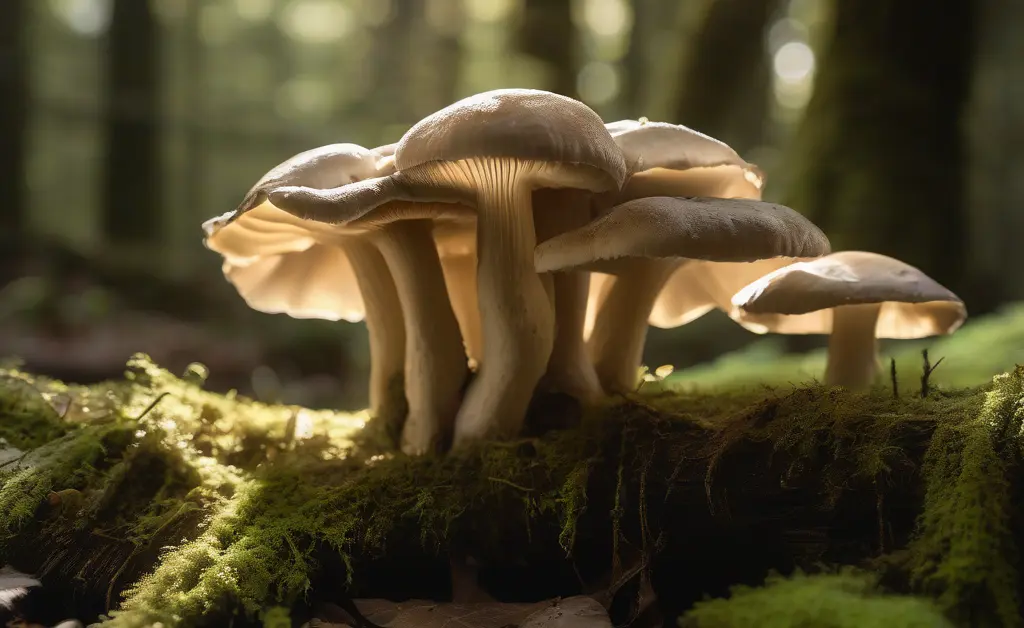
Knowing where to look is as important as knowing what to look for when seeking edible mushrooms you can find in the woods. Habitat preferences play a crucial role in mushroom distribution. Different species thrive in specific environments; for example, many mycorrhizal fungi form symbiotic relationships with particular tree species, meaning you’ll find them near those trees. Morels often favor disturbed ground and old orchards, while chanterelles prefer mossy forest floors. Oyster mushrooms, being saprobic, will be found on decaying wood.
Seasonal availability is another vital factor. Spring brings morels, summer introduces chanterelles, and fall is a prolific season for a wide array of species, including Hen of the Woods and Porcini. For those interested in edible mushrooms to forage this summer, particular varieties become ripe for discovery. Researching the typical fruiting times for your desired species in your local climate is essential. Beyond location and season, understanding foraging ethics is paramount. Always practice sustainable harvesting by taking only what you need and leaving enough for the ecosystem and other foragers. Avoid trampling delicate habitats. Familiarize yourself with local regulations, as some parks or protected areas may prohibit foraging. Lastly, safety precautions for mushroom foraging extend beyond identification; inform someone of your whereabouts, carry a map or GPS, dress appropriately for the weather, and be aware of other potential hazards in the wilderness.
Exploring the world of edible wild mushrooms offers a profound connection to nature and a delicious reward for those willing to learn and observe. While initially daunting, the journey of identifying edible mushrooms you can find in the woods becomes incredibly enriching with knowledge and experience. Remember, safety is always the priority. Start with easily recognizable species, consult multiple resources, and consider joining a local foraging group or mycological society to learn from seasoned experts. With careful practice and respect for the natural environment, you can confidently and safely enjoy the bounty of the forest.
While this article discusses health-related topics, it does not provide medical guidance. The information presented here is for general knowledge and informational purposes only, and does not constitute professional advice. Foraging for wild mushrooms carries inherent risks, and misidentification can lead to serious health consequences. Always exercise extreme caution and consult with qualified experts or experienced mycologists before consuming any wild fungi.
FAQ
What are the most common edible mushrooms found in the wild?
Commonly found edible species vary significantly by geographic location and season. Familiar examples that are often sought after include morels, chanterelles, and puffballs, though proper identification is crucial for any wild foraging. The availability of these delicious fungi is deeply tied to local climate conditions and forest ecosystems.
How can I identify edible mushrooms in the woods safely?
Safe identification of wild mushrooms requires dedicated study and often mentorship from experienced foragers. Reliance on visual guides alone can be insufficient due to the complexity and variability of fungal species. Consulting with local mycological societies or taking identification courses offers a more robust approach to learning.
What are some beginner-friendly edible mushrooms to find?
Certain mushrooms are often recommended for beginners due to having fewer easily confused toxic look-alikes and distinctive features. Examples include puffballs (when young and firm), morels (with their honeycomb appearance), and chicken of the woods (typically growing on dead or dying trees). Always confirm identification with a trusted source before consumption.
Are there any poisonous mushrooms that look like edible ones?
Yes, a number of poisonous mushrooms bear striking resemblances to their edible counterparts, making careful differentiation essential. For instance, the Jack-o’-lantern mushroom, which is toxic, can be mistaken for edible chanterelles. Even seemingly straightforward species like the common field mushroom have dangerous look-alikes, underscoring the need for extreme caution with any edible mushrooms you can find in the woods.