
A Forager’s Guide to Yukon’s Edible Mushrooms
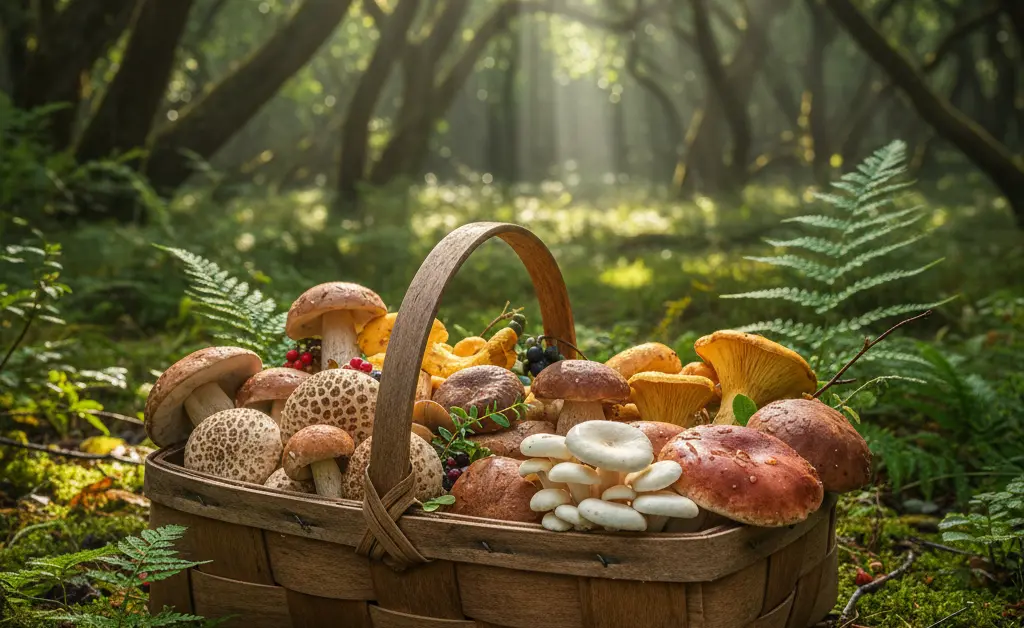
Just as distinguishing between different types of wildflowers or berries requires keen observation and knowledge to avoid those that are unpalatable or toxic, foraging for mushrooms demands similar care and expertise. The vast wilderness of the Yukon, with its diverse ecosystems, offers a rich bounty for enthusiasts. However, navigating this natural larder safely means understanding which species are suitable for consumption and which are not. This guide delves into the fascinating world of edible mushrooms Yukon has to offer, providing essential information for both novice and experienced foragers. We will explore common varieties, identification techniques, optimal foraging locations, and crucial safety precautions to ensure a rewarding and safe experience in this unique northern territory.
Wild Edible Mushrooms of Yukon
The Yukon’s diverse boreal forests, subalpine regions, and rich river valleys create ideal conditions for a wide array of fungi to thrive. From the early spring melt to the first frosts of autumn, the landscape is dotted with various species, many of which are highly sought after for their culinary appeal. The diversity of fungi here is comparable to what one might find foraging for edible mushrooms Canada-wide. Understanding the unique characteristics of these wild edible mushrooms is the first step toward a successful and safe foraging adventure.
Top 20 Edible Mushrooms Popular in Yukon
While the Yukon boasts a considerable number of edible mushroom species, certain varieties stand out for their abundance, distinctive flavors, and popularity among local foragers. These include highly prized culinary gems as well as more common finds that can elevate a meal. Careful identification is paramount for all, ensuring that only truly edible species are collected.
Morel Mushrooms
Morel mushrooms are among the most celebrated spring edibles, highly coveted for their unique, honeycomb-like appearance and earthy flavor. In the Yukon, they are typically found in disturbed areas, especially after forest fires, thriving in the nutrient-rich ash. They often appear near aspen or poplar trees. Identification is crucial, as false morels exist and can be toxic. True morels have a hollow stem and cap that are continuous.
Chanterelle Mushrooms
Chanterelles are easily recognizable by their vibrant, often golden-yellow to orange color, and their distinctive fruity aroma, sometimes described as apricot-like. Unlike gilled mushrooms, chanterelles have blunt, gill-like ridges that run down the stem. They typically grow on the forest floor, often in association with coniferous trees, emerging in late summer and early autumn. Their firm texture and peppery taste make them a favorite culinary mushroom.
Boletes (Porcini)
Boletes, particularly species within the Porcini group, are highly regarded for their rich, nutty flavor and substantial texture. They are characterized by a spongy pore layer underneath the cap instead of gills. Many species have a thick, often club-shaped stem. In the Yukon, boletes can be found in coniferous and mixed forests, forming mycorrhizal relationships with trees. Proper identification is vital, as some bolete species are unpalatable or mildly toxic.
Oyster Mushrooms
Oyster mushrooms are a versatile and relatively easy-to-identify edible fungus, often found growing in shelf-like clusters on decaying hardwood trees or logs. They typically have a fan or oyster-shell shape, with gills that run down a very short or absent stem. Their color can vary from white to gray or tan. They offer a delicate, slightly sweet flavor and a tender texture, making them a popular choice for various culinary applications.
Lobster Mushrooms
Lobster mushrooms are a unique culinary delight, not a single species but rather a parasitic fungus (Hypomyces lactifluorum) that colonizes and transforms certain other fungi, usually a Russula or Lactarius species. The host mushroom becomes hard, bright orange or reddish (resembling cooked lobster), and develops a firm, seafood-like texture and taste. They are generally found in coniferous or mixed forests during late summer and early autumn. Their distinctive appearance makes them relatively easy to identify once you understand their parasitic nature.
Common Edible Mushrooms in the Yukon
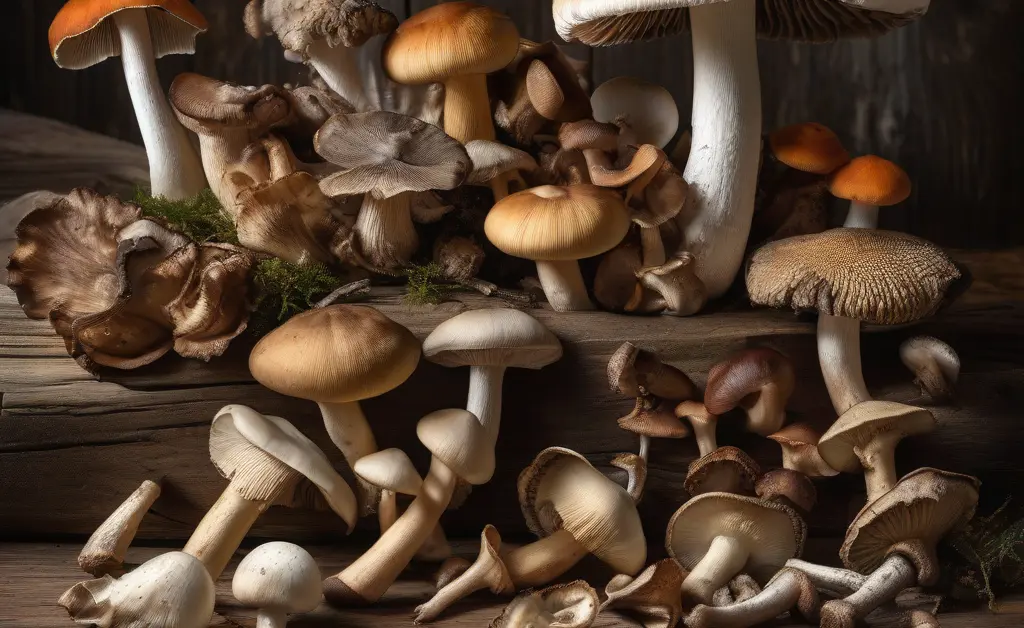
Beyond the highly sought-after varieties, the Yukon is home to several other common edible mushrooms that contribute to the region’s mycological richness. These include species that may not be as famous as morels or chanterelles but are nonetheless delicious and widely available for those who know where and when to look. This also includes species popular in other regions such as edible mushrooms Quebec foragers seek. Understanding the life cycles and preferred habitats of these fungi significantly enhances the success of foraging for edible mushrooms Yukon offers. Many of these common varieties play vital ecological roles while also providing sustenance for wildlife and humans.
How to Identify Edible Mushrooms in the Yukon
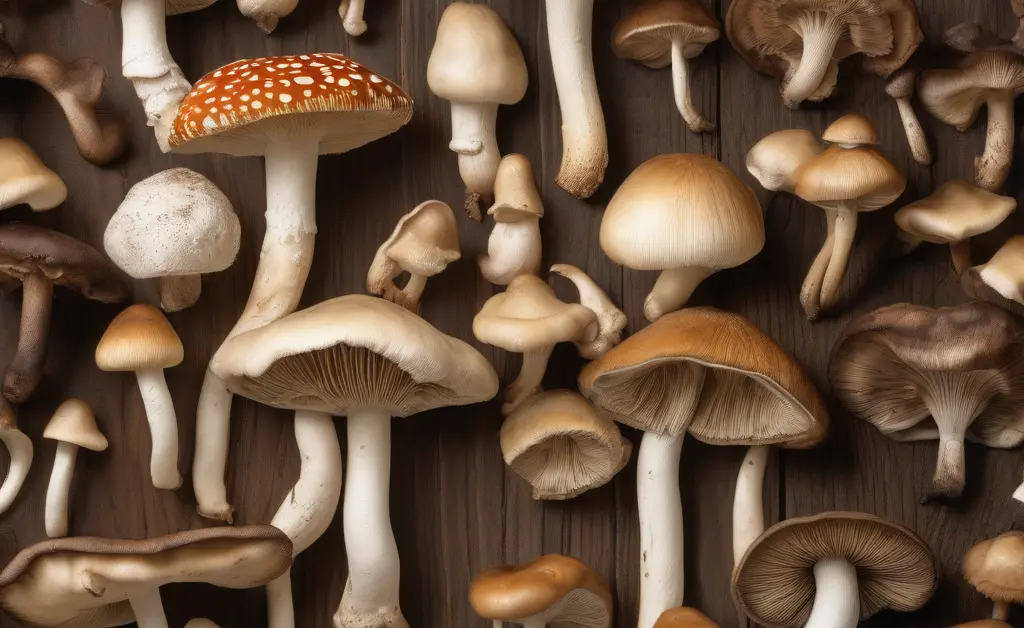
Accurate identification is the single most critical aspect of mushroom foraging, especially when seeking edible mushrooms Yukon has to offer. Reliance on a single characteristic is often insufficient; instead, a combination of features must be observed. This includes the cap’s shape, color, and texture, the type of spore-bearing surface (gills, pores, teeth), stem characteristics, presence of a ring or volva, spore print color, and even smell. Utilizing multiple resources, such as reputable field guides specific to the region and reliable foraging apps, can aid in confirming identification. Local foragers often consult specific regional guides, some of which cover common edible mushrooms Nova Scotia offers. It is also highly recommended to learn from experienced local foragers and to join local mycological societies to gain hands-on knowledge. When identifying edible mushrooms Yukon foragers must always be cautious of poisonous look-alikes, which can sometimes closely resemble desirable species.
Where to Find Edible Mushrooms in the Yukon
The vast and varied landscapes of the Yukon provide diverse habitats for fungi, making knowledge of specific environments essential for successful foraging. Edible mushrooms Yukon foragers seek can be found in a range of locations, from dense boreal forests to open subalpine meadows and riparian zones. These diverse habitats can be compared to the varied terrain where edible mushrooms Vancouver Island are found. Different species have specific tree associations; for example, some thrive near spruce, pine, or birch, while others prefer poplar or aspen. Seasonal availability is also a key factor; morels often appear in spring, while chanterelles and boletes are typically late summer to early autumn finds. Understanding local ecosystems and observing environmental cues, such as recent rainfall and temperature, can greatly improve the chances of locating a bounty of edible mushrooms Yukon’s wilderness provides.
Safety Precautions for Mushroom Foraging in the Yukon
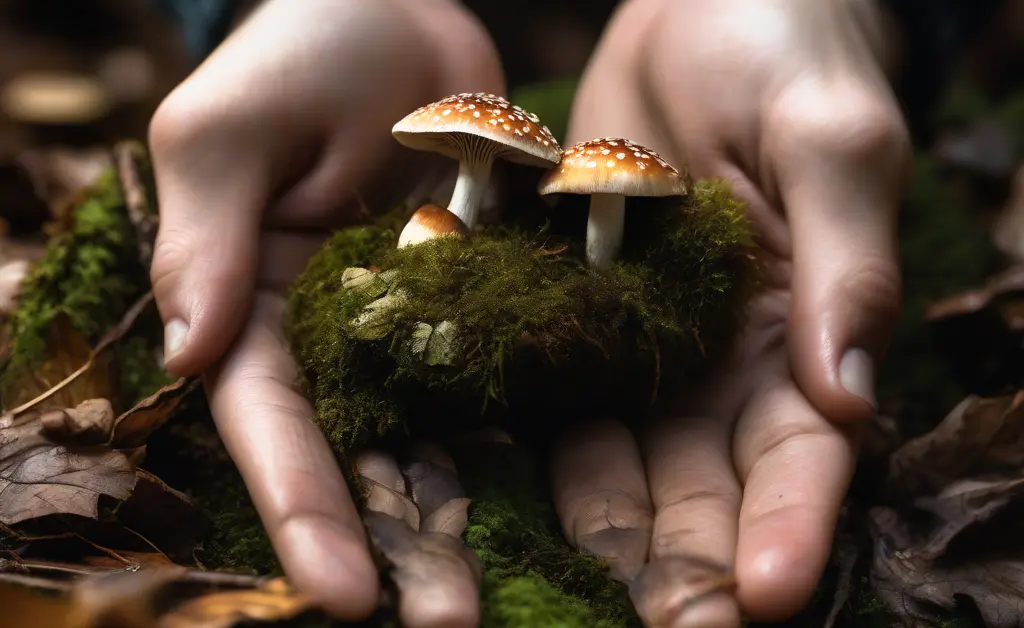
Mushroom foraging, while rewarding, carries inherent risks that necessitate strict adherence to safety precautions, especially when exploring for edible mushrooms Yukon’s diverse environment hosts. The golden rule is “when in doubt, throw it out”—never consume a mushroom unless its identification is absolutely 100% certain. This means being intimately familiar with both edible species and their poisonous look-alikes. It is crucial to forage only healthy, fresh specimens and to cook all wild mushrooms thoroughly, as some edible varieties can cause mild gastrointestinal upset if eaten raw. Be mindful of potential allergies, as individuals can react differently even to safely identified edible species. Additionally, practice ethical foraging by harvesting sustainably, respecting private property, and minimizing disturbance to the natural environment. For further information on health and medical research, you can refer to resources from the NIH. These practices ensure both personal safety and the long-term health of the fungi populations that produce edible mushrooms Yukon foragers cherish.
Recipes Using Yukon Edible Mushrooms
Once safely identified and harvested, Yukon’s edible mushrooms offer a fantastic array of culinary possibilities, enhancing various dishes with their unique textures and flavors. Simplicity often highlights their natural qualities; a basic sauté with butter, garlic, and herbs allows their earthy notes to shine. For a more substantial meal, consider incorporating them into a rich mushroom risotto, where their umami can deepen the flavor profile. Creamy mushroom soups are another popular choice, offering warmth and comfort, especially after a day of foraging. They can also be excellent additions to stir-fries, omelets, or as a topping for grilled meats or fish. Regardless of the recipe, ensuring the mushrooms are properly cleaned and cooked through will bring out their best attributes.
The Yukon’s wilderness truly is a treasure trove for mushroom enthusiasts. By approaching foraging with respect, knowledge, and an unwavering commitment to safety, both seasoned and novice foragers can discover the culinary delights that this northern territory graciously offers. Always remember that learning is an ongoing process, and the journey of understanding fungi is as rewarding as the harvest itself.
It is important to note that this content is not intended as medical advice. The information provided is for general knowledge and informational purposes only, and does not constitute medical advice, diagnosis, or treatment. Always consult with a qualified healthcare professional for any health concerns or before making any decisions related to your health or well-being. Individuals should exercise caution and seek expert guidance when foraging for wild plants or fungi, as improper identification can lead to adverse health effects.
FAQ
What are the most common edible mushrooms found in Yukon?
Several types of edible mushrooms grow wild in Yukon, including species like King Bolete (Boletus edulis) and Chanterelles (Cantharellus cibarius), which are prized for their culinary qualities. The diverse subarctic climate supports a variety of fungi, with different species flourishing throughout the warmer months. Understanding local flora is key to appreciating the bounty of the region.
How can I safely identify edible mushrooms in the Yukon?
Safely identifying edible mushrooms requires careful study and often, mentorship from experienced foragers. Resources like local field guides and workshops are invaluable, but visual identification alone can be risky. Many edible mushrooms have toxic look-alikes, so absolute certainty is paramount before consumption.
Where are the best places to forage for mushrooms in Yukon?
Fungal growth in Yukon is highly dependent on specific environmental conditions such as soil type, moisture levels, and the presence of particular tree species. Areas with mixed forests, particularly those featuring coniferous trees like spruce and pine, often provide suitable habitats. Foraging in undisturbed natural areas can yield rewarding finds, but respecting the environment is crucial.
Are there any poisonous mushrooms in the Yukon that look like edible ones?
Yes, the Yukon landscape hosts poisonous mushrooms that bear resemblance to some edible varieties, posing a significant risk to the unwary. For instance, certain *Agaricus* species, some of which are edible, have toxic look-alikes, and some beautiful red-capped mushrooms are also highly toxic. Always exercise extreme caution and confirm identification with absolute certainty to avoid accidental poisoning.