
Everything You Need to Know About Enoki Mushrooms
Just last week, while experimenting with a new hot pot recipe, I added a delicate cluster of what looked like tiny white sprouts to the simmering broth. As they cooked, they retained their slender form but absorbed the rich flavors, adding an unexpected, delightful chewiness to each bite. This simple addition transformed the dish, elevating it from good to exceptional. That’s the magic of the enoki mushroom, a versatile ingredient that often goes overlooked but offers so much more than just its unique appearance. From its subtle flavor to its intriguing texture and impressive nutritional profile, this article delves into everything you need to know about incorporating this fascinating fungus into your culinary repertoire and understanding its broader impact.
What are Enoki Mushrooms?
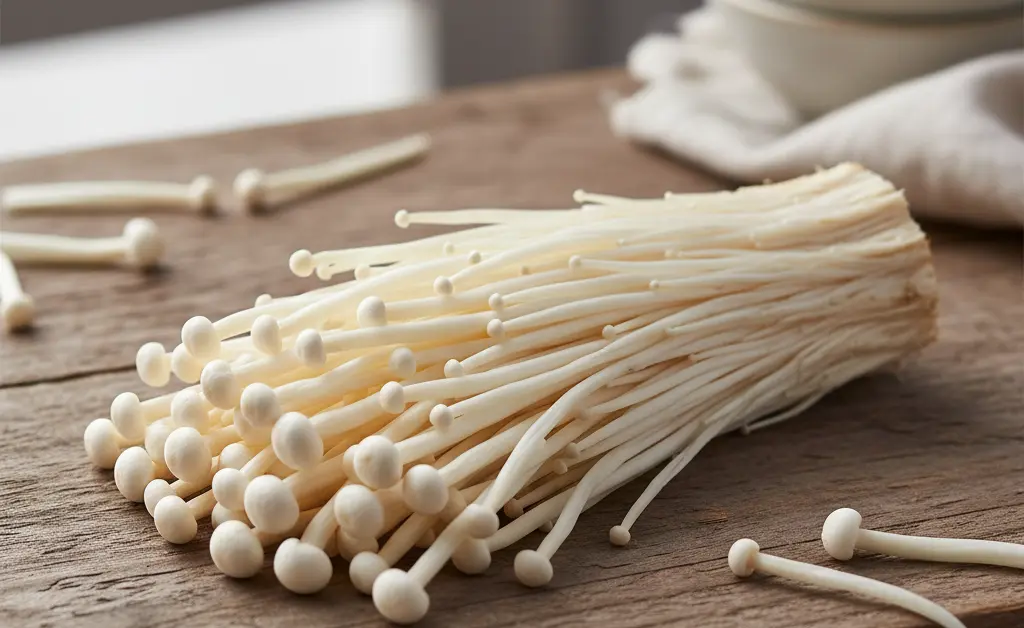
Enoki mushrooms, known scientifically as Flammulina velutipes, are a type of edible fungus recognized for their distinctively long, slender stems and small, button-like caps. They grow in tight clusters and have a delicate, almost noodle-like appearance. While they are found in the wild, the ones commonly available in stores are cultivated under specific conditions to produce their characteristic pale color and elongated shape. For those curious, understanding the enoki mushroom pronunciation can enhance discussions about this ingredient.
Other varieties, like the turkey tail mushroom, are also gaining popularity for their potential health benefits.
Origin and History of Enoki Mushrooms
Wild enoki mushrooms have been foraged for centuries in East Asia and North America, where they typically grow on the stumps of deciduous trees like the Chinese Hackberry, persimmon, and mulberry. The wild variety looks quite different from its cultivated counterpart, featuring shorter, thicker stems and larger, golden-brown caps. Another interesting fungus, the hedgehog mushroom, offers a different culinary experience. The practice of cultivating enoki began in Japan, where growers developed techniques to control light and carbon dioxide levels. This specialized cultivation method results in the familiar white, long-stemmed mushrooms that are now a staple in Japanese, Chinese, and Korean cuisine.
Unique Characteristics of Enoki Mushrooms
The most striking feature of cultivated enoki is their appearance. They are grown in the near absence of light and in a high-carbon-dioxide environment, which inhibits the growth of the cap and encourages the stems to stretch upwards in search of oxygen. This results in their long, pale, and delicate form. They are typically sold in vacuum-sealed packages with their root base intact, which helps maintain their freshness. Their texture is crisp when fresh and becomes pleasantly chewy upon cooking, while their flavor is very mild and subtly sweet.
Nutritional Benefits and Health Advantages
Beyond their culinary appeal, enoki mushrooms are valued for their nutritional content. They are a low-calorie food that can add substance and nutrients to a meal without significantly increasing its energy density. Their composition makes them a noteworthy addition to a balanced diet, offering a blend of vitamins, minerals, and other beneficial compounds.
Vitamins and Minerals in Enoki Mushrooms
Enoki mushrooms are a good source of several important nutrients. They contain a variety of B vitamins, including niacin and pantothenic acid, which play roles in energy metabolism. They also provide essential minerals such as potassium, which is important for fluid balance and nerve function, and phosphorus, a key component of bones and teeth. Additionally, they are a source of dietary fiber, which contributes to digestive health and feelings of fullness.
Potential Health Benefits
The potential health advantages of the enoki mushroom are an area of ongoing interest. They are known to contain a range of antioxidants, which are compounds that may help protect the body’s cells from damage caused by oxidative stress. Traditionally, enoki has been used in Asian cultures for its potential role in supporting immune system function. The dietary fiber content is also associated with promoting a healthy gut microbiome, which is integral to overall wellness. Many people look to the nutritional content of mushrooms as potential natural supplements for their diet. These properties make them more than just a simple food ingredient.
Culinary Uses and Preparation
Enoki mushrooms are exceptionally versatile in the kitchen, thanks to their mild flavor and unique texture. They absorb the tastes of broths, sauces, and other ingredients they are cooked with, making them a fantastic component in a wide array of dishes. Learning exactly how to cook enoki mushroom ensures optimal texture and flavor in your dishes. Proper preparation is simple and ensures they are both safe and delicious to eat.
How to Prepare Enoki Mushrooms
Preparing enoki mushrooms is a straightforward process. First, remove them from their packaging and trim off the tough, compacted root base at the bottom of the cluster. This part is typically discolored and spongy. Once the base is removed, gently separate the long strands with your fingers. A quick rinse under cold water is usually sufficient to clean them. It is important to pat them dry before adding them to hot oil to prevent spattering. They cook very quickly, often in just a minute or two.
Popular Enoki Mushroom Recipes
Enoki mushrooms shine in many dishes, particularly in Asian cuisine. They are a classic addition to hot pots and shabu-shabu, where they are briefly simmered in flavorful broth. They are also excellent in soups like ramen and miso soup, adding a satisfying texture. In stir-fries, they can be added near the end of the cooking process to retain some of their crispness. Other popular methods include bundling them and wrapping them in thin slices of bacon or beef before grilling or pan-frying. They can also be added to savory pancakes or used as a delicate garnish for salads after being lightly blanched.
Flavor Profile and Texture
The flavor of enoki mushrooms is very mild, delicate, and slightly sweet with an earthy undertone. This subtlety allows them to complement other ingredients without overpowering them. Their texture is perhaps their most celebrated quality. When cooked briefly, they remain crisp and firm. If cooked a bit longer, as in a soup or broth, they become tender and delightfully chewy. Overcooking should be avoided, as it can make them tough and stringy. This dual texture makes them a dynamic ingredient in various culinary applications.
Growing Enoki Mushrooms at Home
For the adventurous home cook and gardener, cultivating enoki mushrooms can be a rewarding project. While it requires more specific conditions than some other mushroom varieties, the process is accessible, especially with the help of pre-made kits. Growing your own provides a fresh supply and a fascinating look into the lifecycle of this unique fungus.
Enoki Mushroom Growing Kits
The easiest way to start growing enoki at home is with a mushroom growing kit. These kits typically include a block of substrate, such as sawdust, that has already been fully colonized with enoki mycelium. They come with instructions and sometimes a humidity tent, taking much of the initial guesswork and labor out of the process. Kits are an excellent entry point for beginners, offering a high chance of a successful harvest.
Step-by-Step Home Cultivation Guide
Cultivating enoki from a kit involves a few key stages. Initially, the colonized block is often “cold-shocked” by placing it in a cool environment to simulate the arrival of autumn and trigger fruiting. Once tiny pinhead mushrooms appear, the growing conditions must be carefully managed. To achieve the long, white stems, the mushrooms need to be grown in a cool, dark place with high humidity and restricted airflow to increase carbon dioxide levels. A simple method is to place a bag or jar over the block, leaving only a small opening for air exchange. The mushrooms will stretch up towards this opening, creating their classic shape.
Common Issues and Troubleshooting
Home cultivators may encounter a few challenges. One common issue is contamination, where green or black mold appears on the substrate; this typically means the block must be discarded. If the mushrooms develop short stems and large, brown caps, it is usually a sign of too much light and not enough carbon dioxide. Conversely, if the mushrooms fail to form at all, the cause could be improper temperature or humidity. Exploring other fungi, such as the hedgehog mushroom, can also present unique cultivation challenges. Ensuring the growing environment for the enoki mushroom remains consistently cool and moist is key to troubleshooting these problems.
Where to Buy Enoki Mushrooms
Once a specialty item, enoki mushrooms are now widely available through various channels. Knowing where to look can help you find the freshest product at the best price. They are almost always sold fresh, sealed in plastic to protect their delicate structure.
Supermarkets and Grocery Stores
Many large, well-stocked supermarkets now carry enoki mushrooms in their produce sections. You can typically find them near other specialty mushrooms like shiitake or oyster mushrooms. They are usually sold in 3.5-ounce or 7-ounce (100g or 200g) packages. Check the expiration date and ensure the mushrooms look white, firm, and dry, with no signs of sliminess or discoloration.
Asian Markets
Asian grocery stores are arguably the most reliable and affordable places to purchase enoki mushrooms. As a staple ingredient in many East Asian cuisines, they are almost always in stock. The turnover is often high, ensuring a fresh supply. You may also find different package sizes or even locally grown options at these markets. This is an excellent place to source a high-quality enoki mushroom for your culinary experiments.
Online Retailers
For those who may not have access to well-stocked local stores, online retailers are a viable option. Many specialty food suppliers and online grocers offer fresh enoki mushrooms for delivery. This can be a convenient way to source them, especially if you are also purchasing other hard-to-find ingredients. Additionally, online vendors are the primary source for purchasing home cultivation kits.
Potential Risks and Precautions
While enoki mushrooms are a delicious and nutritious food, it is crucial to be aware of potential risks and handle them with care. Proper food safety practices are essential to enjoy them without any adverse effects. As with any food, sensitivities can also occur.
Food Safety Concerns
Enoki mushrooms should not be consumed raw. They have been linked to outbreaks of foodborne illness caused by the bacterium *Listeria monocytogenes*, which can survive and grow in refrigerated temperatures. This bacterium is destroyed by heat, so it is imperative to cook enoki mushrooms thoroughly before eating them. Always wash your hands and surfaces after handling a raw enoki mushroom to prevent cross-contamination. Storing them properly in the refrigerator and consuming them before their expiration date also reduces risk. For more detailed health and safety guidelines, resources from the NIH can be very helpful.
Allergies and Sensitivities
Mushroom allergies, while not as common as other food allergies, can occur. Individuals with known sensitivities to other types of fungi or molds may have a higher chance of reacting to enoki. Symptoms can range from mild digestive upset to skin rashes or other allergic reactions. If you are trying enoki mushrooms for the first time, it is wise to start with a small amount to see how your body responds.
From their delicate, noodle-like appearance to their satisfyingly chewy texture, enoki mushrooms offer a unique culinary experience. Their ability to absorb flavors makes them a versatile addition to soups, stir-fries, and hot pots, while their nutritional profile adds a subtle boost of vitamins and fiber. Whether you purchase them from a local market or embark on the adventure of growing them at home, these fascinating fungi provide a wonderful opportunity to expand your cooking horizons. By following proper preparation and food safety guidelines, you can safely enjoy all that this remarkable ingredient has to offer.
This information should be viewed as educational rather than medical advice. The content provided in this article is for general informational purposes only and is not intended as a substitute for professional medical consultation, diagnosis, or treatment. Always seek the advice of your physician or another qualified health provider with any questions you may have regarding a medical condition or before making any changes to your diet. Never disregard professional medical advice or delay in seeking it because of something you have read here.
FAQ
What are adaptogens?
Adaptogens are a category of herbs and mushrooms that are studied for their ability to help the body resist stressors of all kinds, whether physical, chemical, or biological. They are thought to work by supporting the body’s natural balance and resilience. This system-wide support helps the body maintain homeostasis under pressure.
Are lion’s mane mushrooms good for focus?
Lion’s mane mushrooms are known for compounds that may support cognitive function and nerve growth. Research suggests these compounds are relevant to the production of nerve growth factors, which play a role in brain health. This connection is why they are often discussed in the context of mental clarity and focus.
Can I eat raw enoki mushrooms?
Enoki mushrooms are best consumed when cooked, as cooking helps to break down their cell walls and makes their nutrients more accessible. Raw mushrooms can be harder to digest and may pose a food safety risk. Heating also contributes to their delicate texture and mild flavor.
What are the benefits of reishi mushrooms?
Reishi mushrooms are recognized for their potential to support the immune system and promote relaxation. They contain beta-glucans, which are linked to immune modulation, and triterpenes, which may contribute to their calming effects. These properties have led to reishi being used for its potential to enhance well-being and balance.
What is the difference between medicinal and culinary mushrooms?
Medicinal mushrooms are typically valued for specific compounds that offer potential health benefits and are often consumed as extracts or supplements. Culinary mushrooms, while also nutritious, are primarily chosen for their flavor and texture in cooking. Some mushrooms, like reishi and lion’s mane, can be both culinary and medicinal.