
Fresh Porcini: Your Guide to Selecting, Cooking, & Storing
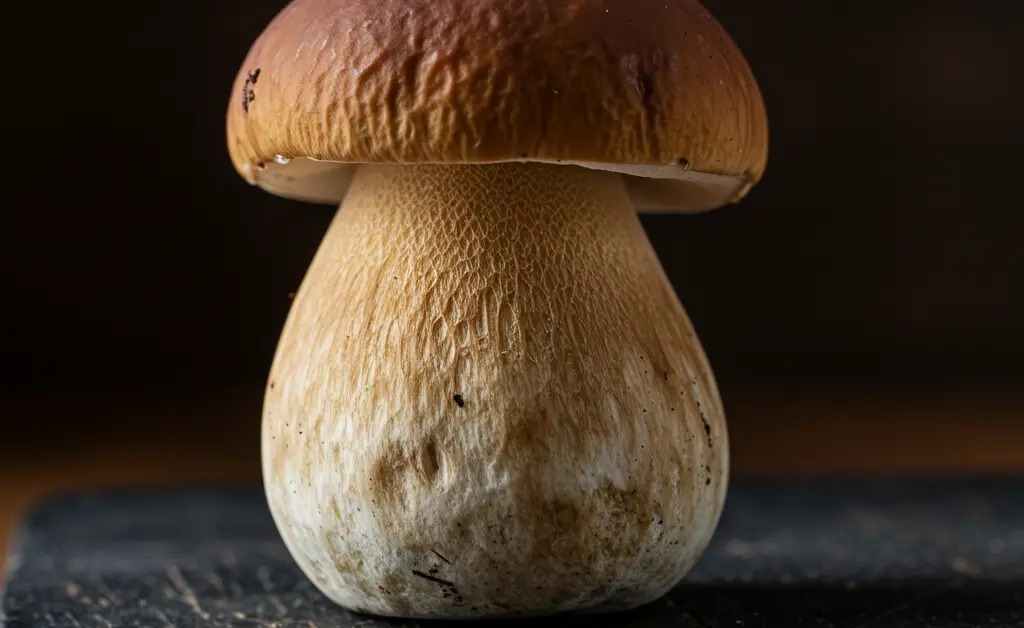
A fresh porcini mushroom is a celebrated wild edible known for its remarkable meaty texture and rich, nutty flavor profile. Often called the “king of mushrooms,” this prized fungus brings an unparalleled depth and complexity to a wide range of dishes, from simple pastas to elegant main courses. Its distinct character makes it a favorite among chefs and home cooks alike, but its wild nature and seasonal availability mean that knowing how to properly select, store, and prepare it is essential. This guide covers everything from identification and sourcing to cooking techniques, helping you make the most of this exceptional culinary ingredient. Understanding these key aspects ensures you can fully appreciate its unique qualities.
Fresh Porcini Mushroom: An Introduction
The porcini mushroom, known scientifically as Boletus edulis, holds a place of honor in the culinary world. Revered particularly in Italian and French cuisine, this wild mushroom is not cultivated but foraged from forests, making it a true seasonal treasure. Its name, which translates to “piglets” in Italian, is thought to be a reference to its plump, robust appearance. The appeal of porcini lies in its ability to transform a simple dish into something extraordinary, lending a deep, woodsy aroma and a profound umami flavor that is both delicate and intense.
Understanding Fresh Porcini Mushrooms
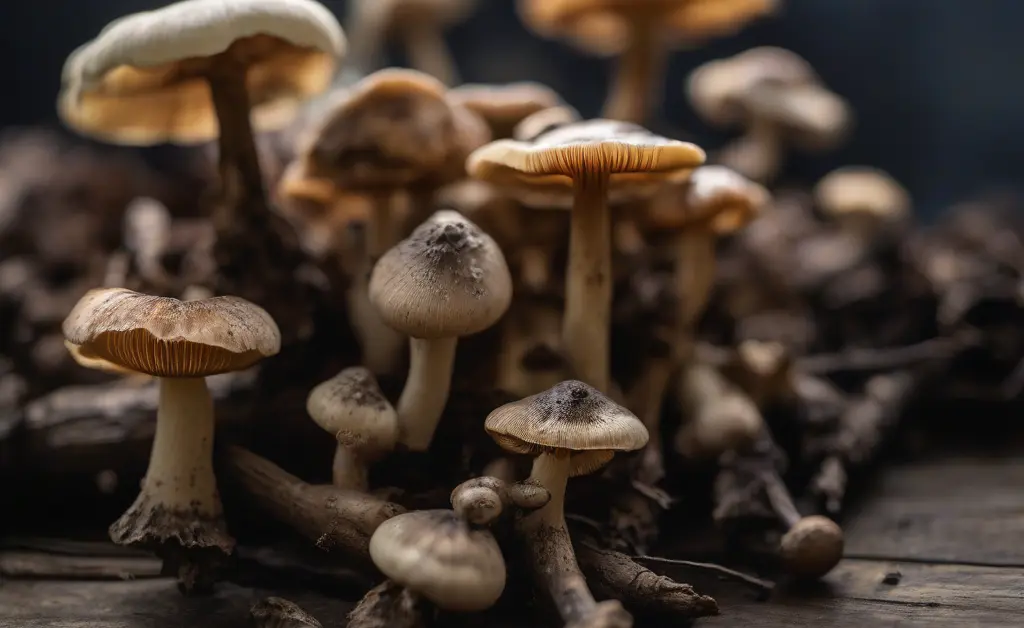
Before you can fully appreciate cooking with porcini, it’s helpful to understand what makes them so special. From their physical appearance to their specific flavor notes, these characteristics are what set them apart from common cultivated mushrooms. Recognizing these traits is the first step toward becoming proficient in selecting and preparing them.
Identifying Fresh Porcini Species
True porcini belong to the Boletus genus. They are easily distinguished from many other mushrooms by the fact that they do not have gills on their underside. Instead, they have a spongy layer of tubes that release spores. A classic porcini has a thick, bulbous stem, often light in color, and a smooth, convex cap that can range from pale brown to a rich reddish-brown. The cap should feel firm and solid to the touch. While there are several edible species in the porcini family, accurate identification is critical, as some look-alikes can be unpalatable or toxic. Regulatory bodies like EFSA regularly assess the safety of food products, including wild ingredients. For this reason, it is always recommended to source them from a trusted, knowledgeable supplier rather than foraging without expert guidance.
Distinctive Flavor and Texture Profile
The flavor of a fresh porcini is complex and deeply satisfying. It is often described as nutty, earthy, and slightly meaty, with a smooth, woodsy aroma that intensifies when cooked. This rich umami quality allows it to stand on its own or enhance the flavors of other ingredients. The texture is equally prized. When cooked, porcini are firm yet tender, with a satisfying, non-slimy mouthfeel that is often compared to a tender piece of meat.
Characteristics of Quality Fresh Porcini
When selecting porcini, quality is paramount. A top-quality fresh porcini mushroom will be firm and heavy for its size. The cap should be intact and free of blemishes or soft, mushy spots. The underside should be pale, ranging from white to a yellowish or pale olive green in more mature specimens; avoid any that are dark brown or mushy. Small holes may indicate the presence of insect larvae, which is common in wild mushrooms. While a few tiny holes are acceptable and can be trimmed away, extensive tunneling suggests the mushroom is past its prime.
Seasonal Availability and Sourcing
Porcini mushrooms are entirely dependent on their natural ecosystem, growing in symbiotic relationships with specific trees like pine, spruce, and chestnut. Their season is typically short, appearing in late summer and continuing through the autumn, depending on local rainfall and temperature patterns. This limited window of availability makes them a highly anticipated seasonal delicacy. Because of their short season, many chefs and home cooks rely on dried porcini mushrooms to enjoy their flavor year-round. Sourcing relies on experienced foragers who know the specific woodlands where these mushrooms thrive.
Where to Buy Fresh Porcini Mushrooms
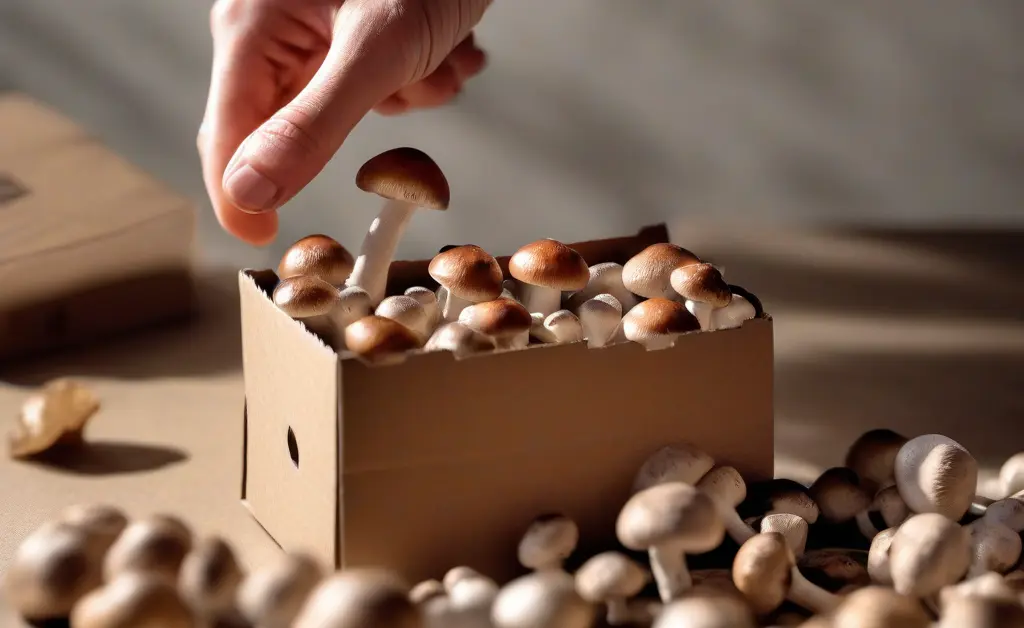
Because they cannot be farmed, finding fresh porcini requires a bit more effort than picking up a carton of creminis. Their availability is tied directly to the season and the success of local foragers. However, when they are in season, there are several reliable places to look.
Fresh porcini mushroom near me
To find local sources, start by searching online for “farmers’ markets,” “specialty grocers,” or “Italian markets” in your area. These venues often have relationships with local foragers or specialty distributors. Calling ahead during the peak porcini season (typically late summer to fall) can save you a trip and confirm if they have a fresh supply. Some gourmet restaurants that feature seasonal ingredients may also be willing to sell small quantities directly to customers if you ask.
Local Markets and Specialty Grocers
Farmers’ markets are one of the best places to find fresh porcini. Here, you can often buy directly from the foragers themselves, who can provide information about when and where the mushrooms were harvested. High-end grocery stores with a focus on gourmet produce and specialty food shops, particularly those with a European or Italian focus, are also excellent sources. The search process is similar to finding other specialty fungi, so it’s also helpful to know where to buy oyster mushrooms to broaden your culinary options. These stores pride themselves on sourcing rare and high-quality ingredients, and porcini are a seasonal staple for them.
Online Suppliers for Fresh Porcini
For those who don’t have access to reliable local sources, online suppliers have become a popular option. Numerous specialty food websites offer a fresh porcini mushroom for sale, shipping them overnight in chilled containers to ensure they arrive in excellent condition. While this can be a more expensive option due to shipping costs, it provides access to this delicacy for cooks almost anywhere. This global market makes it possible to find a porcini mushroom in Qatar and other international locations where they don’t grow naturally. When buying online, choose reputable vendors with positive reviews who guarantee the freshness and quality of their product.
Selecting and Storing Fresh Porcini
Once you’ve located a source, knowing how to choose the best specimens and how to store them correctly is essential for a successful culinary experience. Fresh porcini are perishable and require careful handling to preserve their delicate flavor and texture.
Tips for Choosing the Best Fresh Porcini
When you have the opportunity to select the mushrooms yourself, use your senses. Look for firm caps and stems with no signs of sliminess or dark, soft spots. They should have a pleasant, earthy scent; an off-putting or sour smell indicates they are beginning to spoil. Gently press the stem—it should be solid, not spongy. A few small insect holes are natural, but avoid mushrooms that are riddled with them. Choose smaller to medium-sized porcini if possible, as they tend to be firmer and have a more concentrated flavor than oversized ones.
Proper Storage Methods for Freshness
The key to storing fresh porcini is to keep them dry and cool. Never store them in a sealed plastic bag, as this traps moisture and will cause them to become slimy and rot quickly. The best method is to place them in a paper bag or wrap them loosely in a paper towel. This allows them to breathe and absorbs any excess moisture. Store the bag in the main compartment of your refrigerator, not in the crisper drawer, which is often too humid.
Shelf Life of Fresh Porcini Mushrooms
A fresh porcini mushroom is a delicate ingredient with a short shelf life. For the best flavor and texture, it is ideal to use them the day you buy them. If stored properly in the refrigerator, they can last for a few days, but their quality will begin to decline. As they age, they may lose firmness and their flavor will become less vibrant. Plan to cook them as soon as possible after purchasing.
Cooking with Fresh Porcini Mushrooms

Cooking with a fresh porcini mushroom is a rewarding experience that celebrates its unique flavor. Preparation is simple, and the best cooking methods are often those that allow the mushroom’s natural character to shine. The first step, cleaning, is crucial. Because they are like sponges, you should never soak porcini in water. Instead, use a soft mushroom brush or a damp paper towel to gently wipe away any dirt from the cap and stem. Trim the very end of the stem, which can be tough, and carefully inspect for and trim away any small insect holes.
Once cleaned, porcini can be prepared in numerous ways. One of the simplest and most popular methods is sautéing. Slice the mushrooms and cook them in a hot pan with high-quality olive oil or butter, a bit of garlic, and fresh parsley. This classic Italian preparation, known as Funghi Trifolati, highlights their incredible flavor. Thick slices of porcini are also excellent when grilled or roasted, which brings out their meaty texture and nutty taste. They can be added to risotto, where their earthy flavor infuses the rice, or incorporated into rich pasta sauces. Porcini also make a luxurious addition to polenta, omelets, and stand as an elegant side dish for grilled steak, chicken, or game meats.
The versatility of porcini is one of their greatest strengths. They pair beautifully with ingredients like thyme, parmesan cheese, cream, and red wine. Whether used as the star of a dish or as a powerful supporting ingredient, their contribution is always significant, adding a layer of umami-rich depth that is difficult to replicate. For an even more concentrated burst of flavor in soups and sauces, some cooks also use porcini mushroom extract.
Fresh porcini mushrooms offer a taste of the wild, a seasonal luxury that can elevate everyday cooking into a gourmet experience. Their robust flavor, meaty texture, and enchanting aroma make them one of the world’s most sought-after edible fungi. By understanding how to identify, select, store, and cook these magnificent mushrooms, you can confidently bring the king of the forest into your kitchen and enjoy one of nature’s finest culinary gifts. From a simple sauté to an elaborate main course, the rich, earthy notes of porcini are sure to leave a lasting impression.
The purpose of this content is to educate, not to diagnose or treat. The information provided is for culinary and informational purposes only and should not be considered medical advice. Always consult with a qualified professional for health-related concerns. Wild mushroom identification should only be performed by trained experts, as consuming misidentified species can be dangerous.
FAQ
Where can I find fresh porcini mushrooms for sale?
Porcini are wild mushrooms, meaning they are foraged from nature rather than cultivated on farms. This makes them a seasonal delicacy typically found at specialty food shops, farmers’ markets, and some upscale grocery stores. Their availability is directly tied to the success of local foragers during specific times of the year.
When are fresh porcini mushrooms in season?
The prime season for porcini typically runs from late summer through the autumn months. Their appearance is highly dependent on specific environmental conditions like recent rainfall and temperature. This means the exact timing and abundance can vary significantly from year to year and by geographic region.
How do you store fresh porcini mushrooms to keep them fresh?
Proper storage is key to preserving their delicate texture and flavor. They are best kept in a paper bag in the main compartment of the refrigerator, as this allows them to breathe and prevents moisture buildup. Storing them in sealed plastic containers is not recommended because it traps condensation, which accelerates spoilage.
What should I look for when buying fresh porcini?
When selecting a high-quality fresh porcini mushroom, look for a firm, dry cap and stem with a smooth, unblemished surface. The mushroom should feel heavy for its size and be free of soft spots, sliminess, or tiny holes that indicate insect activity. Check the underside of the cap, as the spongy pore surface should be light in color, from white to pale yellow.
Are fresh porcini mushrooms expensive?
Fresh porcini are considered a gourmet ingredient and typically command a high price. Their cost reflects that they must be foraged by hand from the wild, have a very short and unpredictable season, and are highly perishable. This combination of limited supply and strong culinary demand makes them one of the more expensive mushrooms available.