
Crafting the Perfect Gourmet Mushroom Risotto
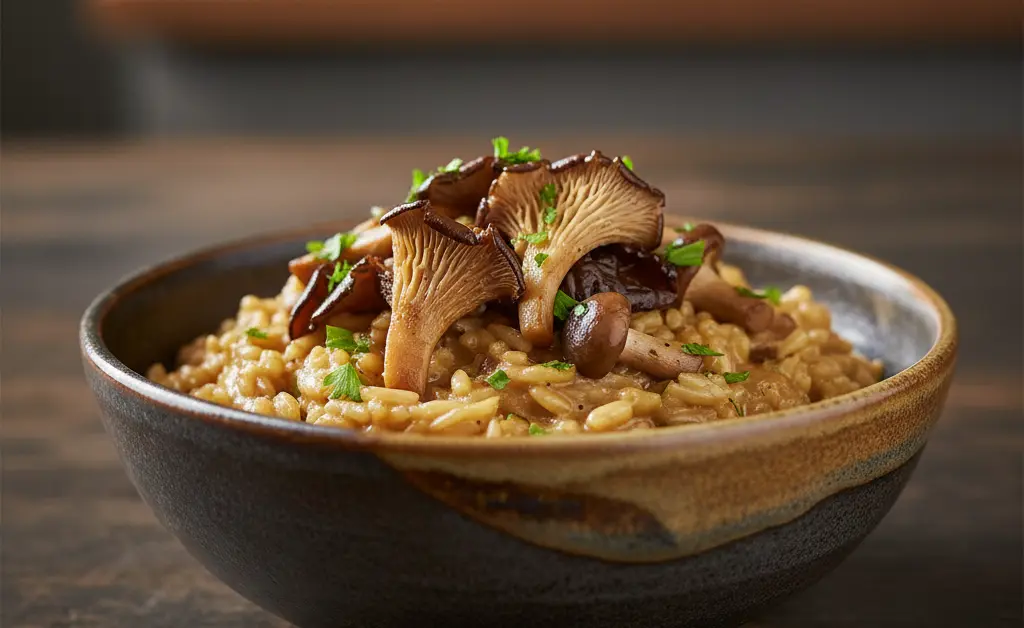
Gourmet mushrooms risotto is a sophisticated yet comforting Italian dish renowned for its rich, creamy texture and profound earthy flavors derived from specialty fungi. At its core, risotto involves cooking short-grain rice in a flavorful broth, stirring constantly until it reaches a velvety consistency. When elevated with a selection of high-quality, aromatic mushrooms, it transcends a simple side dish to become a luxurious main course that delights the palate. This comprehensive guide will detail the traditional techniques and essential steps to master this classic, ensuring you achieve a perfectly executed dish every time. We will explore ingredient selection, precise cooking methods, and helpful tips to elevate your culinary creation.
Gourmet Mushroom Risotto Recipe
Ingredients for Gourmet Mushroom Risotto
The foundation of an exceptional gourmet mushrooms risotto begins with the selection of high-quality ingredients. For the mushrooms, a mix of fresh varieties like cremini, shiitake, oyster, and even more exotic types such as chanterelles or morels will impart a complex flavor profile. Dried mushrooms, like porcini, are also excellent for adding a deeper, umami richness, especially when their soaking liquid is incorporated into the broth. Essential aromatics include finely diced onion or shallots, and garlic. The rice choice is crucial; Arborio, Carnaroli, or Vialone Nano are ideal, as their high starch content contributes to the signature creamy texture. A good quality dry white wine, a rich vegetable or chicken broth, unsalted butter, and freshly grated Parmesan cheese complete the list of core components. Global health standards for food safety are important for all consumers, as highlighted by the WHO.
Sautéing the Mushrooms
Begin by cleaning your fresh mushrooms and slicing them uniformly. Heat a tablespoon of olive oil or butter in a large, heavy-bottomed pan over medium-high heat. Add the mushrooms in a single layer, making sure not to overcrowd the pan, which can lead to steaming instead of browning. Sauté them until they are deeply golden brown and have released their moisture, then absorbed it back, concentrating their flavor. Season with a pinch of salt and pepper. Once cooked, remove the mushrooms from the pan and set them aside, reserving any pan drippings, which will add extra depth to the risotto base.
Preparing the Soffritto
The soffritto is the aromatic base of many Italian dishes, including risotto. In the same pan used for the mushrooms, add a little more olive oil or butter if needed. Reduce the heat to medium-low. Add your finely diced onion or shallots and cook gently until they are translucent and softened, about 5-7 minutes. Be careful not to brown them, as this can impart a bitter flavor. Add minced garlic towards the end of the cooking time for the aromatics, cooking for just another minute until fragrant.
Toasting the Rice
After the soffritto is prepared, add the chosen risotto rice directly into the pan. Stir the rice continuously for 2-3 minutes, ensuring each grain is coated in the oil and aromatics. This process, known as toasting, helps the rice maintain its structure throughout cooking, preventing it from becoming mushy and allowing it to absorb liquid evenly. The grains should appear slightly translucent around the edges but remain opaque in the center.
Deglazing with Wine
Once the rice is properly toasted, pour in a splash of dry white wine. Increase the heat slightly and stir constantly until the wine has almost completely evaporated. This step is essential for adding a layer of complex flavor and acidity to the risotto, which helps balance the richness of the other ingredients. The alcohol will cook off, leaving behind only the pleasant notes of the wine.
Adding Broth Gradually
Warm your broth in a separate saucepan and keep it at a gentle simmer throughout the cooking process; adding cold broth will cool down the risotto and disrupt cooking. Begin by adding one ladleful of warm broth to the rice, stirring gently but constantly. Wait until the liquid is almost fully absorbed by the rice before adding the next ladleful. Continue this process, adding broth by broth, stirring, and waiting for absorption. This gradual addition and continuous stirring are key to releasing the starch from the rice, creating the characteristic creamy texture of a gourmet mushrooms risotto. This process typically takes about 18-20 minutes, depending on the rice type.
Finishing the Risotto
When the rice is al dente—tender but still with a slight bite in the center—remove the pan from the heat. This is the stage for “mantecatura,” or creaming. Stir in a generous knob of cold unsalted butter and a good amount of freshly grated Parmesan cheese. Add the reserved sautéed mushrooms back into the risotto. Stir vigorously until the butter and cheese are fully incorporated, creating a wonderfully creamy and glossy consistency. Allow the risotto to rest, covered, for a couple of minutes before serving. This brief rest allows the flavors to meld and the texture to become even more luxurious.
Tips for Perfect Risotto
Achieving Creaminess
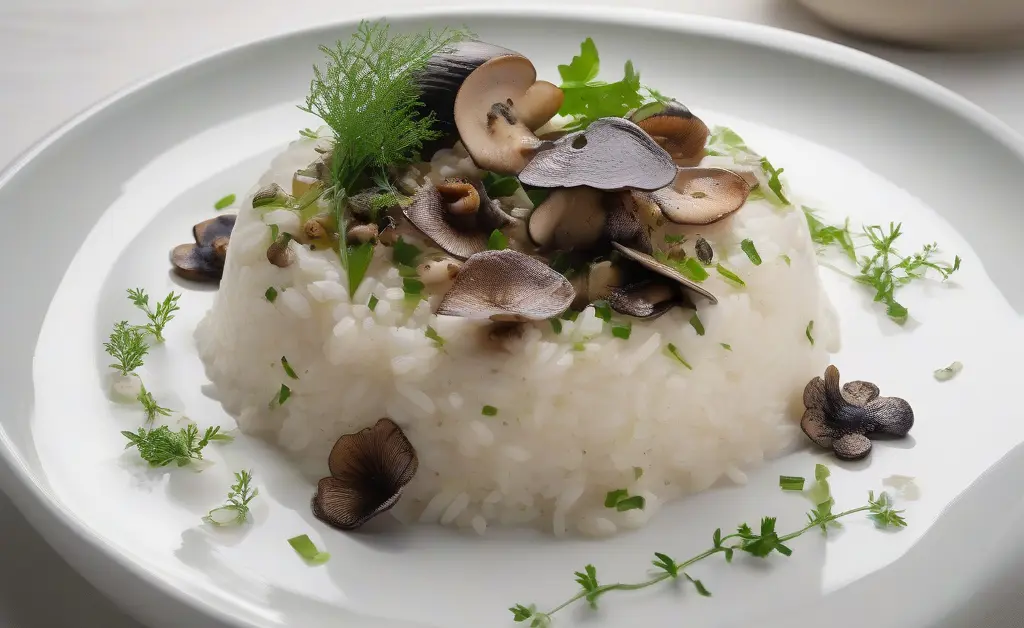
The hallmark of an exceptional gourmet mushrooms risotto is its velvety creaminess, known as “all’onda” (wavy) because it should flow gently on the plate. This texture is primarily achieved through the constant stirring technique during broth addition, which encourages the starch release from the rice grains. Using the correct short-grain rice varietals, like Arborio or Carnaroli, is also crucial, as they have a higher starch content. Ensuring the broth is hot when added prevents shocking the rice and promotes even cooking. Finally, the “mantecatura” at the very end—incorporating cold butter and Parmesan cheese off the heat—is vital for that final silky finish and rich mouthfeel.
Variations and Serving Suggestions
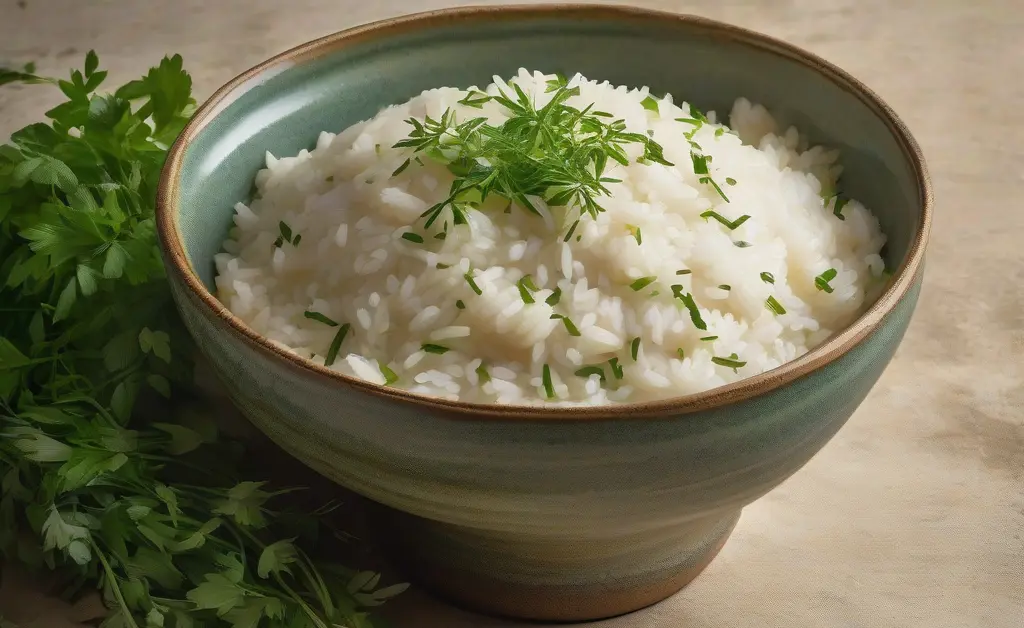
While the classic gourmet mushrooms risotto is a delight in itself, there are many ways to adapt and enhance this dish. The versatility of risotto allows for creative additions that can transform its flavor profile and presentation.
Adding Other Vegetables
Beyond the primary mushrooms, many other vegetables can be incorporated to add flavor, texture, and color. Asparagus, peas, spinach, or leeks can be added during the last few minutes of cooking the risotto, allowing them to gently steam until tender-crisp. Roasted butternut squash or pumpkin, puréed or diced, can be stirred in for a sweeter, earthier note. Even a touch of sun-dried tomatoes, finely chopped, can introduce a concentrated burst of flavor without overpowering the main mushroom elements. The rich flavor of mushrooms also shines in other dishes like portobello mushroom tacos.
Cheese Options
While Parmesan is the traditional choice for finishing risotto, other cheeses can offer distinct flavors. Grated Pecorino Romano can provide a sharper, saltier kick, while a milder Fontina or Taleggio, melted in at the end, can contribute a more pronounced gooey, creamy texture. For a truly decadent experience, a swirl of mascarpone cheese can be added along with the butter and Parmesan, imparting an even richer, softer finish to the gourmet mushrooms risotto.
Herbs and Garnishes
Fresh herbs are essential for bright finishing notes. Finely chopped fresh parsley or chives can be stirred in just before serving, or sprinkled on top as a garnish. Thyme or rosemary, used sparingly, can also complement the earthy mushroom flavors. For an extra touch of elegance and flavor, a drizzle of high-quality truffle oil or a few shavings of fresh truffle can elevate the dish to a truly luxurious gourmet status. A sprinkle of toasted pine nuts or a few fresh mushroom slices can also add visual appeal and textural contrast.
Crafting a gourmet mushroom risotto is a rewarding culinary journey that combines patience with precise technique. By focusing on quality ingredients and mastering each step, from sautéing the aromatic mushrooms to the final creamy finish, you can create a dish that is both comforting and sophisticated. This guide provides the foundation for a truly delicious experience, allowing you to confidently bring this classic Italian masterpiece to your table.
This information should be viewed as educational rather than medical advice. The content provided is for informational purposes only and is not intended to be a substitute for professional medical advice, diagnosis, or treatment. Always seek the advice of your physician or other qualified health provider with any questions you may have regarding a medical condition. Never disregard professional medical advice or delay in seeking it because of something you have read here.
FAQ
What is the best mushroom for risotto?
Many mushroom varieties can be used, but those with a rich, earthy flavor like cremini, shiitake, or porcini are often favored for their depth. Combining different types can also create a more complex and satisfying taste profile. The key is to select mushrooms that offer a good balance of texture and intense mushroom essence.
How do you make creamy mushroom risotto?
Achieving creaminess in mushroom risotto involves a patient process of gradually adding warm liquid, typically broth, to Arborio rice while stirring continuously. This stirring action releases the starch from the rice grains, which naturally thickens the dish and creates a luxurious, creamy texture without the need for added cream. The moisture from sautéed mushrooms also contributes to this velvety consistency.
What kind of rice is best for risotto?
Short-grain rice varieties with a high starch content are ideal for risotto. Arborio is the most common choice due to its ability to absorb liquid and release starch, resulting in the characteristic creamy texture. Carnaroli and Vialone Nano are other excellent options, often preferred by chefs for their firmer texture and superior starch release.
Can you use dried mushrooms in risotto?
Yes, dried mushrooms can be a fantastic addition to risotto, particularly varieties like porcini, which offer an intense, concentrated flavor. Rehydrating them in warm water first not only softens them for cooking but also creates a flavorful mushroom broth that can be incorporated directly into your risotto, enhancing its overall mushroom essence. The soaking liquid is a secret weapon for boosting flavor in dishes like gourmet mushrooms risotto.