
Crafting the Perfect Hedgehog Mushroom Risotto
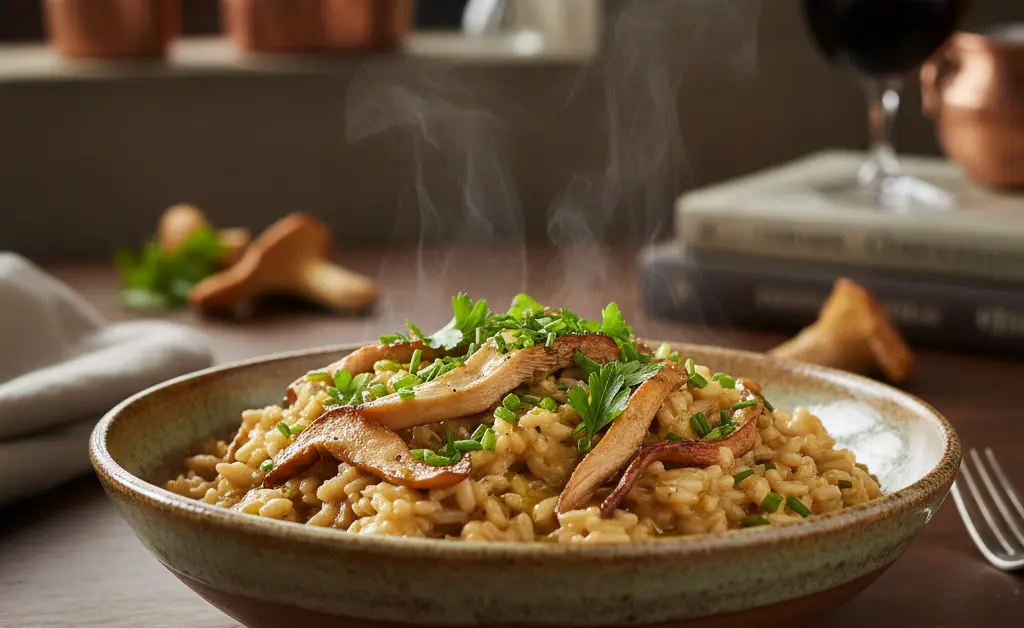
Picture a crisp autumn evening, with the aroma of earthy mushrooms filling your kitchen as you prepare a comforting meal. You’ve just returned from the market, perhaps with a basket of uniquely textured hedgehog mushrooms, eager to turn them into something special. The thought of a rich, creamy risotto immediately comes to mind, promising warmth and sophisticated flavors that evoke the essence of the season. This comprehensive guide is designed to help you transform those exquisite fungi into a culinary masterpiece. We’ll walk you through each step, ensuring you master the techniques needed to create an unforgettable dish. Whether you’re a seasoned chef or a home cook looking to impress, mastering this hedgehog mushroom risotto recipe will elevate your culinary skills and delight your palate.
Best Hedgehog Mushroom Risotto Recipe
Creating an exceptional hedgehog mushroom risotto recipe involves understanding the interplay of key components, from the distinctive fungi to the cooking technique. This dish celebrates the unique qualities of hedgehog mushrooms, integrating them into a comforting and luxurious meal that is both hearty and refined. The goal is to achieve a creamy texture with perfectly cooked rice, allowing the earthy, nutty notes of the mushrooms to shine through.
Flavor Profile
Hedgehog mushrooms, known for their tender texture and slightly sweet, nutty, and earthy flavor, are the star of this risotto. Unlike some other wild mushrooms, they are generally less intensely fungal, offering a delicate yet distinct taste that beautifully complements the richness of the rice and broth. When cooked, they release a subtle aroma that enriches the entire dish, creating a depth of flavor that is both comforting and sophisticated. The creaminess of the risotto, combined with savory broth and hints of aromatic vegetables, forms a harmonious base that allows the hedgehog mushrooms to truly sing.
Selecting and Preparing Hedgehog Mushrooms
When selecting hedgehog mushrooms, look for specimens that are firm, plump, and free from excessive moisture or blemishes. Their signature spines, or “teeth,” on the underside of the cap should be intact and not mushy. Before cooking, it’s important to clean them carefully. Avoid washing them under running water, as they can absorb too much liquid. Instead, gently brush off any dirt or debris with a soft brush or a damp cloth. For larger mushrooms, you may need to trim the tougher parts of the stem or remove any discolored sections. Proper preparation ensures that the mushrooms retain their delicate flavor and texture in the final dish.
Risotto Rice: Choosing the Right Type
The foundation of any great risotto is the rice, and choosing the right type is paramount. Arborio is the most common and widely available choice, known for its high starch content and ability to absorb liquid while maintaining a slight bite. Carnaroli rice is often considered superior by many chefs for its even higher starch content and firmer grain, resulting in an even creamier and more consistent texture. Vialone Nano is another excellent option, prized for its ability to absorb a large amount of liquid without becoming mushy. These short-grain varieties release their starch gradually during cooking, creating the characteristic creamy consistency of a well-made risotto.
Key Aromatics and Liquids
Aromatics form the aromatic base of the risotto, providing a layer of flavor that supports the mushrooms. Finely diced shallots or onions are typically sautéed gently until translucent, creating a sweet and savory foundation. Garlic is often added towards the end of the aromatic cooking phase to prevent burning and preserve its distinct flavor. For liquids, a high-quality broth is essential. Vegetable broth is a popular choice for a vegetarian option, while a light chicken broth can also be used. A splash of dry white wine, such as Pinot Grigio or Sauvignon Blanc, is often added after the rice has been toasted, deglazing the pan and adding a bright, acidic note that enhances the overall taste.
Dairy and Seasonings
The finishing touches of dairy and seasonings are what elevate risotto to its luxurious status. Unsalted butter is typically stirred in at the very end, contributing richness and a silky texture. Freshly grated Parmigiano-Reggiano cheese is indispensable; its salty, umami notes melt into the rice, further enhancing creaminess and depth. Other hard, aged cheeses can also be considered for variations. Simple seasonings like sea salt and freshly ground black pepper are crucial for bringing out the flavors, adjusted to taste throughout the cooking process. Fresh herbs, such as finely chopped parsley or chives, can be added at the end for a fresh, aromatic lift.
Essential Ingredients for Hedgehog Mushroom Risotto
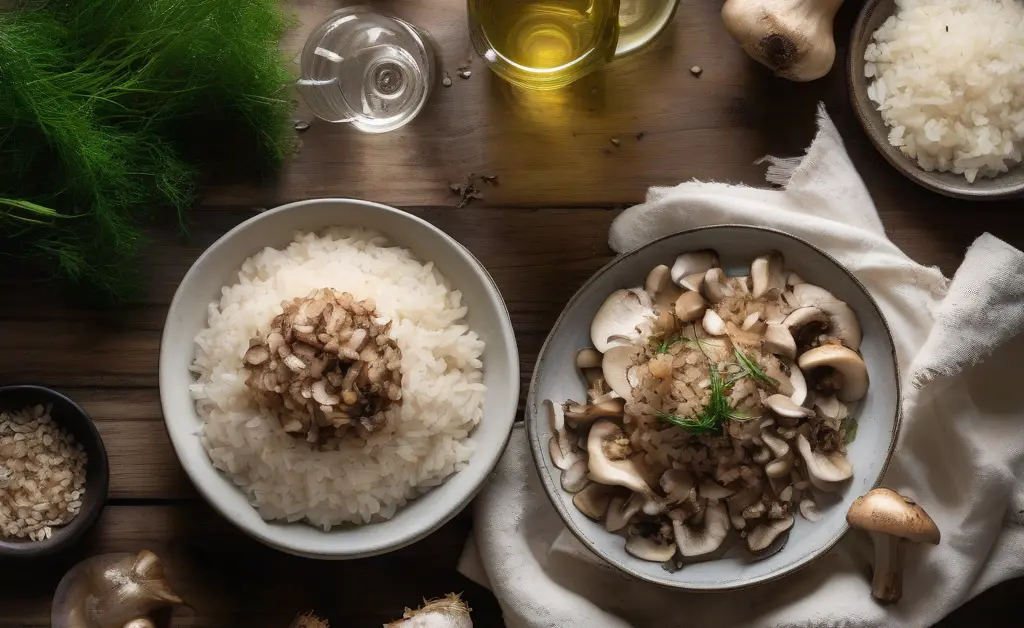
Crafting a truly memorable hedgehog mushroom risotto recipe relies on a careful selection of fresh, high-quality ingredients. While quantities will vary based on desired serving size, the core components remain consistent. You will need fresh hedgehog mushrooms, which are the cornerstone of the dish, providing their unique earthy and nutty flavor. The choice of rice is critical; varieties like Arborio, Carnaroli, or Vialone Nano are ideal for their starch content and ability to create a creamy texture. Aromatic vegetables such as shallots or onions and garlic provide the foundational savory notes. For the liquid, a good quality vegetable or chicken broth is essential, alongside a dry white wine to add depth and acidity. Finishing the risotto requires unsalted butter and freshly grated Parmigiano-Reggiano cheese, which contribute to its characteristic richness and creaminess. Salt, freshly ground black pepper, and optional fresh herbs complete this gourmet preparation.
Step-by-Step Hedgehog Mushroom Risotto Recipe Instructions
Preparing Your Mise en Place
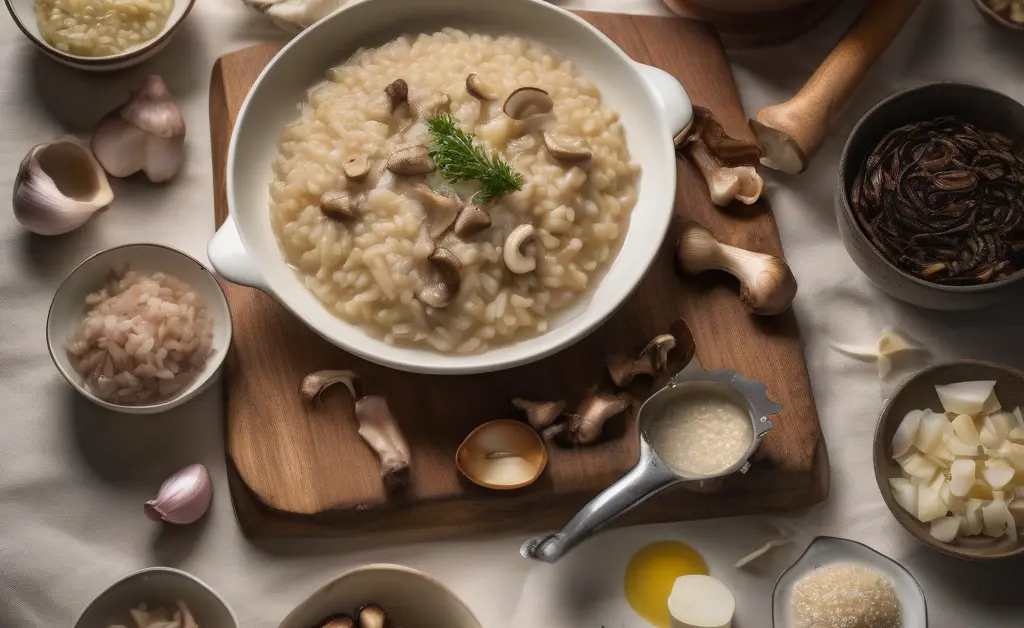
Before beginning the cooking process for this hedgehog mushroom risotto recipe, ensure all your ingredients are prepared and ready. This “mise en place” approach is vital for smooth risotto cooking. Clean and slice your hedgehog mushrooms, finely chop your shallots or onions, mince your garlic, and have your chosen risotto rice measured out. Gently warm your broth in a separate saucepan and keep it at a gentle simmer throughout the cooking process. Grate your cheese and have the butter at room temperature. This level of organization allows you to focus on the cooking technique without interruptions.
Sautéing Mushrooms and Aromatics
Begin by heating a substantial pan or Dutch oven over medium heat. Add a touch of olive oil and, once shimmering, introduce the prepared hedgehog mushrooms. Sauté them until they release their moisture and begin to brown slightly, developing a deeper flavor. Remove the mushrooms from the pan and set them aside. In the same pan, add a bit more olive oil if needed, then add the chopped shallots or onions. Cook gently until they become translucent and tender, taking care not to brown them. Add the minced garlic towards the end of this stage, cooking for a brief period until fragrant.
Toasting the Rice (Tostatura)
With the aromatics softened, add the risotto rice to the pan. Stir the rice continuously for a few minutes, allowing the grains to lightly toast. This step, known as “tostatura,” helps to seal the outside of the rice grains, allowing them to absorb liquid more slowly and consistently, which contributes to the desired al dente texture. The rice should become slightly translucent around the edges, but not browned. Once toasted, pour in the dry white wine, if using, and stir until it has completely evaporated, leaving behind its subtle flavor.
Gradual Broth Addition
This is the heart of risotto making. Begin adding the warm broth to the rice, one ladleful at a time. Stir frequently, allowing each addition of broth to be almost completely absorbed by the rice before adding the next. This gradual process helps to release the starch from the rice grains, creating the creamy texture. Continue this process, stirring and adding broth, for a considerable period. The total cooking time for the rice will vary, but patience is key to achieving the perfect consistency. Remember to taste the rice periodically to monitor its doneness. For more ideas on mushroom preparations, consider these oyster mushroom recipes.
Achieving Creaminess (Mantecatura)
Once the rice is nearly cooked to an al dente consistency—meaning it’s tender but still has a slight bite in the center—remove the pan from the heat. This is the “mantecatura” stage. Stir in the reserved cooked hedgehog mushrooms. Add the room-temperature butter and a generous amount of freshly grated Parmigiano-Reggiano cheese. Stir vigorously until the butter and cheese are fully melted and incorporated, creating a rich, luscious, and creamy consistency. If the risotto appears too thick, a final splash of warm broth can be added to adjust the texture to your liking.
Finishing and Resting
After achieving the desired creaminess, cover the pan and let the risotto rest for a few moments off the heat. This brief resting period allows the flavors to meld further and the risotto to set to its perfect texture. Serve the hedgehog mushroom risotto immediately, as it is best enjoyed fresh. Garnish with additional grated Parmigiano-Reggiano, a drizzle of high-quality olive oil, or fresh herbs like parsley or chives for an elegant presentation and an extra burst of flavor. If you’re looking for a substitute for hedgehog mushrooms, you might find these oyster mushroom substitute options helpful.
Tips for the Best Hedgehog Mushroom Risotto
Cleaning and Sautéing Mushrooms Properly
For the finest hedgehog mushroom risotto recipe, proper mushroom preparation is essential. When cleaning hedgehog mushrooms, avoid submerging them in water, as they absorb liquid quickly and can become soggy. Instead, use a soft brush or a damp cloth to gently wipe away any dirt. For sautéing, use a hot pan with a small amount of oil or butter. Cook them in batches if necessary to avoid overcrowding, which can steam them instead of browning. Sautéing them until they are golden brown and slightly crisp on the edges helps to develop their deep, earthy flavor and ensures they hold their texture within the creamy risotto.
Broth Temperature and Consistency
Maintaining a consistently warm broth is crucial for successful risotto. Cold broth will shock the rice, slowing down the cooking process and potentially leading to uneven absorption and a less creamy result. Keep your broth simmering gently in a separate pot throughout the cooking of the risotto. The consistency of the broth also matters; while using a concentrated broth is fine, ensure it’s diluted to a pleasant, savory drinking consistency before adding it to the rice. This prevents the risotto from becoming overly salty or intensely flavored too early in the process.
Stirring for Creaminess
Frequent, but not constant, stirring is key to unlocking the starch from the risotto rice, which is what gives the dish its signature creaminess. Stirring helps prevent the rice from sticking to the bottom of the pan and ensures even cooking. It also gently abrades the rice grains, encouraging them to release their starches into the liquid. However, over-stirring can break down the rice grains too much, leading to a gluey texture. Aim for regular, gentle stirring after each broth addition, allowing the rice to absorb the liquid naturally. Consider exploring other mushroom dishes, perhaps even oyster mushroom tacos recipe, for variety.
Avoiding Overcooked Risotto
The ideal risotto has a creamy, flowing texture (“all’onda,” or “wavy”) and the rice grains are cooked al dente, meaning they are tender yet still offer a slight resistance or “bite” in the center. To avoid overcooking, begin tasting the rice a little earlier than you expect it to be done. Remove the pan from the heat when the rice is just shy of your preferred doneness, as it will continue to cook slightly during the resting period. Overcooked risotto can become gummy and lose its distinct texture, so careful attention to timing is important.
Garnishes for Flavor and Presentation
Thoughtful garnishes can elevate the flavor and visual appeal of your hedgehog mushroom risotto. Beyond a final sprinkle of freshly grated Parmigiano-Reggiano cheese, consider adding a drizzle of high-quality extra virgin olive oil just before serving for a rich aroma and silky mouthfeel. Freshly chopped herbs like flat-leaf parsley, chives, or even a few delicate thyme leaves can provide a burst of freshness and color. For an extra touch of luxury, a few thinly shaved slices of the cooked hedgehog mushrooms or a sprinkle of black pepper can also be used as a simple yet elegant garnish.
Mastering the art of hedgehog mushroom risotto is a rewarding culinary journey that yields a dish of profound comfort and sophisticated flavor. By carefully selecting your ingredients, understanding the role of each step, and applying these techniques with patience and attention, you can create a risotto that truly celebrates the earthy elegance of hedgehog mushrooms. This dish is more than just a meal; it’s an experience, inviting you to savor the rich textures and deep flavors that only a perfectly executed risotto can offer. Enjoy the process, and delight in the delicious outcome.
This article is meant for general informational use and awareness. It is not intended to provide medical advice, diagnosis, or treatment. Always consult with a qualified healthcare professional for any health concerns or before making any decisions related to your health or diet. Research into health topics can be found at Cochrane Library.
FAQ
What are hedgehog mushrooms and how do they taste?
Hedgehog mushrooms are distinctive wild mushrooms recognized by the presence of small, tooth-like spines on their underside instead of gills. They possess a pleasantly mild, slightly peppery, and earthy flavor profile that can add depth to culinary dishes.
How do I clean hedgehog mushrooms for cooking?
Because hedgehog mushrooms grow close to the ground, they can sometimes harbor dirt and debris. Gently brush off any visible soil with a soft brush or damp cloth; avoid soaking them in water to preserve their texture and flavor.
What is the best type of rice for mushroom risotto?
Arborio rice is the traditional choice for mushroom risotto due to its high starch content, which releases during cooking to create a wonderfully creamy texture. Other short-grain, high-starch rice varieties like Carnaroli or Vialone Nano can also be excellent options.
Can I use dried hedgehog mushrooms in risotto?
Dried hedgehog mushrooms can be a suitable alternative when fresh ones are unavailable, offering a concentrated flavor. Rehydrate them in warm water or broth before adding them to your risotto to restore their texture and release their full taste.
How do I make risotto creamy without cream?
The creaminess in risotto is achieved through the natural starch released from the rice as it is slowly stirred in liquid. Incorporating ingredients like Parmesan cheese and a touch of butter at the end also contributes to a rich, velvety consistency.
What wine goes well with hedgehog mushroom risotto?
A dry white wine, such as a Pinot Grigio or Sauvignon Blanc, complements the earthy notes of hedgehog mushrooms beautifully. For those who prefer red, a light-bodied Pinot Noir can also pair well without overpowering the dish.
How long does it take to cook hedgehog mushroom risotto?
Preparing risotto typically requires about 25 to 30 minutes of active cooking time after the initial preparation of ingredients. This slow simmering process is essential for developing the signature creamy texture and melding the flavors.
Is hedgehog mushroom risotto vegetarian?
A hedgehog mushroom risotto can be easily made vegetarian by ensuring that only vegetable broth and vegetarian Parmesan-style cheese are used in its preparation. This allows for a flavorful and satisfying plant-based meal.