
The Right Way to Clean Hedgehog Mushrooms
Many culinary enthusiasts believe that all wild mushrooms, especially delicate varieties, should strictly avoid water during cleaning for fear of them becoming waterlogged and losing flavor. While it’s true that excessive soaking can be detrimental to some fungi, this rigid rule doesn’t always apply universally, nor is it the only effective approach. For the unique and flavorful hedgehog mushroom, a different, more nuanced cleaning strategy is often ideal, focusing on preserving its texture and earthy notes. Understanding how to clean hedgehog mushroom properly ensures they are free from forest debris without compromising their delicate structure. This guide will explore careful, water-minimal techniques to prepare these distinctive fungi for your culinary creations.
How to Clean Hedgehog Mushrooms
The initial step in preparing these delicious fungi involves a thoughtful approach to dirt removal, prioritizing methods that maintain their natural qualities. Knowing how to clean hedgehog mushroom effectively begins with understanding their delicate structure, particularly their distinctive spines, which can trap debris. The primary goal is to remove any soil, leaves, or forest litter without introducing excess moisture, which can compromise their texture and dilute their earthy flavor. A gentle hand and the right tools are key to success.
Inspect the Mushroom Carefully for Surface Dirt
Before any cleaning tools are introduced, thoroughly inspect each hedgehog mushroom. Look for visible clumps of soil, pine needles, leaves, and any small insects or debris nestled within the gills (spines) or on the cap and stem. This initial visual assessment helps identify the most soiled areas, allowing you to target your cleaning efforts precisely and avoid spreading dirt across cleaner parts of the mushroom.
Using a Dedicated Mushroom Brush
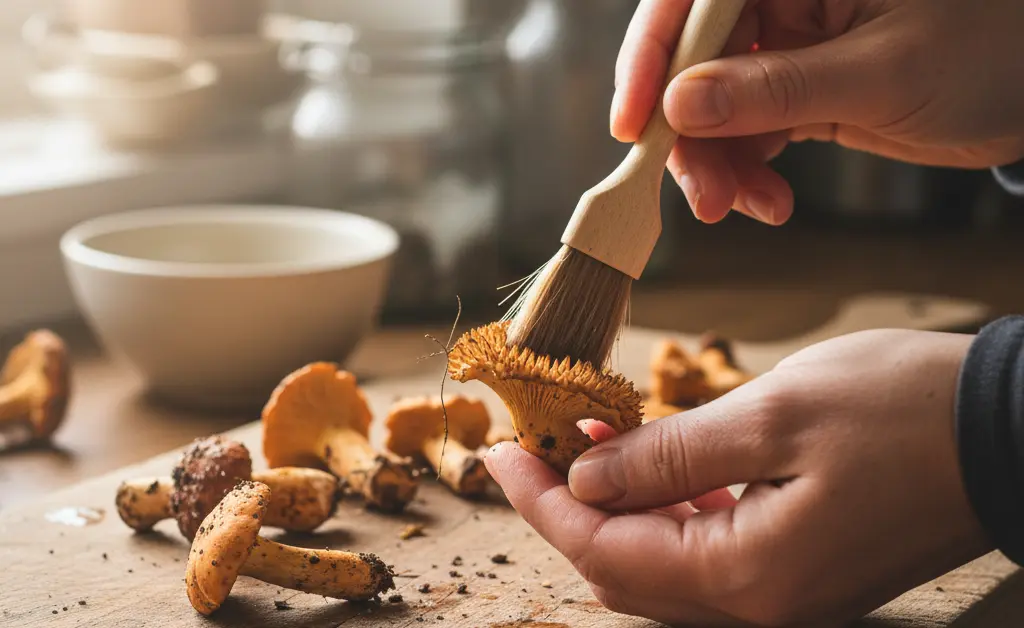
A soft-bristled mushroom brush is an invaluable tool for cleaning hedgehog mushrooms. Its gentle bristles are designed to sweep away loose dirt and debris from the cap, stem, and especially between the spines without causing damage to the delicate flesh. Hold the mushroom firmly but gently, and use light, sweeping motions to brush off any foreign material. Work from the cap downwards and pay close attention to the areas where debris tends to accumulate.
Alternative: The Soft Toothbrush Method
If a dedicated mushroom brush is not available, a clean, soft-bristled toothbrush can serve as an excellent alternative. The smaller head and flexible bristles of a toothbrush can be particularly effective for reaching into tighter crevices and gently dislodging stubborn dirt from the hedgehog mushroom’s unique underside. As with a mushroom brush, use soft, controlled strokes to avoid bruising or tearing the mushroom’s delicate structure.
Preparing Hedgehog Mushrooms
Once the initial surface dirt has been addressed, further preparation steps ensure that the hedgehog mushrooms are perfectly clean and ready for cooking. These stages focus on refining the mushroom, removing any tougher or less desirable parts, and meticulously cleaning away any remaining imperfections. Thoughtful execution of these steps shows you know how to clean hedgehog mushroom thoroughly and with care.
Trimming the Stem Base
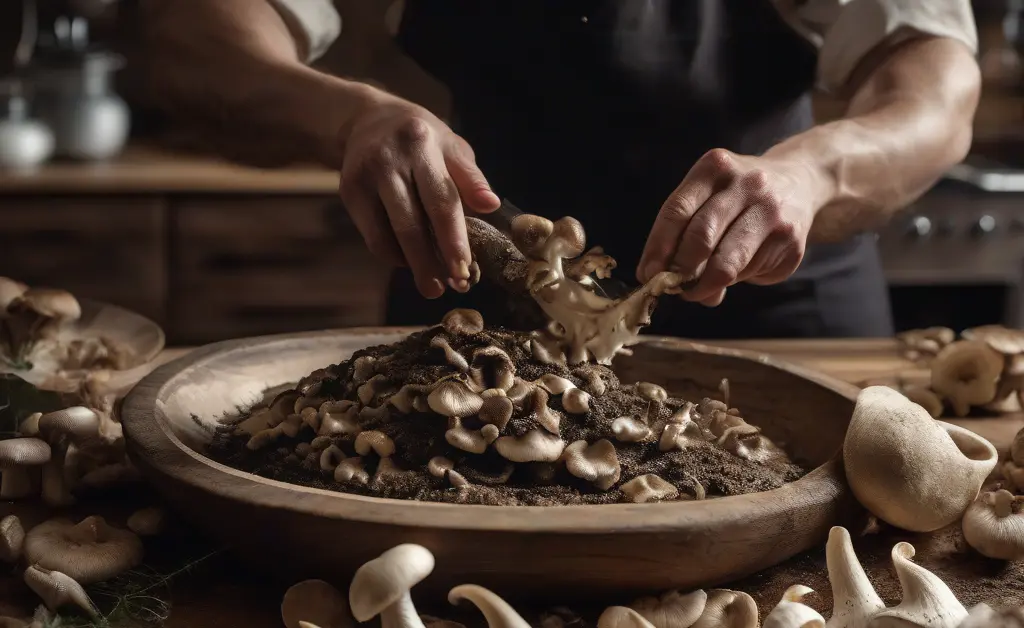
The very base of the hedgehog mushroom’s stem is often the toughest and most embedded with soil, as it’s the point of contact with the ground. Using a sharp paring knife, carefully trim off the dry, discolored, or excessively dirty bottom portion of the stem. Aim to remove only the contaminated part, leaving the firm, clean stem intact for culinary use. This step is crucial for both hygiene and improving the overall texture of the cooked mushroom.
Gentle Brushing to Remove Loose Debris
After trimming the stem, a final, gentle brushing can be beneficial. Any debris dislodged during the trimming process or previously overlooked can now be carefully swept away. Use your mushroom brush or soft toothbrush to make light passes over all surfaces of the mushroom once more, ensuring no loose particles remain before proceeding to more targeted cleaning.
Careful Scraping for Embedded Dirt
For dirt that is more stubbornly embedded or small blemishes that brushing cannot remove, a careful scraping technique can be employed. Use the tip of a paring knife or the edge of a small spoon to gently scrape away the dirt. This method requires precision to remove only the surface layer of contamination without digging deeply into the mushroom’s flesh. Pay particular attention to the areas between the spines or any deeper indentations on the cap.
Cutting Away Damaged or Heavily Soiled Areas
Sometimes, parts of a wild hedgehog mushroom may be too damaged, bruised, or heavily soiled to clean effectively with brushing or scraping. In such cases, it is best to cut away these undesirable sections entirely using a sharp knife. This ensures that only the freshest, cleanest, and most palatable parts of the mushroom are used in your cooking. While it might mean sacrificing a small portion of the mushroom, it guarantees a superior final product.
Cleaning Methods for Hedgehog Mushrooms
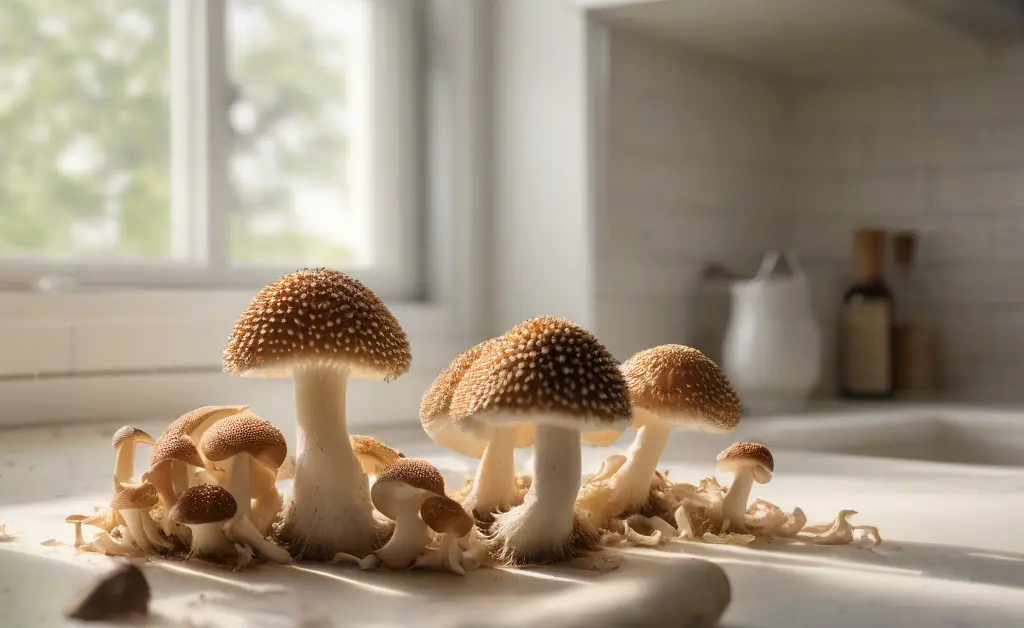
The choice of cleaning methods for hedgehog mushrooms often depends on the mushroom’s initial condition and the level of debris present. While dry cleaning is often preferred to preserve their delicate nature, specific approaches can be adapted for varying degrees of soil. Effectively handling stubborn dirt and imperfections on hedgehog mushrooms involves a combination of careful observation and technique. For mushrooms with light surface dirt, a simple brush-off, as detailed above, is usually sufficient. However, for those found in particularly muddy or sandy environments, a slightly more involved approach may be necessary without resorting to full submersion in water. If a mushroom is exceedingly dirty, some culinary experts suggest a very quick rinse under cold, running water, followed immediately by thorough drying with a clean cloth or paper towel. The key is to minimize water exposure and ensure rapid drying to prevent sogginess. After any brief exposure to moisture, it is advisable to lay the mushrooms out on a clean towel to air dry for a short period before cooking, allowing any remaining surface moisture to evaporate. These strategic approaches ensure that the cleaning methods for hedgehog mushrooms successfully remove impurities while retaining their unique flavor and firm texture.
Research into various mushroom species and their nutritional profiles is ongoing, with many wild varieties offering unique health benefits. For instance, some studies explore the potential of turkey tail mushrooms for their medicinal properties.
By following these meticulous steps, you can ensure that your hedgehog mushrooms are impeccably clean and ready to impart their distinctive earthy and slightly peppery flavor to your culinary creations. The effort invested in proper cleaning truly enhances the dining experience, allowing the mushroom’s natural qualities to shine without the interference of grit or unwanted moisture.
This article is meant for general informational use and awareness. It is not intended to be a substitute for professional advice, especially concerning the identification of wild mushrooms for consumption or any health-related matters. Always exercise caution and consult with experts when foraging or preparing wild foods.
FAQ
Can you wash hedgehog mushrooms with water?
Hedgehog mushrooms can be rinsed quickly under cool running water. The key is to do this briefly, as they are quite absorbent and can become waterlogged if left to soak. After rinsing, it is important to pat them thoroughly dry.
What is the best way to clean hedgehog mushrooms?
The most effective method for cleaning hedgehog mushrooms involves a soft brush or a damp cloth. These tools gently remove surface debris without causing the mushroom to absorb excess moisture. This approach preserves their delicate texture and flavor for cooking.
What tools are used to clean hedgehog mushrooms?
A soft pastry brush or a dry toothbrush is excellent for brushing away loose soil and dirt from hedgehog mushrooms. For more stubborn bits, a slightly damp paper towel or cloth can be used to wipe them clean. These methods are gentle and effective for most types of mushroom cleaning.
How do you remove dirt from the underside of hedgehog mushrooms?
Dirt nestled within the unique spines on the underside of hedgehog mushrooms is often best tackled with a small brush or the tip of a paring knife. Gently dislodging the debris with a brush works well, and if needed, a careful scrape with the knife can remove compacted dirt. This ensures all grit is removed before preparation.