
How to Properly Clean Portobello Mushrooms
Ensuring your ingredients are pristine is fundamental for any culinary endeavor. When it comes to fungi, the question of proper preparation is particularly relevant. Cleaning portobello mushrooms is a crucial step for both taste and hygiene, often sparking discussions among home cooks and professional chefs alike. Understanding how to clean portobello mushroom effectively not only enhances their earthy flavor but also ensures a safe and enjoyable dining experience, preventing grit and preserving their unique texture. This comprehensive guide will navigate through the common misconceptions and outline the most appropriate techniques, from gentle wiping to careful rinsing, ensuring your portobellos are perfectly prepared for any dish without becoming waterlogged or losing their integrity. We will cover the tools and steps necessary for optimal results.
How To Clean Portobello Mushrooms
Properly preparing these large, earthy fungi is essential for enjoying their unique flavor and texture. Knowing how to clean portobello mushroom is a foundational skill that helps prevent unwanted grittiness and ensures they cook evenly. The goal is to remove any dirt or debris without introducing too much moisture, which can make the mushrooms soggy.
Prepare Your Cleaning Supplies
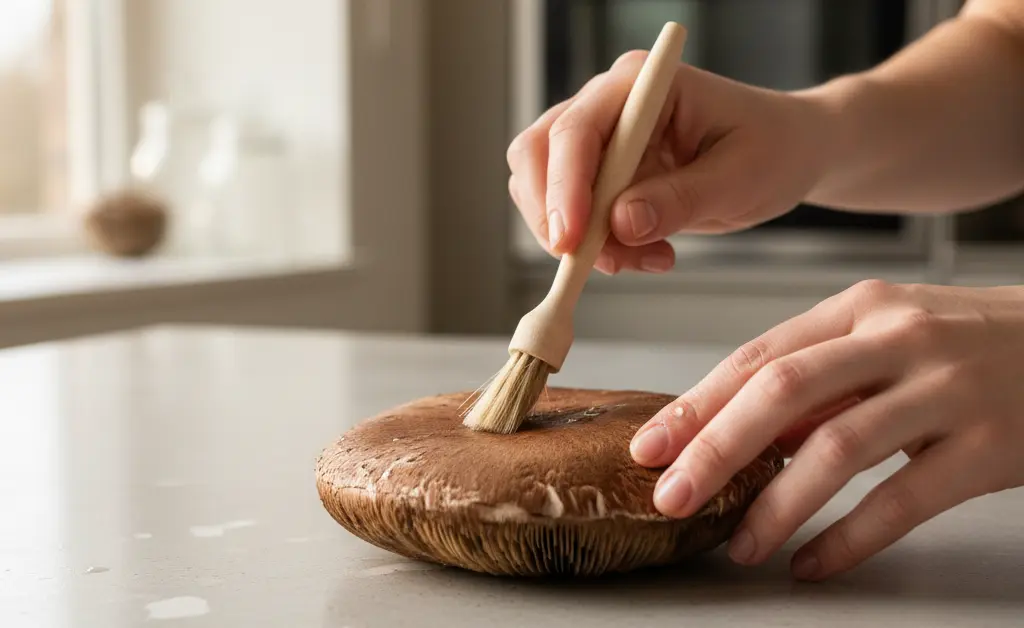
Before you begin, gather the necessary tools. A soft brush, such as a dedicated mushroom brush or a soft-bristled vegetable brush, is ideal for gently dislodging dirt. Alternatively, a clean, damp cloth or paper towels will also work effectively. Have a clean, dry surface ready, like a cutting board or a baking sheet lined with paper towels, to place the cleaned mushrooms.
Washing Under Running Water
While often cautioned against, a quick rinse under running water can be acceptable for very dirty portobello mushrooms, provided it’s done correctly and followed by immediate thorough drying. The key is to avoid soaking the mushrooms, as they are highly porous and will absorb water quickly, leading to a diminished flavor and rubbery texture when cooked. If opting for this method, use cool water and rinse each mushroom briefly, gently rubbing any visible dirt with your fingers or a soft brush. Pat them completely dry immediately afterward.
Wiping with a Damp Cloth or Paper Towel
This is often considered the preferred method for how to clean portobello mushroom. Dampen a clean cloth or a paper towel with cool water, wring out any excess moisture, and gently wipe the surface of each mushroom cap. Pay attention to any crevices where dirt might accumulate. This method effectively removes surface debris without allowing the mushroom to absorb significant amounts of water, preserving its texture and flavor integrity.
Using a Mushroom Brush
For tougher dirt or when you want to avoid any moisture contact, a specialized mushroom brush is invaluable. These brushes typically have soft bristles designed to sweep away dirt without damaging the delicate mushroom flesh. Hold the portobello mushroom firmly and gently brush off any soil or debris from the cap and stem. This dry cleaning method is excellent for maintaining the mushroom’s natural texture.
Gentle Cleaning Technique
Regardless of the method chosen, gentleness is paramount. Portobello mushrooms, despite their size, are relatively delicate. Avoid scrubbing aggressively or applying too much pressure, which can bruise the mushroom or cause it to break apart. The aim is to clean them thoroughly yet delicately, preparing them for cooking without compromising their structure or taste.
Drying Thoroughly
Perhaps the most critical step after any cleaning method is thorough drying. Even if you only used a damp cloth, some residual moisture can remain. Lay the cleaned mushrooms on a clean paper towel or a dry cloth and gently pat them completely dry on all sides. If time permits, allowing them to air dry for a short period can further ensure all moisture has evaporated. Excess moisture leads to steaming instead of searing when cooked, preventing that desirable browned exterior.
Methods for Cleaning Portobello Mushrooms
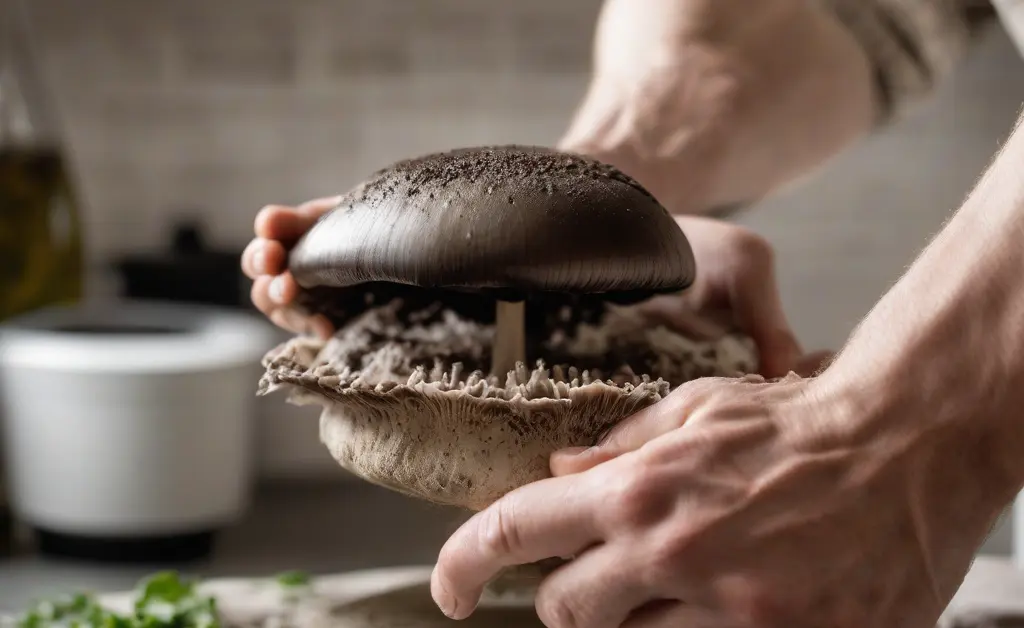
When considering how to clean portobello mushroom, various methods can be employed depending on the mushroom’s initial condition and your culinary intent. For most culinary applications, maintaining a dry surface is crucial to achieve proper browning and flavor development. This is why dry cleaning or minimally wet methods are generally favored. Beyond just wiping, you might consider the interior of the mushroom cap.
Many recipes suggest removing the gills, which are the dark, feathery structures on the underside of the cap. While the gills are edible and contain a significant amount of the mushroom’s earthy flavor, they can release a dark liquid during cooking that might discolor other ingredients in your dish, particularly if it’s a lighter sauce or stuffing. To remove them, gently scrape them out with a spoon, starting from the center and working outwards. This also creates a neat cavity, ideal for stuffing. If you’re not stuffing and don’t mind the color, leaving the gills intact is perfectly fine and often preferred for their flavor contribution. To learn more about this, you can find out can you eat the gills of a portobello mushroom.
For particularly stubborn dirt, especially around the stem, a small paring knife can be used to carefully trim away any overly soiled or woody parts. Always prioritize removing only what is necessary, aiming to preserve as much of the mushroom as possible. Learn more about can you eat the stem of a portobello mushroom.
Step-by-Step Guide to Cleaning Portobello Mushrooms
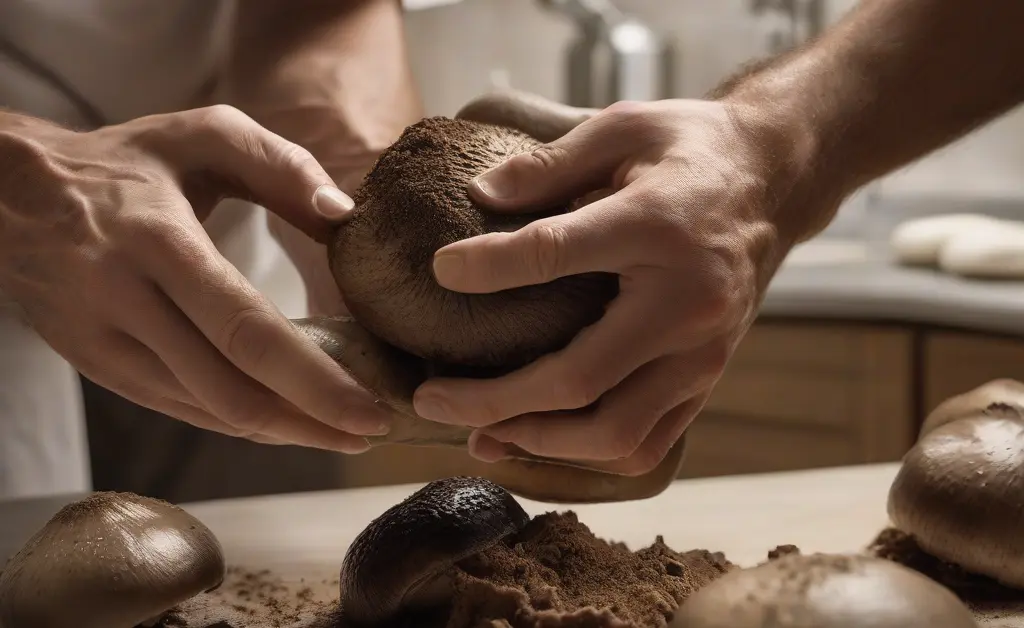
Mastering how to clean portobello mushroom is straightforward with a clear, sequential approach. This guide ensures your portobellos are ready for any culinary adventure, from grilling to stuffing, with optimal flavor and texture. To further enhance your culinary journey, consider learning how to cook portobello mushroom.
- Inspect Each Mushroom: Start by examining each portobello. Look for any visible dirt, soil, or debris on the cap, stem, and underside. Also, check for any bruised or damaged areas.
- Trim the Stem (Optional): If the stems appear woody, dry, or excessively dirty, you can trim off the very end. The stems are edible and can be chopped and added to dishes, but sometimes the very bottom might be tough or too soiled to clean effectively.
- Remove Gills (Optional): If you prefer to remove the gills to prevent discoloration or create a cavity for stuffing, gently scoop them out with a spoon. Hold the mushroom cap firmly and use the edge of a spoon to scrape the gills from the center outwards.
- Wipe Away Dirt: Dampen a clean cloth or paper towel with cool water and wring it out well so it’s only slightly damp. Gently wipe the entire surface of the mushroom cap, top, and bottom (if gills are removed), to remove any remaining dirt or particles. For more embedded dirt, a soft mushroom brush can be used dry.
- Address Stubborn Spots: For any persistent dirt, you can use the damp cloth to rub a little more firmly, or carefully use the tip of a paring knife to scrape away small, stubborn bits, being careful not to cut into the mushroom flesh.
- Pat Dry Thoroughly: Once clean, lay the portobello mushrooms on a fresh, dry paper towel or clean kitchen towel. Gently pat them completely dry on all sides. Ensure there is no visible moisture remaining, as this is crucial for achieving a good sear when cooking.
- Immediate Use or Storage: Use your cleaned portobello mushrooms immediately for best results. If you need to store them briefly, place them in a paper bag in the refrigerator for a day or two. Avoid plastic bags, which can trap moisture and cause spoilage.
By following these steps, you will ensure your portobello mushrooms are perfectly prepared, enhancing your cooking and dining experience.
Cleaning portobello mushrooms is a straightforward process that significantly impacts the quality of your finished dish. By understanding the best techniques and tools, you can ensure these versatile fungi are free from grit and perfectly primed to absorb flavors and achieve that desirable texture when cooked. Whether you choose a gentle wipe or a quick rinse followed by thorough drying, the goal remains the same: a clean, dry mushroom ready to be transformed into a delicious meal. With these methods, you can confidently prepare portobello mushrooms, making them a delightful addition to various culinary creations.
This information is provided for educational purposes only. It is not intended to be a substitute for professional advice regarding food handling, hygiene, or any health-related concerns. For general guidance on food safety, consult resources like the CDC.
FAQ
Should you wash portobello mushrooms?
Portobello mushrooms are quite porous and can absorb water, which may affect their texture and flavor. Instead of washing, gently wiping them with a damp cloth or a soft brush is recommended to remove any surface dirt. This method helps preserve their desirable firmness and rich taste for cooking.