
How to Properly Clean Portobello Mushrooms
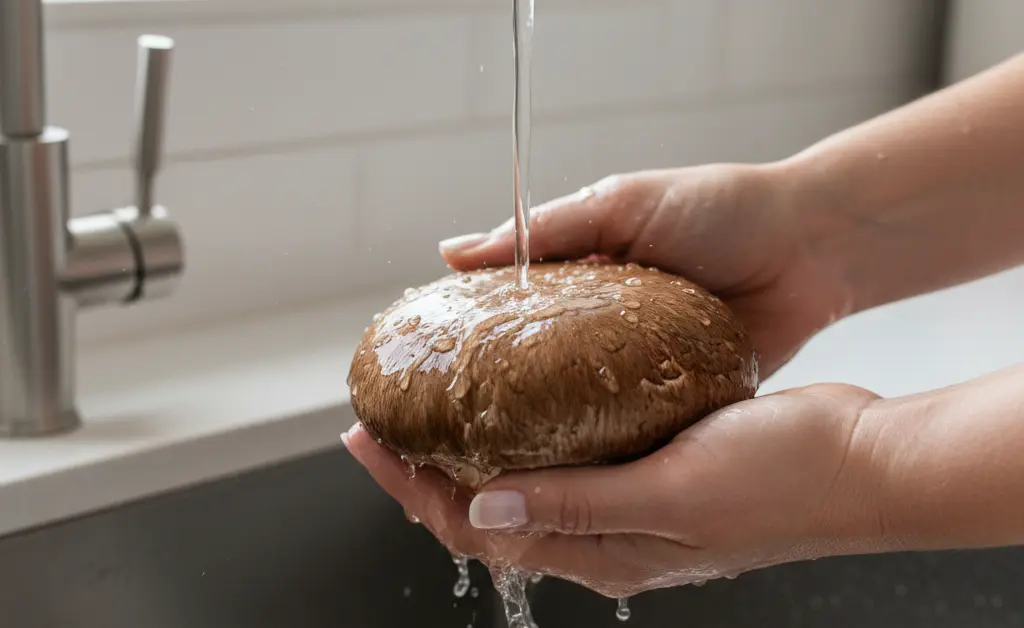
Many home cooks believe that mushrooms, especially the larger portobello variety, should never be washed directly with water because they act like sponges, absorbing too much moisture and becoming rubbery. This widespread notion often leads to meticulous, time-consuming dry brushing. However, the truth is more nuanced. While it’s wise to avoid prolonged soaking, a quick, gentle rinse under running water is perfectly acceptable and often more effective for removing dirt than dry methods alone. Understanding the best approach for how to clean portobello mushroom properly can significantly enhance your culinary results, ensuring they retain their earthy flavor and desirable texture without any grit. This guide will clarify the most effective and safe cleaning techniques, debunking common myths and preparing your ingredients for optimal cooking.
How To Clean Portobello Mushrooms
Properly cleaning portobello mushrooms is crucial for both hygiene and culinary results. Removing dirt, debris, and any lingering growing medium ensures a clean taste and pleasant texture in your dishes. Understanding how to clean portobello mushroom effectively sets the foundation for delicious meals, preventing grit from compromising your culinary efforts. Beyond basic cleaning, many chefs also consider preparing the gills, depending on the desired outcome for the recipe. For more on how to cook portobello mushroom, you can refer to this guide.
Prepare Your Cleaning Supplies
Before you begin the cleaning process, gather a few essential items. You’ll need a clean, soft cloth or paper towels, a small, soft-bristled brush (a dedicated mushroom brush is ideal, but a soft toothbrush can work), and access to a gentle stream of cool water. For larger portobellos, a small paring knife may also be useful if you plan to remove the stems or gills. Having everything within reach will streamline the cleaning process and help maintain the mushrooms’ delicate structure.
Washing Under Running Water
Contrary to popular belief, a brief wash under cool, running water is often the most effective way to clean portobello mushrooms, especially if they are particularly dirty. The key is to be quick and gentle. Hold each mushroom individually under a light stream of water, using your fingers or a soft brush to dislodge any dirt. Avoid soaking them, as this is when they can absorb excessive water and become mushy. A quick rinse, typically no more than a few seconds per mushroom, is usually sufficient to remove surface grime.
Wiping with a Damp Cloth or Paper Towel
For portobello mushrooms that are only lightly soiled, or if you prefer to minimize water exposure, wiping them with a damp cloth or paper towel is an excellent method. Lightly dampen a clean cloth or paper towel with cool water, and then gently wipe the entire surface of the mushroom, including the cap and underside. This technique effectively picks up dirt without saturating the mushroom. Replace the cloth or paper towel as it becomes dirty to avoid spreading contaminants.
Using a Mushroom Brush
A dedicated mushroom brush is designed with soft bristles that are perfect for gently sweeping away dirt and debris without damaging the delicate cap or gills. This method is particularly useful for dry-cleaning mushrooms or for reaching into the crevices of the gills. Lightly brush the cap, stem, and gills of each portobello mushroom. If stubborn dirt remains, you can follow up with a quick wipe using a slightly damp cloth. This approach is often favored by those who adhere strictly to the “no water” philosophy for mushroom cleaning.
Methods for Cleaning Portobello Mushrooms
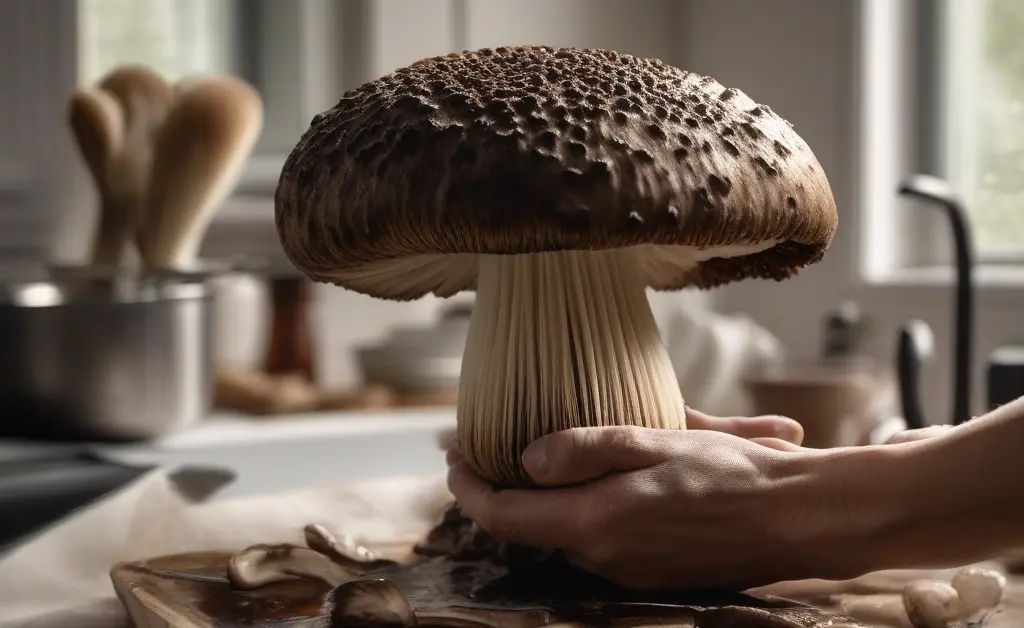
There are several effective ways to prepare these hearty fungi for cooking, each with its own advantages. Exploring various how to clean portobello mushroom methods allows you to choose the best approach for different culinary needs and the condition of the mushrooms themselves. Consider the level of dirt and your intended recipe when selecting a technique.
Gentle Cleaning Technique
The most recommended approach combines aspects of the methods mentioned previously. Start by gently brushing off loose dirt with a mushroom brush. For any remaining grime, a quick, light rinse under cool running water, followed by an immediate wipe with a damp cloth or paper towel, ensures thorough cleanliness without excessive moisture absorption. Many chefs also choose to scrape out the dark gills on the underside of the portobello cap. While it’s good to know if you can eat the gills of a portobello mushroom, removing them can prevent dark discoloration in your dish or create a cleaner cavity for stuffing. Removing them also creates a cleaner cavity for stuffing. Use a spoon to gently scrape away the gills from the center outwards, being careful not to damage the cap.
Drying Thoroughly
After cleaning, regardless of the method used, thorough drying is paramount. Excess moisture can lead to steaming instead of searing when cooked, resulting in a rubbery texture rather than a desirable browning. Place the cleaned portobello mushrooms on a clean kitchen towel or paper towels and gently pat them dry. You can also allow them to air dry for a few minutes if time permits. Ensure all surfaces, especially the cap, are as dry as possible before proceeding with your cooking.
Step-by-Step Guide to Cleaning Portobello Mushrooms
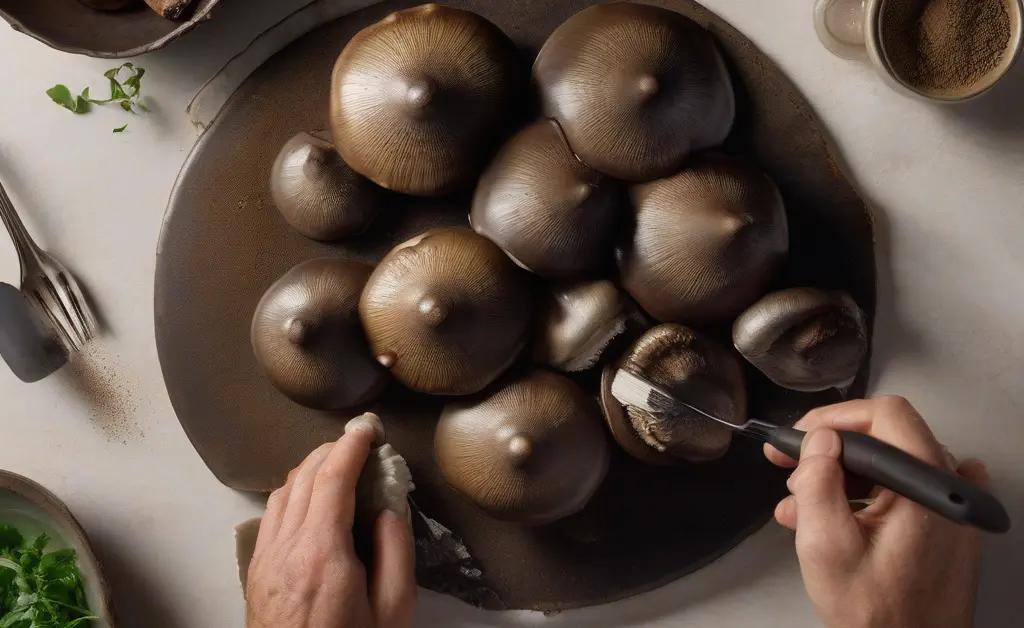
This detailed guide outlines how to clean portobello mushroom from start to finish, ensuring they are perfectly prepared for your culinary creations. Follow these steps for best results, whether you plan to grill, roast, or stuff your portobellos.
- Inspect and Trim: Begin by visually inspecting each portobello mushroom for any heavily soiled areas or damaged spots. Use a paring knife to trim off the very end of the stem, which is often dry or tough. For more information, learn if you can eat the stem of a portobello mushroom.
- Address Gills (Optional but Recommended): If you prefer to remove the gills to avoid dark discoloration in your dish or to create a cavity for stuffing, gently scrape them out with a spoon. Start from the center of the mushroom and work your way outwards, moving carefully to avoid tearing the cap.
- Brush Off Loose Dirt: Using a dry mushroom brush or a soft, clean cloth, gently brush away any loose dirt or debris from the cap and stem.
- Quick Rinse or Wipe:
- For Lightly Soiled Mushrooms: Dampen a paper towel or clean cloth and gently wipe down the entire mushroom, changing the towel as it gets dirty.
- For Heavily Soiled Mushrooms: Briefly hold the mushroom under a gentle stream of cool running water for just a few seconds. Use your fingers or the mushroom brush to quickly dislodge any stubborn dirt. Avoid prolonged soaking. Proper food handling is important for all produce, and you can find more information from the CDC.
- Thorough Drying: Immediately after rinsing or wiping, place the cleaned portobellos on a clean, dry kitchen towel or several layers of paper towels. Gently pat them completely dry. Ensure there is no visible moisture on the cap, stem, or where the gills once were.
- Final Check: Give the mushroom a final check to ensure it’s free of dirt and perfectly dry. Your portobello mushrooms are now ready for cooking.
Mastering the art of cleaning portobello mushrooms is a simple yet impactful step in preparing delicious and appealing dishes. By debunking common myths and adopting effective techniques, you can ensure these versatile fungi retain their best texture and flavor. Whether you opt for a quick rinse or a meticulous brush and wipe, the goal remains the same: a clean, dry mushroom ready to absorb the flavors of your culinary vision. With proper preparation, portobello mushrooms can truly shine as the star of your meal.
While this article discusses health-related topics, it does not provide medical guidance. The information presented is for general knowledge and informational purposes only, and does not constitute medical advice. Always consult with a qualified healthcare professional for any health concerns or before making any decisions related to your health or treatment.
FAQ
Should you wash portobello mushrooms?
Portobello mushrooms are quite absorbent, so it’s generally recommended to avoid washing them under running water. Instead, a gentle wipe with a damp cloth or a soft brush is effective for removing surface dirt. This method helps preserve their texture and flavor, preventing them from becoming waterlogged.