
Your Guide to Cooking Perfect Cremini Mushrooms
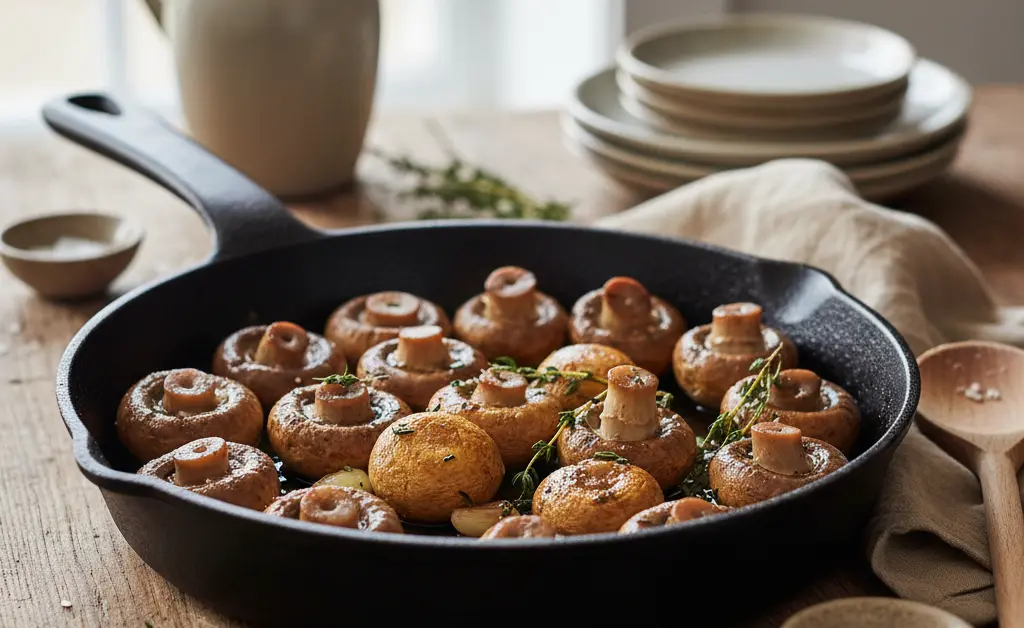
Often overlooked, cremini mushrooms possess a rich, earthy flavor and a satisfying, meaty texture that can elevate a wide array of dishes, yet many home cooks may not realize their full culinary potential. Unlocking the best characteristics of these versatile fungi depends significantly on employing the right cooking techniques. Achieving that perfect golden-brown exterior and tender interior requires more than just tossing them into a pan. This comprehensive guide will explore how to cook cremini mushrooms effectively, ensuring they are perfectly tender, flavorful, and never soggy. We’ll delve into various methods, from oven roasting to pan-sautéing, providing detailed steps and expert tips to help you achieve delicious results every time. Discover the secrets to transforming simple cremini into a culinary highlight, enhancing your meals with their unique depth and making them a staple in your kitchen.
How to cook cremini mushrooms in oven
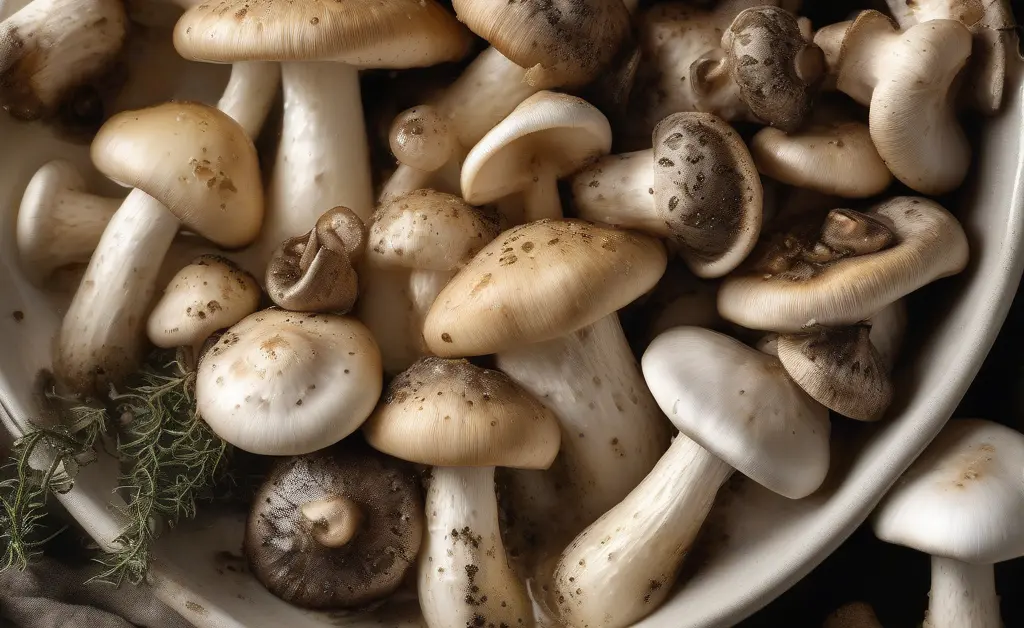
Oven roasting is an excellent method to achieve beautifully browned and tender cremini mushrooms with minimal effort. This technique allows the mushrooms to release their moisture and then caramelize, intensifying their earthy flavor without becoming waterlogged. To begin, ensure your fresh cremini mushrooms are clean; a gentle brush or damp cloth is usually sufficient for cleaning, avoiding excessive washing that can lead to absorption of water. Halve or quarter larger mushrooms to promote even cooking. Toss them lightly with a fat of your choice, such as olive oil, and season with salt and pepper.
How long to cook cremini mushrooms
The time it takes to cook cremini mushrooms in the oven can vary based on their size and your desired level of tenderness and browning. Generally, they should be roasted until they are deeply golden brown and their edges begin to crisp, indicating that their internal moisture has evaporated, concentrating their flavor. This process transforms their texture from spongy to delightfully meaty and succulent. Regularly checking their progress and stirring them midway through cooking can help achieve uniform results.
Do cremini mushrooms need to be cooked?
While some mushrooms can be consumed raw in small quantities, cremini mushrooms generally benefit significantly from cooking. Cooking not only improves their flavor and texture, making them more palatable and tender, but it also helps to break down certain compounds, potentially aiding digestibility. When cooked, their distinct umami notes become more pronounced, and their texture transforms from slightly rubbery to a satisfyingly meaty consistency, which is why learning how to cook cremini mushrooms properly is so rewarding. Learn more about can you eat cremini mushrooms raw.
What is the best method of cooking mushrooms?
The “best” method of cooking mushrooms often depends on the desired outcome and the dish they will accompany. For cremini mushrooms, roasting is highly effective for achieving a rich, concentrated flavor and a tender yet firm texture, making them ideal for side dishes or additions to main courses. Sautéing, another popular method, excels at creating a quick, flavorful sear, perfect for incorporating into stir-fries, omelets, or pasta. Both methods prioritize allowing the mushrooms to brown effectively, which is key to developing their deep, savory taste.
Sautéed cremini mushrooms
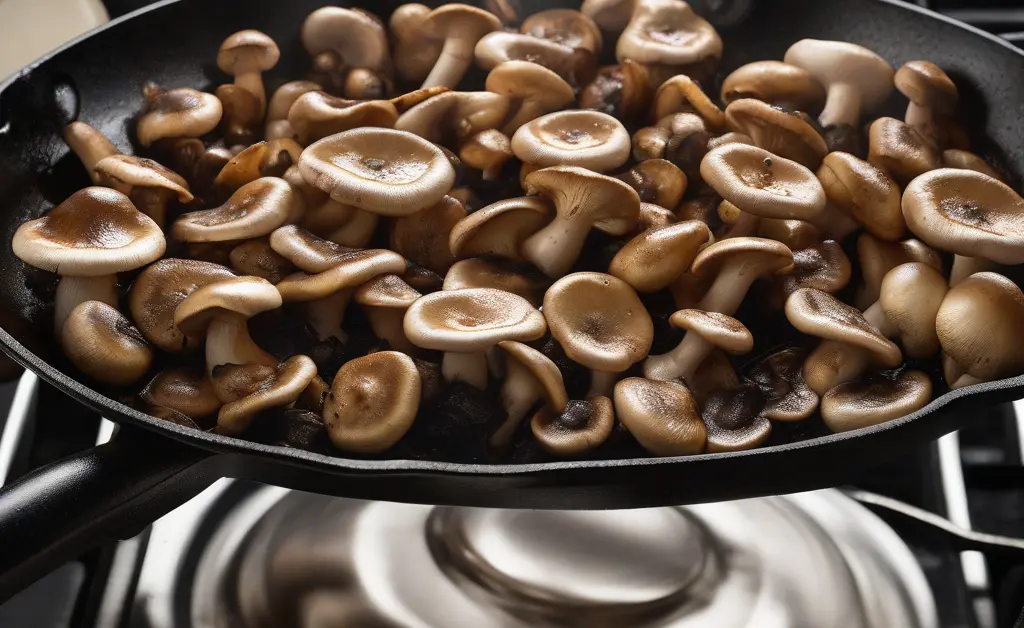
Sautéing is a classic and rapid way to transform cremini mushrooms into a flavorful dish, characterized by a beautiful golden-brown exterior and a tender, juicy interior. This method is particularly effective for developing their rich, umami notes. Mastering how to cook cremini mushrooms by sautéing involves a few key steps that prevent them from steaming and ensure they develop that desirable seared crust.
Ingredients for Sautéed Cremini Mushrooms
To prepare delectable sautéed cremini mushrooms, you’ll need a few essential ingredients. Start with fresh cremini mushrooms, ensuring they are free of excess dirt. For the cooking medium, a good quality fat is crucial; butter, olive oil, or a blend of both work wonderfully to impart flavor and aid browning. Aromatics like minced garlic or finely chopped shallots add depth, while basic seasonings such as salt and pepper are fundamental. Optional additions include fresh or dried herbs for an extra layer of flavor.
Step-by-Step Sautéing Instructions
Preparing the Mushrooms
Begin by cleaning your cremini mushrooms. Avoid soaking them, as they tend to absorb water like sponges, which can lead to soggy results. Instead, gently wipe them with a damp cloth or use a soft brush to remove any dirt. Trim off the very ends of the stems if they appear dry. Depending on their size, you can leave small mushrooms whole, halve larger ones, or quarter them for more uniform cooking. Slicing them can also work, but keep the slices relatively thick. You may be interested in can you eat cremini mushroom stems.
Heating the Pan and Fat
Select a wide, heavy-bottomed pan, such as a cast-iron skillet, which retains heat well. Place the pan over medium-high heat. Once hot, add your chosen fat—butter, olive oil, or a combination. Allow the fat to heat until it shimmers (for oil) or the butter foams and subsides, indicating it’s ready for the mushrooms. Ensuring the pan and fat are sufficiently hot is critical for achieving a good sear rather than steaming the mushrooms.
Sautéing the Mushrooms
Add the prepared cremini mushrooms to the hot pan in a single layer, making sure not to overcrowd the pan. If necessary, work in batches. Let the mushrooms cook undisturbed for a few minutes until they begin to release their moisture and develop a golden-brown crust on one side. Then, toss or stir them and continue cooking, allowing them to brown evenly on all sides. This initial browning phase is crucial for flavor development.
Adding Aromatics and Seasonings
Once the mushrooms are mostly browned and have reduced in size, add your aromatics, such as minced garlic or chopped shallots. Sauté for another minute or two until fragrant, being careful not to burn the garlic. Season generously with salt and freshly ground black pepper. At this stage, you can also incorporate fresh herbs if desired, tossing them through for the final moments of cooking.
Tips for Perfect Sautéed Mushrooms
Don’t Overcrowd the Pan
One of the most common mistakes when sautéing mushrooms is overcrowding the pan. When too many mushrooms are added at once, they release moisture, which lowers the pan’s temperature and causes them to steam instead of sear. This results in soft, gray, and watery mushrooms instead of beautifully browned ones. Cook in batches if necessary, ensuring there’s enough space for the moisture to evaporate.
Achieving a Golden Brown Sear
The goal of sautéing cremini mushrooms is to achieve a deep golden-brown color on their surfaces. This browning, known as the Maillard reaction, is what creates their complex, savory, and nutty flavors. Be patient and resist the urge to stir constantly; allowing the mushrooms to sit undisturbed on the hot pan for a few minutes at a time is key to developing that desirable sear.
Cooking Time Considerations
The total cooking time for sautéed cremini mushrooms can vary based on their size and how hot your pan is. Generally, it takes a short time to achieve optimal browning and tenderness. Keep an eye on them, stirring occasionally, until they reach your preferred texture and color. Overcooking can make them rubbery, while undercooking might leave them too watery.
The Importance of High Heat (for searing)
High heat is essential for sautéing mushrooms effectively. A hot pan ensures that the mushrooms immediately begin to sear and caramelize on the outside, creating that desirable crust, while also quickly evaporating their moisture. If the heat is too low, the mushrooms will simply release all their water and stew in their own juices, leading to a bland flavor and an unappealing texture.
Variations and Serving Suggestions
Adding Herbs
Elevate the flavor of your sautéed cremini mushrooms by incorporating fresh herbs. Thyme, rosemary, parsley, and chives are excellent choices that complement their earthy notes beautifully. Add tougher herbs like rosemary and thyme a few minutes before the end of cooking, and stir in more delicate herbs like parsley or chives just before serving to preserve their freshness and aroma.
Incorporating Other Vegetables
Sautéed cremini mushrooms can be wonderfully paired with other vegetables. Consider adding finely sliced onions, shallots, or bell peppers to the pan a few minutes before the mushrooms, allowing them to soften slightly. Spinach or kale can be added towards the very end, wilting quickly in the pan’s residual heat and the mushrooms’ moisture.
Serving as a Side Dish
Simple sautéed cremini mushrooms make a fantastic side dish for a wide variety of meals. They pair exceptionally well with roasted meats, poultry, and fish. Their savory depth also complements vegetarian dishes, offering a robust flavor element without overwhelming the main components.
Using in Other Recipes (e.g., pasta, omelets)
The versatility of sautéed cremini mushrooms extends far beyond a simple side. Stir them into pasta dishes for an added layer of umami, fold them into fluffy omelets or scrambled eggs for a hearty breakfast, or use them as a topping for pizzas and bruschetta. They can also be incorporated into risottos, stews, or even as a filling for savory tarts.
Mastering the art of cooking cremini mushrooms, whether through oven roasting or sautéing, opens up a world of culinary possibilities. Their robust flavor and satisfying texture make them a versatile ingredient capable of enhancing countless dishes. By following these techniques and tips, you can consistently achieve perfectly cooked cremini mushrooms that are tender, richly flavored, and never soggy. Embrace these earthy delights in your kitchen, and you’ll discover how they can elevate everyday meals into something truly special.
For more information on mushroom safety and regulations, consult the FDA.
The content provided in this article is intended for informational learning, not clinical application. This information is for general knowledge and educational purposes only, and does not constitute medical advice. Please consult with a qualified professional for any health concerns or before making any decisions related to your health or well-being. Reliance on any information provided in this article is solely at your own risk.
FAQ
How do you clean cremini mushrooms before cooking?
Cremini mushrooms are best cleaned by gently wiping them with a damp cloth or a soft brush to remove any surface dirt. If they are particularly dirty, a quick rinse under cool water followed by immediate patting dry is also effective. This gentle approach prevents them from absorbing too much moisture, which can impact their texture when cooked.
What is the best way to sauté mushrooms?
Sautéing mushrooms effectively involves heating your pan first before adding them, along with a fat like oil or butter. This ensures they brown nicely rather than steam, developing a rich, savory flavor. Avoid overcrowding the pan, as this also leads to steaming and prevents proper caramelization.
How long should you cook cremini mushrooms?
The cooking time for cremini mushrooms varies depending on the method and desired texture, but typically they are cooked until tender and golden brown. For sautéing, this often takes about 5-10 minutes. You are looking for them to release their moisture and then begin to brown.
Can you cook cremini mushrooms without oil?
Yes, you can cook cremini mushrooms without oil by utilizing dry-heat methods like roasting or broiling, which can enhance their natural flavors. Alternatively, you can achieve a similar effect by sautéing them in a small amount of water or broth, allowing them to release their liquid and then cook in their own juices. This method still promotes some browning and develops depth of flavor.