
Ready to Make Your Own Mushroom Gummies?
Many health-conscious individuals are turning to functional mushrooms for their numerous wellness benefits, from supporting immunity to enhancing focus. However, sourcing high-quality, effective mushroom gummies can often be a challenge, with store-bought varieties sometimes being costly, difficult to find, or not quite meeting personal dietary preferences. This can leave enthusiasts wondering if there’s a better way to incorporate these beneficial fungi into their daily routine. What if you could take control of the ingredients, potency, and flavor, creating a customized product that perfectly aligns with your needs? This comprehensive guide will walk you through precisely how to make mushroom gummies right in your own kitchen, ensuring a fresh, potent, and personalized approach to your wellness regimen.
How to Make Mushroom Gummies at Home
Learning how to make mushroom gummies at home offers a rewarding experience, allowing for complete control over the ingredients and the customization of flavor profiles. The process involves several key stages, from gathering your materials to the final setting and coating of your treats. This hands-on approach ensures freshness and allows you to tailor the potency and type of mushroom to your specific wellness goals, providing a convenient and enjoyable way to consume beneficial fungi.
Gathering Ingredients and Equipment
Before beginning the process of crafting your mushroom gummies, it’s essential to have all necessary ingredients and equipment readily available. Key ingredients typically include your chosen mushroom extract, a gelling agent such as gelatin or agar-agar, a liquid base (like water or juice), a natural sweetener, and flavorings. For equipment, you’ll need a saucepan, whisk, measuring cups and spoons, gummy molds (silicone molds are highly recommended for easy release), and a dropper or small pitcher for filling the molds accurately.
Preparing Mushroom Extracts
The foundation of effective mushroom gummies lies in high-quality mushroom extracts. These extracts, often available in powder or liquid form, concentrate the beneficial compounds of the mushrooms. When using a powdered extract, ensure it is finely milled to dissolve smoothly into your gummy mixture. If using a liquid extract, consider its concentration and adjust the amount accordingly to achieve your desired potency. Always integrate the extract into the liquid base once it has cooled slightly to avoid degrading heat-sensitive compounds.
Mixing the Gummy Base
Creating the gummy base is a critical step. For gelatin-based gummies, you’ll typically “bloom” the gelatin first by sprinkling it over a small amount of cold liquid and letting it sit for a few minutes until it thickens. Then, gently heat the remaining liquid base in a saucepan, adding the bloomed gelatin and stirring continuously until it completely dissolves. For vegan alternatives using agar-agar, the powder is usually whisked into the cold liquid and then brought to a boil for a few minutes to activate its gelling properties. Ensuring a smooth, lump-free base is vital for a consistent gummy texture.
Adding Flavor and Sweetener
This stage allows for creative expression and ensures your mushroom gummies are not only beneficial but also delicious. Natural sweeteners such as honey, maple syrup, stevia, or erythritol can be added to taste. For flavor, natural fruit juices, fruit purées, or culinary flavor extracts like vanilla, citrus, or berry work wonderfully. It’s often best to add sweeteners and flavors after removing the gummy base from direct heat, allowing for better control over the final taste profile and preventing the degradation of delicate flavors.
Pouring and Setting the Gummies
Once your flavored and sweetened gummy mixture is ready, it’s time to pour it into your molds. Work relatively quickly, as the mixture will begin to set as it cools. Use a dropper, a small pourable measuring cup, or a funnel to carefully fill each cavity of your silicone molds, avoiding overfilling. After pouring, transfer the molds to a refrigerator. The setting time can vary, but typically, gummies will be firm enough to handle within a few hours. Ensure they are fully set before attempting to remove them.
Cutting and Coating
For those using larger molds or sheet molds, once the gummy mixture is completely set, you can carefully turn it out onto a clean surface and cut it into desired shapes or sizes using a knife or cookie cutters. If using individual silicone molds, simply pop the set gummies out. To prevent sticking and add a pleasant texture, many homemade mushroom gummies benefit from a light coating. This can be a dusting of a finely powdered natural sweetener like erythritol or a mixture of citric acid and sugar for a sour kick. Ensure the gummies are fully dry on the surface before coating to prevent clumping.
Understanding Mushroom Gummy Ingredients
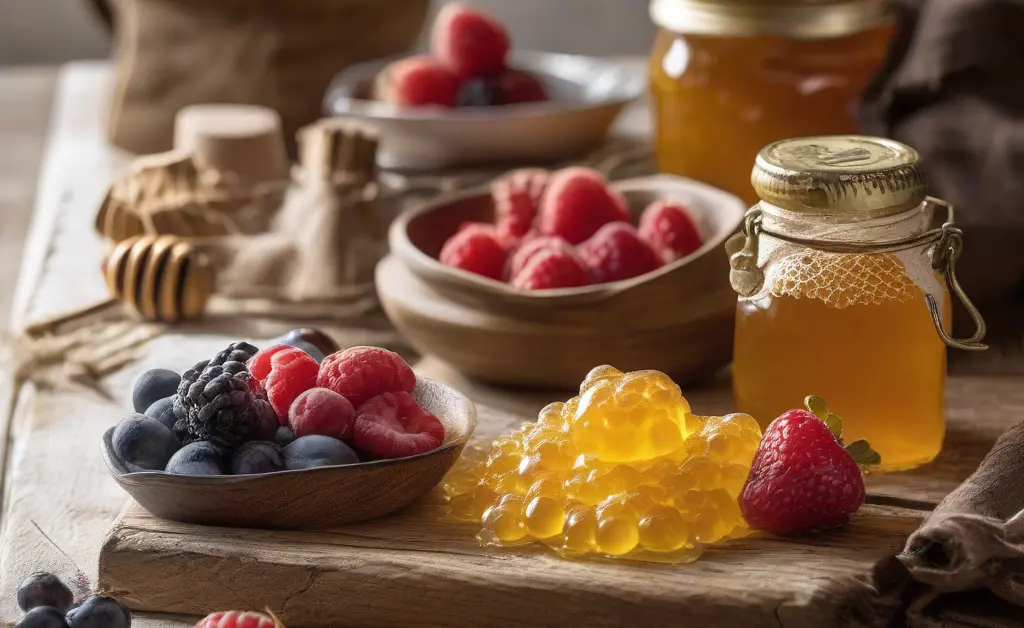
When considering how to make mushroom gummies, a thorough understanding of their components is crucial for both taste and efficacy. The primary ingredient, mushroom extract, delivers the intended health benefits, while the gelling agent provides structure. Sweeteners and flavorings enhance palatability, making these functional foods an enjoyable part of a daily routine. Carefully selecting each ingredient contributes to the overall quality and success of your homemade creation.
The choice of gelling agent is fundamental. Gelatin, derived from animal collagen, provides a classic chewy texture and is commonly used. For those seeking plant-based alternatives, agar-agar, derived from seaweed, is an excellent choice, creating a firmer, more brittle gummy. Pectin, another plant-based option, also works well, often yielding a texture similar to fruit jellies. The liquid base can be as simple as water, or you can opt for fruit juices like apple, grape, or cranberry to add natural sweetness and flavor, complementing the earthy notes of the mushrooms. Natural sweeteners such as honey, maple syrup, or sugar alcohols like erythritol allow for control over the sugar content, catering to various dietary preferences. Essential flavor enhancers might include fruit purees, citrus zests, or natural extracts to mask or complement the mushroom taste, ensuring a delightful sensory experience.
Choosing the Right Mushrooms for Gummies
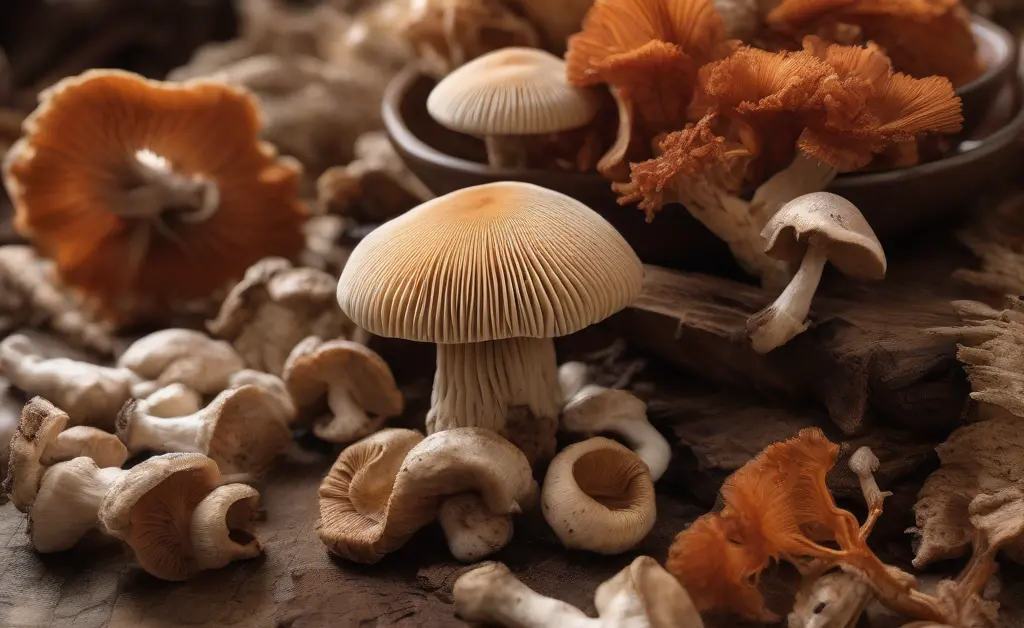
An important step when deciding how to make mushroom gummies is selecting the appropriate fungi, as different mushrooms offer unique benefits. The choice of mushroom extract will directly influence the functional properties of your gummies. It is vital to use high-quality, reputable extracts to ensure potency and purity. Some popular choices include Lion’s Mane for cognitive support, Reishi for relaxation and immune modulation, Cordyceps for energy and endurance, and Chaga for antioxidant properties. Each mushroom brings its distinct profile to the final product, allowing for targeted wellness support.
Lion’s Mane (Hericium erinaceus) is traditionally valued for its potential to support cognitive function, including focus and memory. Reishi (Ganoderma lucidum), often referred to as the “mushroom of immortality,” is studied for its adaptogenic properties, which may help the body manage stress and support immune health. Cordyceps (Cordyceps sinensis or militaris) is frequently associated with energy, stamina, and athletic performance, traditionally used to support respiratory health. Chaga (Inonotus obliquus) is renowned for its high antioxidant content, traditionally used to support overall vitality. Other potential mushrooms that could be incorporated include Turkey Tail for immune support or Shiitake for its nutritional profile. When selecting, consider your personal wellness goals and the specific properties of each mushroom to craft the most beneficial gummy formulation.
Tips for Making Potent Mushroom Gummies
To ensure your efforts in how to make mushroom gummies yield effective results, focusing on potency is key. Several factors contribute to the strength and efficacy of your homemade gummies, from the quality of the extract to the methods used during preparation. Employing specific techniques can help preserve the beneficial compounds and deliver the intended wellness advantages.
One crucial aspect is using high-quality, concentrated mushroom extracts. The efficacy of your gummies largely depends on the potency of the extract you choose. Look for extracts that specify a high concentration of active compounds, often indicated by a dual-extraction method for maximizing bioavailability. Additionally, paying close attention to temperature control during the cooking process is vital. Excessive heat can degrade some of the delicate, beneficial compounds in mushroom extracts. Incorporate the mushroom extract when the gummy base has cooled slightly from its highest temperature but is still liquid enough to mix thoroughly. Proper dispersion of the extract throughout the gummy mixture is also essential for consistent potency across all your gummies. Mixing thoroughly and consistently will help ensure that each gummy contains a uniform amount of the mushroom’s beneficial compounds, providing a reliable and effective product. Finally, ensure proper storage, as exposure to light, air, and heat can diminish the potency of the active ingredients over time.
Storing Your Mushroom Gummies Safely
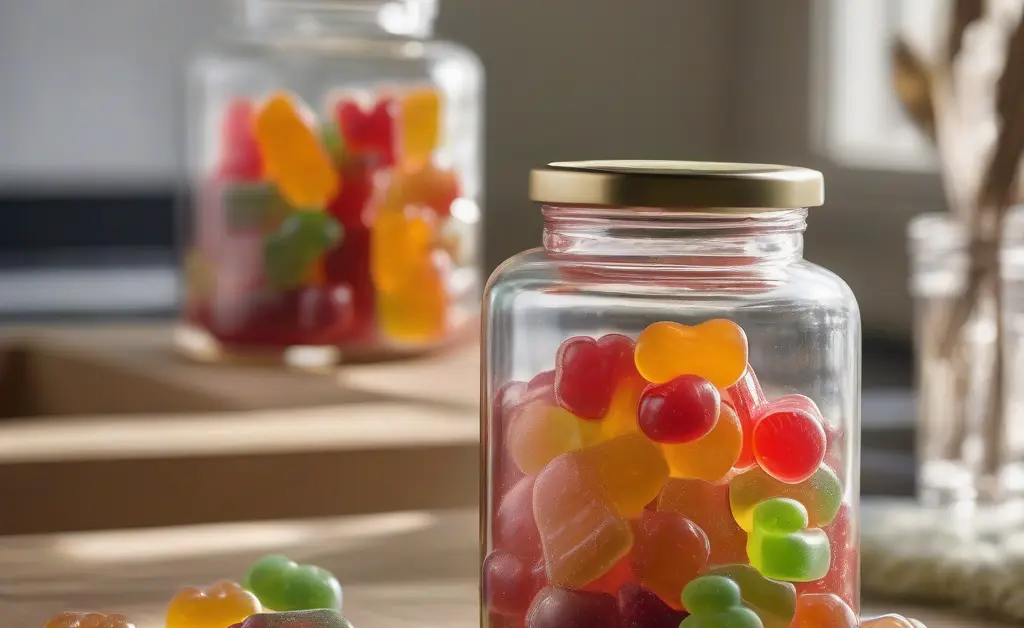
Proper storage is essential to maintain the freshness, potency, and safety of your homemade mushroom gummies. Due to their natural ingredients and lack of artificial preservatives, they are more susceptible to spoilage than commercially prepared products. Adhering to good storage practices will ensure your gummies remain enjoyable and effective for a reasonable period.
Refrigeration is typically recommended for homemade mushroom gummies. Storing them in an airtight container in the refrigerator helps prevent moisture loss, inhibits bacterial growth, and preserves the integrity of the mushroom extracts. Exposure to air, light, and fluctuating temperatures can degrade the active compounds in the mushrooms and alter the texture of the gummies. Using airtight containers, such as glass jars with tight-fitting lids or sealed plastic containers, is crucial to protect them from environmental factors. The shelf life of homemade mushroom gummies can vary, but generally, they remain fresh for several weeks when stored correctly in the refrigerator. Always inspect your gummies for any signs of spoilage, such as mold, off-smells, or changes in texture, before consuming them.
Making your own mushroom gummies can be a fulfilling and practical way to integrate the benefits of functional mushrooms into your daily wellness routine. By carefully selecting ingredients, following precise preparation steps, and ensuring proper storage, you can create a personalized and potent supplement. This method not only offers control over the quality and components of your gummies but also allows for an enjoyable and customized experience, perfectly tailored to your health goals and taste preferences.
This article is meant for general informational use and awareness. It is not intended to provide medical advice, diagnosis, or treatment. Always consult with a qualified healthcare professional before making any decisions about your health or starting any new wellness regimen. The information presented here should not be used as a substitute for professional medical guidance. Individual results with dietary supplements and wellness practices may vary.
FAQ
What is the best way to make mushroom extract for gummies?
Creating a mushroom extract for gummies typically involves a dual extraction process, utilizing both water and alcohol. This method aims to capture a wider range of beneficial compounds from the mushroom, ensuring a more complete profile in the final product. The resulting concentrated liquid can then be incorporated into gummy formulations.
Can you put raw mushrooms in gummies?
Incorporating raw mushrooms directly into gummies is generally not recommended due to their tough cellular structure, which is primarily composed of chitin. This indigestible material can make raw mushrooms difficult for the body to process and absorb nutrients from. Extraction methods are preferred to break down these structures and make the desired compounds more bioavailable.