
Mushroom Extraction: A Guide to Juices and Tinctures
“`html
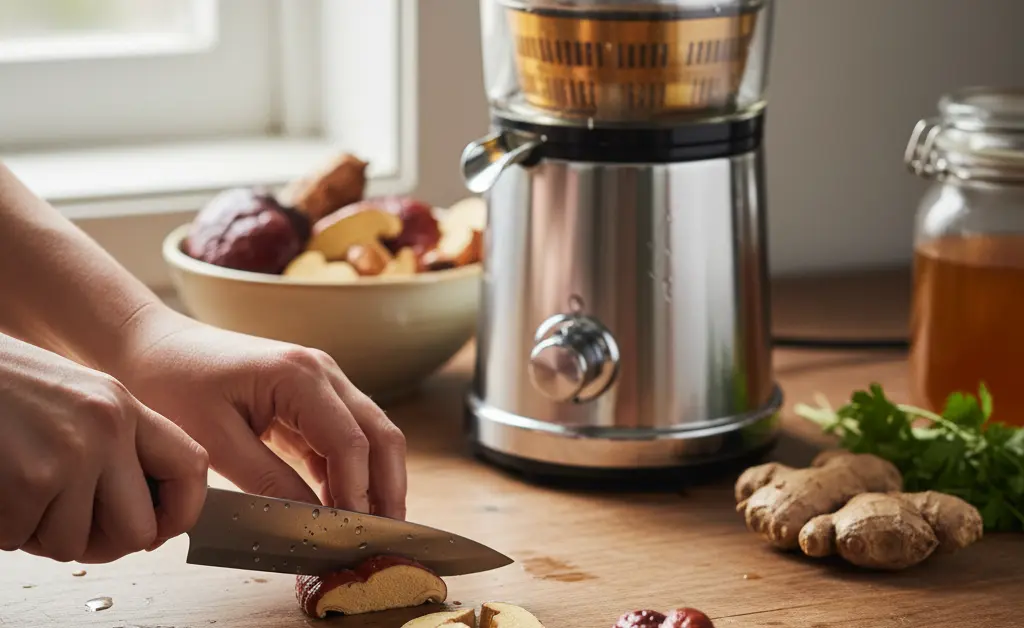
Mushroom juice, often referred to as mushroom extract or essence, is a highly concentrated liquid derived from fungi, capturing their distinct umami flavors and beneficial compounds. This versatile liquid can elevate culinary creations, providing depth to sauces, soups, and risottos, or serve as a foundational ingredient in wellness beverages. Beyond its gastronomic appeal, the process of extracting mushroom goodness allows for a focused delivery of nutrients. Understanding the techniques behind these preparations is key to harnessing their full potential. This guide will explore the art and science of extracting liquid essence from mushrooms, detailing not only how to make mushroom juice but also delving into the creation of potent tinctures for various applications.
How to Make Mushroom Juice
Learning how to make mushroom juice involves a process of slow extraction and concentration, designed to draw out the deep, savory flavors and beneficial compounds from the fungi. This culinary technique is widely used to create a versatile ingredient, often referred to as mushroom jus or stock, which can serve as a flavor base for numerous dishes. The quality of your final product will largely depend on the care taken at each stage, from ingredient selection to the final reduction.
Choosing the Right Mushrooms
The foundation of an excellent mushroom juice begins with selecting the appropriate fungi. Varieties rich in umami, such as cremini, shiitake, porcini, and even dried mushrooms like morels, are ideal. Porcini mushrooms, whether fresh or dried, are particularly prized for their intense flavor. If you’re interested in a specific dish, a rich porcini mushroom girasoli highlights their exquisite taste. Fresh mushrooms should be firm and free from blemishes, while dried mushrooms offer a concentrated flavor that can deepen the complexity of the juice. A mix of different types can also provide a more layered and robust profile. For those looking for specific culinary uses, exploring oyster mushroom recipes can provide diverse cooking ideas.
Sautéing the Mushrooms
Before any liquid is added, the mushrooms should be properly sautéed. This crucial step is not just about cooking them; it’s about developing a deep, caramelized flavor known as the Maillard reaction. By cooking the mushrooms over medium-high heat with a small amount of oil until they release their moisture and begin to brown, you unlock profound savory notes. Avoid overcrowding the pan, as this can steam the mushrooms instead of browning them, leading to a less flavorful end product.
Adding Aromatics and Deglazing
Once the mushrooms have achieved a golden-brown hue, it’s time to introduce aromatics. Common choices include finely diced onions, garlic, and shallots, which contribute sweet, pungent, and savory notes that complement the mushrooms. These should be sautéed until fragrant and softened. Following this, the pan should be deglazed with a suitable liquid, such as a splash of stock, wine, or even water. This step helps to lift any browned bits (fond) from the bottom of the pan, incorporating these concentrated flavors back into the mixture.
Simmering and Reducing
After deglazing and incorporating the aromatics, a larger volume of liquid is added, typically water or vegetable stock, to cover the mushroom mixture. For an even richer base, consider preparing a dedicated porcini mushroom broth as your liquid. The pot is then brought to a gentle simmer. This slow, steady heat is essential for extracting the full range of flavors and beneficial compounds from the mushrooms. The mixture should simmer uncovered for an extended period, allowing the liquid to gradually reduce. This reduction process concentrates the flavors, creating a more intense and viscous mushroom juice.
Straining and Finishing
Once the liquid has reduced to your desired intensity and consistency, the next step is straining. The solids are typically separated from the liquid using a fine-mesh sieve, often lined with cheesecloth for an exceptionally clear juice. Pressing gently on the solids can extract any remaining liquid, but avoid pressing too hard, as this might push undesirable sediment through. The resulting liquid is your concentrated mushroom juice, ready for further seasoning or immediate use.
Achieving a Deep Flavor
To ensure your mushroom juice has a truly profound and complex flavor, consider a few techniques. Using a blend of fresh and dried mushrooms can provide layered umami. Roasting mushrooms before sautéing can also deepen their flavor significantly. Allowing for a long, slow simmer is paramount, as rushing the reduction can lead to a less developed taste. Additionally, incorporating umami-rich ingredients like a dash of soy sauce or a piece of kombu during the simmering phase can further enhance the depth of flavor.
Ensuring a Smooth Consistency
A smooth consistency is often desired for mushroom juice, especially when used in refined culinary applications. To achieve this, a thorough straining process is critical. After passing the liquid through a fine-mesh sieve, you might consider a second straining through a super bag or multiple layers of cheesecloth to remove even the finest sediment. If a slightly thicker consistency is preferred without adding thickeners, simply continue to reduce the liquid until it reaches your desired viscosity, ensuring it remains flavorful rather than becoming overly salty or concentrated.
Mushroom Essence Recipe
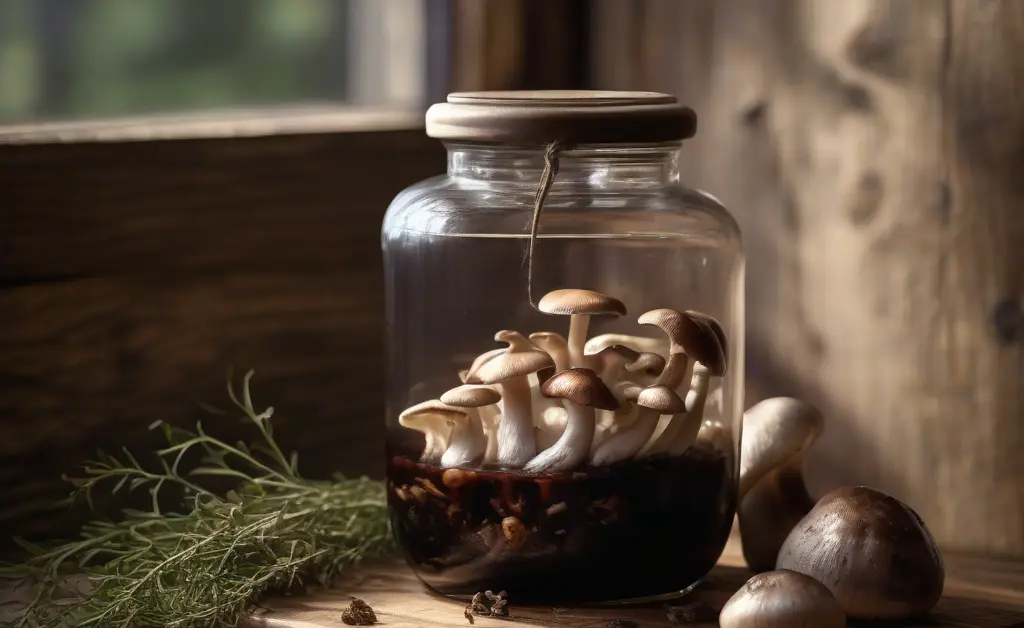
Crafting a mushroom essence, similar to understanding how to make mushroom juice, focuses on creating an intensely flavored liquid concentrate. This recipe provides a framework for developing a rich, savory essence that can elevate sauces, risottos, and stocks. For a delightful main course, an oyster mushroom pasta recipe can showcase the versatility of fungi in cooking. The key lies in balancing the deep mushroom flavors with complementary aromatics and seasonings, all simmered together to create a potent extract.
Aromatics (Onions, Garlic, Shallots)
Aromatics are integral to building the flavor profile of mushroom essence. Onions provide a sweet base, garlic adds pungent depth, and shallots offer a milder, more refined onion flavor. Typically, these are finely diced and gently sautéed in a little oil before the mushrooms are added, allowing their natural sugars to caramelize slightly. This initial step establishes a fragrant foundation that will permeate the entire essence.
Liquid Base (Stock, Wine, Water)
The choice of liquid base significantly impacts the final essence. Water offers a clean canvas, allowing the pure mushroom flavor to shine through. Vegetable stock can add complexity and body, while a dry white wine can introduce acidity and brightness, deglazing the pan and adding another layer of flavor. Some recipes might even call for a combination, using wine for deglazing and then water or stock for the main simmering phase.
Seasonings (Herbs, Spices, Salt, Pepper)
Seasonings play a vital role in enhancing and balancing the mushroom essence. Fresh or dried herbs such as thyme, bay leaf, or rosemary can infuse earthy, aromatic notes. A touch of black peppercorns adds a subtle warmth. Salt is crucial for bringing out all the flavors, but should be added judiciously, especially if using a pre-seasoned stock. It’s often best to season lightly during cooking and adjust to taste at the very end, once the essence has reduced.
Storage and Shelf Life
Proper storage is essential to maintain the quality and extend the shelf life of your mushroom essence. Once cooled, it should be transferred to airtight containers and refrigerated. Typically, fresh mushroom essence can be stored in the refrigerator for several days. For longer preservation, it can be frozen in ice cube trays or other freezer-safe containers for several months. Thawing frozen essence in the refrigerator before use helps maintain its integrity.
How to Make a Mushroom Tincture
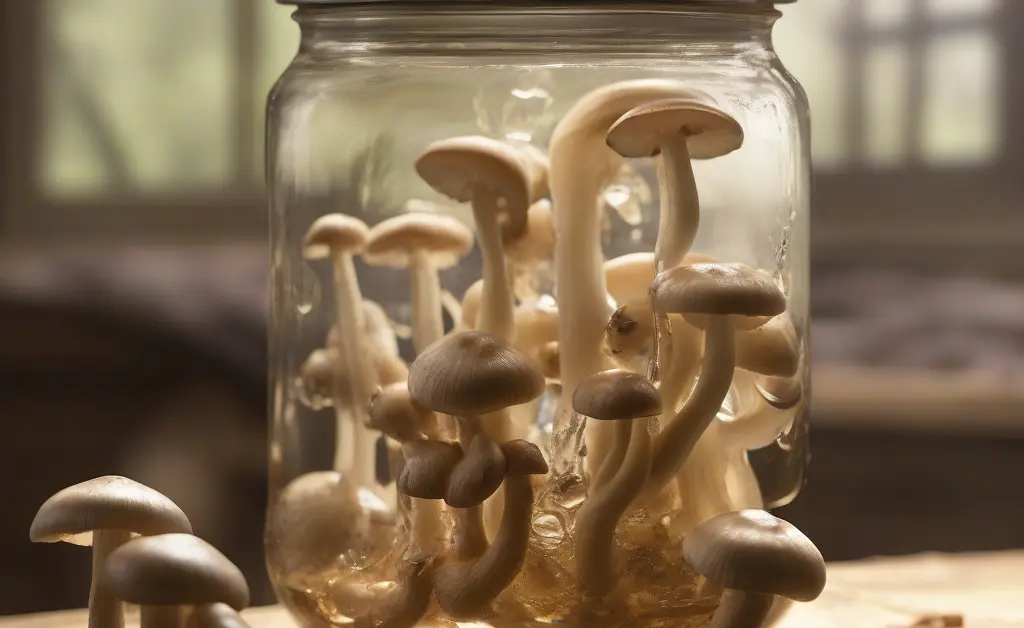
Unlike learning how to make mushroom juice, which typically involves water-based extraction for culinary purposes, creating a mushroom tincture focuses on extracting beneficial compounds using alcohol or glycerin. Tinctures are highly concentrated liquid extracts designed for their potential wellness properties rather than purely for flavor. Organizations like the WHO provide global health guidance and information on various wellness practices. The process involves soaking mushrooms in a solvent for an extended period, allowing the active constituents to dissolve into the liquid.
The first step in preparing a mushroom tincture is selecting the appropriate mushrooms. Often, specific varieties known for their adaptogenic or immune-supporting properties, such as reishi, chaga, or lion’s mane, are chosen. The mushrooms are typically dried and sometimes powdered to increase the surface area for extraction. The solvent, usually a food-grade alcohol (like vodka) or vegetable glycerin, is then added to cover the mushroom material completely in a sealed jar.
The mixture is allowed to steep in a cool, dark place for several weeks, often with daily shaking to ensure thorough extraction. This prolonged soaking period allows the alcohol or glycerin to draw out both water-soluble and alcohol-soluble compounds from the fungi. After the steeping period, the liquid is strained from the solids, typically through cheesecloth or a fine-mesh filter. The resulting liquid is the mushroom tincture, a concentrated extract that captures the essence of the mushrooms’ beneficial properties.
Tinctures are known for their long shelf life due to the preserving properties of alcohol. They are typically stored in dark glass bottles away from direct sunlight. It is important to note that the preparation and potential uses of mushroom tinctures are often associated with traditional practices and should be approached with an understanding of their historical context. Different mushrooms may require specific extraction methods, sometimes involving dual extraction (water and alcohol) to capture a broader spectrum of compounds.
Whether you are creating a flavorful mushroom juice for culinary use or a potent mushroom tincture for wellness applications, the art of extraction offers a rewarding way to harness the unique properties of fungi. Each method, with its specific techniques and considerations, opens up a world of possibilities for incorporating mushrooms into your daily life, adding depth to dishes or exploring their traditional uses. Understanding the nuances of preparation ensures that you can unlock the full potential of these versatile natural ingredients.
This content is for informational use and should not be considered medical instruction. It is not intended to diagnose, treat, cure, or prevent any disease. Always consult with a qualified healthcare professional before making any decisions about your health or starting any new wellness regimen. Individual results may vary, and the information provided does not guarantee specific outcomes.
“`
FAQ
What is the difference between mushroom stock and mushroom jus?
Mushroom stock is typically made by simmering mushrooms with vegetables and aromatics, resulting in a flavorful liquid base for soups and sauces. Mushroom jus, on the other hand, is a more concentrated reduction of mushroom stock or a liquid enriched with mushroom extracts, often finished with butter or other enriching ingredients for a richer sauce. The primary distinction lies in their consistency and intended use, with jus being a more refined and intense flavoring agent.
Can I use dried mushrooms to make mushroom jus?
Yes, dried mushrooms can be used to make mushroom jus, and they often impart a deeper, more concentrated flavor than fresh mushrooms. Rehydrating dried mushrooms first is usually recommended, and the soaking liquid can also be incorporated into the jus for added depth. This method allows you to capture the intense umami characteristics of mushrooms year-round.
How long does homemade mushroom jus last?
Homemade mushroom jus can typically be stored in an airtight container in the refrigerator for about 3 to 5 days. For longer storage, freezing is an excellent option, and it can remain viable for several months. Proper cooling and storage practices are key to maintaining its quality and safety.
What are the best mushrooms to use for jus?
Shiitake, porcini, cremini, and reishi mushrooms are often favored for their robust, earthy flavors that contribute significantly to the depth of mushroom jus. A blend of different mushroom varieties can also create a more complex and nuanced taste profile. The key is selecting mushrooms with strong umami notes suitable for reduction.