
Homemade Mushroom Powder: A Step-by-Step Guide
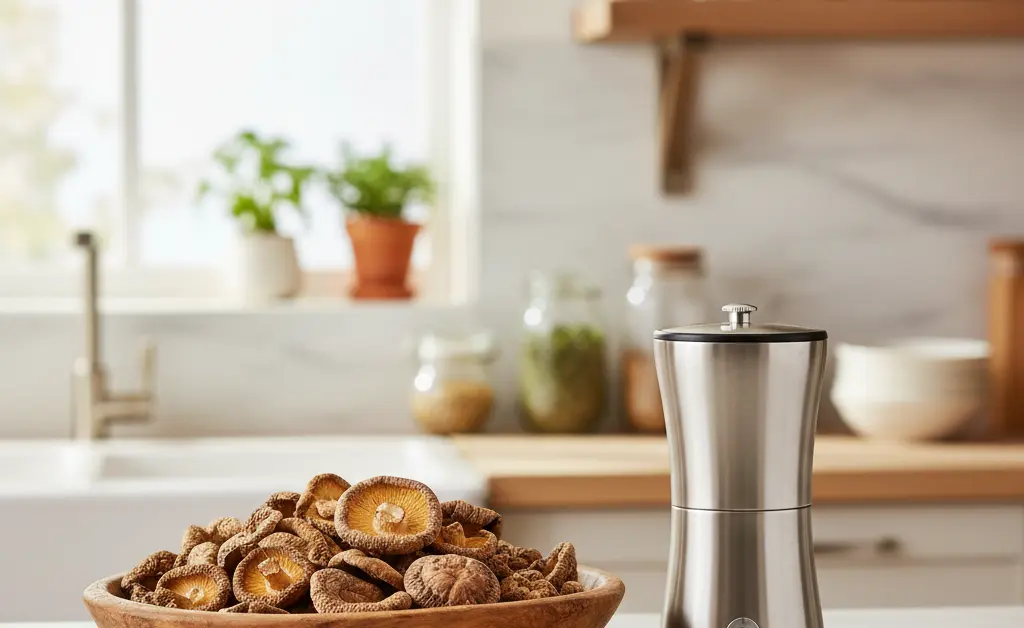
How can you transform fresh or dried mushrooms into a versatile ingredient that adds umami to countless dishes? Learning how to make mushroom powder opens up a world of culinary possibilities, allowing you to preserve your harvest and enhance flavors with ease. This comprehensive guide will walk you through the entire process, demonstrating how to make mushroom powder, from preparing your fungi to achieving a fine, aromatic powder perfect for seasoning. We’ll cover various methods, including options for those without a dehydrator, ensuring you can create this potent pantry staple regardless of your equipment. Discover the simple steps to create a flavor enhancer that elevates soups, sauces, and more.
How to Make Mushroom Powder
Creating your own mushroom powder is a rewarding process that allows you to capture the rich, earthy essence of various fungi in a convenient form. The foundation of excellent mushroom powder lies in thoroughly drying the mushrooms and then grinding them to a fine consistency. This section outlines the primary steps involved in mastering how to make mushroom powder, ensuring a potent and aromatic product ready for your culinary adventures.
Drying Mushrooms (for powder)
Properly drying mushrooms is the most critical step in preparing them for powdering. Any residual moisture can lead to clumping, spoilage, and a less potent final product. Begin by cleaning your fresh mushrooms gently with a brush or damp cloth, avoiding excessive water. Slice them into uniform pieces, typically about 1/4 to 1/2 inch thick, to ensure even drying. A food dehydrator is often the preferred tool for this task, as it provides consistent, low heat and good air circulation. Arrange the sliced mushrooms in a single layer on the dehydrator trays, ensuring no pieces overlap. Dehydrate until the mushrooms are completely brittle and snap easily when bent. They should feel like crisps, not pliable. The duration will vary depending on the mushroom type, thickness, and dehydrator model.
Grinding the Mushrooms
Once your dried mushrooms are perfectly brittle, they are ready for grinding. A high-speed spice grinder, a dedicated coffee grinder, or a powerful blender with a grinding attachment works exceptionally well for this purpose. Work in small batches to avoid overheating the motor and to achieve a consistent grind. Place a handful of dried mushroom pieces into your chosen grinder and pulse until a coarse powder forms. Continue processing until you reach a finer consistency. Be patient, as achieving a truly fine powder may take a few minutes of grinding and pulsing, occasionally shaking the grinder to redistribute the pieces.
Sifting for Finer Powder
To ensure a silky-smooth mushroom powder that blends seamlessly into dishes, sifting is a recommended final step. Pour your ground mushroom powder through a fine-mesh sieve or a specialized flour sifter. The fine powder will pass through, while any larger, unground pieces will remain in the sieve. These larger pieces can be returned to the grinder for a second round of processing until they too achieve the desired fineness. Sifting not only improves the texture but also helps to aerate the powder slightly, making it less prone to clumping when stored.
How to Make Mushroom Powder Without a Dehydrator
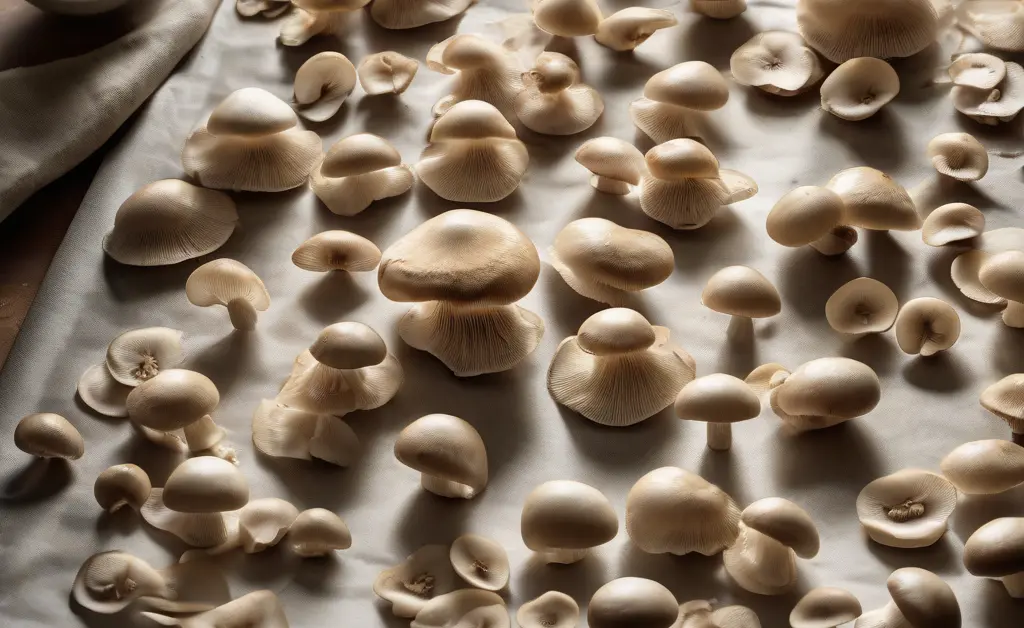
Even without a dedicated dehydrator, you can still successfully learn how to make mushroom powder using alternative drying methods. The key remains thorough drying to prevent spoilage and ensure a potent flavor. One common method is oven drying. Preheat your oven to its lowest possible temperature, typically around 150-170°F (65-77°C). Arrange cleaned and sliced mushrooms in a single layer on baking sheets lined with parchment paper. Leave the oven door slightly ajar to allow moisture to escape. Turn the mushrooms every hour or so for even drying. This process can take several hours, sometimes up to a full day, depending on the mushroom type and thickness. Another option, if you live in a dry climate, is air drying. Thread mushroom slices onto a string or place them on a mesh rack in a well-ventilated area away from direct sunlight and humidity. This traditional method takes longer, often several days to a week. Regardless of the method, ensure the mushrooms are completely dry and brittle before proceeding to grind them into a fine powder.
Essential Mushroom Powder Recipe
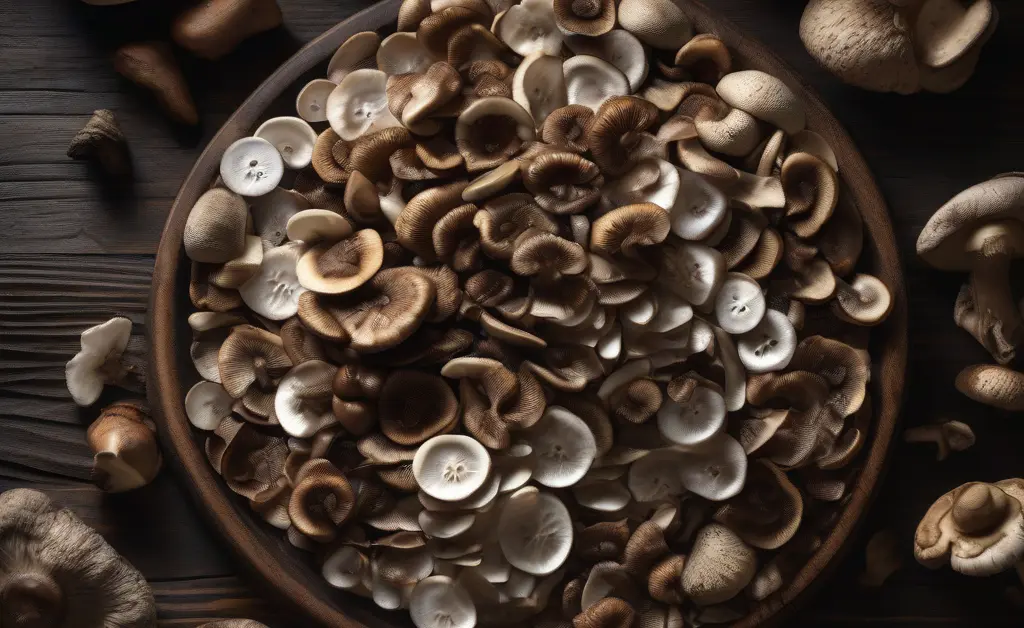
An essential mushroom powder recipe centers on capturing the pure, concentrated essence of mushrooms. The fundamental approach to how to make mushroom powder involves selecting good quality fresh or wild mushrooms, meticulously drying them, and then transforming them into a versatile powder. While many mushrooms can be used, varieties like porcini, shiitake, cremini, and even common white button mushrooms yield excellent results. For maximum flavor, some culinary enthusiasts opt to lightly toast the dried mushrooms in a dry pan over low heat for a few minutes before grinding; this can deepen their umami notes. The “recipe” is less about specific measurements and more about technique: ensure absolute dryness, grind finely in small batches, and sift for optimal texture. This pure mushroom powder can be used as a standalone seasoning or as a base for custom seasoning blends, making it an invaluable addition to any kitchen.
Storing Your Homemade Mushroom Powder
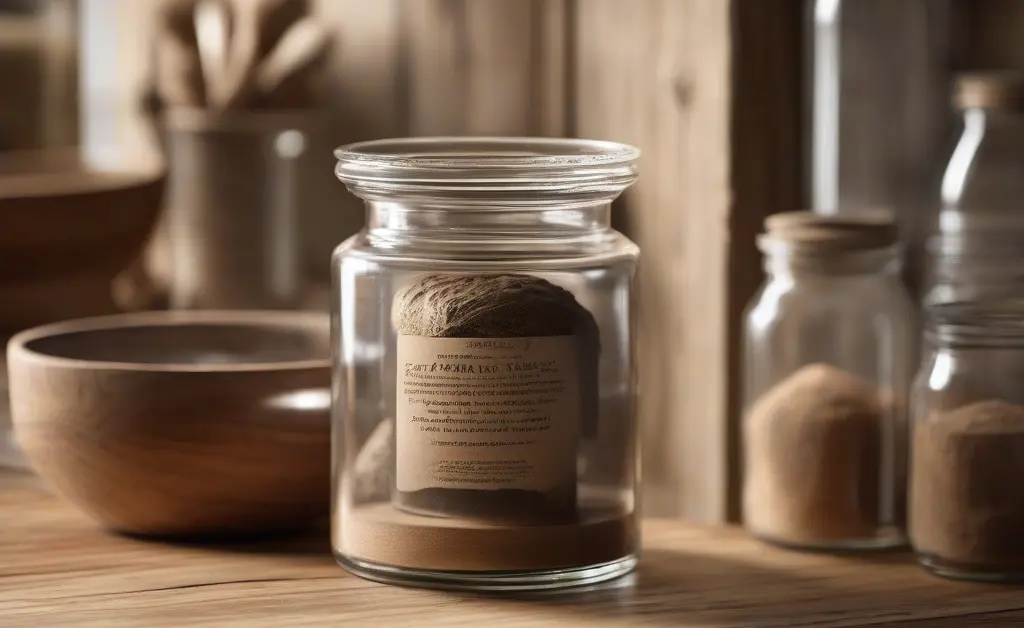
Proper storage is vital to maintain the potency, flavor, and shelf life of your homemade mushroom powder. After you successfully how to make mushroom powder, ensure it is completely cool before transferring it to an airtight container. Glass jars with tight-fitting lids are ideal, as they do not absorb odors and provide an excellent seal. Store the container in a cool, dark, and dry place, away from direct sunlight, heat, and humidity. A pantry or cupboard is generally suitable. Exposure to light and heat can degrade the flavor compounds and reduce the powder’s shelf life. While well-stored mushroom powder can retain its quality for many months, typically up to a year, regularly check for any signs of moisture, clumping, or off-odors, which may indicate spoilage. For extended freshness, some choose to store their mushroom powder in the refrigerator or freezer, though for most household use, a cool, dark pantry is sufficient. Adhering to food safety guidelines for storage is always recommended, and organizations like the WHO provide valuable resources on food preservation.
Making your own mushroom powder is a straightforward and rewarding endeavor that enhances your cooking with profound umami. Whether you’re a seasoned chef or a home cook, mastering this technique allows you to transform fresh or dried fungi into a powerful flavor enhancer. This versatile ingredient seamlessly integrates into countless dishes, from enriching stocks and gravies to seasoning roasted vegetables and meats. By following these steps, you unlock a new dimension of flavor, ensuring that the rich, earthy taste of mushrooms is always at your fingertips.
It is important to note that this content is not intended as medical advice. The information provided in this article is for general informational purposes only and is not a substitute for professional medical advice, diagnosis, or treatment. Always seek the advice of your physician or other qualified health provider with any questions you may have regarding a medical condition.
FAQ
What is the best way to dry mushrooms for powder?
For optimal texture and shelf-life, mushrooms should be thoroughly dried until brittle, which typically involves low heat over an extended period. This process removes moisture that could lead to spoilage or clumping, ensuring a fine powder. Proper drying is essential for preserving the beneficial compounds within the mushrooms.
Can I use fresh mushrooms to make powder?
While it is possible to attempt powdering fresh mushrooms, it is not recommended due to their high water content. The moisture will prevent them from grinding into a fine powder and can lead to mold growth and spoilage. Therefore, mushrooms must be fully dried before they can be processed into a usable powder.
How long does homemade mushroom powder last?
When stored properly in an airtight container away from light and moisture, homemade mushroom powder can retain its potency for several months. The drying process significantly extends its shelf-life by removing the water that microorganisms need to grow. Regular inspection for any signs of moisture or spoilage is always a good practice.
What equipment do I need to make mushroom powder?
To create mushroom powder, you will primarily need a reliable dehydrator or a low-temperature oven to ensure thorough drying. Following this, a high-powered blender or a dedicated spice grinder is necessary to achieve a fine, consistent powder. Additionally, airtight containers are crucial for storing the finished product and maintaining its quality.