
The Complete Guide to Preparing Mushrooms
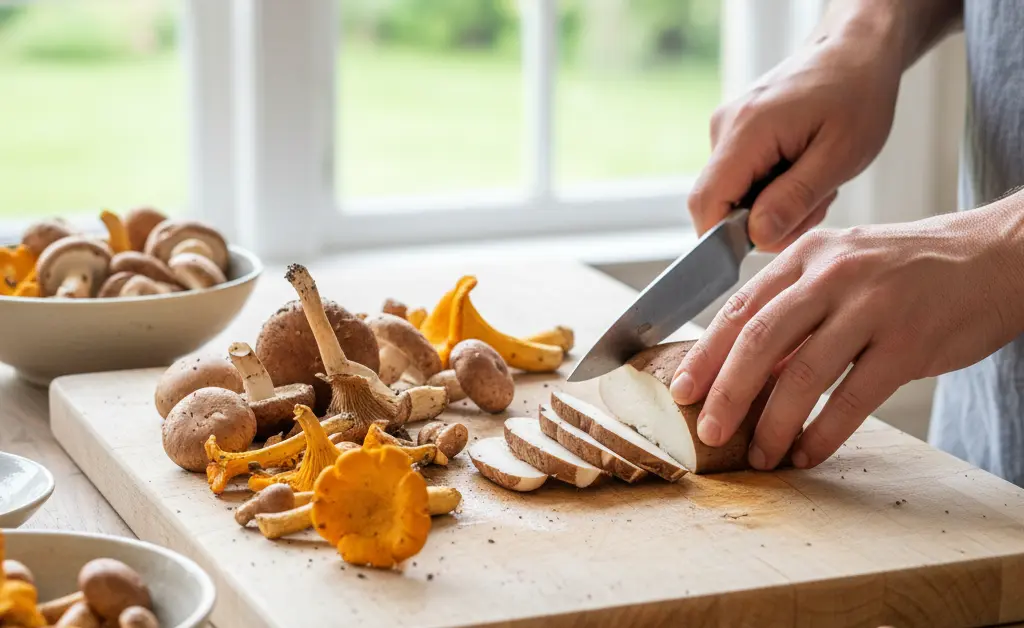
Many home cooks ponder the best approach to preparing mushrooms, from the common question of washing versus wiping to the optimal way to cut them for different dishes. The unique porous nature of fungi means their pre-cooking handling can significantly impact both their texture and flavor absorption. Ensuring mushrooms are properly cleaned and sectioned not only enhances their culinary appeal but also prevents them from becoming waterlogged or gritty. This comprehensive guide aims to demystify the process, offering practical techniques and tips for how to prepare mushrooms for cooking effectively, thereby maximizing their potential in any recipe. From basic cleaning methods to various cutting styles, understanding these steps is key to elevating your mushroom-based dishes.
How to prepare mushrooms for cooking
Mastering how to prepare mushrooms for cooking involves a few fundamental steps, each contributing to their flavor and texture in the final dish. Proper preparation ensures that mushrooms are free of dirt and debris, and cut appropriately for their intended use. This section delves into the specifics of cleaning and basic preparation techniques that every home cook should know.
Wiping Mushrooms
Wiping mushrooms is often the preferred method for cleaning delicate varieties or those with minimal dirt. This technique helps to avoid excess moisture absorption, which can lead to soggy mushrooms during cooking. To wipe mushrooms, gently brush off any loose soil with a soft, dry brush or a damp cloth. A slightly moistened paper towel can also be used to remove stubborn specks, ensuring the surface is clean without saturating the mushroom’s pores.
Rinsing Mushrooms
While often debated, rinsing mushrooms briefly under cool running water can be an effective way to clean particularly dirty specimens, especially those harvested from wild or muddy environments. The key is to rinse quickly and thoroughly, then immediately pat them dry with a clean kitchen towel or paper towels. Avoid soaking mushrooms, as this will undeniably lead to waterlogged results. For many cultivated varieties, a quick rinse followed by immediate drying is perfectly acceptable and efficient.
Brushing Mushrooms
Brushing mushrooms is an excellent alternative to wiping, especially for varieties like shiitake or oyster mushrooms that might have more crevices or a firmer texture. A dedicated mushroom brush, or even a clean, soft-bristled toothbrush, can be used to gently dislodge dirt and debris from the caps and gills. This method is effective for maintaining dryness while ensuring a thorough clean, making it a favorite among chefs.
Trimming Mushroom Stems
The stems of many mushrooms are edible, but some, like shiitake or cremini, can be woody or tough. Trimming mushroom stems involves identifying the undesirable portions and removing them. For button or cremini mushrooms, you might just trim off the very end of the stem, particularly if it appears dry or discolored. For shiitake, the entire stem is usually too tough to eat and should be removed, often by gently twisting or cutting close to the cap. Depending on the recipe, tender stems can be chopped and used, adding flavor and texture. For information on preparing other types, consider how to cook turkey tail mushroom.
Slicing Mushrooms
Slicing mushrooms uniformly is crucial for even cooking. Place the mushroom on a cutting board, stem side down (or cap side down for stability), and use a sharp knife to cut across the cap into even slices. The thickness of the slices can vary depending on the dish; thinner slices cook faster and are ideal for quick sautés, while thicker slices hold up better in stews or roasts. Consider the mushroom’s natural shape to maximize surface area for browning.
Chopping Mushrooms
Chopping mushrooms is ideal for recipes where mushrooms are meant to blend into the dish rather than stand out as distinct pieces, such as in stuffings, sauces, or omelets. After slicing, gather the slices and chop them into smaller, irregular pieces. The size of the chop depends on the desired texture and how quickly you want them to cook down. A coarser chop provides more texture, while a finer chop will almost melt into the dish. Some mushrooms, like enoki mushroom eat raw, may require different preparation.
Quartering Mushrooms
Quartering mushrooms is a simple yet effective way to prepare larger mushrooms or when you desire a heartier, more rustic texture. Simply cut the mushroom in half through the cap and stem, then cut each half in half again. This method is particularly suitable for cremini or portobello mushrooms and is often used for dishes like roasted mushrooms, kebabs, or sautéed preparations where you want the mushrooms to retain a substantial bite.
Leaving Mushrooms Whole
Leaving mushrooms whole is often preferred for smaller varieties like button mushrooms, or when they are the star of the dish. This preparation works wonderfully for roasting, grilling, or adding to skewers, as it allows the mushrooms to retain their shape and absorb flavors while cooking. When cooking whole mushrooms, ensure they are thoroughly cleaned, and consider scoring the caps lightly to help them absorb marinades or seasonings more effectively.
Cleaning Mushrooms
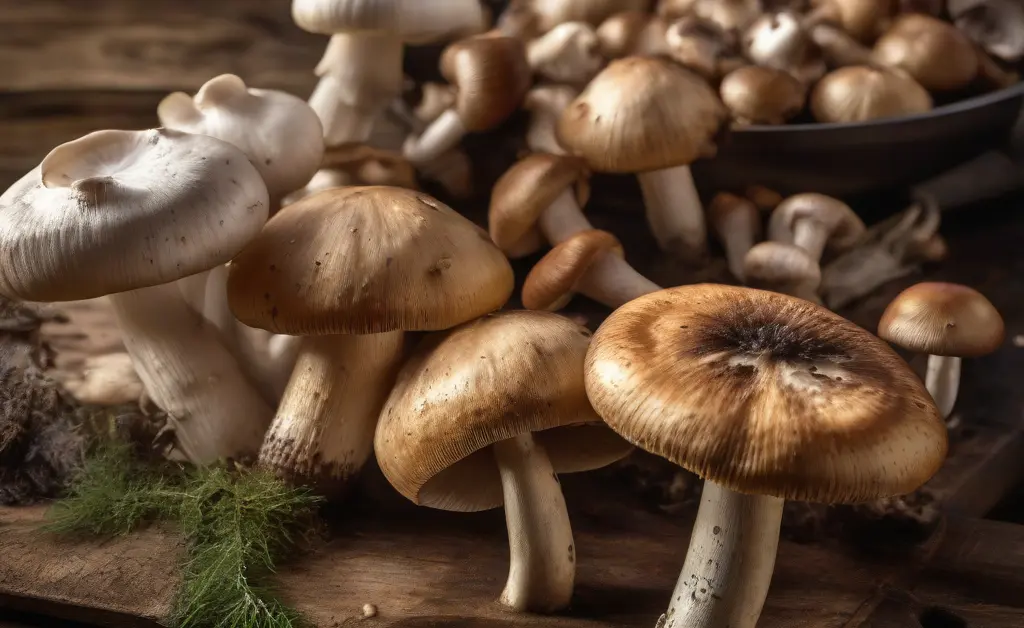
Effective cleaning is the cornerstone of how to prepare mushrooms for cooking, ensuring that every bite is enjoyable and free from gritty soil. Regardless of the mushroom variety, the goal is always to remove dirt and debris while minimizing moisture absorption. This foundational step not only impacts hygiene but also directly influences the texture and ability of the mushrooms to caramelize and develop deep flavors during cooking. Neglecting proper cleaning can lead to an unappetizing culinary experience. For food safety guidelines regarding fungi, consult efsa.europa.eu.
Common Mushroom Preparations
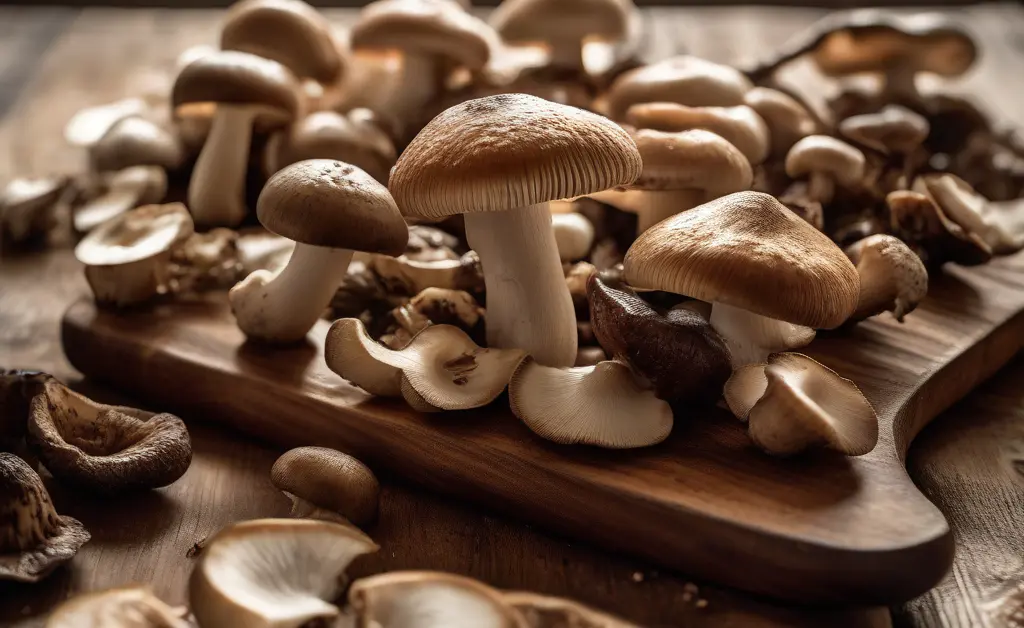
Once mushrooms are cleaned and cut, understanding common cooking preparations is key to bringing out their best qualities. The method chosen significantly influences the final taste and texture, showcasing the versatility of these fungi. Knowing how to prepare mushrooms for cooking effectively for different applications is a hallmark of good cooking.
For dishes like “Perfect Sauteed Mushrooms” or “How to cook mushrooms in a pan with butter,” thin slices or quarters are often preferred to ensure even browning and a tender-crisp texture. High heat and minimal crowding in the pan are crucial for achieving that desired golden-brown exterior. When aiming for “Easy Roasted Mushrooms Recipe” or how to cook mushrooms in oven, larger pieces, such as whole button mushrooms or quartered cremini, tend to hold up well and develop a deeper, more concentrated flavor. Roasting at a moderate to high temperature helps evaporate moisture and intensify their earthy notes.
Grilling mushrooms, especially larger varieties like portobellos, benefits from a robust cleaning and often a marinade to infuse flavor and keep them moist over direct heat. Even when “Adding Mushrooms to Dishes” like stews, soups, or stir-fries, the initial preparation (slicing, chopping, or quartering) dictates how they integrate into the overall dish. The correct preparation method can elevate your “Mushrooms Like a Chef” and make them a highlight of any meal. It is important to note that some content regarding mushrooms, such as cooking mushrooms with erin patterson meme, may not reflect standard culinary advice.
Ultimately, the way you prepare mushrooms—from cleaning to cutting—is a foundational skill that impacts their performance in any recipe. By following these guidelines, you can ensure your mushrooms are ready to absorb flavors, develop rich textures, and enhance your culinary creations.
The purpose of this content is to educate, not to diagnose or treat. The information provided is for general knowledge and informational purposes only, and does not constitute medical advice. Always consult with a qualified healthcare professional for any health concerns or before making any decisions related to your health or treatment. This content is not intended to be a substitute for professional medical advice, diagnosis, or treatment.
FAQ
Should you wash mushrooms before cooking?
Mushrooms are like little sponges and can absorb water quickly, so it’s generally recommended to avoid washing them directly under running water. Instead, a gentle wipe with a damp cloth or paper towel is often sufficient for cleaning. This method helps maintain their texture and prevents them from becoming waterlogged.
How do you clean mushrooms without making them soggy?
To clean mushrooms without them becoming soggy, gently brush off any visible dirt with a soft brush or a damp paper towel. If they are particularly dirty, a very quick rinse under cool water followed by immediate patting dry with a clean towel can be effective. The key is to minimize their contact time with water.
What is the best way to cut mushrooms for cooking?
The best way to cut mushrooms depends on your recipe and desired texture. You can slice them thinly for sautés, chop them into smaller pieces for sauces, or leave them whole if they are small. Consistent sizing ensures even cooking.
Do you need to peel mushrooms before cooking?
No, you do not need to peel mushrooms before cooking. The skin is perfectly edible and contains beneficial nutrients. For most varieties, simply wiping them clean is all that’s needed.