
A Culinary Guide to Preparing Puffball Mushrooms
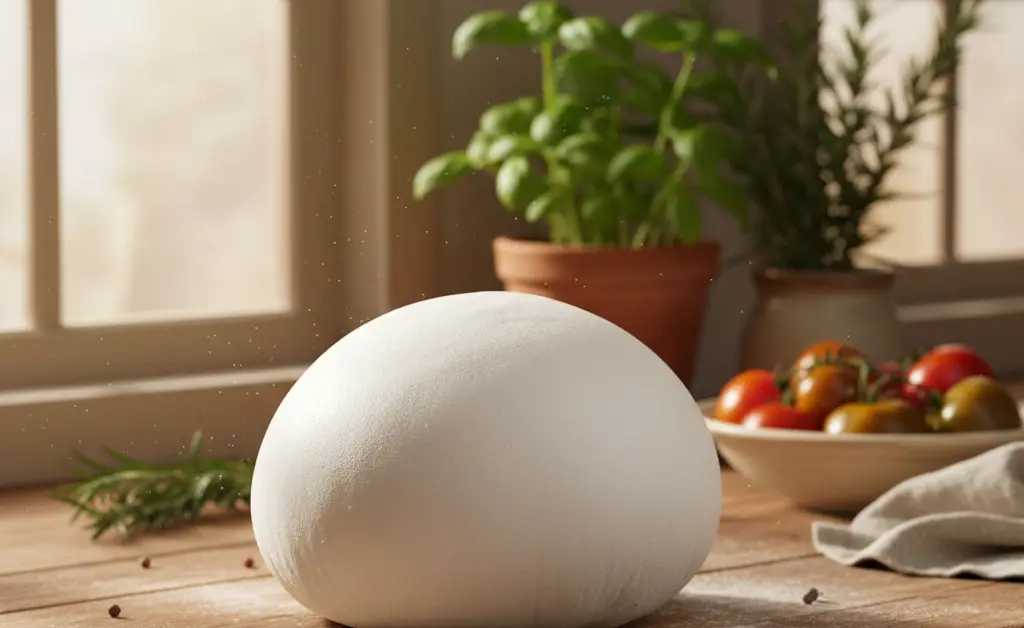
Picture this: You’ve just returned from a satisfying foraging trip, a magnificent, pristine puffball mushroom proudly clutched in your hand. The earthy aroma hints at culinary potential, but now you’re standing in your kitchen, a little bewildered. What’s the first step to transforming this natural wonder into a delicious meal? This guide is designed to demystify the process, offering clear, practical instructions on how to prepare puffball mushroom for optimal flavor and texture. From initial cleaning to various cooking techniques, we’ll cover everything you need to know to confidently enjoy this unique fungi, ensuring a safe and delightful gastronomic experience.
Preparing Puffball Mushrooms for Cooking
Once you’ve successfully identified and harvested your puffball mushroom, the initial preparation steps are crucial for ensuring a delicious and safe culinary experience. Understanding how to prepare puffball mushroom correctly starts with meticulous cleaning and proper handling before it ever reaches the pan. These preliminary steps set the stage for optimal flavor and texture in your final dish.
Cleaning and Washing
Puffball mushrooms, especially those collected from the wild, often carry dirt, debris, or small insects. The goal is to clean them thoroughly without waterlogging them, as this can affect their texture during cooking. For most puffballs, a gentle approach is best. Begin by brushing off any loose soil or plant matter with a soft mushroom brush or a clean cloth. If the mushroom appears particularly dirty, a quick rinse under cool, running water may be necessary. However, ensure that you dry it immediately and thoroughly with paper towels to prevent absorption of excess moisture. Some foragers prefer to simply wipe them clean, especially for smaller, cleaner specimens.
Slicing and Dicing
The internal texture of a puffball mushroom is firm and dense, making it ideal for various cuts. For pan-frying or grilling, thick slices, about a quarter to half-inch thick, are often preferred as they hold their shape well and develop a satisfying crust. For sautéing or incorporating into stews and stir-fries, dicing the mushroom into uniform cubes or strips ensures even cooking. Always check the interior of the puffball; it should be uniformly white and firm. If you see any yellowing, greening, or soft spots, it indicates that the mushroom is past its prime and should not be consumed. For inspiration on other mushroom preparations, consider exploring oyster mushroom recipes.
Removing the Rind
Depending on the type and size of the puffball mushroom, and your personal preference, you may choose to remove the outer rind or skin. For giant puffballs, the skin is usually quite thin and can be left on, especially if the mushroom is young and the skin is tender. However, some larger or older specimens might have a slightly tougher or more leathery rind that can become chewy when cooked. In these cases, it’s advisable to carefully peel away the outer layer with a paring knife or vegetable peeler. Smaller puffball varieties generally do not require rind removal.
Cooking Methods for Puffball Mushrooms
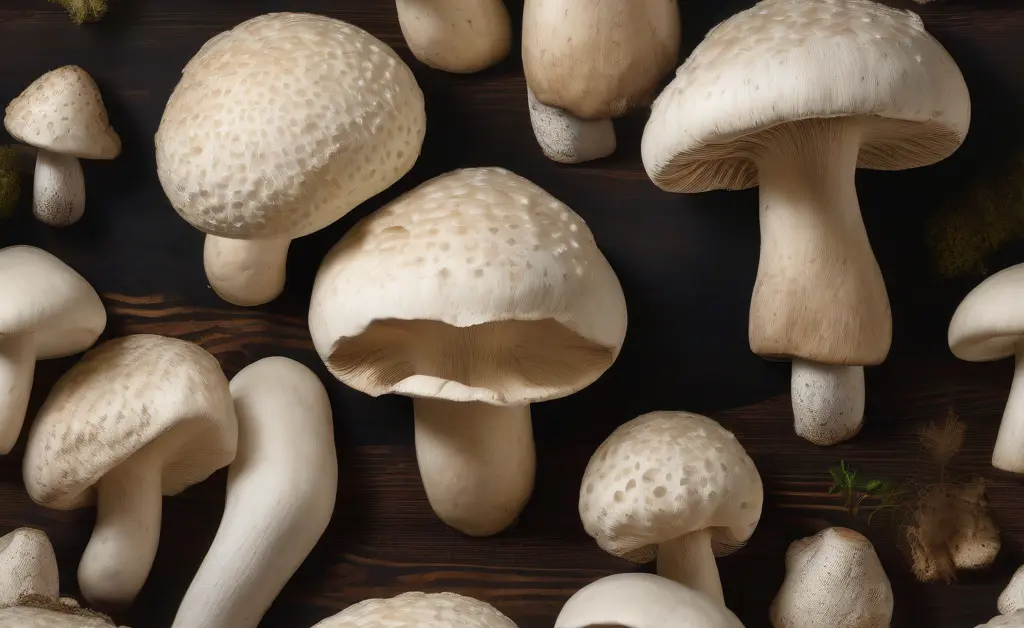
The versatility of puffball mushrooms makes them suitable for a wide array of cooking applications. The method you choose can greatly influence the final texture and flavor, transforming this unique fungi into a delightful centerpiece or a savory accompaniment. Understanding how to prepare puffball mushroom using different cooking techniques allows for creative exploration in the kitchen.
Pan-Frying
Pan-frying is one of the most popular ways to cook puffball mushrooms, as it allows for a beautiful golden-brown crust while maintaining a tender interior. Slice the mushroom into half-inch thick pieces. Heat butter or oil in a skillet over medium-high heat. Place the mushroom slices in a single layer, ensuring not to overcrowd the pan, which can lead to steaming rather than frying. Cook for several minutes on each side until golden and slightly caramelized. Season simply with salt and pepper to highlight its natural, earthy flavor. This method is excellent for serving as a standalone side dish or as a base for other recipes.
Baking
Baking offers a hands-off approach that can yield tender, flavorful results. Cut the puffball mushroom into cubes or thick slices. Toss them with olive oil, herbs like thyme or rosemary, minced garlic, and seasonings. Spread them in a single layer on a baking sheet. Bake in a preheated oven until they are tender and lightly browned. Baking is particularly well-suited for larger quantities or when preparing the mushroom as part of a casserole or roast, offering a distinct texture compared to pan-frying.
Grilling
For a smoky flavor and appealing char marks, grilling is an excellent option, especially for larger puffball sections. Cut the mushroom into thick ‘steaks’ or large wedges. Brush them generously with olive oil and your preferred marinade or spices. Place them directly on a medium-hot grill and cook for several minutes per side, turning occasionally, until they are tender and have visible grill marks. Grilling imparts a wonderful smoky essence that complements the mushroom’s mild taste, making it a fantastic addition to summer meals. For a different texture and flavor profile, you might consider king oyster mushroom tacos.
Sautéing
Sautéing is a quick and efficient method for smaller pieces of puffball mushroom, often used when incorporating them into other dishes. Dice or slice the mushroom into bite-sized pieces. Heat a small amount of oil or butter in a pan over medium-high heat. Add the mushroom pieces and cook, stirring frequently, until they release their moisture and begin to brown. Sautéing helps to concentrate their flavor and creates a slightly firmer texture, making them a great addition to omelets, stir-fries, or pasta dishes.
Puffball Mushroom Recipes
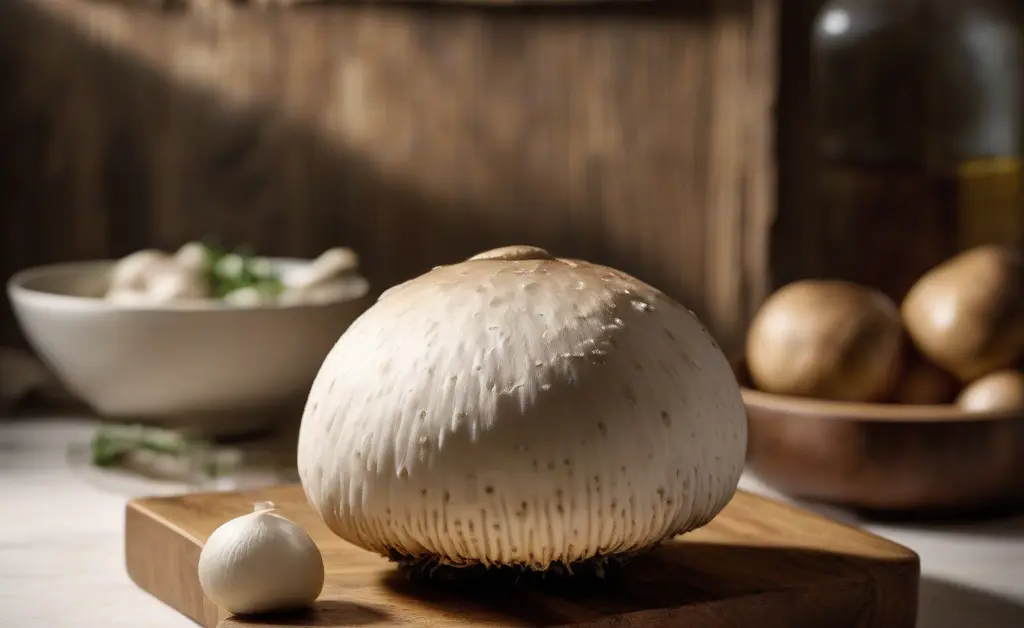
The neutral, earthy flavor and firm texture of puffball mushrooms make them an incredibly versatile ingredient in the kitchen. From simple preparations that highlight their natural taste to more elaborate dishes, there are countless ways to enjoy this unique fungi. Here are some popular recipes to inspire you on how to prepare puffball mushroom in delicious ways.
Simple Seasoning and Sauté
This minimalist approach lets the puffball’s natural flavor shine. Slice the mushroom into bite-sized pieces. Heat a generous amount of butter or olive oil in a skillet over medium-high heat. Add the mushroom and cook until golden brown, stirring occasionally. Finish with a sprinkle of fresh parsley, salt, and freshly ground black pepper. This simple sauté can be a delightful side dish or added to scrambled eggs.
Puffball Mushroom ‘Fries’
A fun and delicious alternative to potato fries. Cut the puffball into fry-like strips. You can either pan-fry them until crispy with a simple seasoning of salt and paprika, or bread them lightly before frying for an extra crunch. Serve with your favorite dipping sauce. This recipe is a fantastic way to introduce puffball mushrooms to those new to fungal cuisine.
Stuffed Puffball Mushrooms
For larger puffball specimens, stuffing them creates an impressive and hearty meal. Hollow out the center slightly, reserving the removed mushroom for the filling. Create a savory stuffing using breadcrumbs, herbs, garlic, cheese, and your choice of cooked vegetables or meats. Fill the mushroom cavity, drizzle with olive oil, and bake until tender and golden brown on top. This makes a wonderful vegetarian main course.
Small puffball mushroom Recipes
Smaller puffball varieties are perfect for slicing and adding directly to soups, stews, or casseroles without much pre-preparation. They absorb flavors wonderfully and add a delightful texture. Try them diced and mixed into a creamy risotto or as a savory addition to a chicken pot pie. Their size makes them convenient for quick culinary applications.
Grilled puffball mushroom recipes
Elevate your outdoor cooking with grilled puffball mushrooms. Marinate thick slices in a mixture of soy sauce, ginger, garlic, and a touch of honey for an Asian-inspired flavor. Alternatively, a simple balsamic vinaigrette marinade works beautifully. Grill until tender with appetizing char marks, then serve as a side or a vegetarian main course alongside summer salads.
Classic Fried Puffball Mushrooms
This beloved preparation delivers a satisfyingly crunchy exterior and a soft, meaty interior. Slice the puffball into thick rounds or ‘steaks’. Dip each slice in a seasoned flour mixture, then in an egg wash, and finally coat generously in breadcrumbs (panko works well for extra crispiness). Pan-fry in hot oil until golden brown and cooked through. Serve immediately with a squeeze of lemon or a rich aioli. These mushrooms can be a great topping for pizzas, similar to how button mushrooms are used for pizza.
Puffball Parmigiana
Inspired by the Italian classic, this dish substitutes puffball mushroom for eggplant. Slice the puffball into half-inch rounds, bread them, and lightly pan-fry until golden. Layer the fried mushroom slices in a baking dish with your favorite marinara sauce, fresh mozzarella, and a sprinkle of Parmesan cheese. Bake until bubbly and the cheese is melted and lightly browned. This makes for a comforting and hearty meal.
Exploring the world of puffball mushrooms in your kitchen can be an incredibly rewarding experience. By understanding the proper preparation techniques—from careful cleaning and precise cutting to mastering various cooking methods—you can confidently transform these unique fungi into a wide array of delectable dishes. Whether you opt for a simple sauté or a more elaborate recipe, each culinary adventure with a puffball mushroom promises a distinctive flavor and texture that is sure to impress. So, embrace the opportunity to cook with this natural wonder and enjoy the delicious results.
The purpose of this content is to educate, not to diagnose or treat. This article offers general information regarding the preparation and cooking of puffball mushrooms for culinary use. While efforts have been made to provide accurate and helpful advice, individual results may vary. It is important to exercise caution and ensure proper identification of any wild fungi before consumption. Consult with a qualified expert for guidance on foraging and food safety. You can find general health information from sources like the WHO.
FAQ
How do you clean puffball mushrooms?
Puffball mushrooms require careful cleaning to remove any dirt or insects from their delicate interiors. Gently brush off loose debris with a soft brush or use a damp cloth to wipe away any stubborn dirt. It’s important to avoid soaking them, as their spongy texture can absorb too much water, impacting their texture when cooked.
What part of the puffball mushroom do you eat?
Only the firm, white interior of a puffball mushroom is suitable for consumption. When sliced, the inside should be uniformly white, similar to the consistency of tofu or mozzarella cheese. Any parts that show yellowing, browning, or have developed a spongy texture indicate that the mushroom is past its prime for eating.
Can you eat small puffball mushrooms?
Small puffball mushrooms are often the best choice for culinary use, as they are most likely to be firm and uniformly white throughout. As puffballs grow larger, their interiors can begin to develop spores, which can give them a less desirable texture and flavor. Observing the internal color and texture is the most reliable indicator of edibility.