
5 Signs Your Cremini Mushrooms Have Gone Bad

It’s a common misconception that all cremini mushrooms, even with minor blemishes, are automatically unfit for consumption. While fresh produce certainly has an optimal state, discerning the true point of spoilage can be more nuanced than a simple visual inspection. Many individuals might prematurely discard mushrooms exhibiting slight discoloration, unaware that such changes don’t always indicate a food safety issue. Conversely, subtle but critical signs of genuine deterioration can be missed, leading to consumption of sub-par produce. Understanding the definitive indicators is key to both food safety and preventing unnecessary waste. This guide will detail precisely how to tell if cremini mushrooms are bad, ensuring you can confidently assess their condition.
Visual Indicators: Mold, Discoloration, and Sliminess
One of the most immediate ways to assess the condition of your cremini mushrooms is through careful visual inspection. Fresh creminis typically have a smooth, firm cap and stem, with an earthy brown color. Any deviation from this can be an early indicator that spoilage is beginning. A critical sign of severe spoilage is the presence of mold, which often appears as fuzzy, white, green, or black patches on the surface. These are clear indicators of microbial growth and mean the mushrooms should be discarded immediately. Discoloration, particularly dark brown or black spots that are soft to the touch, suggests that the mushrooms are breaking down. While minor bruising might not be an issue, widespread darkening or a grayish hue often signals advanced deterioration. Additionally, a slimy or sticky film on the surface is a definite red flag. This mucus-like coating is usually caused by bacterial growth and is a strong indicator of spoilage. Observing these visual cues is crucial to know how to tell if cremini mushrooms are bad before consumption. For guidance on maintaining their quality, you can learn how to clean cremini mushrooms.
Olfactory Clues: Off-Putting Smells
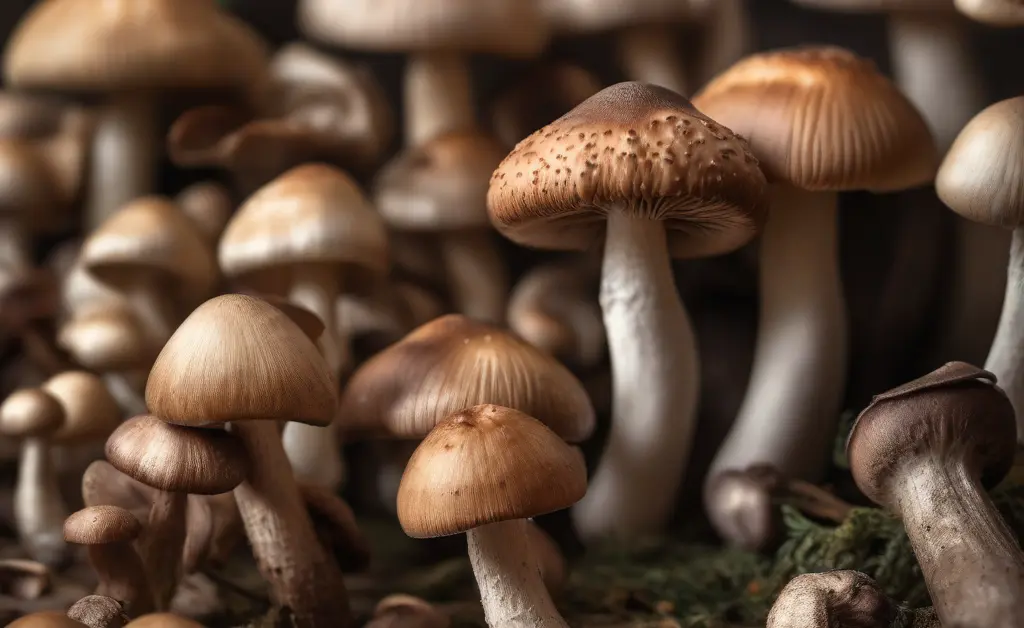
Beyond what you can see, the smell of your cremini mushrooms provides another vital piece of information regarding their freshness. Fresh cremini mushrooms should possess a mild, earthy aroma. It’s a pleasant, slightly damp scent that is characteristic of good-quality produce. As mushrooms begin to spoil, their scent changes dramatically. You might notice a sour, ammonia-like, or even fishy odor. These unpleasant smells are a direct result of bacterial activity and the breakdown of the mushroom’s cellular structure. If the mushrooms emit any sort of pungent, rotten, or unusually strong smell that is distinctly different from their fresh, earthy aroma, it is a clear sign that they have likely gone bad. Trusting your sense of smell is an effective way to learn how to tell if cremini mushrooms are bad and should be discarded.
Textural Changes: Mushiness and Soft Spots
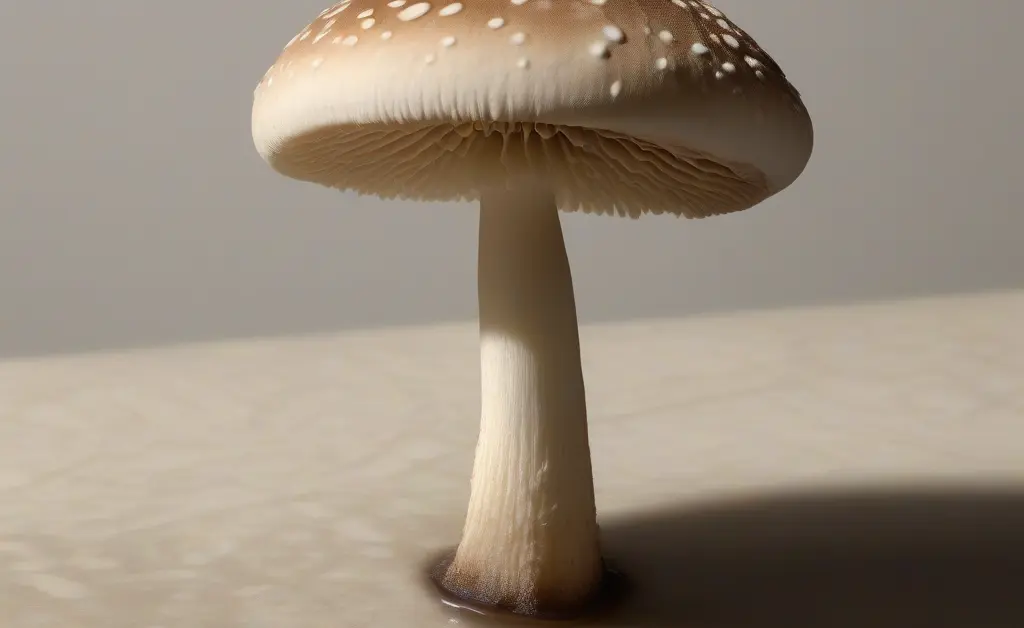
The texture of cremini mushrooms is a primary indicator of their quality and freshness. When fresh, cremini mushrooms should feel firm and relatively dry to the touch. They should snap rather than bend if you try to break them, indicating good structural integrity. As mushrooms age and begin to spoil, their texture changes significantly. They often become noticeably soft, mushy, or squishy. If you pick up a mushroom and it feels waterlogged, spongy, or leaves an indentation when gently pressed, these are strong signs of deterioration. Any parts that feel excessively slimy or appear to be dissolving into a pulpy mass are unequivocally spoiled. These textural shifts occur as the mushroom’s cells break down and moisture is released or absorbed, making them an unreliable ingredient for cooking. Recognizing these textural deviations is essential for understanding how to tell if cremini mushrooms are bad. Understanding how long do cremini mushrooms last can help prevent these textural issues.
Signs of Spoilage in Cremini Mushrooms

Understanding the collective signs of spoilage in cremini mushrooms can help you make an informed decision about their usability. It’s often a combination of factors rather than a single isolated sign that confirms a mushroom has gone bad. For instance, a slight bruise on an otherwise firm and sweet-smelling mushroom might be acceptable, but a soft, slimy mushroom with a sour odor and dark spots is definitely spoiled. The presence of fuzzy mold, any unusual discoloration like black or deep brown patches, or an overall slimy texture are definitive indicators. Moreover, if the mushrooms feel overly moist, squishy, or have begun to break down into a watery pulp, they are beyond saving. The fresh, earthy scent will be replaced by an acrid, ammonia-like, or distinctly unpleasant aroma. By observing these combined sensory cues, you can confidently determine how to tell if cremini mushrooms are bad and ensure you’re only consuming fresh, safe produce for your culinary creations. This information is vital for proper food handling, and you can learn more about food safety resources from the National Library of Medicine.
By paying close attention to these visual, olfactory, and textural cues, you can confidently assess the freshness of your cremini mushrooms. Discarding spoiled produce not only prevents potential food safety issues but also reinforces good kitchen practices. Understanding these signs helps minimize unnecessary food waste by preventing the premature disposal of perfectly good mushrooms, while also ensuring that genuinely spoiled items are removed from your pantry. For those interested in other mushroom varieties, you can find information on how to prepare turkey tail mushroom.
Readers should understand that this article does not offer medical diagnosis or treatment. The information provided is intended for general knowledge about food spoilage and safety. It is not a substitute for professional medical advice or consultation. If you have concerns about foodborne illness or other health issues, please consult with a qualified healthcare professional.
Knowing when mushrooms have gone bad is crucial, but so is knowing if they are safe to eat raw. Explore whether you can eat cremini mushrooms raw.
FAQ
What do bad cremini mushrooms look like?
Spoiled cremini mushrooms often develop a slimy or sticky texture, and may exhibit dark, soft spots. A strong, ammonia-like odor is another common indicator that they are no longer fresh.
How long do cremini mushrooms last in the fridge?
When stored properly in their original packaging or a breathable container, cremini mushrooms typically remain fresh in the refrigerator for about a week. Inspecting them regularly for any signs of spoilage is always recommended.
Can you eat cremini mushrooms with a little mold?
It is generally advisable to discard mushrooms that show any signs of mold. Mold can penetrate the porous mushroom flesh, and it is difficult to be certain that only the visible mold has been affected.
What happens if you eat a bad mushroom?
Consuming spoiled mushrooms can lead to gastrointestinal distress, such as nausea, vomiting, and diarrhea. The specific effects depend on the type of spoilage and the individual’s sensitivity.