
A Culinary Guide to Using Mushroom Powder

Just the other morning, I found myself staring into the pantry, wanting to elevate my usual breakfast scramble beyond just salt and pepper. I remembered the mushroom powder I had recently acquired, curious about its potential. A small spoonful, stirred into the eggs before cooking, transformed the dish, lending an earthy depth I hadn’t anticipated. It was a simple moment, yet it sparked an interest in exploring the broader culinary versatility of this ingredient. This guide delves into precisely how to use mushroom powder, transforming everyday meals and adding a nutritional punch without significant effort. We’ll explore various applications, from savory dishes to unexpected baked goods, helping you integrate this potent ingredient into your kitchen repertoire.
How to Use Mushroom Powder
Understanding how to use mushroom powder effectively can unlock a world of flavor and nutritional benefits in your cooking. To truly appreciate its versatility, it’s helpful to understand what is mushroom powder. This versatile ingredient, derived from dried and ground mushrooms, concentrates the earthy, umami notes that fresh mushrooms provide. It can be a convenient way to infuse dishes with depth, especially when fresh mushrooms are not readily available or when you want a more subtle, integrated flavor. Integrating mushroom powder into your daily meals offers a simple yet impactful way to enhance their complexity.
Mushroom powder recipes
Mushroom powder serves as an excellent foundation for a variety of recipes, enhancing both flavor and nutritional value. Beyond simply sprinkling it on top, consider incorporating it directly into the cooking process. For instance, a hearty mushroom powder soup can be created by blending it into a vegetable or chicken broth base, adding depth without the need for simmering whole mushrooms for hours. It can also be a secret ingredient in savory muffins, bread doughs, or even homemade pasta, lending an unexpected umami kick. Experimentation is key to discovering new and exciting mushroom powder recipes that suit your palate.
How to Add Mushroom Powder to Everyday Meals
Incorporating mushroom powder into your daily cooking doesn’t require elaborate recipes. It can be as simple as a finishing flourish or a foundational flavor enhancer. Think of it as a seasoning, much like garlic powder or onion powder, but with a unique earthy dimension. For breakfast, stir a small amount into scrambled eggs, omelets, or even savory oatmeal. At lunch, whisk it into salad dressings, mix it into sandwich spreads, or sprinkle it over avocado toast. During dinner preparations, it can be added to marinades, rubs, or simply mixed into rice or quinoa during cooking to infuse a subtle, delicious flavor.
In Soups and Stews
One of the most natural applications for mushroom powder is in soups and stews. Its fine texture allows it to dissolve seamlessly, distributing its rich, savory notes throughout the liquid. Adding it to broths, bisques, or hearty beef stews can significantly deepen their umami profile, making them taste as if they’ve simmered for hours. It can be particularly useful for vegetarian or vegan dishes, providing a meaty depth that might otherwise be missing. For best results, stir it in during the cooking process to allow its flavors to fully meld.
As a Seasoning for Meats and Vegetables
Mushroom powder makes an exceptional seasoning, offering a complex alternative to standard salt and pepper. When preparing meats, rub it directly onto steaks, chicken, or pork before grilling, roasting, or pan-frying. Its earthy notes complement a wide range of proteins, enhancing their natural flavors. For vegetables, sprinkle it over roasted broccoli, sautéed green beans, or baked potatoes. It adds an irresistible savory crust and aroma, transforming simple side dishes into more exciting culinary experiences.
In Sauces and Gravies
The ability of mushroom powder to provide a concentrated umami punch makes it ideal for enriching sauces and gravies. Whisk a spoonful into a pan sauce to accompany roasted chicken or pork, or incorporate it into a homemade gravy for Thanksgiving dinner. It can also elevate pasta sauces, cream sauces, or even a simple béchamel, providing a robust, savory base. Its finely ground texture ensures a smooth consistency without lumps, making it a hassle-free addition.
In Baked Goods
While less common, mushroom powder can be a surprising and delightful addition to savory baked goods. Imagine the depth it could add to cheese biscuits, savory scones, or even focaccia bread. It pairs well with herbs like rosemary and thyme, as well as ingredients like parmesan cheese or sun-dried tomatoes. When experimenting with baked goods, start with a small amount to ensure the flavor doesn’t overpower other ingredients, gradually increasing it to find the perfect balance.
In Smoothies and Drinks
For those looking to discreetly incorporate mushroom powder, smoothies and other drinks offer a unique avenue. While it might sound unconventional for sweet smoothies, certain mushroom varieties, particularly those known for their earthy or slightly bitter notes, can be blended into savory smoothies alongside greens, ginger, or turmeric. It can also be stirred into warm savory drinks, like a comforting broth-based beverage or a savory latte, providing a boost of flavor and potential wellness properties. Always ensure to source mushroom powder from reputable suppliers and refer to guidelines from authorities like EFSA for food safety information.
As a Broth Base
Mushroom powder excels as an instant broth base or enhancer. For a quick, flavorful broth, simply dissolve a teaspoon or two in hot water. This can serve as a convenient base for ramen, pho, or other noodle soups. It can also be used to fortify existing broths, adding a layer of umami complexity that makes store-bought or homemade stocks even richer. This method is particularly useful for adding depth to vegetarian or vegan dishes without relying on animal-based broths.
Culinary Applications of Mushroom Powder
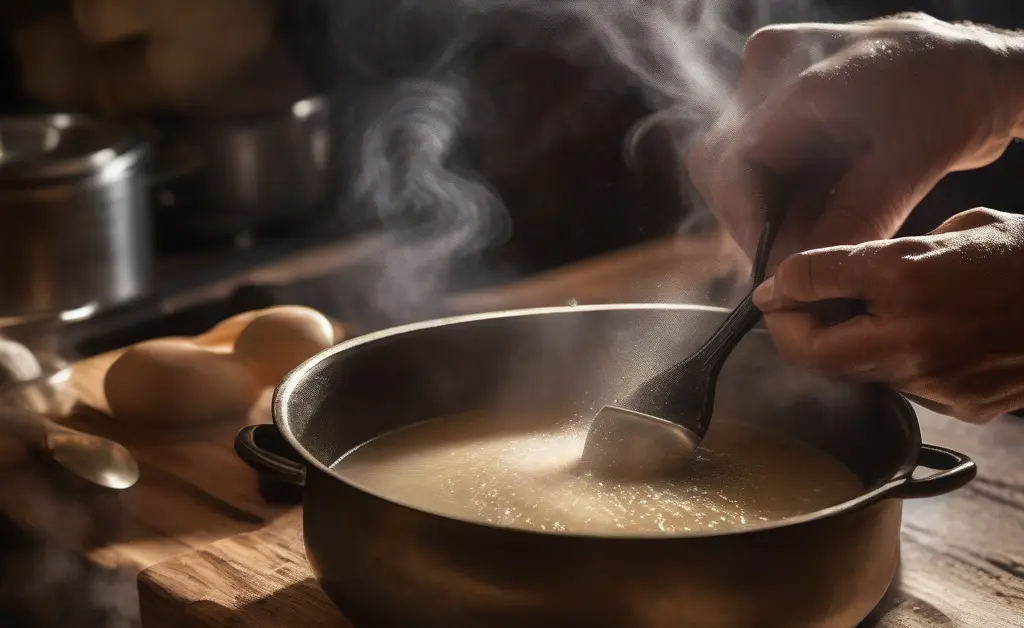
Beyond specific dishes, understanding the broader culinary applications of mushroom powder involves appreciating its versatility in various forms and pairings. Knowing how to use mushroom powder effectively in different stages of cooking can significantly impact the final outcome. Its concentrated form means a little goes a long way, making it a powerful tool in any kitchen.
Rehydrating Mushroom Powder
While mushroom powder is primarily used in its dry form, there might be instances where a paste or a more liquid consistency is desired. For example, creating a concentrated mushroom paste for rubs or marinades can be achieved by mixing the powder with a small amount of warm water or oil. This allows for a deeper penetration of flavor into meats or vegetables. However, typically, the powder is incorporated directly into liquids or dry ingredients, where it disperses readily without the need for pre-rehydration.
Pairing with Other Ingredients
Mushroom powder’s earthy, umami profile makes it a natural complement to a wide array of ingredients. It pairs exceptionally well with other savory flavors like garlic, onion, thyme, rosemary, and black pepper. Cheeses, especially aged varieties like Parmesan, also find a harmonious balance with mushroom powder. For depth in vegetarian cooking, consider combining it with nutritional yeast for an extra cheesy, savory boost. In terms of proteins, it enhances beef, chicken, and eggs beautifully, and can elevate the flavor of legumes and grains like lentils and wild rice.
Tips for Using Mushroom Powder
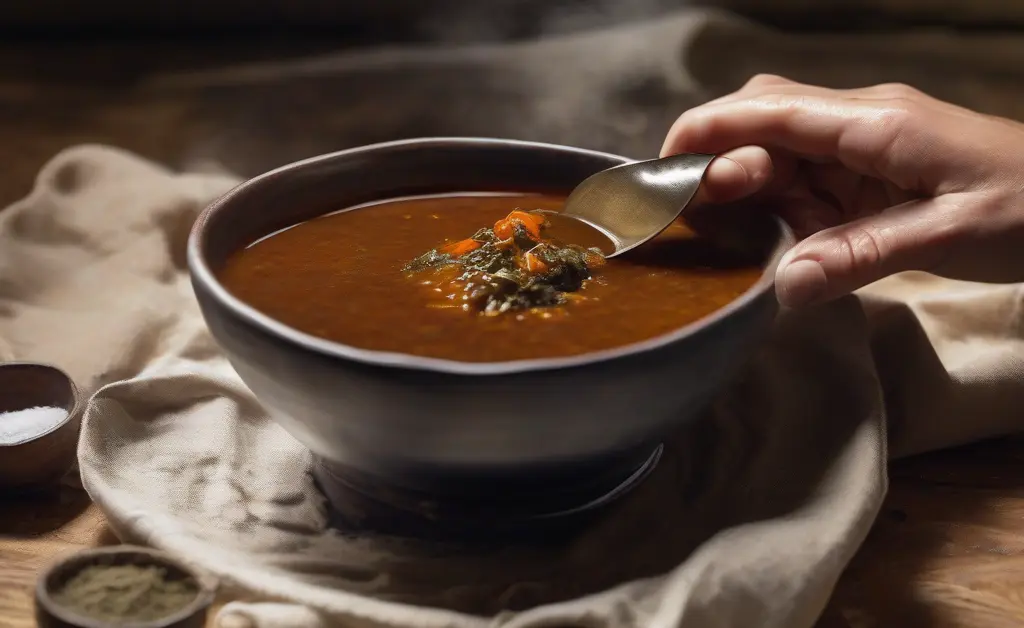
Maximizing the potential of this potent ingredient requires a few considerations. Knowing how to use mushroom powder optimally can transform your dishes, ensuring a balanced and rich flavor profile without overpowering other components. These tips will help you integrate it successfully into your cooking.
Start with a Small Amount
Mushroom powder is highly concentrated, meaning a little goes a long way. When first experimenting with it, begin by adding just a quarter to a half teaspoon to your dish. Taste and adjust as needed. It’s much easier to add more powder than to try and dilute an overly strong mushroom flavor. This cautious approach ensures that the umami enhances, rather than dominates, your recipe.
Consider Flavor Profiles
Different types of mushroom powder will impart distinct flavor profiles. For instance, shiitake powder often brings a smoky, pungent note, while porcini powder offers a more intense, nutty, and earthy aroma. White button or cremini mushroom powder tends to be milder and more universally applicable. Consider the overall flavor of your dish and choose a mushroom powder that will complement it. Rich, savory dishes can handle bolder mushroom flavors, while lighter fare might benefit from a more subtle touch.
Mushroom powder stands out as a versatile and potent ingredient that can significantly elevate the flavor profile of a wide array of dishes. From enriching everyday meals to creating sophisticated culinary experiences, its concentrated umami and earthy notes offer a simple way to add depth. By understanding its various applications, from soups and sauces to seasonings and even unexpected baked goods, home cooks can confidently integrate this powerful powder into their kitchen repertoire. Experimentation is encouraged, allowing you to discover the full potential of this unique ingredient in your own cooking.
This article is written for general understanding and not for medical decision-making. The information provided is for educational purposes only and should not be considered as medical advice. Always consult with a qualified healthcare professional for any health concerns or before making any decisions related to your health or treatment.
FAQ
How much mushroom powder should I use in recipes?
The amount of mushroom powder to use in recipes can vary depending on the desired flavor intensity and the type of mushroom powder. It’s often helpful to start with a small amount and adjust to taste, as concentrated mushroom powders can significantly alter the flavor profile of a dish.
Can I substitute mushroom powder for fresh mushrooms?
Yes, mushroom powder can be used to impart a concentrated mushroom flavor in recipes where fresh mushrooms might not be practical or desired. While it provides an umami depth, it won’t contribute the same texture as fresh mushrooms. Consider how to use mushroom powder to enhance the savory notes of your cooking.