
What to Know: Mushroom Capsule Potency and Expiration
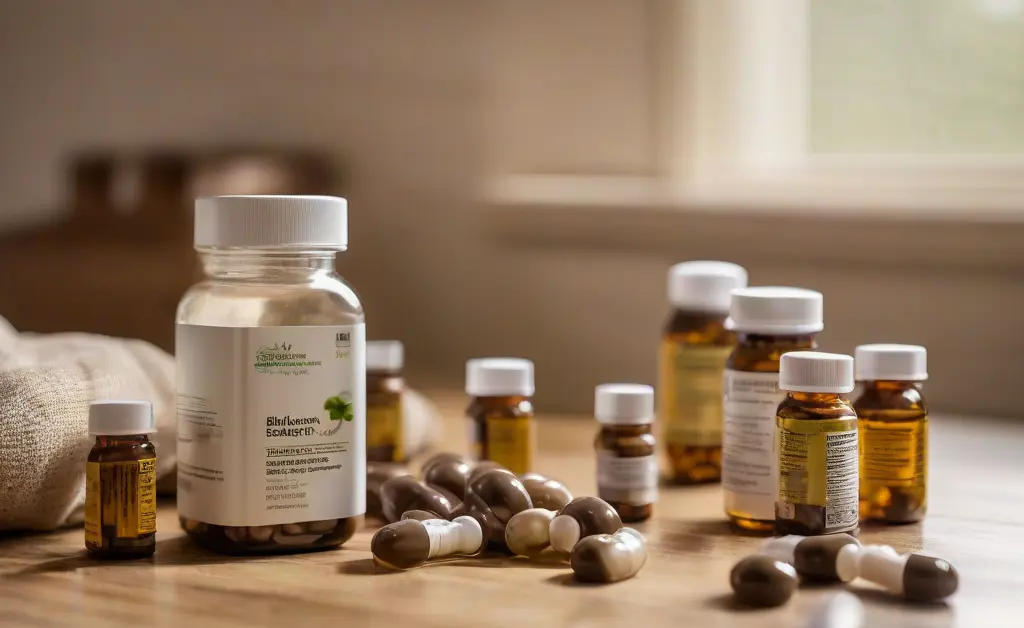
Just as food items have a ‘best by’ date indicating when they are at their peak freshness and potency, dietary supplements, including mushroom capsules, also follow a similar principle. Consumers often wonder how long their supplements remain effective and safe to use. Understanding the longevity and efficacy of these products is crucial for ensuring their benefits are fully realized and to avoid consuming degraded ingredients. This comprehensive guide will explore the factors influencing mushroom capsule potency and expiration, providing essential insights into their shelf life, proper storage, and when it’s time to replace them to maintain optimal health support.
Understanding Mushroom Capsule Potency
The potency of mushroom capsules refers to the concentration and bioavailability of their active compounds. These compounds, such as polysaccharides, triterpenes, and other beneficial metabolites, are responsible for the purported health-supporting properties of various medicinal mushrooms. When evaluating the quality and efficacy of a mushroom supplement, potency is a key consideration. High-quality extraction methods and careful processing are vital to preserve these delicate compounds from the raw mushroom material into the final capsule form. Understanding what contributes to and detracts from this potency is essential for consumers seeking the most effective products.
Understanding Manufacturing Dates
Manufacturing dates provide a crucial starting point for understanding a product’s shelf life. This date indicates when the mushroom capsules were produced and encapsulated. From this point, manufacturers typically project the period during which the product is expected to retain its stated potency and quality. It’s not an expiration date in itself, but rather the genesis of the product’s journey. Being aware of the manufacturing date helps consumers gauge the freshness of their supplement, especially when combined with knowledge of typical shelf lives for such products. A product manufactured recently is generally more likely to deliver its intended effects compared to one that has been sitting on a shelf for an extended period, even if not yet past its “best by” date.
Signs of Degradation
Even before reaching a “best by” date, mushroom capsules can exhibit signs of degradation if not stored properly or if they were exposed to adverse conditions. Visual changes might include discoloration, such as fading or darkening of the powder inside the capsule, or the appearance of clumps if moisture has entered. A noticeable change in odor, especially a musty or off-putting smell, is another strong indicator that the product may no longer be at its best. The capsules themselves might become brittle, sticky, or discolored. While these signs do not always mean the product is unsafe, they do suggest a potential loss of active compounds and thus a reduction in effectiveness. Recognizing these indicators can help consumers make informed decisions about their supplements.
How to Tell If They’re Still Good
Determining if mushroom capsules are still good involves a combination of factors. The primary indicator is the “best by” or “expiration” date provided by the manufacturer. If within this timeframe, and stored correctly, they are generally considered good. Beyond that, observing the physical characteristics of the capsules is important. As mentioned, look for any changes in color, texture, or smell. If the capsules appear as they did when first purchased, without any visual or olfactory abnormalities, they are more likely to have retained their integrity. Ultimately, when in doubt, especially if there are any concerning signs or if the product is well past its suggested shelf life, it may be prudent to err on the side of caution. This comprehensive approach helps consumers assess their `mushroom capsule potency and expiration` status.
Mushroom Capsule Expiration: What to Expect
The concept of expiration for supplements like mushroom capsules is multifaceted. While they don’t spoil in the same way perishable foods do, their active compounds can degrade over time, leading to a reduction in efficacy. What consumers should expect is a gradual decline in the concentration of beneficial constituents rather than a sudden transformation into something harmful. Manufacturers set guidelines to ensure that consumers receive the full benefits of the product when consumed within the recommended timeframe. Understanding these guidelines, along with the underlying reasons for expiration, helps manage expectations and usage.
Typical Shelf Life of Mushroom Capsules
The typical shelf life of mushroom capsules can vary significantly depending on the type of mushroom, the extraction method, formulation, and packaging. Generally, most reputable manufacturers formulate their mushroom capsule products to maintain potency for one to three years from the manufacturing date, provided they are stored under ideal conditions. Dried extracts, which are common in capsules, tend to be more stable than raw powdered mushrooms. Always refer to the specific “best by” or expiration date printed on the product packaging, as this reflects the manufacturer’s assessment based on their specific product and stability testing. This period reflects the expected duration for optimal `mushroom capsule potency and expiration` performance.
The Role of Best-By Dates
Best-by dates on mushroom capsules are not strict safety deadlines but rather indicators of peak quality and potency. They suggest the period during which the manufacturer guarantees that the product will retain its stated concentration of active ingredients and provide the expected benefits. Consuming capsules shortly after this date may not pose a safety risk, but there is an increased likelihood that the concentration of beneficial compounds has begun to diminish. This means the supplement may not be as effective as it once was. For consumers seeking maximum benefit from their mushroom supplements, adhering to these best-by dates is recommended to ensure they receive the full therapeutic value.
Why Do Mushroom Capsules Expire?
Mushroom capsules expire primarily due to the natural degradation of their active compounds over time. Factors like exposure to oxygen, light, heat, and moisture can break down the delicate polysaccharides, triterpenes, and other bioactive molecules within the mushroom extract. This process reduces the concentration of these beneficial components, leading to a loss of potency. While the product may not become “toxic,” its ability to deliver the desired health support diminishes. The excipients and capsule materials themselves can also degrade, affecting the overall integrity and stability of the product. Manufacturers carefully test their formulations to determine how long these compounds remain stable and effective under normal storage conditions, thus setting the expiration or best-by dates.
Factors Affecting Potency and Shelf Life
Several critical factors influence both the initial potency and the eventual shelf life of mushroom capsules. These include the quality of the raw mushroom material, the extraction and processing methods used, the formulation of the capsule (e.g., fillers, binders), and most significantly, the packaging and storage conditions. High-quality raw materials and efficient extraction techniques are paramount for creating a potent product from the outset. However, even the most potent capsule can lose its efficacy quickly if not protected from environmental stressors. Understanding these variables empowers consumers to choose and store their supplements wisely, thereby preserving `mushroom capsule potency and expiration` timelines effectively.
Shelf Life & Storage Guide
Proper storage is paramount for maintaining the efficacy and extending the shelf life of mushroom capsules. The primary enemies of supplement stability are heat, light, air, and moisture. To preserve potency, mushroom capsules should ideally be stored in a cool, dark, and dry place. This often means away from direct sunlight, windows, and heat sources like stoves or heaters. Bathrooms and refrigerators are generally not ideal storage locations due to fluctuating humidity levels, which can introduce moisture. Keeping the capsules in their original airtight container is also crucial, as this protects them from oxidation and external contaminants. Following these simple storage guidelines can significantly help in preserving the active compounds and ensuring the product remains effective until its best-by date.
How to Maximize Mushroom Capsule Potency and Shelf Life
Maximizing the potency and shelf life of mushroom capsules involves a combination of careful purchasing and diligent storage practices. Begin by selecting products from reputable brands that provide transparency about their sourcing, extraction methods, and third-party testing. This ensures you are starting with a high-quality, potent product. Once purchased, adhere strictly to the recommended storage guidelines, which typically include keeping the capsules in a cool, dark, and dry place, away from direct light, heat, and humidity. Always keep them in their original, tightly sealed container to minimize exposure to air and moisture. Avoid transferring them to different containers unless absolutely necessary and ensure the new container is opaque and airtight. By being mindful of these steps, consumers can significantly help preserve the `mushroom capsule potency and expiration` profile of their supplements, ensuring they derive maximum benefit from each dose until the recommended consumption period.
When to Discard Mushroom Capsules
Knowing when to discard mushroom capsule products is as important as understanding how to store them. The most straightforward rule is to discard any capsules that have passed their “best by” or expiration date. While consuming them immediately after this date might not cause harm, their effectiveness will likely have diminished significantly. Beyond dates, any visible signs of degradation such as discoloration, clumping, unusual odor, or changes in capsule texture (e.g., stickiness, brittleness) are strong indicators that the product should no longer be used. If the seal was broken upon purchase, or if there’s any suspicion of contamination or improper storage conditions that may have compromised the product, it’s best to err on the side of caution and dispose of them responsibly.
Importance of Not Consuming Expired Products
While expired mushroom capsules may not necessarily become harmful in the way spoiled food does, consuming them carries several disadvantages. The primary concern is reduced efficacy. Over time, the active compounds responsible for the mushroom’s purported benefits degrade, meaning you might not receive the intended health support. This can lead to a waste of money and a false sense of security that you are benefiting from the supplement. In some cases, though less common, degraded ingredients could potentially lead to minor digestive upset or other mild, unexpected reactions, especially if moisture has introduced mold or bacteria. Therefore, it is generally recommended to avoid consuming expired products to ensure you are receiving a safe and effective supplement experience. Prioritizing freshness ensures optimal absorption and benefits from your mushroom capsules.
The information in this article is intended for knowledge purposes only. It is not a substitute for professional medical advice, diagnosis, or treatment. Always seek the advice of your physician or other qualified health provider with any questions you may have regarding a medical condition. Never disregard professional medical advice or delay in seeking it because of something you have read in this article. Relying on information from this article is solely at your own risk.
FAQ
How long do mushroom capsules last?
The shelf life of mushroom capsules is influenced by factors like storage conditions and the specific mushroom species. Properly stored capsules can maintain their quality and beneficial compounds for an extended period. However, degradation can occur over time, potentially affecting the potency of the active ingredients.
Can you still take mushroom capsules after the expiration date?
While not recommended, consuming mushroom capsules past their expiration date may not cause harm, but their effectiveness could be significantly diminished. The active compounds within the mushrooms may have degraded, reducing their intended benefits. It is generally advisable to use supplements before their indicated expiration.
What is the average shelf life of mushroom supplements?
The average shelf life for mushroom supplements typically ranges from one to two years when stored in a cool, dry place away from direct sunlight. This timeframe allows for the preservation of the beneficial compounds that make these supplements sought after. Adhering to recommended storage practices is key to maximizing this period.
How can I tell if my mushroom capsules have gone bad?
You can often tell if mushroom capsules have gone bad by observing changes in their appearance, such as discoloration or the presence of mold. An off odor, different from the natural earthy scent of mushrooms, is another indicator. If the capsules are sticking together or have an unusual texture, it suggests they may no longer be of optimal quality. The mushroom capsule potency and expiration date are important indicators of product integrity.
Continue reading
You May Also Like

mushroom capsules amazon | Shop Top Brands & Sellers
This clear roadmap for how to learn Python takes you from the basics to building your first project while helping you avoid common mistakes.
mushroom capsules australia | Buy Quality Extracts Online
Source high-quality mushroom capsules Australia-wide from our online store, offering a curated range of potent, trusted extracts for daily wellness.
Buy mushroom capsules chemist warehouse | Best Prices AU
View the complete range of mushroom capsules Chemist Warehouse stocks, featuring various types and popular brands at our famously low prices.