
Exploring Mushroom Capsules for Memory Support
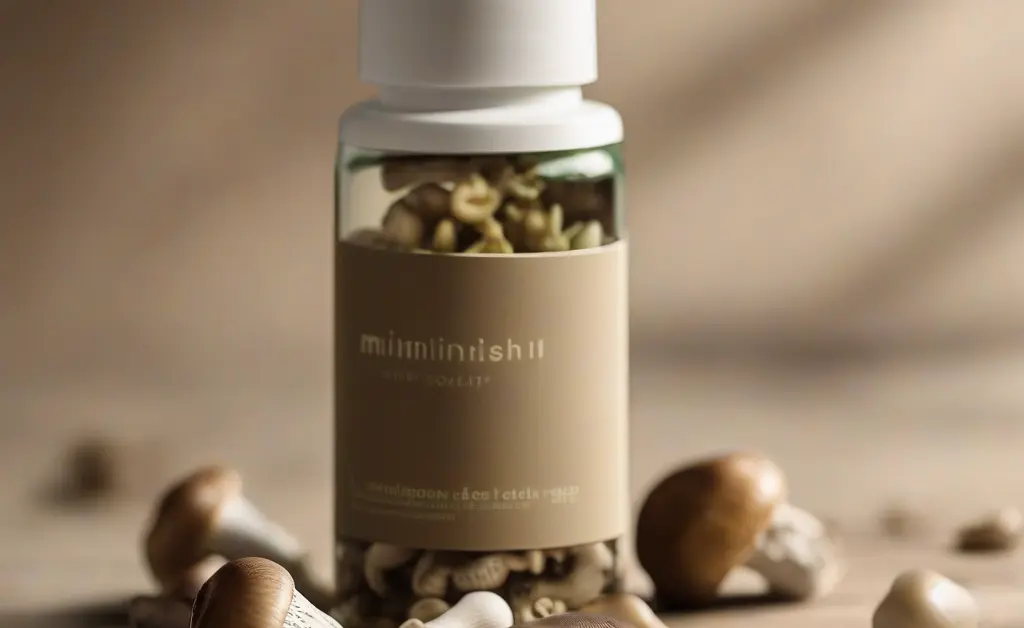
Mushroom capsules for memory are concentrated dietary supplements derived from various fungi, often celebrated for their potential cognitive benefits. These formulations typically contain extracts from specific mushroom species, such as Lion’s Mane, which are traditionally recognized for their ability to support brain function. Designed to be easily integrated into a daily wellness routine, these capsules aim to provide a convenient way to harness the natural compounds found in medicinal mushrooms. The growing interest in natural health solutions has led many to explore how these botanical aids might contribute to enhanced mental clarity, focus, and overall cognitive well-being. This exploration delves into the science and practical aspects of utilizing these unique supplements.
What are Mushroom Capsules for Memory?
Mushroom capsules designed for memory support are dietary supplements that encapsulate extracts from various medicinal fungi. These capsules typically concentrate beneficial compounds believed to support cognitive function, offering a convenient way to consume these natural ingredients. They are distinct from culinary mushrooms, focusing on specific species known for their potential brain-boosting properties. The primary goal of these capsules is to provide a targeted approach to enhancing mental performance and maintaining brain health.
Lion’s Mane mushroom for memory
Lion’s Mane (Hericium erinaceus) is one of the most prominent mushroom species featured in supplements aimed at cognitive enhancement. It has a long history of use in traditional Eastern medicine and is recognized for its unique appearance, resembling a white, shaggy mane. For memory, Lion’s Mane is particularly noted for compounds such as hericenones and erinacines, which are studied for their potential role in stimulating nerve growth factor (NGF) production. NGF is a protein that plays a crucial role in the maintenance, survival, and regeneration of neurons, which are vital for healthy brain function and memory processes. You can find more information on mushroom powder for brain health.
How They Work for Cognitive Health
The mechanisms by which mushroom capsules for memory may support cognitive health are multifaceted. Many medicinal mushrooms contain bioactive compounds like polysaccharides (beta-glucans), triterpenes, and antioxidants. These components are thought to interact with various systems in the body that influence brain function. Some mechanisms include supporting neurogenesis, the growth of new brain cells, and enhancing nerve cell communication. They may also contribute to reducing oxidative stress and inflammation, factors that can impact cognitive performance. By promoting an optimal environment for neuronal health, these supplements aim to support mental clarity, focus, and overall cognitive well-being. For instance, research into their effects is supported by institutions like NIH.
Benefits of Mushroom Capsules for Memory
Incorporating mushroom capsules into a wellness routine may offer several potential benefits for cognitive function. These supplements are often sought after by individuals looking to naturally support their mental acuity and maintain long-term brain health. The diverse array of compounds found in various medicinal mushrooms contributes to their perceived advantages.
Improved Recall and Retention
One of the primary reasons individuals consider mushroom capsules is for their potential to support memory recall and retention. Some mushroom compounds are believed to help strengthen neural pathways and enhance synaptic plasticity, which are fundamental to how memories are formed and accessed. While individual results can vary, the goal is often to experience a more fluid and efficient memory process, helping individuals remember information more easily and for longer durations.
Enhanced Focus and Concentration
Beyond memory, many users report an improvement in their ability to focus and concentrate when taking certain mushroom supplements. This may be attributed to the potential for these compounds to support stable energy levels in the brain and optimize neurotransmitter activity. A more balanced brain environment can lead to a reduction in mental fogginess, allowing for sustained attention and improved task performance throughout the day.
Neuroprotective Properties
Certain mushrooms, particularly Lion’s Mane, are studied for their potential neuroprotective qualities. This means they may help protect brain cells from damage caused by environmental stressors or the natural aging process. Antioxidants within these mushrooms can combat free radicals, which are unstable molecules that can harm cells. Supporting the health and longevity of neurons is a key aspect of maintaining cognitive function over time.
Support for Overall Brain Health
Ultimately, the various benefits of mushroom capsules for memory contribute to a broader goal of supporting overall brain health. By potentially aiding in neurogenesis, reducing inflammation, enhancing connectivity, and providing antioxidant support, these supplements aim to create an optimal environment for the brain to thrive. This holistic approach can contribute to better cognitive function across multiple domains, supporting mental resilience and well-being. These mushroom capsules can be a part of a comprehensive strategy for maintaining cognitive vitality.
Types of Mushrooms for Memory Enhancement
Several species of medicinal mushrooms are frequently incorporated into mushroom capsules for memory enhancement, each offering a unique profile of bioactive compounds. While Lion’s Mane often takes center stage for cognitive support, other mushrooms may also contribute to brain health through different mechanisms. Understanding these varieties can help in choosing appropriate mushroom capsules.
- Lion’s Mane (Hericium erinaceus): As discussed, Lion’s Mane is highly regarded for its potential to support nerve growth factor (NGF) production, which is crucial for neuronal health, plasticity, and memory. It is often the top choice for cognitive support.
- Reishi (Ganoderma lucidum): Known as the “mushroom of immortality,” Reishi is traditionally valued for its adaptogenic properties, which may help the body manage stress. While not directly linked to memory in the same way as Lion’s Mane, its ability to promote calmness and reduce stress can indirectly support cognitive function by improving mental clarity and reducing brain fog.
- Cordyceps (Cordyceps sinensis/militaris): Cordyceps is often associated with energy and endurance. By potentially improving oxygen utilization and cellular energy production, it might contribute to sustained mental stamina and alertness, which can indirectly benefit focus and concentration for cognitive tasks.
- Chaga (Inonotus obliquus): Rich in antioxidants, Chaga is primarily known for its immune-modulating and anti-inflammatory properties. By helping to reduce oxidative stress and inflammation, Chaga could contribute to a healthier brain environment, indirectly supporting cognitive function.
- التركيز (Tremella Fuciformis): Also known as Snow Fungus, Tremella is recognized for its potential to support skin hydration, but it also contains compounds that may be neuroprotective and support brain health, similar to its role in maintaining cellular integrity.
Often, mushroom capsules for memory will feature blends of these mushrooms to leverage their synergistic effects, aiming for comprehensive cognitive support. For those interested in specific culinary mushrooms, exploring portobello mushroom benefits for men might offer insights into other nutritional aspects of fungi.
How to Choose the Best Mushroom Capsules for Memory
Selecting effective mushroom capsules for memory requires careful consideration of several factors to ensure quality, potency, and suitability for individual needs. With many products on the market, understanding what to look for can help consumers make informed decisions.
- Key Ingredients to Look For: Prioritize products that clearly list the specific mushroom species and the part of the mushroom used (e.g., fruiting body vs. mycelium). For memory, Lion’s Mane is often a primary component, so verify its presence and concentration.
- Extraction Method: Look for “extract” on the label. Hot water or dual extraction methods are often preferred as they effectively draw out beneficial compounds like beta-glucans and triterpenes, which are critical for potency.
- Dosage and Potency: While specific dosage recommendations vary, compare the potency (e.g., concentration of active compounds like beta-glucans) across products. Opt for capsules that offer a sufficient amount of the active ingredients.
- Third-Party Testing and Certifications: Reputable brands will often provide evidence of third-party testing for purity, potency, and absence of contaminants like heavy metals, pesticides, and microbial impurities. Certifications like USDA Organic or Non-GMO Project Verified can also indicate quality.
- Brand Reputation and Reviews: Research the brand’s history, manufacturing practices, and customer reviews. A transparent company with positive feedback and a focus on sustainability often indicates a higher-quality product.
- Formulation: Consider whether you prefer a single-species mushroom capsule or a blend. Blends can offer a broader spectrum of benefits, but a single-species product might be better if you’re targeting a specific benefit like Lion’s Mane for memory.
By evaluating these aspects, individuals can increase their chances of finding mushroom capsules that align with their cognitive support goals. Exploring other mushroom benefits, such as those found in oyster mushroom benefits, can further broaden understanding of these fungi.
How to Use Mushroom Capsules for Memory
Integrating mushroom capsules for memory into a daily routine is generally straightforward, but understanding the best practices can help maximize their potential benefits. Consistent use and patience are often key to observing any noticeable effects.
- Recommended Dosage: Always follow the dosage instructions provided on the product label. These recommendations are formulated based on the concentration and type of mushroom extract in the specific product. Avoid exceeding suggested amounts unless advised by a qualified professional.
- When to Take Them: Some individuals prefer to take their mushroom capsules in the morning to potentially support focus and energy throughout the day, while others may split their intake. Pay attention to how your body responds and adjust the timing as needed to suit your personal schedule and goals.
- Consistency and Patience: Medicinal mushrooms often work by supporting underlying physiological processes, which can take time. It’s common for effects to become more apparent after several weeks or even months of consistent daily use. Patience and adherence to a regular regimen are important for evaluating their efficacy.
- With or Without Food: Most mushroom capsules can be taken with or without food. However, if you experience any mild digestive discomfort, taking them with a meal might be beneficial.
- Hydration: Maintaining adequate hydration is always important for overall health, including cognitive function, and can complement the effects of any supplement regimen.
Always consult with a healthcare provider before starting any new supplement, especially if you have underlying health conditions or are taking other medications. Some people explore mushroom extracts for sleep, which might be relevant for overall health and cognitive function.
Effectiveness of Mushroom Capsules for Memory
The effectiveness of mushroom capsules for memory is an area of ongoing interest, with both traditional use and modern research contributing to our understanding. While individual experiences can vary, many users report positive changes in their cognitive abilities.
Traditional medicine systems have long utilized mushrooms like Lion’s Mane for their purported brain-boosting properties. Contemporary scientific studies have explored the mechanisms behind these traditional claims. For example, research on Lion’s Mane has investigated its potential to stimulate Nerve Growth Factor (NGF) synthesis, which is crucial for neurogenesis and the health of neurons. Other mushroom species also contain compounds that may support the brain through antioxidant, anti-inflammatory, or adaptogenic effects. It is noted that some mushroom extracts are also researched for their potential to aid with sleep, which can be crucial for cognitive restoration.
It’s important to approach these supplements with realistic expectations. They are generally considered supportive aids rather than immediate fixes. The benefits of mushroom capsules for memory may accumulate over time with consistent use, and results can be influenced by factors such as the quality of the extract, individual metabolism, lifestyle, and overall health status. While promising, the body of scientific evidence is continually expanding, and more extensive human clinical trials are often needed to fully substantiate the extent of their efficacy in diverse populations.
Potential Side Effects and Precautions
While mushroom capsules are generally well-tolerated by many individuals, it is important to be aware of potential side effects and necessary precautions. As with any supplement, individual responses can vary.
- Common Side Effects: Some individuals may experience mild digestive upset, such as stomach discomfort, diarrhea, or gas, especially when first starting mushroom supplements. Allergic reactions, though rare, can also occur, manifesting as skin rashes or itching.
- Interactions with Medications: Mushroom extracts can potentially interact with certain medications. For instance, some mushrooms might have anticoagulant properties and could enhance the effects of blood-thinning medications. Others might affect blood sugar levels, which could be a concern for individuals on diabetes medication. Always consult a healthcare provider if you are taking prescription drugs.
- Who Should Avoid Mushroom Supplements: Pregnant or nursing individuals, those with mushroom allergies, or people with certain autoimmune conditions should exercise caution or avoid mushroom supplements unless specifically advised by a doctor. Individuals undergoing surgery should also discuss their supplement use with their medical team due to potential effects on blood clotting.
- Quality and Purity: Ensuring the product’s quality is paramount to minimizing risks. Opt for reputable brands that conduct third-party testing to confirm purity and potency, and to screen for contaminants like heavy metals, pesticides, and mold.
Listening to your body and seeking professional medical advice before starting any new supplement regimen is always recommended to ensure safety and suitability.
Where to Buy Mushroom Capsules for Memory
Mushroom capsules for memory are becoming increasingly accessible as their popularity grows. Consumers have several options for purchasing these supplements, ranging from specialized health stores to online retailers.
- Online Retailers: E-commerce platforms are a popular choice due to their wide selection, competitive pricing, and convenience. Many reputable brands sell directly from their websites, offering detailed product information, customer reviews, and sometimes subscription options. Large online marketplaces also carry numerous brands, though it’s crucial to research individual sellers and products carefully.
- Health Food Stores: Many natural health food stores, vitamin shops, and wellness centers stock a variety of mushroom supplements. Shopping in person allows you to speak with knowledgeable staff who can offer recommendations and answer questions about specific products.
- Direct from Manufacturers: Purchasing directly from the mushroom supplement manufacturer’s website can ensure authenticity and freshness. This route often provides the most comprehensive product details, including sourcing, extraction methods, and third-party test results. It also allows consumers to take advantage of any loyalty programs or exclusive offers.
- Pharmacies and Drugstores: Some larger pharmacies and drugstores are now expanding their wellness sections to include medicinal mushroom products, particularly from well-known supplement brands.
Regardless of where you choose to buy, prioritize products from transparent brands that provide clear ingredient lists, dosage recommendations, and evidence of quality testing to ensure you are getting a safe and effective product.
The exploration of mushroom capsules for memory reveals a growing field of interest in natural approaches to cognitive support. With species like Lion’s Mane leading the way, these supplements offer a concentrated source of compounds traditionally recognized for their potential to enhance recall, improve focus, and contribute to overall brain health. While individual experiences may vary, understanding the different types of mushrooms, how to select quality products, and proper usage can help individuals integrate these botanical aids into their wellness journey. As research continues to uncover the intricate benefits of medicinal mushrooms, they remain a promising avenue for those seeking to support their cognitive vitality.
This article is meant for general informational use and awareness. It is not intended to provide medical advice, diagnosis, or treatment. Always consult with a qualified healthcare professional before making any decisions about your health or starting any new supplement regimen. Individual results from supplements may vary, and their efficacy is often dependent on various personal factors.
FAQ
What is the best mushroom for memory?
Mushrooms like Lion’s Mane have been studied for their potential to support cognitive functions. These mushrooms contain compounds that are thought to influence nerve growth factors, which are crucial for brain health and memory. Specific compounds within these fungi are the focus of research into their effects on the brain.
Are mushroom capsules good for brain health?
Mushroom capsules can offer a convenient way to consume beneficial compounds found in medicinal mushrooms. Certain mushrooms are known for their potential to support cognitive processes and overall brain vitality. The extraction and processing methods used in capsule production are important for preserving these valuable constituents.
What mushrooms help with cognitive function?
Lion’s Mane is frequently highlighted for its potential to enhance cognitive abilities. Reishi and Cordyceps are also investigated for their complementary effects on mental clarity and focus. These mushrooms contain polysaccharides and other bioactive compounds that contribute to their reputation in supporting brain performance.
How long does it take for mushroom capsules to improve memory?
The timeframe for experiencing potential benefits from mushroom capsules can vary significantly among individuals. Consistent daily use is often recommended to allow the body to integrate the compounds. Factors such as diet, lifestyle, and the specific formulation of the capsules can influence the onset of noticeable effects.
Do mushroom capsules really work?
Research into the efficacy of mushroom capsules is ongoing, with many studies exploring the active compounds within these natural products. Certain compounds found in medicinal mushrooms are known to interact with biological pathways relevant to brain health and cognitive performance. The effectiveness can depend on the quality of the mushroom extract and the individual’s unique physiology.
Does Lion’s Mane actually help with memory?
Lion’s Mane mushroom has been the subject of scientific inquiry regarding its impact on memory and cognitive function. Compounds like hericenones and erinacines found in Lion’s Mane are believed to stimulate the production of nerve growth factor (NGF). This biological process is fundamental to maintaining and potentially improving neuronal health, which is closely linked to memory capabilities, making mushroom capsules for memory a popular area of interest.