
Understanding Mushroom Capsules Strength & Dosage Guide
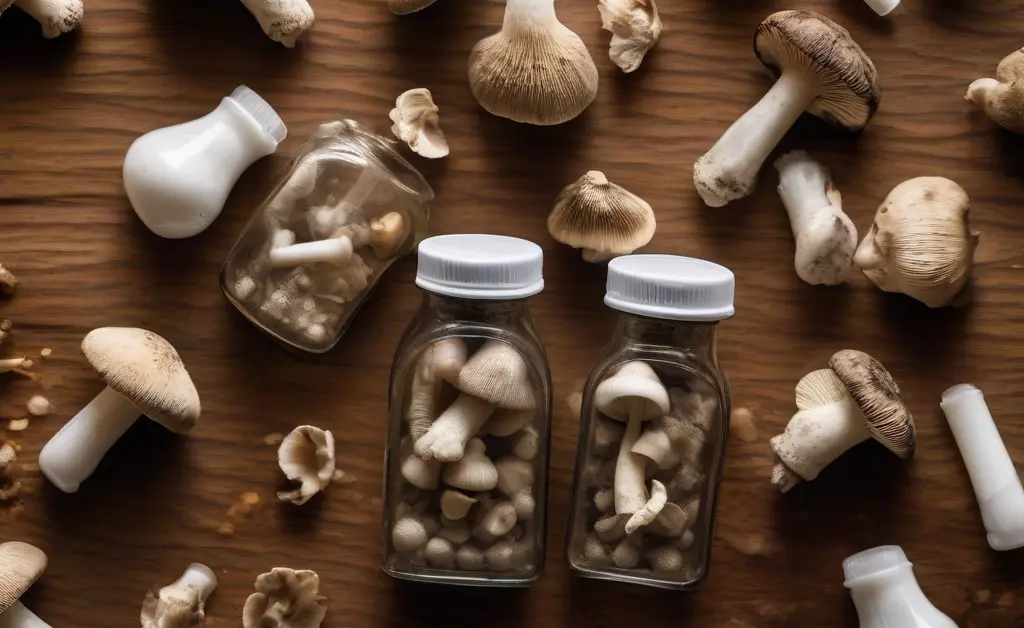
Mushroom capsules have emerged as a popular dietary supplement, offering a convenient way to integrate the diverse benefits of various fungi into one’s health regimen. These concentrated forms of mushrooms aim to support everything from cognitive function to immune health, depending on the specific type of mushroom used. Understanding the distinct properties of each mushroom, along with the purity and concentration of the supplement, is crucial for consumers seeking optimal wellness support. This guide delves into key considerations for these supplements, exploring factors that contribute to their effectiveness and helping you make informed choices regarding mushroom capsules strength. It’s about more than just taking a pill; it’s about harnessing nature’s power effectively for your well-being.
What Are Mushroom Capsules?
Mushroom capsules are dietary supplements that contain concentrated forms of various fungi, typically in a powdered or extract form, enclosed within a capsule shell. They provide a convenient and standardized way to consume mushrooms known for their potential health-supporting properties without needing to cook or prepare fresh fungi. The composition often involves either the whole mushroom fruiting body, mycelial biomass, or an extract that concentrates specific beneficial compounds. The process of creating these capsules usually involves carefully drying the mushrooms, grinding them into a fine powder, and then encapsulating this powder. Some manufacturers also employ extraction methods, often using hot water or alcohol, to isolate and concentrate particular compounds like beta-glucans or triterpenes, aiming to enhance the overall potency of the supplement.
Types of Mushroom Capsules

The world of medicinal mushrooms is vast, with each species offering a unique profile of potential benefits. Mushroom capsules allow consumers to access these diverse properties in an easy-to-take format. The specific type of mushroom used directly influences the intended effects and often the overall profile of the mushroom capsules strength.
Lion’s Mane Mushroom Capsules
Lion’s Mane (Hericium erinaceus) is a distinctive-looking mushroom traditionally recognized for its potential neuroprotective qualities. Capsules made from Lion’s Mane are often sought after by individuals looking to support cognitive function, mental clarity, and focus. Research has explored its compounds, such as hericenones and erinacines, for their roles in nerve growth factor synthesis, which may contribute to brain health.
Reishi Mushroom Capsules
Known as the “Mushroom of Immortality” in traditional Eastern medicine, Reishi (Ganoderma lucidum) is an adaptogenic fungus. Reishi mushroom capsules are frequently used for their potential to support the body’s natural response to stress, promote relaxation, and aid in maintaining overall balance. Its triterpenes and polysaccharides are often studied for their purported contributions to immune system modulation and a sense of calm.
Cordyceps Mushroom Capsules
Cordyceps (Cordyceps sinensis or Cordyceps militaris) has a long history of use in traditional practices for enhancing stamina and energy. Athletes and those seeking to support physical performance often turn to Cordyceps mushroom capsules. This fungus is studied for its potential role in cellular energy production, which may contribute to endurance and vitality.
Chaga Mushroom Capsules
Chaga (Inonotus obliquus) is a fungus that grows primarily on birch trees in cold climates. It is rich in antioxidants, which are compounds that help protect cells from oxidative stress. Chaga mushroom capsules are commonly utilized for their potential immune-modulating properties and their high concentration of beneficial compounds, including polyphenols and triterpenes.
Turkey Tail Mushroom Capsules
Turkey Tail (Trametes versicolor) is a common, shelf-like fungus known for its colorful, fan-shaped appearance. It has been extensively studied for its immune-supporting polysaccharides, particularly polysaccharide-K (PSK) and polysaccharopeptide (PSP). Turkey Tail mushroom capsules are often chosen by individuals looking to bolster their immune defenses and support general wellness.
Blended Mushroom Capsules
Beyond single-species supplements, blended mushroom capsules combine several types of mushrooms into one product. These formulations aim to provide a broader spectrum of benefits by leveraging the synergistic effects of different fungi. For example, a blend might combine Lion’s Mane for cognitive support, Reishi for stress adaptation, and Turkey Tail for immune health, offering a comprehensive approach to well-being. The overall profile of such blends is often designed to provide a balanced array of potential advantages.
Benefits of Mushroom Capsules
Mushroom capsules offer a convenient way to access a wide array of potential health benefits attributed to various fungi. These benefits are diverse and often depend on the specific mushroom species included in the capsule. Many mushrooms are recognized for their adaptogenic properties, meaning they may help the body adapt to various stressors and maintain balance. For instance, certain mushroom capsules may help support cognitive function, promoting mental clarity and focus, while others are traditionally used to bolster the immune system, helping the body’s natural defenses. Some varieties are explored for their potential to enhance energy and stamina, making them popular among those seeking vitality. Additionally, certain mushrooms are studied for their role in supporting a healthy stress response and promoting a balanced mood. The overall effectiveness and perceived benefits can often be linked to the quality and mushroom capsules strength of the product, as a well-formulated supplement aims to deliver the active compounds efficiently.
Choosing the Right Mushroom Capsules
Selecting the appropriate mushroom capsules involves considering several factors beyond just the type of mushroom. The source and quality of the mushrooms are paramount; reputable brands often provide information about where their mushrooms are grown and their cultivation practices. Third-party testing and certifications can offer assurance regarding purity and the absence of contaminants. Furthermore, understanding the formulation—whether it’s a whole mushroom powder or a concentrated extract—is crucial, as extracts typically offer a higher concentration of specific beneficial compounds. Evaluating these aspects helps consumers make informed decisions about the overall mushroom capsules strength and quality they are purchasing.
Potency and Dosage
The potency of mushroom capsules refers to the concentration of active compounds within the supplement. This can vary significantly between products and brands. A higher potency generally indicates a greater concentration of beneficial constituents, which may influence the perceived effectiveness. Dosage, on the other hand, relates to the quantity of the supplement suggested for consumption. It’s important to understand that potency and dosage work together to determine the total amount of active compounds delivered to the body. The general guidance on mushroom powder dosage can be helpful here.
Understanding Milligrams (mg) per Serving
When examining mushroom capsules, you will often see the quantity of mushroom material listed in milligrams (mg) per serving. This number indicates the weight of the mushroom powder or extract contained within the capsule(s) for a single serving. For whole mushroom powders, it represents the total amount of dried mushroom material. For extracts, the milligram value signifies the weight of the concentrated extract. Some manufacturers will also specify the percentage of certain active compounds, like beta-glucans, within that milligram serving, which provides a more precise indication of the mushroom capsules strength. Learning more about mushroom capsules mg can clarify this.
Recommended Dosage Guidelines
Manufacturers typically provide recommended dosage guidelines on their product labels. These suggestions are usually based on the concentration of the product and the intended use. It is generally advisable to follow these recommendations. However, individual responses to supplements can vary, and consulting with a healthcare professional before starting any new supplement regimen is often recommended, especially to discuss how any mushroom capsules strength might fit with personal health goals. These mushroom capsules dosage guidelines are a crucial starting point.
Mushroom Dosage Effects

The effects experienced from mushroom capsules can be influenced by various factors, including the type of mushroom, the individual’s unique physiological makeup, and the concentration of active compounds in the supplement. A higher mushroom capsules strength, for instance, might be perceived differently by individuals compared to a lower concentration. People may experience a range of subtle effects, such as improved energy levels, enhanced focus, or a sense of calm, depending on the specific mushroom used. It’s important to note that responses can be highly individual, and consistent use over time is often suggested before evaluating the potential impact. Observing how one’s body responds and adjusting usage under professional guidance is a common approach. Understanding dosage is essential for these effects.
How to Use Mushroom Capsules
Using mushroom capsules effectively generally involves incorporating them consistently into your daily routine. Most manufacturers provide specific instructions on their product labels regarding how many capsules to take and whether they should be taken with food or on an empty stomach. Some people prefer to take their mushroom supplements in the morning to support cognitive function or energy throughout the day, while others might opt for evening intake, particularly with calming mushrooms like Reishi, to potentially aid relaxation. Consistency is often key to experiencing the intended benefits, as the effects of many natural supplements tend to accumulate over time. Always adhere to the guidance provided by the supplement manufacturer for optimal use.
Potential Side Effects and Precautions
While mushroom capsules are generally considered well-tolerated, some individuals may experience mild side effects. These can occasionally include digestive upset, such as gas, bloating, or diarrhea, especially when first introducing them to the diet. It’s always prudent to start with a lower serving size to assess tolerance. Furthermore, certain mushroom varieties may interact with medications, particularly those that affect blood clotting, blood sugar levels, or the immune system. Individuals taking prescription medications or those with pre-existing health conditions should consult a healthcare professional before starting any new mushroom supplement. Special considerations are also advised for pregnant and breastfeeding individuals, who should seek medical advice prior to use. It’s important to be aware of general health guidelines, such as those provided by the WHO.
Mushroom capsules offer a promising avenue for integrating the rich benefits of various fungi into a daily wellness routine. By understanding the diverse types available, recognizing the importance of quality, and paying attention to potency, consumers can make informed choices tailored to their individual health objectives. As with any supplement, a thoughtful approach, combined with professional advice when needed, is key to safely and effectively harnessing the potential of these natural compounds for overall well-being.
The purpose of this content is to educate, not to diagnose or treat. The information provided is for general knowledge and informational purposes only, and does not constitute medical advice. Always seek the advice of a qualified healthcare professional for any questions you may have regarding a medical condition or before making any decisions about your health or treatment.
FAQ
What is the strongest mushroom capsule?
The potency of mushroom capsules is not determined by a single measurement but rather by the concentration and quality of the active compounds within the mushroom extract. Factors like the specific mushroom species, how it was grown, and the extraction method used all contribute to its overall strength. Responsible manufacturers will provide detailed information about the standardization of their extracts, often referencing key beneficial compounds like beta-glucans.
How many mg of mushroom should be in a capsule?
The amount of mushroom extract in a capsule can vary significantly based on the product’s formulation and intended use. Different mushroom species and extraction processes yield varying concentrations of beneficial compounds, influencing how much is needed for a specific effect. Understanding the concentration of key compounds, such as beta-glucans, is more informative than relying solely on the total milligrams per serving.
Continue reading
You May Also Like

mushroom capsules amazon | Shop Top Brands & Sellers
This clear roadmap for how to learn Python takes you from the basics to building your first project while helping you avoid common mistakes.

mushroom capsules australia | Buy Quality Extracts Online
Source high-quality mushroom capsules Australia-wide from our online store, offering a curated range of potent, trusted extracts for daily wellness.

Buy mushroom capsules chemist warehouse | Best Prices AU
View the complete range of mushroom capsules Chemist Warehouse stocks, featuring various types and popular brands at our famously low prices.