
mushroom capsules vs coffee: A Complete Comparison Guide
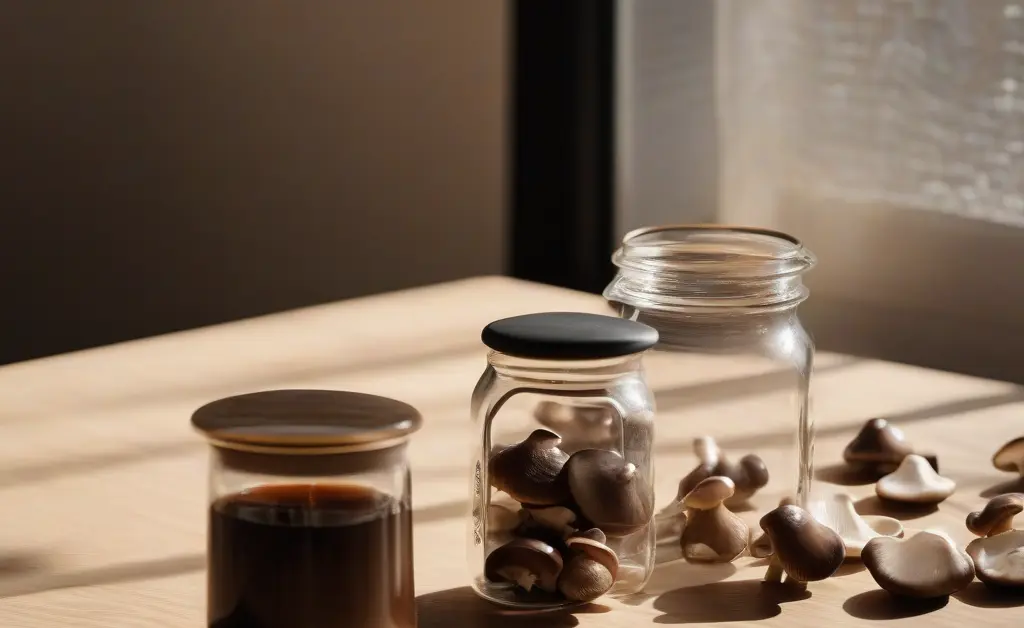
Many individuals find their morning routine, while providing an initial energy boost, often leads to an afternoon slump or unwanted caffeine jitters. Exploring functional mushrooms has emerged as a popular method to support sustained energy, mental clarity, and overall well-being without these common drawbacks. This shift represents a practical improvement for those seeking a more balanced start to their day. As the market for functional foods expands, consumers are presented with various options, prompting a closer look at the benefits and practical differences when considering mushroom capsules vs coffee. Understanding these distinctions is crucial for making an informed choice that aligns with personal health goals and daily habits.
Mushroom Coffee vs. Mushroom Capsules: A Comparison

When evaluating mushroom capsules vs coffee, it’s essential to understand their fundamental differences in composition, consumption, and effects. Both aim to deliver the benefits of functional mushrooms, but they do so through distinct mechanisms and user experiences, catering to varying preferences and lifestyles.
How is Mushroom Coffee Made?
Mushroom coffee typically blends powdered functional mushroom extracts with either instant coffee or ground coffee beans. The mushrooms are often dual-extracted to ensure a broad spectrum of beneficial compounds is available. This process allows consumers to enjoy the familiar ritual of coffee drinking while simultaneously incorporating the health-promoting properties of medicinal mushrooms. The aim is often to create a beverage that offers the traditional coffee experience with an added functional boost, sometimes with a reduced caffeine content.
Common Mushroom Types in Mushroom Coffee
Several types of functional mushrooms are popular in mushroom coffee formulations due to their traditionally recognized properties. Lion’s Mane is often included for its potential association with cognitive enhancement, while Chaga is valued for its rich antioxidant profile and immune support properties. Reishi, known as the “Mushroom of Immortality,” may contribute to relaxation and overall well-being. Cordyceps is frequently chosen for its potential to support energy and focus. These mushrooms are selected to complement the coffee experience, potentially offsetting some of coffee’s typical drawbacks.
Caffeine Content Comparison
One significant distinction in the discussion of mushroom capsules vs coffee relates to caffeine. Traditional coffee is known for its stimulating caffeine content, which can provide an immediate boost but may also lead to jitters or an energy crash later. Mushroom coffee often contains less caffeine than regular coffee, as the mushroom extract dilutes the coffee concentration or is blended with lower-caffeine varieties. In contrast, mushroom capsules typically contain no caffeine, offering a way to experience the benefits of mushrooms without any stimulant effects. This makes capsules an appealing option for individuals sensitive to caffeine or those seeking “Energy and Focus” without the buzz.
Taste and Consumption Experience
The taste and consumption experience differ markedly between these two forms. Mushroom coffee aims to deliver a familiar coffee flavor, though some varieties may have subtle earthy or umami notes from the mushrooms. For many, it integrates seamlessly into a morning routine, providing a comforting beverage. Mushroom capsules, on the other hand, are generally tasteless and swallowed with water. This offers a “Discreet Consumption” method that doesn’t alter dietary habits or beverage preferences, appealing to those who may not enjoy the taste of mushroom-infused drinks or who prefer a more straightforward supplementation.
Convenience and Portability
Both options offer a degree of convenience, but in different ways. Instant mushroom coffee can be very convenient, requiring only hot water, similar to regular instant coffee. However, for those who prefer brewed coffee, it requires typical brewing equipment. Mushroom capsules excel in “Convenient Supplementation” and “Portability.” They are easy to carry and can be taken anywhere with water, making them ideal for travel, work, or situations where brewing coffee is impractical. They represent a “Targeted Health Benefits” approach that can be easily integrated into any schedule. For those seeking these benefits in a portable format, consider mushroom capsules.
Cost-Effectiveness
Evaluating the cost-effectiveness of mushroom coffee versus capsules can be complex, as prices vary widely based on brand, mushroom types, and concentration. Mushroom coffee might appear more expensive per serving than standard coffee, but it often includes the added value of functional mushroom extracts. Capsules, while sometimes appearing pricier upfront, often deliver concentrated doses of mushroom compounds, which can be cost-effective for consistent, precise intake. Comparing “Mushroom Coffee” and “Mushroom Capsules” on cost should consider the concentration and quality of the active ingredients in each.
Choosing the Right Option for You
Deciding between mushroom capsules vs coffee ultimately depends on individual preferences, health goals, and lifestyle. Each option presents unique advantages and considerations. Understanding how capsules are formulated and the types of mushrooms they contain can help in making an informed decision tailored to your specific needs.
How are Mushroom Capsules Formulated?
Mushroom capsules are typically formulated by encapsulating finely ground functional mushroom powder or concentrated mushroom extracts into a digestible shell. The extracts are often standardized to contain specific levels of beneficial compounds, ensuring a consistent product. This formulation allows for precise and consistent intake, delivering concentrated “Medicinal Mushrooms” without the additional ingredients found in beverages. The encapsulation process protects the active ingredients and offers a convenient, flavorless way to consume these compounds.
Types of Medicinal Mushrooms in Capsules
Capsules often contain a wide array of “Medicinal Mushrooms,” either individually or in blends. Common types include Lion’s Mane, revered for its potential support of “Cognitive Enhancement”; Reishi, traditionally associated with stress support and relaxation; Chaga, valued for its antioxidant content; Cordyceps, often linked to energy and stamina; and Turkey Tail, which is studied for its “Immune Support” properties. These capsules provide a straightforward way to target specific wellness areas, allowing individuals to select mushrooms based on their desired “Targeted Health Benefits.”
Dosage and Potency
One of the key advantages of mushroom capsules is the ability to provide a consistent and measured amount of mushroom compounds. While specific numerical values are not given, it’s understood that capsules are formulated to deliver a certain “Potency” per serving, making it easier to maintain a regular intake. This contrasts with mushroom coffee, where the precise amount of mushroom extract might vary or be diluted by the coffee itself. Consumers can often find information regarding the concentration or extract ratio, allowing for a more controlled approach to “Convenient Supplementation.” It is always advisable to review product labels for details on their formulation and intended use, keeping in mind that effects can vary between individuals. Research into the efficacy of these compounds is ongoing, with organizations like NCBI providing access to scientific studies and data.
The choice between mushroom capsules and mushroom coffee ultimately comes down to personal preference and lifestyle. If you enjoy the ritual of coffee and seek a milder, integrated functional boost, mushroom coffee may be a suitable choice. For those prioritizing precise intake, “Discreet Consumption,” and avoiding caffeine, mushroom capsules offer a highly convenient and concentrated alternative. “Assessing Your Health Goals” and “Considering Your Lifestyle” are crucial steps in determining which form best aligns with your wellness journey. Both options provide avenues to explore the potential benefits of functional mushrooms, supporting overall well-being in their unique ways.
This article aims to inform, not to replace professional healthcare advice. It provides general information and should not be considered a substitute for medical guidance. Always consult with a qualified healthcare professional before making any decisions about your health, diet, or starting any new supplement regimen. Individual results may vary, and a healthcare provider can offer personalized advice based on your specific health conditions and needs.
FAQ
Are mushroom capsules better than mushroom coffee?
The choice between mushroom capsules and mushroom coffee depends on your personal preferences and desired outcomes. Capsules offer a concentrated dose of mushroom compounds without altering the taste of your beverage, while coffee provides a familiar and often energizing morning ritual. Each delivery method has its own advantages for incorporating functional mushrooms into your routine.
Is mushroom coffee good for you?
Mushroom coffee can be a part of a healthy lifestyle by offering the potential benefits associated with the specific functional mushrooms it contains. These mushrooms are known for their unique bioactive compounds that may support various aspects of well-being. When combined with the stimulating effects of coffee, it can offer a dual-action beverage.
What are the side effects of mushroom coffee?
Potential side effects from mushroom coffee are typically related to the coffee component, such as jitters or digestive upset in sensitive individuals. Some people may also experience mild digestive reactions to the specific types of mushrooms used, though this is less common. It is generally considered safe for most adults.
How long does it take for mushroom capsules to work?
The onset of effects from mushroom capsules can vary depending on the individual, the type of mushroom, and the dosage. Consistent daily use is often recommended to experience the cumulative benefits over time. Some individuals may notice subtle changes within a few weeks, while others might require longer periods.
What is Mushroom Coffee?
Mushroom coffee is a beverage that combines ground coffee beans with extracts from medicinal mushrooms, such as Lion’s Mane, Reishi, or Chaga. This blend aims to merge the familiar energy boost of coffee with the potential health-promoting properties of these fungi. The mushrooms are typically processed to increase the bioavailability of their beneficial compounds.
What are Mushroom Capsules?
Mushroom capsules are a convenient way to consume concentrated mushroom extracts in a familiar supplement form. These capsules typically contain powdered or extracted compounds from medicinal mushrooms, offering a straightforward method to incorporate their potential benefits into your daily wellness regimen. They provide a simple, odorless, and tasteless option for intake.
Benefits of Mushroom Coffee
Mushroom coffee may offer a synergistic combination of benefits, including the stimulating effects of coffee alongside the adaptogenic and immune-supportive properties attributed to certain medicinal mushrooms. Some research indicates that these fungi can play a role in cognitive function and overall vitality. The blend provides a unique way to enhance one’s daily intake of beneficial compounds.
Benefits of Mushroom Capsules
Mushroom capsules offer a concentrated and straightforward way to access the potential benefits of medicinal mushrooms. They are valued for their ability to deliver specific compounds linked to immune support, cognitive enhancement, and stress management without altering the flavor of food or beverages. This delivery system ensures a precise intake of mushroom actives.
Potential Downsides and Considerations
When considering any supplement, including mushroom products, it’s important to be aware of potential individual sensitivities or interactions. Some individuals may experience mild digestive discomfort, and certain mushrooms are not recommended for pregnant or breastfeeding individuals. Consulting with a healthcare professional is always advisable before starting a new supplement regimen.
Continue reading
You May Also Like

mushroom capsules amazon | Shop Top Brands & Sellers
This clear roadmap for how to learn Python takes you from the basics to building your first project while helping you avoid common mistakes.
mushroom capsules australia | Buy Quality Extracts Online
Source high-quality mushroom capsules Australia-wide from our online store, offering a curated range of potent, trusted extracts for daily wellness.
Buy mushroom capsules chemist warehouse | Best Prices AU
View the complete range of mushroom capsules Chemist Warehouse stocks, featuring various types and popular brands at our famously low prices.