
mushroom capsules vs extract: Key Differences Explained
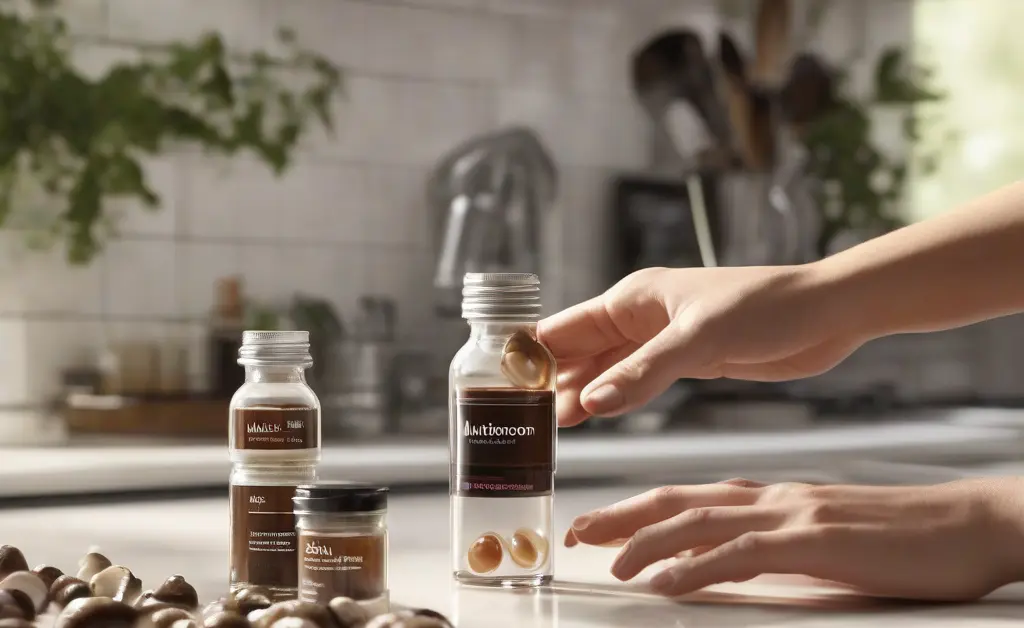
Starting the day with a health-conscious routine often involves supplements, and for many, the benefits of medicinal mushrooms have become a compelling addition. Picture yourself at the kitchen counter, preparing your morning smoothie, or perhaps browsing an online health store. You’ve heard about the immune support or cognitive boost these fungi can offer. As you sift through the options, you might pick up a bottle of neatly packaged pills on one hand, and a dropper bottle or a fine powder on the other. This moment of choice brings forth a common question for consumers: how do mushroom capsules vs extract compare in terms of efficacy, convenience, and absorption? Understanding the distinct characteristics of each form is crucial for making an informed decision that aligns with individual health goals and lifestyle preferences.
Mushroom capsules vs extract
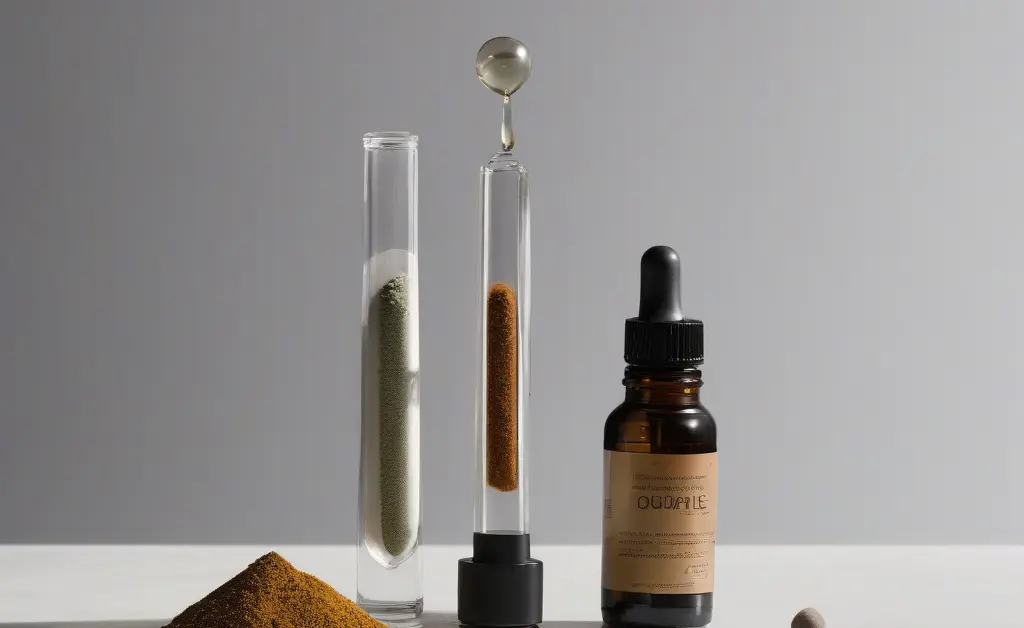
When considering medicinal mushroom supplements, understanding the fundamental forms available is the first step toward making an informed choice. Both mushroom capsules and extracts aim to deliver the beneficial compounds found in various fungi, but they achieve this through different processing methods and present varying user experiences. The distinction between mushroom capsules vs extract lies primarily in their preparation, concentration, and how the body potentially interacts with their active components.
What are mushroom capsules?
Mushroom capsules typically contain dried, powdered mushroom material. This powder can be made from either the whole fruiting body of the mushroom, the mycelium (the root-like structure of the fungus), or a combination of both. The process generally involves dehydrating the mushrooms and then grinding them into a fine powder, which is then encapsulated. Some capsules may contain a simple powdered form, while others might incorporate a basic extract for enhanced potency. This format is often appreciated for its straightforward nature and ease of integration into daily routines. For more on these, consider these mushroom capsules.
What is mushroom extract?
Mushroom extracts, on the other hand, undergo a specialized process to concentrate the beneficial compounds. This usually involves hot water or dual extraction methods (using water and alcohol) to draw out specific compounds like polysaccharides (such as beta-glucans), triterpenes, and other bioactive molecules. The goal of extraction is to make these compounds more bioavailable and concentrated than they would be in a simple powdered form. Extracts can come in various forms themselves, including liquid tinctures, powders that can be mixed into drinks, or even encapsulated extract powders. The concentration of active ingredients in an extract can be significantly higher than in a non-extracted powder, offering a more potent product, which is a major point of consideration when examining mushroom capsules vs extract. Understanding the science behind these compounds is crucial, and resources from organizations like the NIH can provide deeper insights.
Key Differences: Capsules vs. Extracts
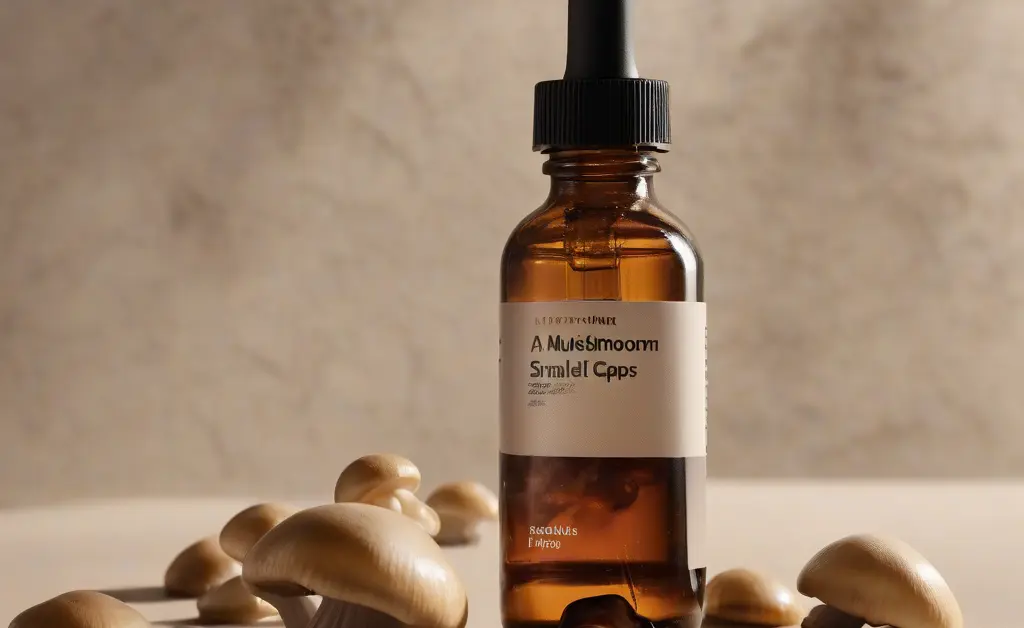
The choice between mushroom capsules and extracts often comes down to several key distinctions that influence user experience, potency, and absorption. These differences are critical for consumers to weigh when deciding which form best suits their health objectives and lifestyle. From the way they are processed to their final consumption, both options present unique advantages and considerations. Understanding these nuances is essential for navigating the world of mushroom supplementation effectively, especially when evaluating the broad category of mushroom capsules vs extract.
What’s better, Lion’s Mane powder or extract?
The question of whether Lion’s Mane powder or extract is “better” depends largely on individual preferences and specific goals for supplementation. Lion’s Mane in powder form, often found within capsules or simply as a bulk powder, typically consists of the dried, ground mushroom fruiting body or mycelium. This provides a broader spectrum of the mushroom’s components, including fiber and other nutrients, alongside its beneficial compounds. It represents the whole food approach, offering a more complete nutritional profile of the fungus.
Lion’s Mane extract, however, is designed to concentrate specific bioactive compounds, such as hericenones and erinacines, which are often discussed for their potential neurotrophic properties. Through processes like hot water or dual extraction, these compounds are isolated and concentrated, making them more readily available for absorption. This often results in a product with a higher concentration of the targeted beneficial constituents compared to a simple powder. For individuals seeking a more potent dose of specific active compounds, an extract may be preferred. Conversely, those who favor a gentler, more holistic intake of the whole mushroom may lean towards powder or capsules containing powdered mushroom. The optimal choice truly depends on whether the user prioritizes comprehensive mushroom nutrition or a concentrated delivery of specific active compounds.
Ultimately, the decision regarding mushroom capsules vs extract is a personal one. Both forms offer a pathway to incorporating medicinal mushrooms into a wellness routine, each with its own set of characteristics that may appeal to different individuals. Factors such as desired potency, ease of use, cost, and specific health aims should guide the selection process, ideally in consultation with a qualified professional.
This article is meant for general informational use and awareness. It is not intended to provide medical advice, diagnosis, or treatment. Always consult with a qualified healthcare professional before starting any new supplement regimen or making changes to your existing health plan. Individual results may vary.
FAQ
Is mushroom extract better than powder?
Mushroom extract offers a more concentrated form of the beneficial compounds found in mushrooms, as it undergoes a process to isolate and enhance these active ingredients. This concentration can lead to a more potent product compared to a simple mushroom powder, which contains the whole mushroom ground into a fine consistency. The extraction process often utilizes solvents to break down cell walls and release compounds that may not be easily absorbed from raw mushroom material.
What is the difference between mushroom powder and mushroom extract?
Mushroom powder is typically made by drying and grinding the entire mushroom, preserving its natural form but with less concentrated active compounds. Mushroom extract, on the other hand, involves a process that isolates and concentrates specific beneficial compounds, like beta-glucans and triterpenes, by breaking down the mushroom’s tough cell walls. This makes extracts generally more bioavailable and potent than powders.
Are mushroom capsules effective?
Mushroom capsules can be an effective way to consume mushroom-derived compounds. Their effectiveness often depends on the quality of the mushroom material inside, whether it’s a whole powder or a concentrated extract. Capsules provide a convenient and standardized method for incorporating these beneficial ingredients into a daily wellness routine.
Which type of mushroom supplement is best for immunity?
Supplements utilizing concentrated mushroom extracts are often highlighted for their potential immune-supportive qualities. This is because the extraction process can increase the bioavailability of compounds such as beta-glucans, which are known for their role in modulating immune responses. While whole mushroom powders offer nutritional benefits, extracts tend to provide a more targeted and potent dose of these specific immune-related compounds.
How do you take mushroom extract?
Mushroom extract is commonly found in various forms, including tinctures, powders, and capsules, each offering different ways to integrate it into your daily routine. Tinctures can be added to beverages, while powders can be mixed into foods or drinks. Capsules offer a straightforward and measured approach for consumption.
Continue reading
You May Also Like

mushroom capsules amazon | Shop Top Brands & Sellers
This clear roadmap for how to learn Python takes you from the basics to building your first project while helping you avoid common mistakes.
mushroom capsules australia | Buy Quality Extracts Online
Source high-quality mushroom capsules Australia-wide from our online store, offering a curated range of potent, trusted extracts for daily wellness.

Buy mushroom capsules chemist warehouse | Best Prices AU
View the complete range of mushroom capsules Chemist Warehouse stocks, featuring various types and popular brands at our famously low prices.