
Mushroom Capsules vs Mushrooms: Which is Better for You?
Mushrooms, often celebrated for their earthy flavors in culinary dishes, are increasingly recognized for their diverse health-supporting properties when consumed as supplements or whole foods. As interest in mycology grows, consumers face a key decision: whether to integrate these fungi into their diet through convenient encapsulated forms or by using their natural, whole state. Understanding the differences is crucial for optimizing their potential benefits. This guide aims to clarify the key distinctions between mushroom capsules vs mushrooms in their whole form, exploring aspects like potency, bioavailability, convenience, and how each option best serves individual health goals.
Mushroom Capsules vs. Whole Mushrooms
The choice between mushroom capsules vs mushrooms in their whole form presents a fundamental distinction for consumers seeking to incorporate these beneficial fungi into their lifestyle. Each form offers unique advantages depending on an individual’s goals, dietary preferences, and desired method of consumption. Understanding what each option entails is the first step in making an informed decision.
Benefits of Mushroom Capsules
Mushroom capsules are a popular way to consume concentrated mushroom extracts. What are mushroom capsules? They are typically made by extracting beneficial compounds from mushrooms, concentrating them, and then encapsulating the resulting powder. This process often aims to standardize the active components, offering a consistent and potent dose. How are mushroom capsules made? The manufacturing process usually involves hot water or alcohol extraction, followed by drying and grinding, and finally, encasing the powder in a gelatin or plant-based capsule. Common ingredients in mushroom capsules include various mushroom species like reishi, lion’s mane, cordyceps, and chaga, sometimes combined with other complementary ingredients for enhanced effects. The convenience and precise dosing make them appealing for those seeking specific wellness support. For more information, explore mushroom capsules.
Benefits of Whole Mushrooms
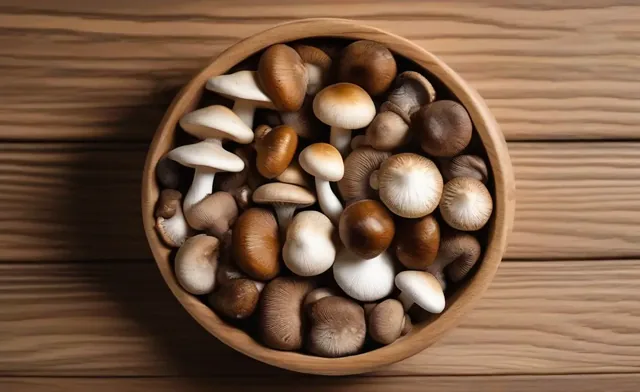
Whole mushrooms, in contrast to their encapsulated counterparts, are consumed in their natural, unprocessed state. What are whole mushrooms? These are the fruiting bodies of various fungi, ranging from common culinary types to more specialized varieties. Benefits of whole mushrooms include their rich fiber content, which supports digestive health, and the presence of a broader spectrum of naturally occurring compounds that may work synergistically. Types of edible mushrooms are vast and include favorites like shiitake, oyster, portobello, and cremini, each offering distinct flavors and nutritional profiles. How to prepare whole mushrooms varies widely, from sautéing and roasting to adding them to soups and stews, allowing for culinary exploration and the enjoyment of their unique textures.
Mushroom Tincture vs. Powder vs. Capsules
Beyond whole mushrooms and capsules, other forms like mushroom tinctures and powders also exist, each with distinct characteristics. Mushroom tinctures are liquid extracts, often alcohol-based, known for their rapid absorption. They offer a potent way to consume mushroom compounds, often with a longer shelf life. Mushroom powder involves grinding dried mushrooms into a fine powder, which can be easily added to smoothies, coffee, or food. This form offers versatility but may not be as concentrated as an extract used in capsules. Understanding mushroom supplements types, including tinctures, powders, and capsules, helps in choosing the best fit for specific needs and preferences regarding potency, absorption, and ease of use.
Are mushroom gummies or capsules better?
The choice between mushroom gummies vs capsules often comes down to personal preference for consumption method and specific ingredients. Mushroom gummies are a more recent and often more palatable option, frequently appealing to those who dislike swallowing pills or prefer a flavored alternative. They can be a convenient and discreet way to take mushroom supplements. However, gummies may sometimes contain added sugars or artificial flavors. Capsules, on the other hand, typically offer a more direct and often higher concentration of mushroom extract without additional fillers, and can be considered a more traditional and straightforward approach to supplementation. Both can be effective, but the ‘better’ option depends on individual dietary preferences and ingredient scrutiny.
Mushroom Powder vs Supplements: Which One Actually Works?
The question of mushroom powder vs supplements often involves clarifying what constitutes a “supplement.” Mushroom powder, in its simplest form, is dried and ground mushroom material. This can be considered a supplement, but its efficacy often depends on the concentration and bioavailability of compounds within the powder itself. Many “mushroom supplements” (including capsules and tinctures) are made from extracts, meaning the beneficial compounds have been concentrated. Understanding mushroom capsules, tinctures, and other processed forms as specific types of supplements helps to differentiate. Both mushroom powder and mushroom supplements in extract form can work effectively to deliver beneficial compounds, but the concentration of active ingredients and the body’s ability to absorb them can vary significantly between raw powder and a standardized extract.
Considerations When Choosing Between Mushroom Capsules and Whole Mushrooms
When evaluating mushroom capsules vs mushrooms in their whole form, several key factors come into play that can influence an individual’s decision. These considerations extend beyond just the form of consumption to encompass aspects of efficacy, safety, and practicality, helping to align the choice with personal health goals and lifestyle.
Dosage and Potency
One of the primary differences lies in dosage and potency. Mushroom capsules, especially those containing standardized extracts, typically offer a precise and consistent dose of specific active compounds. This can be beneficial for targeted supplementation where a known concentration is desired. Whole mushrooms, while nutritious, have varying levels of active compounds depending on factors like growing conditions, species, and preparation methods. Achieving a specific or consistent dosage with whole mushrooms can be challenging due to this natural variability. Understanding the nuances of dosage and potency is crucial for those seeking particular wellness outcomes.
Bioavailability and Absorption
Bioavailability refers to the extent and rate at which the active compounds are absorbed and utilized by the body. The form in which mushrooms are consumed can influence this. Some mushroom extracts used in capsules are processed to enhance the bioavailability of certain compounds. For whole mushrooms, factors like cooking methods can impact how well the body can absorb their nutrients. For example, some compounds become more accessible after cooking, while others might be degraded. The overall absorption process can also be affected by individual digestive health and the presence of other foods. The scientific literature on fungal compounds is extensive, and can be found on sites like PubMed.
Purity and Additives
When considering mushroom capsules vs mushrooms, it’s important to examine the purity of the product and the potential for additives. Best mushroom capsules will often come with third-party testing to verify the absence of contaminants and the accuracy of their stated ingredients. However, some encapsulated products may contain fillers, binders, or artificial ingredients. Whole mushrooms, when sourced responsibly, offer a natural and unadulterated form of the fungus. Nevertheless, concerns about pesticides, heavy metals, or environmental pollutants can arise, especially if the source is not reputable. Checking the origin and processing of both forms is vital for ensuring a high-quality product.
Convenience and Ease of Use
The convenience factor is a significant differentiator. Mushroom capsules are designed for ease of use, offering a quick and discreet way to consume mushroom compounds, often without the need for preparation. This makes them ideal for busy lifestyles or when traveling. Whole mushrooms require preparation, cooking, and can be more time-consuming to incorporate into a daily routine. However, for those who enjoy cooking and appreciate the sensory experience of food, the preparation of whole mushrooms can be part of the enjoyment. The choice often reflects personal preference regarding effort and integration into daily habits.
Cost-Effectiveness
Comparing the cost-effectiveness between mushroom capsules vs mushrooms can be complex. While a package of whole mushrooms might seem less expensive upfront, it’s important to consider the concentration of beneficial compounds. High-quality mushroom capsules, especially those made from potent extracts, might have a higher per-serving cost but deliver a more concentrated dose. Conversely, buying whole mushrooms in bulk can be cost-effective for culinary use, but achieving therapeutic levels of specific compounds might require consuming larger quantities, which could ultimately be more expensive or impractical. Budget is an important consideration, aligning with one’s overall health goals.
Standardized dosage
Standardized dosage is a key advantage offered by many mushroom capsules and other mushroom supplements. This means that each capsule contains a specific, consistent amount of the active compounds, such as beta-glucans, that are believed to contribute to the mushroom’s health-supporting properties. This precision is particularly valuable for individuals who are monitoring their intake for specific purposes or who require a consistent level of supplementation. Whole mushrooms, while rich in nutrients, naturally exhibit variability in their chemical composition, making it difficult to ascertain an exact standardized dosage from one serving to the next.
Portability
The portability of mushroom capsules is unparalleled. They are lightweight, require no refrigeration, and can be easily carried in a bag or pocket, making them ideal for travel, work, or on-the-go consumption. This contrasts sharply with whole mushrooms, which typically need to be kept cool, can be bulky, and often require preparation before consumption. For individuals with dynamic lifestyles, the convenience and ease of taking mushroom capsules anywhere are significant factors in their favor.
Odorless and tasteless options
For those sensitive to taste and smell, mushroom capsules often provide an odorless and tasteless option. While many find the earthy flavor of whole mushrooms appealing, others may not, especially when trying to incorporate them for their wellness properties rather than culinary enjoyment. Capsules enclose the mushroom material, effectively masking any taste or odor, which makes daily consumption much easier for a broader range of individuals. This aspect greatly enhances the user experience for those who prioritize convenience and sensory neutrality.
Best Uses for Each Form
Understanding the best uses for each form of mushroom allows individuals to make informed decisions regarding mushroom capsules vs mushrooms in their natural state, aligning with their personal preferences, health objectives, and lifestyle. Each form excels in different scenarios, catering to various needs from culinary exploration to targeted wellness support.
Natural form
The natural form of mushrooms, referring to whole, unprocessed mushrooms, is best utilized for culinary purposes. They bring rich umami flavors, unique textures, and nutritional value to a wide array of dishes. Incorporating whole mushrooms into meals provides dietary fiber and a broad spectrum of nutrients that may be lost or altered during processing. This form is ideal for those who enjoy cooking, exploring diverse recipes, and who appreciate the sensory experience of food. It also allows for traditional consumption practices, where mushrooms have been used for centuries as part of a balanced diet.
Versatility in cooking
Whole mushrooms offer unparalleled versatility in cooking. From sautéing and grilling to stewing, baking, and even pickling, their culinary applications are extensive. Different types of edible mushrooms lend themselves to various cooking methods and cuisines. They can serve as a meat substitute, add depth to soups and sauces, or be the star of a main course. This versatility allows individuals to creatively integrate mushrooms into their daily diet, enhancing both flavor and nutritional intake without feeling like a mere supplement. This aspect appeals strongly to those who view food as a holistic part of their wellness journey.
Potential for a wider range of compounds
Consuming whole mushrooms potentially offers a wider range of compounds compared to some extracts. While extracts in mushroom capsules are concentrated for specific active components, whole mushrooms contain the entire spectrum of naturally occurring phytochemicals, enzymes, and other beneficial substances in their original matrix. These compounds may work synergistically, offering comprehensive wellness support that might not be fully replicated by isolated extracts. For individuals who prefer a holistic approach and believe in the power of whole foods, the potential for a broader range of compounds in whole mushrooms is a significant advantage.
Conclusion: Which is Right for You?
The decision between mushroom capsules vs mushrooms ultimately depends on individual priorities, dietary preferences, and specific health goals. If convenience, precise dosing, and a consistent concentration of active compounds are paramount, then high-quality mushroom capsules or other mushroom supplements may be the ideal choice. They offer a straightforward way to incorporate beneficial mushroom compounds without the need for preparation or cooking. Conversely, if culinary exploration, fiber intake, the enjoyment of whole foods, and the potential for a broader spectrum of naturally occurring compounds are more important, then integrating whole mushrooms into your diet is likely the better path. Considerations such as your health goals, dietary preferences, budget, and personal preference all play a crucial role in determining which form is best suited for your unique needs. Both forms offer valuable ways to experience the diverse benefits of mushrooms, making the “right” choice a deeply personal one.
It is important to note that this content is not intended as medical advice. The information provided is for general knowledge and informational purposes only, and does not constitute professional medical advice, diagnosis, or treatment. Always seek the advice of your physician or other qualified health provider with any questions you may have regarding a medical condition or before making any decisions about your health.
FAQ
Are mushroom capsules as effective as eating mushrooms?
The effectiveness of mushroom capsules compared to whole mushrooms depends on several factors, including the mushroom species, how they are processed, and the extraction methods used for capsules. Whole mushrooms contain a complex matrix of beneficial compounds, while capsules often utilize concentrated extracts to deliver specific beneficial compounds. Understanding the bioavailability and standardization of active compounds in both forms is key to assessing their relative efficacy.
What are the pros and cons of mushroom capsules?
Mushroom capsules offer convenience and a consistent way to consume mushroom extracts, making them easy to incorporate into a daily routine. They can also provide a standardized dose of specific beneficial compounds, which can be appealing for targeted use. However, some of the complex synergistic compounds found in whole, unprocessed mushrooms may not be fully captured or preserved in capsule form, and the cost of high-quality extracts can be higher than purchasing whole mushrooms.
Continue reading
You May Also Like

mushroom capsules amazon | Shop Top Brands & Sellers
This clear roadmap for how to learn Python takes you from the basics to building your first project while helping you avoid common mistakes.
mushroom capsules australia | Buy Quality Extracts Online
Source high-quality mushroom capsules Australia-wide from our online store, offering a curated range of potent, trusted extracts for daily wellness.
Buy mushroom capsules chemist warehouse | Best Prices AU
View the complete range of mushroom capsules Chemist Warehouse stocks, featuring various types and popular brands at our famously low prices.