
Mushroom Capsules vs Powder: Which Is Better for You?
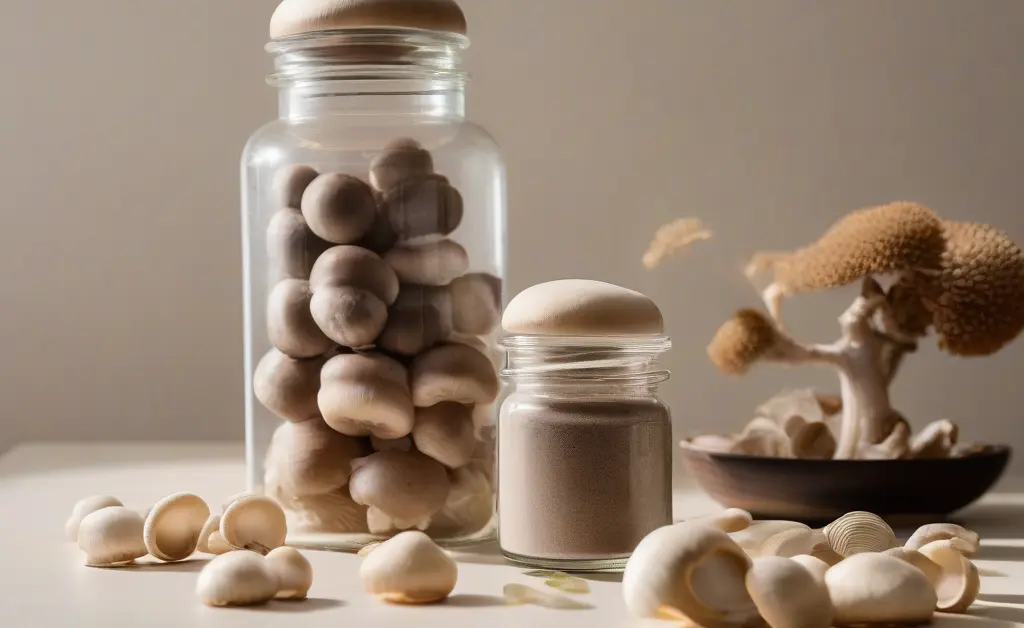
Navigating the world of functional mushroom supplements can often feel daunting, especially when trying to choose the most effective and convenient form for your health regimen. Many individuals seek to harness the benefits of these natural compounds but are frequently met with a common dilemma: how to incorporate them seamlessly into their daily routine without compromising on efficacy or ease of use. The challenge often lies in deciphering which product best aligns with personal preferences, lifestyle, and specific wellness goals. This decision-making process can be frustrating, as both formats offer unique advantages and drawbacks. Understanding the practical distinctions is crucial, and a key consideration for many consumers revolves around the fundamental differences between mushroom capsules vs powder.
Mushroom Extracts vs. Mushroom Powders
When exploring the realm of functional mushroom supplements, a primary distinction to understand is the difference between mushroom extracts and mushroom powders. While both are derived from fungi, their processing methods and the resulting concentration of beneficial compounds can vary significantly. Mushroom powders are typically made from grinding dried mushroom fruiting bodies or mycelium into a fine powder. This method retains the full spectrum of nutrients found in the original mushroom, including fiber, vitamins, and minerals. However, the bioavailability of certain active compounds, such as polysaccharides, may be limited due to the presence of chitin, a fibrous material that the human digestive system struggles to break down.
What are Mushroom Powders?
Mushroom powders represent the most direct form of mushroom supplementation. They are produced by dehydrating whole mushrooms and then grinding them into a fine, particulate form. This process aims to preserve the comprehensive nutritional profile of the mushroom, encompassing its dietary fiber, proteins, various vitamins, and minerals. Consumers often choose mushroom powders for their “whole food” approach, believing that consuming the entire mushroom structure offers a broader range of potential benefits. The processing method is generally less intensive, focusing on drying and milling rather than chemical or hot water extraction.
What are Mushroom Capsules?
Mushroom capsules typically contain either mushroom powder or, more commonly, mushroom extracts. When they contain extracts, the mushrooms undergo a specific extraction process—often hot water or dual extraction (water and alcohol)—to isolate and concentrate particular beneficial compounds, such as beta-glucans and triterpenes. This extraction aims to enhance the bioavailability and potency of these active constituents by breaking down chitin and making the compounds more accessible for absorption by the body. Encapsulating these powders or extracts provides a convenient, pre-measured dose, making them easy to integrate into a daily regimen. Learn more about mushroom capsules.
Understanding Mushroom Capsules and Powders

Navigating the various forms of mushroom supplements requires understanding the practical implications of each. The choice between formats often depends on personal preferences, lifestyle, and specific wellness objectives. When considering mushroom capsules vs powder, it’s essential to look beyond the surface and delve into how each form interacts with the body and fits into daily life. Both options provide a way to consume functional mushrooms, but they cater to different needs and offer distinct user experiences.
Is it better to take capsule or powder?
Determining whether capsules or powder are “better” largely depends on individual priorities and how one plans to incorporate the supplement. Capsules offer unparalleled convenience, precise dosing, and are generally tasteless, making them ideal for those who prefer a straightforward, no-fuss approach. They are also highly portable. Powders, on the other hand, provide greater versatility in how they can be consumed, allowing for integration into various foods and beverages. They can also be more cost-effective per serving and offer customizable dosing. For those concerned about bioavailability of active compounds, extracted powders often found in capsules may be preferred due to the concentration of beneficial substances.
Lion’s Mane Capsules vs. Powder: Which Is Right for You?
When specifically considering Lion’s Mane, a popular mushroom known for its potential cognitive benefits, the choice between capsules and powder follows similar principles but with some added nuances. Lion’s Mane capsules, often containing concentrated extracts, are excellent for individuals seeking consistent, convenient support for mental clarity and focus without the taste or preparation involved with powder. Lion’s Mane powder, however, offers the flexibility to be blended into smoothies, coffee, or other recipes, which can be appealing for those who enjoy incorporating their supplements into meals. Some users also prefer the whole-food aspect of a pure mushroom powder. If a specific compound, such as hericenones or erinacines, is being targeted, an extracted capsule might offer a more concentrated and standardized dose.
Key Differences: Extraction vs. Powder
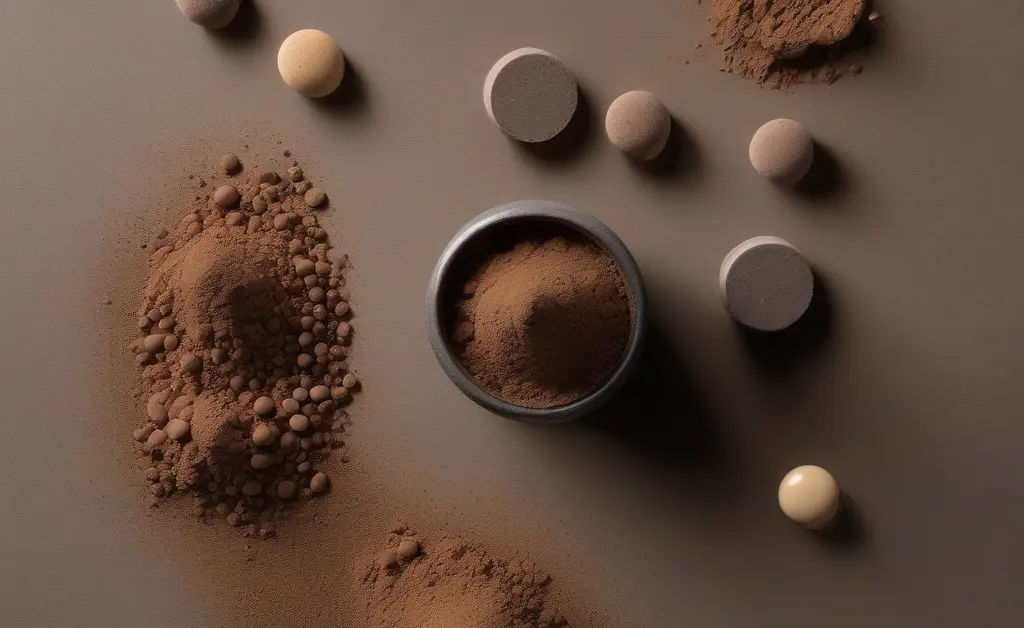
The core distinction between mushroom capsules vs powder often lies in their processing methods, specifically whether the product is a raw, ground powder or a concentrated extract. This difference significantly impacts the concentration of active compounds, their bioavailability, and ultimately, the potential effects of the supplement. Understanding this fundamental difference is crucial for making an informed choice about which form best suits your health goals. An extracted product has undergone a process to isolate and concentrate beneficial compounds, whereas a simple powder retains the entire mushroom matrix.
mushroom capsules vs powder
The debate around mushroom capsules vs powder often centers on the efficacy and convenience offered by each form. Capsules typically contain either a fine mushroom powder or a highly concentrated mushroom extract. Extracts are produced through specialized methods like hot water or dual extraction, which are designed to break down the chitin in mushroom cell walls, making key bioactive compounds more available for absorption. This results in a product with a higher concentration of beneficial compounds, such as beta-glucans. Pure mushroom powders, by contrast, are simply dried and ground mushrooms, retaining the full nutrient profile but with potentially lower bioavailability of certain compounds without prior extraction. The choice therefore balances the “whole food” appeal of powders against the targeted potency and convenience of capsules, especially those containing extracts.
Benefits of Mushroom Capsules
Mushroom capsules offer a distinct set of advantages that appeal to a broad range of individuals. The primary keyword “mushroom capsules vs powder” highlights the comparative nature of this decision, and when focusing on capsules, their benefits often revolve around ease of use and consistent delivery. These advantages contribute significantly to why many consumers opt for encapsulated mushroom supplements as their preferred method of intake, particularly when seeking a straightforward and discreet approach to wellness.
Convenience and Portability
One of the most significant benefits of mushroom capsules is their inherent convenience and portability. Capsules are pre-dosed, meaning there’s no need for measuring, mixing, or preparation. They can be easily swallowed with water, making them ideal for individuals with busy lifestyles or those who travel frequently. Their compact nature allows them to be carried discreetly in a bag or pocket, ensuring that a consistent supplement regimen can be maintained regardless of location. This ease of use encourages regular intake, which is often key to experiencing potential long-term benefits from functional mushrooms.
Precise Dosing
Each mushroom capsule typically contains a standardized amount of mushroom powder or extract, allowing for precise and consistent dosing. This eliminates the guesswork often associated with measuring powders, ensuring that users receive a predictable quantity of active compounds with every intake. Precise dosing is particularly important for individuals who are following specific health protocols or those who want to carefully monitor their intake. The standardization also helps in evaluating the effects of the supplement over time, as the consumed amount remains constant.
Odorless and Tasteless
Many functional mushrooms have a distinct earthy or sometimes bitter flavor that can be unpalatable for some individuals. Mushroom capsules provide a way to bypass this sensory experience entirely, as the powder or extract is enclosed within a tasteless, odorless shell. This makes them an excellent choice for those who are sensitive to flavors or textures, ensuring that they can still benefit from mushroom compounds without any unpleasant sensory feedback. This neutrality makes integration into daily routines much smoother for a wider audience.
Ideal for Sensitive Stomachs
For individuals with sensitive stomachs or those prone to digestive discomfort, capsules can sometimes be a gentler option. While mushroom powders, especially raw ones, contain fiber that can be beneficial, in large quantities or for sensitive individuals, they might occasionally cause mild digestive upset. Encapsulated extracts, which have often undergone processes to break down tough chitin walls and concentrate active compounds, may be easier for some bodies to process. However, individual tolerance can vary, and it is always advisable to start with a modest amount. Research into medicinal mushrooms is ongoing and supported by institutions such as the NIH.
Benefits of Mushroom Powders
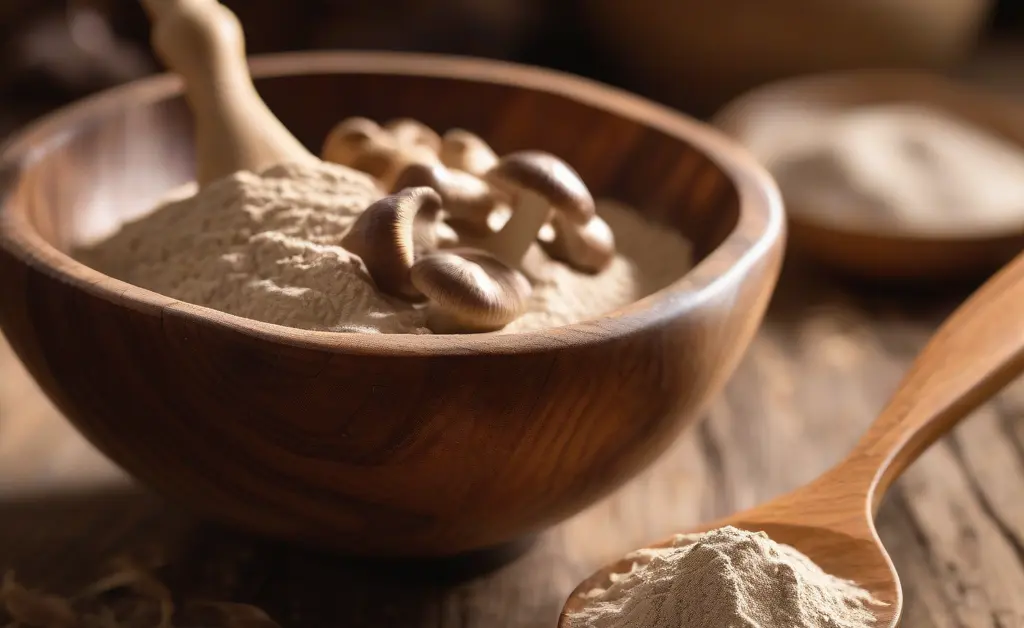
While capsules offer convenience, mushroom powders present a compelling alternative with a different set of benefits, appealing particularly to those who value versatility and cost-effectiveness. Beyond the practical aspects, exploring the debate of mushroom capsules vs powder also involves understanding the diverse advantages each offers, especially how powders can integrate seamlessly into various dietary practices and provide customizable options for intake.
Versatility in Consumption
One of the standout benefits of mushroom powders is their incredible versatility. Unlike capsules, which are typically swallowed whole, powders can be easily incorporated into a wide array of foods and beverages. They can be blended into smoothies, mixed into coffee or tea, stirred into soups or oatmeal, or even used in baking. This adaptability allows users to integrate mushroom supplements into their diet in creative and enjoyable ways, making the daily intake less of a chore and more of a culinary enhancement. The ability to customize how you consume the mushroom allows for greater dietary freedom.
Cost-Effectiveness
In many cases, mushroom powders can be more cost-effective per serving compared to capsules. The encapsulation process and materials add to the overall production cost, which is often reflected in the retail price of capsules. Buying mushroom powder in bulk can offer a more economical way to consume functional mushrooms, making it a budget-friendly option for individuals who plan to use these supplements regularly over extended periods. This can be a significant factor for long-term users.
Customizable Dosing
Mushroom powders provide the flexibility for highly customizable dosing. Unlike fixed-dose capsules, powders allow users to adjust the amount they consume based on their individual needs, preferences, or specific wellness goals. This means one can easily take a smaller amount initially and gradually increase it, or adjust the dose on a daily basis as desired. This level of control can be particularly appealing for those who want to experiment with different amounts to find their optimal intake level, or for individuals advised to take varying quantities.
How to Use Mushroom Capsules and Powders
Successfully integrating functional mushrooms into a daily routine involves understanding the best practices for using both capsules and powders. The optimal method often comes down to personal preference, lifestyle, and the specific product’s recommendations. Ultimately, the best approach for integrating mushroom capsules vs powder into your regimen depends on personal preference and desired outcomes, emphasizing convenience, taste, or a balance of both.
Taking Mushroom Capsules
Taking mushroom capsules is generally straightforward. They are designed to be swallowed with water, similar to any other vitamin or supplement. For best absorption, some suggest taking them with a meal, though this can vary by product and individual tolerance. It is important to follow the specific instructions provided on the product label regarding the recommended daily intake. Consistency is key, so incorporating them into an existing routine, such as with breakfast or before bed, can help ensure regular consumption.
Incorporating Mushroom Powders into Diet
Mushroom powders offer creative ways to enrich your diet. For daily intake, a common method is to mix the powder into a morning smoothie, coffee, or tea. Its earthy flavor can blend well with certain beverages. Alternatively, powders can be stirred into hot cereals like oatmeal, yogurts, or even savory dishes like soups and stews. Some culinary enthusiasts incorporate mushroom powders into baking, adding an extra layer of nutrients to breads, muffins, or energy bars. The key is to find methods that are enjoyable and sustainable for your daily routine, allowing for a seamless integration.
Dosage Recommendations
When it comes to dosage for both mushroom capsules and powders, it is crucial to always adhere to the recommendations provided on the product’s label. These guidelines are formulated based on the concentration of the active compounds and are designed to provide beneficial effects safely. Starting with a modest amount and gradually increasing it may be advisable for those new to mushroom supplements, allowing the body to adjust. It is also important to consider individual factors and to monitor how your body responds to the supplement. Never exceed the suggested amount without consulting a qualified health professional.
Mushroom Gummies vs. Powder vs. Capsules
Beyond traditional capsules and powders, the market for functional mushroom supplements has expanded to include other forms, such as gummies. Each form caters to different user preferences and offers unique advantages. Gummies provide a palatable, often fruit-flavored option, making them particularly appealing for those who dislike swallowing pills or the earthy taste of powders. They offer a fixed dose, similar to capsules, but in a more enjoyable format. However, gummies may contain added sugars or other ingredients to achieve their texture and flavor. Powders remain the most versatile and often cost-effective, allowing for customized dosing and integration into various foods. Capsules provide the ultimate convenience, precise dosing, and a taste-neutral experience, often containing concentrated extracts for enhanced potency. The choice among gummies, powder, or capsules ultimately depends on a balance of taste preference, convenience needs, desired potency, and dietary considerations.
This material is shared for educational insight, not for clinical decision-making. It is important to consult with a qualified healthcare professional before making any health-related decisions, especially concerning dietary supplements or changes to your wellness regimen. Individual results may vary, and the information provided does not constitute medical advice, diagnosis, or treatment. Always read product labels carefully and follow recommended guidelines for usage.
FAQ
Are mushroom capsules as effective as powder?
Mushroom capsules and powders generally offer similar benefits, as their effectiveness depends on the quality of the mushroom used and the extraction process. The primary difference lies in their form and convenience, with capsules offering a measured dose and powder allowing for greater flexibility in consumption. Both forms can deliver the beneficial compounds found in functional mushrooms, provided they are properly prepared.
What is the difference between mushroom extract and powder?
Mushroom extract typically refers to a concentrated form of the mushroom’s beneficial compounds, often achieved through hot water or alcohol extraction, which breaks down indigestible cell walls. Mushroom powder, on the other hand, is usually the whole dried mushroom, ground into a fine consistency. Extracts are often considered more potent and bioavailable because the beneficial compounds are more readily absorbed by the body.
Continue reading
You May Also Like

mushroom capsules amazon | Shop Top Brands & Sellers
This clear roadmap for how to learn Python takes you from the basics to building your first project while helping you avoid common mistakes.
mushroom capsules australia | Buy Quality Extracts Online
Source high-quality mushroom capsules Australia-wide from our online store, offering a curated range of potent, trusted extracts for daily wellness.

Buy mushroom capsules chemist warehouse | Best Prices AU
View the complete range of mushroom capsules Chemist Warehouse stocks, featuring various types and popular brands at our famously low prices.