
Mushroom Capsules vs Tincture: Which Is Right for You?
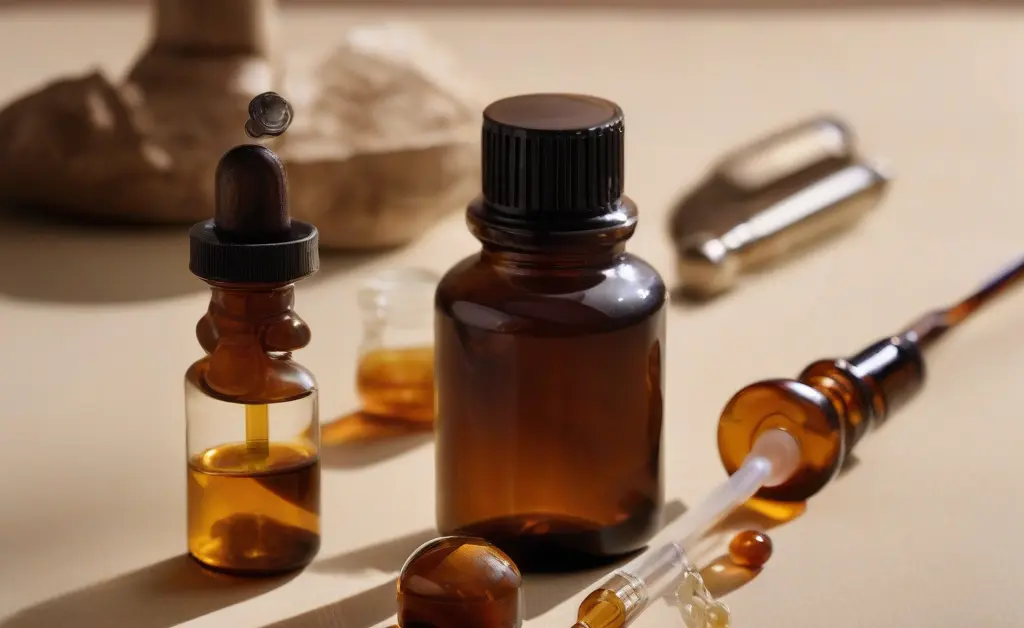
The burgeoning world of functional mushrooms has captivated many seeking natural avenues for well-being, with an array of beneficial compounds now readily available in supplemental form. As consumers explore these potent botanicals, a common point of deliberation arises: how best to incorporate them into daily routines. Whether you’re drawn to the convenience of a precisely dosed pill or the rapid absorption offered by a liquid extract, the choice between different delivery methods is a significant one. Understanding the nuances of each form is essential for maximizing potential benefits and aligning with personal preferences. This exploration delves into the practical considerations of mushroom capsules vs tincture, providing a comprehensive look at their distinct characteristics and helping to clarify which option might be most suitable for your health journey.
Mushroom Capsules vs. Tinctures: Understanding the Differences
When considering mushroom capsules vs tincture, it’s crucial to understand the fundamental distinctions in their preparation and delivery. Mushroom capsules typically contain dried, finely ground mushroom powder or a concentrated extract powder encapsulated in a digestible shell. This provides a convenient and pre-measured dose. Tinctures, on the other hand, are liquid extracts created by steeping mushrooms in a solvent, often alcohol or a glycerin base, to draw out their active compounds. This results in a concentrated liquid form designed for sublingual (under the tongue) or oral consumption, which can influence absorption rates and overall experience.
Mushroom Tincture vs Powder vs Capsules
The landscape of mushroom supplements offers several popular forms, each with unique attributes. Mushroom powders represent the raw, dried, and ground fungi, offering versatility as they can be easily added to food or beverages. While providing the full spectrum of the mushroom, the exact dosage and absorption can vary depending on individual digestion and how they are consumed. Capsules typically encase these powders or powdered extracts, offering a pre-portioned, convenient, and tasteless option. Their main advantages include Dosage Accuracy and ease of integration into a daily routine. Tinctures, as highly concentrated liquid extracts, are distinct for their potential for Rapid Absorption due to sublingual administration, bypassing some digestive processes. The choice among mushroom tincture, powder, or capsules often hinges on factors such as desired speed of action, palatability, and lifestyle preferences, with each offering a different approach to accessing the beneficial compounds of functional mushrooms.
Mushroom Capsules: Pros and Cons

Mushroom capsules are a popular choice for many seeking the benefits of functional mushrooms, primarily due to their distinct advantages. Their primary appeal lies in their Convenience and Ease of Use; they are discreet, portable, and simple to integrate into any supplement regimen. Furthermore, capsules offer precise Dosage Accuracy, ensuring a consistent intake of active compounds with every dose, which can be reassuring for those monitoring their intake carefully. The encapsulated form also eliminates the natural Taste and Palatability of mushrooms, a significant benefit for individuals sensitive to earthy or bitter flavors. They generally have good Storage and Shelf Life when kept in a cool, dry place. However, capsules also come with potential drawbacks. Absorption may be slower compared to liquid forms, as the capsule must first dissolve in the digestive system. Some capsules may contain inactive fillers, and for individuals with difficulty swallowing pills, they might not be the most suitable option. Consumers interested in these can find options at mushroom capsules.
Mushroom Tinctures: Pros and Cons
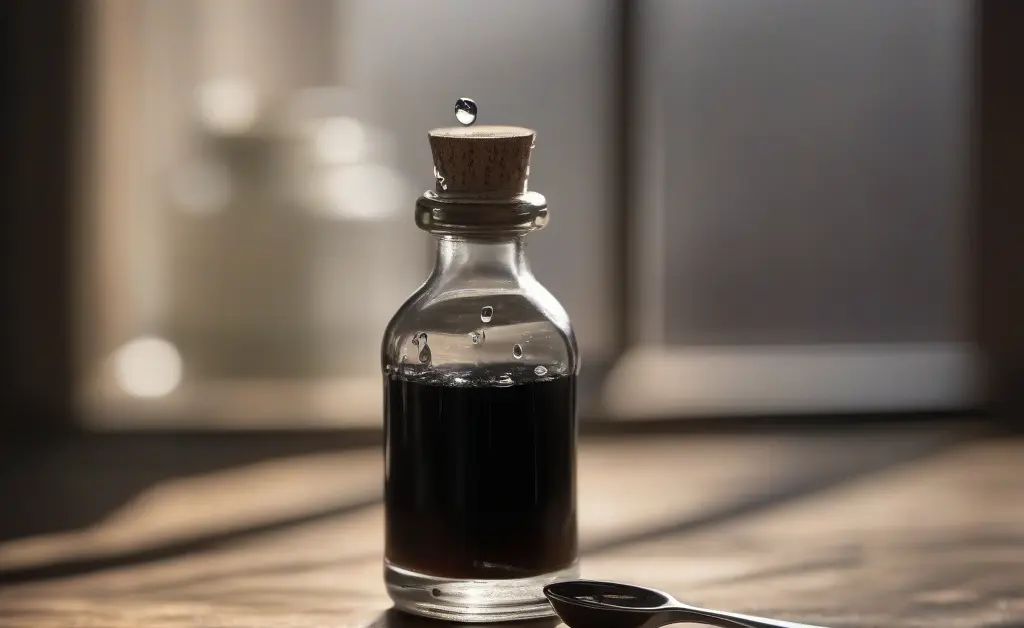
Mushroom tinctures present a compelling alternative in the functional mushroom market, offering different benefits when comparing mushroom capsules vs tincture. A significant advantage of tinctures is their potential for Rapid Absorption; when taken sublingually, the active compounds can enter the bloodstream more quickly, potentially leading to a faster onset of effects compared to capsules. Tinctures are often highly concentrated, providing considerable Potency and Concentration per serving. They also offer Flexibility in Dosage, allowing users to easily adjust their intake drop by drop to suit individual needs. For those who struggle with swallowing pills, tinctures provide an accessible liquid alternative. Nevertheless, tinctures have their own set of disadvantages. Their Taste and Flavor Profile can be strong and sometimes alcoholic, which might not appeal to everyone. They can also be less convenient for travel due to liquid restrictions and the potential for spills. While often potent, their Cost-Effectiveness can sometimes be perceived as higher per dose, depending on the concentration and brand.
Best Formulation of Mushrooms – Tinctures vs Powders
Determining the “best” formulation of mushrooms, particularly when comparing tinctures vs powders, largely depends on individual priorities for absorption, potency, and usage. Tinctures, being concentrated liquid extracts, are often favored for their potential for high Potency and Concentration, as well as their characteristic Rapid Absorption, which can make them a preferred choice for those seeking quicker effects. Powders, on the other hand, offer exceptional versatility; they can be blended into smoothies, teas, or meals, making them an easy addition to daily nutrition. While their Absorption and Bioavailability might be influenced by digestive factors, powders retain the full spectrum of the mushroom’s components, including fiber. The Taste and Palatability can be a deciding factor, as tinctures often have a distinct flavor profile, while powders can be masked by other ingredients. Ultimately, the optimal formulation aligns with Your Health Goals and Personal Preferences, as both offer valid and effective ways to incorporate functional mushrooms into a wellness routine.
Which Mushroom Supplement Form is Right for You?

Deciding which mushroom supplement form is ideal for you, whether mushroom capsules vs tincture, involves a personal assessment of your lifestyle, preferences, and desired outcomes. There is no one-size-fits-all answer, as both forms offer unique advantages tailored to different needs. Your Health Goals are paramount; consider what you aim to achieve with functional mushrooms. For example, if you prioritize sustained, consistent intake without a noticeable taste, capsules might be more appealing. If you seek quicker absorption or flexibility in adjusting your intake, tinctures could be more suitable. It’s also important to factor in Personal Preferences, such as how you prefer to consume supplements, your sensitivity to taste, and your daily routine. Additionally, Budget Considerations can play a role, as the cost-effectiveness per serving can vary between the two forms. Evaluating these aspects will help you make an informed decision that aligns with your wellness journey.
When to Choose Capsules
Capsules are often the preferred choice for individuals who prioritize seamless integration into a busy lifestyle and value precise control over their intake. They excel in Convenience and Ease of Use, as they are pre-dosed, portable, and require no preparation. If you are particularly sensitive to the natural Taste and Palatability of mushrooms, capsules offer a neutral experience, as they can be swallowed quickly without tasting the contents. Capsules also provide excellent Dosage Accuracy, ensuring a consistent amount of the active compounds with each serving. They are ideal for those who prefer a discreet method of supplementation and for travel, as they are mess-free and do not fall under liquid restrictions. If you appreciate a straightforward, no-fuss approach to your daily supplements, capsules are likely the right choice for you.
When to Choose Tinctures
Tinctures may be the optimal choice for those who prioritize rapid delivery and flexible dosing of their mushroom supplements. If you are seeking a potentially faster onset of effects due to Rapid Absorption, particularly through sublingual administration, tinctures stand out. Their liquid format allows for greater Flexibility in Dosage, enabling you to adjust the number of drops to fine-tune your intake based on individual needs or specific recommendations. Tinctures can also be a good option for individuals who have difficulty swallowing pills, providing an alternative method of consumption. While their Taste and Flavor Profile can be more pronounced, many people find ways to incorporate them into beverages to mask the flavor. If you are looking for a highly concentrated extract that offers adaptability in how you consume it and potentially quicker action, tinctures are a strong contender.
What is better, tincture or capsules?
The question of what is “better” between a mushroom tincture or capsules is subjective and entirely dependent on individual needs and circumstances. Neither form is inherently superior; rather, they cater to different preferences and priorities regarding a Mushroom Supplement. For example, if convenience, consistent Dosage Accuracy, and an absence of taste are your primary concerns, capsules are often the better fit. They are discreet and easy to integrate into any routine. Conversely, if Rapid Absorption, Flexibility in Dosage, and a preference for liquid forms are paramount, tinctures might be more effective for your specific goals. Factors such as Absorption and Bioavailability, Taste and Palatability, and Your Health Goals all play a significant role in determining the most suitable option. Ultimately, the “better” choice is the one that best supports your Personal Preferences and allows for consistent, enjoyable use, helping you to regularly incorporate functional mushrooms into your wellness regimen.
The choice between mushroom capsules and tinctures ultimately comes down to a balance of personal preference, lifestyle, and desired outcomes. Both forms offer effective ways to incorporate beneficial functional mushrooms into a daily routine, each with its own set of advantages. Whether you prioritize the convenience and precise dosing of capsules or the rapid absorption and flexibility of tinctures, understanding the distinct characteristics of each will empower you to make an informed decision. Considering factors like taste, absorption rate, and ease of use will guide you toward the mushroom supplement form that best supports your individual health journey.
Research from institutions like the NIH highlights the ongoing scientific exploration into the benefits of various natural compounds.
Readers should understand that this article does not offer medical diagnosis or treatment. The information provided is intended for general informational purposes only and should not be considered a substitute for professional medical advice, diagnosis, or treatment. Always consult with a qualified healthcare provider before making any decisions about your health or starting any new supplement regimen.
FAQ
What is the difference between mushroom capsules and tinctures?
Mushroom capsules contain dried and powdered mushroom material, often encased in a gelatin or plant-based shell. Tinctures are liquid extracts, typically made by steeping mushrooms in alcohol or glycerin to draw out their beneficial compounds. The preparation method influences the final product’s composition and how it interacts with the body.
Are mushroom capsules or tinctures better for absorption?
The absorption of beneficial compounds from mushrooms can vary depending on the extraction process used for tinctures and the formulation of capsules. Some research suggests that liquid extracts, like tinctures, may offer more bioavailable compounds because the extraction process can break down tough fungal cell walls. However, the specific ingredients and processing of both formats play a significant role in how well the body absorbs the mushroom’s constituents.
Which form of mushroom supplement is more potent, capsules or tinctures?
Potency is not solely determined by the form of the supplement but rather by the concentration and quality of the extracted compounds. Tinctures, when properly prepared, can concentrate specific beneficial compounds into a liquid form. Conversely, capsules offer a measured dose of mushroom powder, where potency depends on the amount and quality of the mushroom material used.
Is it better to take mushroom tinctures or capsules for anxiety?
Both tinctures and capsules can deliver the compounds found in functional mushrooms. Individual responses to supplements can differ, and some people may find one form more convenient or effective for their needs. Focusing on the specific mushroom species and its known properties is more relevant than comparing the general forms.
How long does it take for mushroom capsules to work vs tinctures?
The onset of effects from mushroom supplements can vary based on the individual, the specific mushroom used, and the product’s formulation. Tinctures, being in liquid form, may be absorbed more quickly by the digestive system. However, the sustained release from capsules can also be a factor in how effects are perceived over time.
What is the best form of mushroom supplement?
The “best” form of mushroom supplement is subjective and depends on individual preferences and desired outcomes. Some prefer the convenience and standardized dosing of mushroom capsules, while others favor the potential for faster absorption and customizable use of tinctures. Considering the specific mushroom extract and its intended benefits is key to making a choice.
Continue reading
You May Also Like

mushroom capsules amazon | Shop Top Brands & Sellers
This clear roadmap for how to learn Python takes you from the basics to building your first project while helping you avoid common mistakes.
mushroom capsules australia | Buy Quality Extracts Online
Source high-quality mushroom capsules Australia-wide from our online store, offering a curated range of potent, trusted extracts for daily wellness.
Buy mushroom capsules chemist warehouse | Best Prices AU
View the complete range of mushroom capsules Chemist Warehouse stocks, featuring various types and popular brands at our famously low prices.