
The Principles of Mushroom Cultivation and Processing
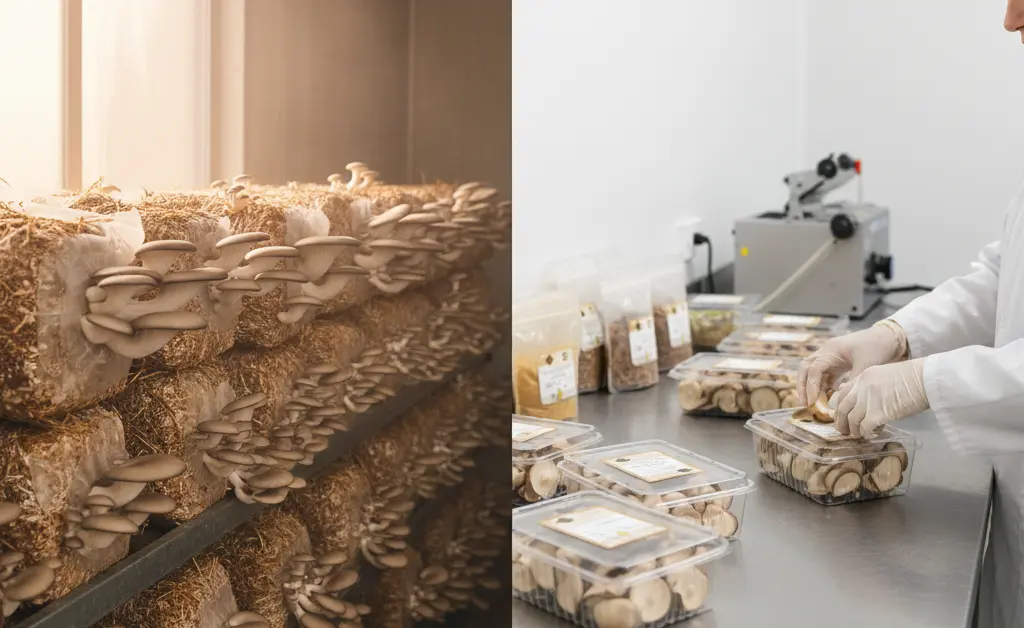
Have you ever considered growing your own mushrooms but felt overwhelmed by the technical details, or perhaps struggled to maintain the quality of your harvest? Successfully bringing fungi from spore to plate involves more than just planting; it requires precise environmental control and careful handling. Ensuring your cultivated fungi remain fresh and safe for consumption after picking can also present significant hurdles. This comprehensive guide aims to demystify the entire journey, from setting up your initial growing environment to perfecting post-harvest handling. We will explore the fundamental principles of successful mushroom cultivation and processing, offering practical insights to help both novice and experienced growers achieve optimal results.
Introduction to Mushroom Cultivation
Mushroom cultivation is the practice of growing mushrooms, a type of fungus, in a controlled environment. Unlike plants, mushrooms do not rely on photosynthesis; instead, they derive nutrients from organic matter. This unique biological characteristic necessitates specific growing conditions and methods. The process often begins with spores or mycelium and progresses through various stages until the mature fruiting bodies are ready for harvest. Beyond a fascinating hobby, understanding what is mushroom cultivation can unlock a rewarding endeavor, offering a sustainable source of food and an opportunity to explore the intricate world of fungi. Understanding what is the most profitable mushroom to grow can further enhance the returns from this rewarding endeavor.
Mushroom cultivation and processing
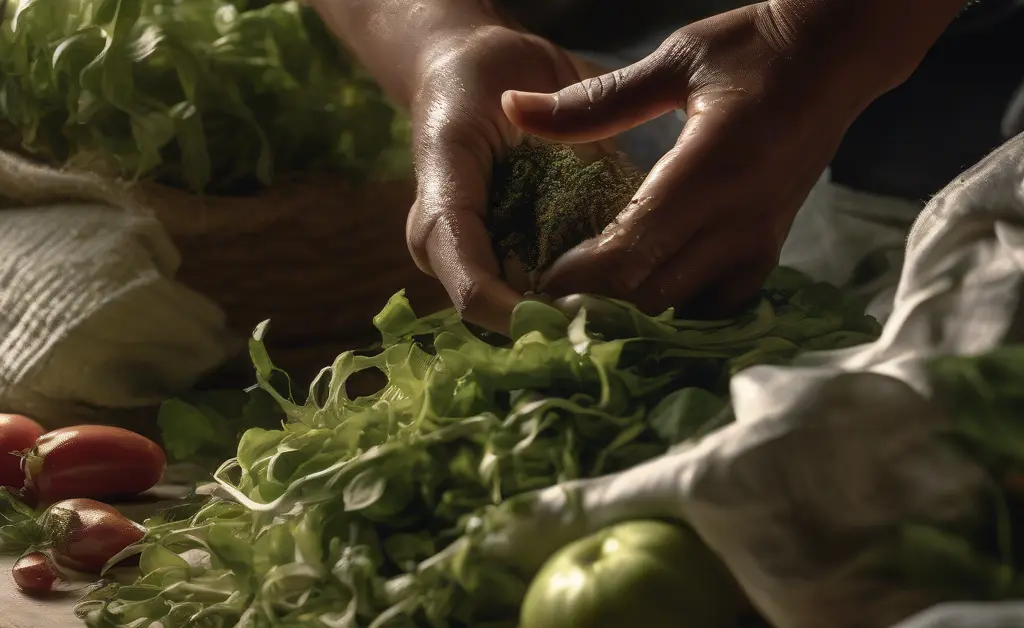
Understanding the full scope of mushroom cultivation involves appreciating the entire cycle, from initial setup to final product preparation. This integrated approach ensures not only a successful harvest but also high-quality, consumable mushrooms. The comprehensive journey requires diligence at every stage, emphasizing both the biological needs of the fungi and the practicalities of handling the harvest.
Mushroom cultivation: A Step-by-Step Overview
At its core, mushroom cultivation follows a sequential path that can be broken down into distinct phases. It typically starts with preparing a suitable growth medium, introducing mushroom spawn, allowing the mycelium to colonize the substrate, inducing fruiting, and finally, harvesting the mature mushrooms. Each phase has its own requirements for success, and attention to detail throughout is paramount for optimal yields and quality.
What are the basic steps of mushroom cultivation?
The basic steps in mushroom cultivation generally include substrate preparation, sterilization or pasteurization of the substrate, inoculation with spawn, incubation for mycelial growth, creating conditions for fruiting, and harvesting. Substrate preparation involves selecting and conditioning the material on which mushrooms will grow, such as wood chips, straw, or grain. Sterilization eliminates competing organisms, while inoculation introduces the desired mushroom culture. The incubation period allows the mycelium to fully colonize the substrate, forming a dense network. Fruiting conditions are then introduced to encourage the formation of mushroom caps and stems, followed by careful harvesting.
What are the 5 steps of mushroom cultivation?
While the exact number can vary depending on how they are grouped, a common simplification identifies five key steps in mushroom cultivation: 1. Substrate preparation, which involves gathering and treating the growing medium; 2. Inoculation, introducing the mushroom spawn (mycelium) to the prepared substrate; 3. Incubation, where the mycelium colonizes the substrate in a dark, warm environment; 4. Fruiting, where environmental conditions like light, humidity, and temperature are adjusted to encourage mushroom formation; and 5. Harvesting, carefully picking the mature mushrooms. This structured approach helps growers manage the process effectively from start to finish.
Essential Components for Mushroom Farming
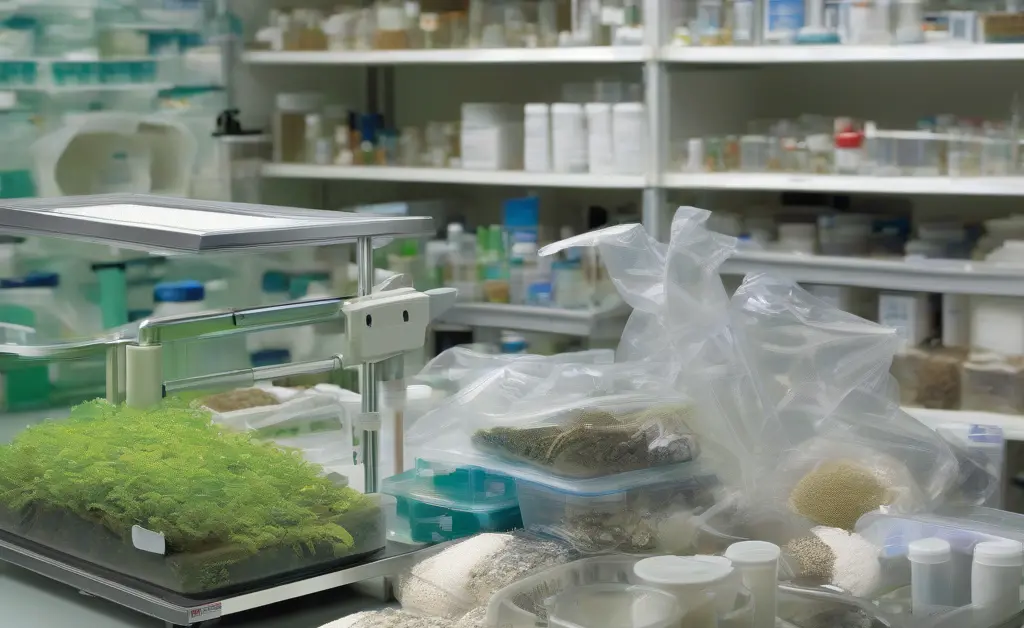
To embark on a successful mushroom farming venture, whether on a small scale or commercially, specific equipment and materials are indispensable. These components support the various stages of growth, from preparing the substrate to providing the ideal environment for fruiting. Careful selection of these essentials is a critical first step, impacting the efficiency and success of the entire operation. Effective mushroom cultivation and processing requires careful selection of equipment.
What equipment is needed for mushroom cultivation?
The equipment needed for mushroom cultivation can range from basic household items for small-scale growers to specialized machinery for commercial operations. Key items typically include pressure cookers or sterilizers for substrate preparation, a laminar flow hood or still air box for aseptic inoculation, shelving units for incubation and fruiting, environmental controls such as humidifiers and fans, and various containers like grow bags or monotubs. Additionally, tools for harvesting, cleaning, and processing, along with quality mushroom spawn and an appropriate substrate, are fundamental. For those looking into mushroom cultivation for profit, selecting the right equipment becomes even more crucial.
grow bags
Grow bags are a popular and versatile component in mushroom cultivation, particularly for species that thrive on bulk substrates like sawdust, straw, or grain. These specialized bags are typically made from a durable, autoclavable plastic, designed to withstand high-temperature sterilization. They often feature a filter patch that allows for gas exchange while preventing contamination from airborne spores or bacteria. Grow bags provide a contained environment for mycelial colonization and can often serve as the fruiting chamber itself, making them efficient for various stages of the cultivation process.
fruiting chambers
Fruiting chambers are enclosed environments designed to provide optimal conditions for mushroom development, specifically mimicking the natural conditions that trigger fruiting. These chambers are engineered to meticulously control environmental factors such as humidity, temperature, and carbon dioxide (CO2) levels. They can range from simple plastic totes with perlite for humidity to sophisticated climate-controlled rooms with automated systems. A well-designed fruiting chamber encourages the mycelium to produce healthy, robust mushrooms by offering the ideal balance of fresh air exchange, consistent moisture, and appropriate lighting.
Step-by-Step Mushroom Cultivation Process
The journey from a microscopic spore to a fully developed mushroom involves a meticulously controlled sequence of biological stages. Each step in the cultivation process builds upon the last, demanding precise environmental management and careful handling to ensure robust mycelial growth and bountiful fruiting. Understanding and executing these steps correctly are foundational to successful yields. Effective mushroom cultivation and processing hinges on meticulous control of environmental factors during growth.
Inoculation: Introducing Spawn to Substrate
Inoculation is the critical step where mushroom spawn, which is a substrate pre-colonized with mushroom mycelium, is introduced to a larger, sterilized bulk substrate. This transfer must be performed in a sterile environment to prevent contamination from competing molds or bacteria. The spawn acts as the “seed” for the mushroom crop, providing the initial living fungal culture that will colonize the entire growing medium. Proper inoculation techniques ensure that the desired mushroom mycelium has the best chance to outcompete any potential contaminants and thrive.
Incubation: Mycelium Colonization
Following inoculation, the substrate enters the incubation phase, a period during which the mushroom mycelium actively colonizes the growing medium. This stage typically requires a dark, warm environment, as the mycelium prefers to grow without light and at specific temperatures depending on the species. During incubation, the mycelium spreads throughout the substrate, breaking down nutrients and forming a dense, white network. This extensive colonization is essential for a healthy and productive fruiting cycle, as a fully colonized substrate indicates a strong fungal presence ready to produce mushrooms.
Fruiting: Inducing Mushroom Development
Once the substrate is fully colonized, the next major step is inducing fruiting. This involves changing the environmental conditions to signal to the mycelium that it’s time to produce mushrooms, or “fruiting bodies.” These changes typically include lowering the temperature, increasing humidity, introducing fresh air exchange (reducing CO2 levels), and providing some light. The specific triggers vary by mushroom species, but the goal is to mimic the natural environmental shifts that signal ideal conditions for mushroom reproduction. This induces the mycelium to form primordia, which then develop into mature mushrooms.
Maintaining Optimal Environmental Conditions (Temperature, Humidity, CO2)
The success of mushroom cultivation heavily relies on maintaining precise environmental conditions throughout the growth cycle, especially during fruiting. Temperature, humidity, and carbon dioxide (CO2) levels are the three most critical factors that influence mushroom development, yield, and quality. Each mushroom species has its own optimal ranges for these parameters, and deviations can lead to poor growth, contamination, or failure to fruit. Consistent monitoring and adjustment are necessary to create an ideal microclimate for the fungi. Scientific literature, often accessible via platforms like PubMed, provides detailed insights into species-specific environmental needs.
CO2 levels
CO2 levels play a crucial role, particularly during the transition from incubation to fruiting. During mycelial colonization (incubation), higher CO2 concentrations are often tolerated or even beneficial, as the mycelium is primarily focused on vegetative growth beneath the surface. However, to induce fruiting and encourage the formation of healthy mushroom caps and stems, CO2 levels must be significantly reduced. This reduction is typically achieved through adequate fresh air exchange, signaling to the mycelium that it has reached the surface and it’s time to produce reproductive structures. Elevated CO2 during fruiting can lead to elongated stems and small caps.
Humidity control
Humidity is another paramount factor, especially during the fruiting phase. Mushrooms are largely composed of water and require a consistently high humidity environment to prevent them from drying out and to support proper development. Relative humidity levels often need to be maintained above a specific threshold, depending on the species, which can be achieved through humidifiers, misting, or by using a fruiting chamber that naturally retains moisture. Insufficient humidity can result in stunted growth, cracked caps, and reduced yields.
Monitoring Growth Stages
Effective mushroom cultivation requires diligent monitoring of all growth stages, from the initial colonization of the substrate to the development and maturation of the fruiting bodies. Regular observation allows growers to identify potential issues such as contamination, suboptimal environmental conditions, or pest infestations early on. Monitoring involves visually inspecting the mycelium for healthy growth, checking the formation of primordia, and observing the overall development of the mushrooms. This proactive approach enables timely adjustments and interventions, safeguarding the crop and ensuring a successful harvest.
Mushroom Harvesting Techniques
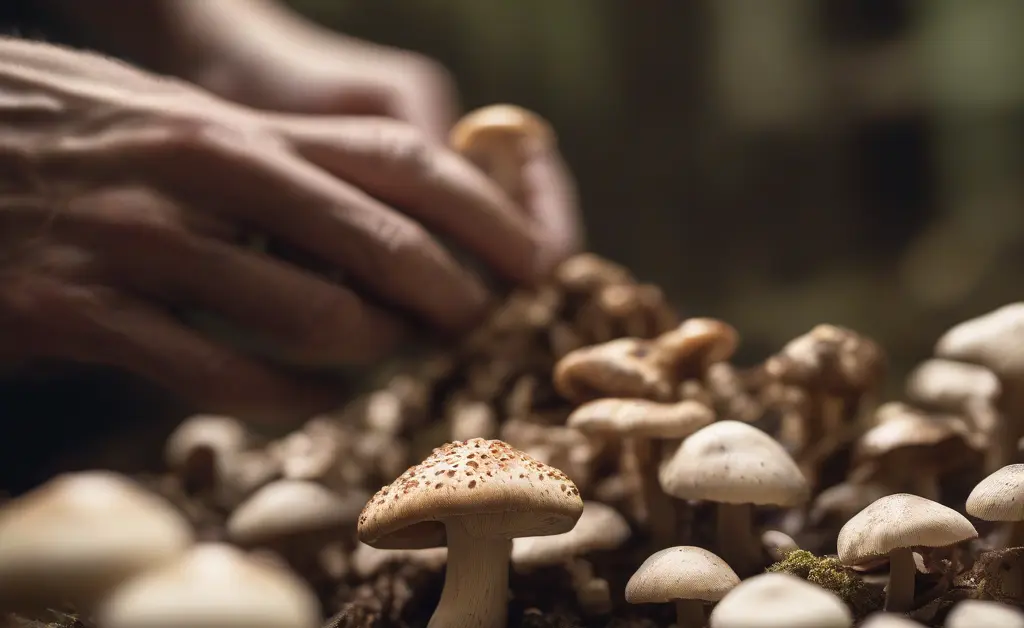
Harvesting is the culmination of the cultivation process, and executing it correctly is vital for both the quality of the current yield and the potential for subsequent flushes. Improper harvesting can damage the substrate, reduce future yields, or compromise the freshness and shelf life of the mushrooms. Therefore, specific techniques are employed to ensure the mushrooms are picked at their peak and with minimal disruption to the growing environment.
When to Harvest Mushrooms?
Determining the optimal time to harvest mushrooms is crucial for maximizing flavor, texture, and shelf life. Most mushrooms are ready for harvest just as their caps begin to unfurl, but before they flatten completely or release a significant amount of spores. For many common varieties, this often means when the veil (the membrane covering the gills on the underside of the cap) has just broken or is about to break. Harvesting at this stage ensures the mushrooms are tender, have a desirable texture, and will store well. Over-mature mushrooms can become tough, lose flavor, and rapidly deteriorate.
Methods for Harvesting Different Mushroom Varieties
Harvesting methods can vary depending on the mushroom variety and how they grow. For cluster-forming mushrooms like oyster mushrooms, it’s often best to harvest the entire cluster by twisting and pulling at the base, or by cutting the base of the cluster with a clean knife. Individual mushrooms, such as shiitake or button mushrooms, are typically harvested by gently twisting the stem until it detaches from the substrate, or by cutting the stem close to the surface. It’s important to use clean hands or sterilized tools to prevent introducing contaminants to the substrate, which could affect future flushes.
Ensuring Minimal Damage During Harvest
Minimizing damage during harvest is essential for two primary reasons: preserving the quality of the harvested mushrooms and protecting the integrity of the substrate for future yields. Rough handling can bruise mushrooms, leading to quicker spoilage and an unappealing appearance. Additionally, tearing too much of the substrate away during harvest can damage the underlying mycelial network, potentially reducing the number or size of subsequent flushes. Gentle twisting, precise cutting, and supporting the surrounding mushrooms or substrate can help ensure a clean, efficient harvest with minimal negative impact.
Post-Harvest Processing of Mushrooms
The journey of a mushroom doesn’t end at harvest; the post-harvest phase is equally critical in determining its quality, shelf life, and ultimate usability. Proper processing techniques ensure that the mushrooms retain their freshness, flavor, and nutritional value, whether they are destined for immediate consumption or long-term storage. After a successful harvest, meticulous mushroom cultivation and processing continues with critical post-harvest steps.
How do you process mushrooms after harvesting?
Processing mushrooms after harvesting involves several steps aimed at preparing them for consumption, storage, or preservation. This typically includes cleaning them to remove any substrate debris, dirt, or insects, sorting them by size and quality, and then deciding on the appropriate storage or preservation method. The chosen method depends on how quickly the mushrooms will be used and the desired end product, ranging from fresh storage to drying, freezing, or canning.
Cleaning and Sorting Mushrooms
Cleaning mushrooms immediately after harvest is important but should be done gently to avoid bruising or waterlogging. Techniques often involve using a soft brush, a damp cloth, or gently wiping away debris. Some growers prefer to lightly rinse mushrooms under cold water, but they should be dried thoroughly afterward to prevent spoilage. Sorting involves separating mushrooms by size, quality, and any damage. This step ensures uniformity for packaging and identifies any mushrooms that might need immediate attention or are unsuitable for sale.
Drying and Dehydration Methods
Drying and dehydration are effective methods for preserving mushrooms, significantly extending their shelf life by removing moisture that facilitates spoilage. This process concentrates their flavor, making them excellent for culinary uses when rehydrated. Common methods include air drying in a well-ventilated area, using a food dehydrator with controlled temperature and airflow, or even oven drying at very low temperatures. The goal is to remove as much moisture as possible without cooking the mushrooms, resulting in a brittle, fully dried product.
dehydration
Dehydration is a cornerstone preservation technique for mushrooms, effectively halting enzymatic and microbial activity by reducing their water content to a minimal level. A food dehydrator, which circulates warm, dry air, is often the most efficient tool for this. Mushrooms are typically sliced evenly to ensure uniform drying and spread in a single layer on trays. The dehydration process continues until the mushrooms are completely crisp and show no flexibility, indicating that nearly all moisture has been removed. Properly dehydrated mushrooms can be stored for extended periods in airtight containers.
Packaging and Storage for Fresh Mushrooms
For fresh mushrooms intended for immediate sale or consumption, proper packaging and storage are essential to maintain quality and extend shelf life. Fresh mushrooms breathe and release moisture, so they require packaging that allows for some air circulation while preventing excessive drying. Paper bags or perforated plastic containers are often preferred over sealed plastic bags, which can trap moisture and accelerate spoilage. The ideal storage environment is typically a refrigerator at a cool temperature with moderate humidity.
storage
Effective storage for fresh mushrooms focuses on minimizing moisture loss while preventing condensation, which can lead to sliminess and bacterial growth. Storing them in the crisper drawer of a refrigerator, often in a paper bag, allows them to breathe and helps absorb excess moisture. They should be kept away from strong-smelling foods, as mushrooms can easily absorb odors. For optimal freshness, mushrooms should be consumed relatively soon after harvest or purchase, but proper storage can extend their viability for several days.
Packaging
The packaging of fresh mushrooms plays a significant role in their presentation and preservation. Materials like breathable plastic clamshells, cardboard punnets, or paper bags are commonly used. These options aim to protect the delicate fungi from physical damage, prevent excessive moisture accumulation, and allow for adequate airflow. Packaging choices also consider shelf appeal and ease of transport, ensuring that mushrooms reach consumers in the best possible condition.
Preservation Techniques (e.g., Freezing, Canning)
Beyond drying, other preservation techniques like freezing and canning offer alternative ways to extend the usability of harvested mushrooms. Freezing mushrooms typically involves sautéing or blanching them first to stop enzyme action, then freezing them in airtight containers or bags. Canning, while more involved, uses heat and pressure to seal mushrooms in jars, creating a shelf-stable product. Both methods alter the texture of the mushrooms, making them better suited for cooked dishes rather than fresh preparations, but they provide excellent options for long-term storage.
Challenges and Solutions in Mushroom Cultivation
Despite the precise methodologies involved, mushroom cultivation is not without its hurdles. Growers, both novice and experienced, often encounter a range of issues that can impact yield and quality. Identifying these challenges early and implementing effective solutions is key to maintaining a healthy and productive operation. Navigating the various obstacles in mushroom cultivation and processing requires foresight and effective problem-solving.
What are common problems in mushroom cultivation?
Common problems in mushroom cultivation frequently revolve around contamination, suboptimal environmental conditions, and issues with mycelial growth or fruiting. Contamination by competing molds (like green mold) or bacteria is perhaps the most prevalent challenge, often stemming from inadequate sterilization, improper aseptic technique during inoculation, or compromised substrate. Environmental issues include incorrect temperature, humidity, or CO2 levels, which can lead to slow growth, malformed mushrooms, or a complete failure to fruit. Other problems might involve slow or stalled mycelial colonization, pest infestations (e.g., fungus gnats), or diseases specific to certain mushroom species.
The Future of Mushroom Cultivation and Processing
The field of mushroom cultivation is continuously evolving, driven by scientific advancements, increasing consumer demand for sustainable and healthy foods, and innovative farming technologies. As our understanding of fungal biology deepens, so too do the possibilities for more efficient, productive, and environmentally friendly cultivation practices. This trajectory points towards exciting developments in how mushrooms are grown, processed, and integrated into our diets and economies. Advanced understanding of mushroom cultivation economics will continue to drive innovation in the industry.
The journey from spore to plate in mushroom cultivation and processing is a blend of art and science, demanding attention to detail at every stage. From preparing the ideal substrate and carefully inoculating it with spawn, through maintaining precise environmental controls during incubation and fruiting, to the critical steps of harvesting and post-harvest handling, each phase contributes to the final quality and yield. By understanding and mastering these principles, growers can navigate the complexities of fungi farming, overcome common challenges, and achieve consistently successful results, contributing to a sustainable and rewarding practice.
While this article discusses health-related topics, it does not provide medical guidance. The information presented is for general knowledge and informational purposes only, and does not constitute professional medical advice, diagnosis, or treatment. Always seek the advice of a qualified healthcare professional for any questions you may have regarding a medical condition or treatment.
FAQ
What are the basic steps of mushroom cultivation?
This process involves preparing a suitable growing medium, often called a substrate, followed by sterilizing it to eliminate competing microorganisms. Next, the sterilized substrate is inoculated with mushroom spawn, allowing the fungal mycelium to colonize it before environmental conditions are adjusted to induce fruiting body development and eventual harvest.
How do you process mushrooms after harvesting?
After harvesting, mushrooms are typically cleaned to remove any substrate and then either dried, fresh-packed, or prepared for extraction, depending on their ultimate purpose. This careful handling is a crucial part of effective mushroom cultivation and processing, aiming to preserve their beneficial compounds and quality.
What equipment is needed for mushroom cultivation?
Essential equipment for mushroom cultivation typically includes sterilization tools like a pressure cooker or autoclave, alongside a sterile workspace such as a still air box or laminar flow hood for inoculation. Containers for the substrate are necessary, and environmental controls like humidifiers, fans, and thermometers are important for maintaining optimal growing conditions.
What is the best substrate for growing mushrooms?
The “best” substrate truly depends on the specific mushroom species being cultivated, as different fungi have distinct nutritional requirements for optimal growth. Hardwood sawdust, grain, straw, and even coffee grounds are commonly used, often supplemented with nutrients like bran or gypsum to enhance yields. Selecting the appropriate substrate directly influences both the quantity and quality of the mushrooms produced.
What are common problems in mushroom cultivation?
Contamination by unwanted molds or bacteria is a frequent challenge, often arising from inadequate sterilization or unsterile inoculation techniques. Substrate preparation issues, such as incorrect moisture levels or nutrient balance, can also hinder mycelial colonization and fruiting. Maintaining precise environmental conditions, including temperature, humidity, and fresh air exchange, is crucial, as imbalances can lead to poor yields or deformed mushrooms.