
From Spore to Market: Unlocking Mushroom Value
In an era where health-conscious living and sustainable food practices are increasingly prioritized, the humble mushroom has emerged as a versatile superfood gaining significant attention. Beyond its culinary appeal, the journey of bringing mushrooms to our plates involves intricate processes that extend far beyond simple harvesting. This article delves into the transformative world of mushroom cultivation and value addition, exploring how these fungi are grown, processed, and transformed into a myriad of products that enhance our diets and lifestyles. From innovative culinary applications to health-boosting supplements, understanding this industry reveals opportunities for economic growth and consumer well-being, highlighting the ingenuity required to maximize the potential of these unique organisms.
Oyster Mushroom Cultivation and Value Addition
Oyster mushrooms are among the most popular and relatively easy-to-cultivate varieties, making them an excellent starting point for many farmers interested in commercial mushroom production. Establishing a successful mushroom cultivation business involves careful planning and execution. Their rapid growth cycle and adaptability to various substrates, such as straw, sawdust, and even coffee grounds, contribute to their appeal. Successful oyster mushroom cultivation requires careful control over environmental factors like temperature, humidity, and ventilation to optimize yield and quality. Once harvested, the journey often extends beyond fresh sales. Strategic value addition for oyster mushrooms can significantly boost their market appeal and profitability, transforming them into diverse products from dried culinary ingredients to ready-to-eat snacks. This integrated approach to mushroom cultivation and value addition is key to unlocking the full economic potential of this versatile fungus.
Mushroom Farming and Value Addition
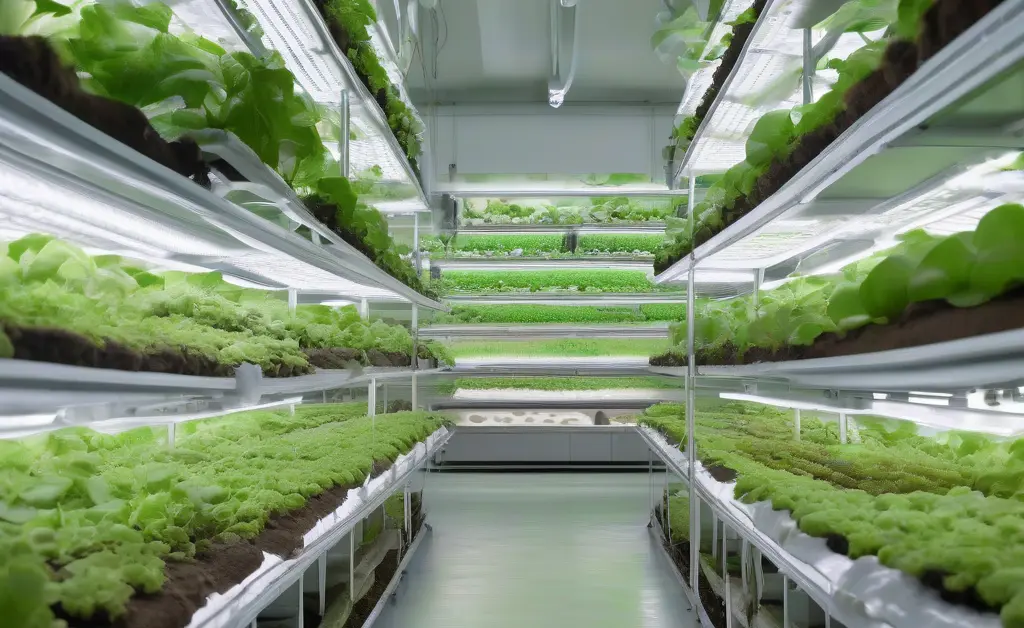
Mushroom farming encompasses a broad range of practices, from small-scale artisanal operations to large industrial facilities. The core principles often involve preparing a substrate, inoculating it with mushroom spawn, and maintaining optimal conditions for mycelial growth and fruiting. As the demand for fresh and processed mushrooms grows, the integration of value addition strategies into mushroom farming operations becomes increasingly important. This includes not only enhancing the profitability of the produce but also optimizing resource utilization and minimizing waste. The comprehensive approach of mushroom cultivation and value addition allows producers to cater to a wider array of consumer preferences and market segments, moving beyond traditional fresh market sales to more specialized and higher-value offerings. For those planning a venture, understanding the relevant mushroom cultivation NIC code can be a crucial administrative step.
Value Addition in Mushroom
Definition and Scope of Value Addition
Value addition in the context of mushrooms refers to any process or activity that enhances the economic value or market appeal of raw mushrooms. This transformation can involve changes in form, flavor, nutritional content, shelf-life, or convenience. The scope of value addition is extensive, ranging from simple processing techniques like drying to complex industrial applications such as extraction of bioactive compounds for pharmaceutical use. By extending the utility and desirability of mushrooms, value addition plays a critical role in developing a robust and sustainable mushroom industry, moving beyond the sale of fresh, perishable produce.
Importance of Value Addition in the Mushroom Industry
The strategic implementation of value addition is paramount for the long-term sustainability and growth of the mushroom industry. It addresses several critical challenges while simultaneously opening up new market opportunities. The practices surrounding mushroom cultivation and value addition collectively strengthen the entire supply chain, from producer to consumer.
Reducing Post-Harvest Losses
Mushrooms are highly perishable, with a limited shelf-life when sold fresh. A significant portion of harvested mushrooms can be lost due to spoilage, bruising, or improper storage if not processed promptly. Value addition techniques, such as drying, canning, or freezing, effectively extend the product’s lifespan, drastically reducing post-harvest waste and ensuring that more of the cultivated produce reaches the consumer in a usable form.
Enhancing Income and Profitability
Converting raw mushrooms into processed products often commands higher prices in the market compared to fresh sales. Value-added products diversify revenue streams for farmers and processors, allowing them to capture a larger share of the consumer dollar. This increased profitability can support investment in better cultivation technologies, improve livelihoods, and contribute to the economic stability of rural communities involved in mushroom farming. A detailed analysis of mushroom cultivation cost and profit is essential for sustainable business planning.
Expanding Market Reach and Shelf-Life
Processed mushroom products can be transported and stored for longer periods, enabling producers to access distant markets that would be inaccessible with fresh, highly perishable mushrooms. This expansion of market reach, combined with an extended shelf-life, provides greater flexibility in sales and distribution, reducing dependency on local, seasonal demand.
Meeting Consumer Demand for Processed Products
Modern consumers increasingly seek convenience and ready-to-use food options. Value-added mushroom products, such as dried slices, canned whole mushrooms, or ready-to-eat snacks, cater to this demand. They offer ease of preparation and integration into various culinary applications, making mushrooms more accessible and appealing to a broader consumer base.
Methods of Mushroom Value Addition
The versatility of mushrooms lends itself to a wide array of value addition methods, each designed to enhance specific attributes such as preservation, convenience, nutritional content, or flavor. These methods are integral to comprehensive mushroom cultivation and value addition strategies.
Drying and Dehydration
Drying is one of the oldest and most effective methods of preservation. It removes moisture, inhibiting microbial growth and enzymatic reactions that lead to spoilage. Mushrooms can be sun-dried, air-dried, or mechanically dehydrated using ovens or specialized dehydrators. Dried mushrooms retain much of their flavor and nutrients, offering a concentrated taste and extended shelf-life. They are popular for use in soups, stews, and sauces after rehydration.
Pickling and Preserving
Pickling involves preserving mushrooms in an acidic solution, typically vinegar, often with spices and herbs. This method imparts a distinct tangy flavor and significantly extends shelf-life. Preserved mushrooms can also involve brining or marinating in oil, allowing them to be enjoyed as appetizers, side dishes, or additions to salads.
Canning and Freezing
Canning provides a long-term, shelf-stable preservation solution, making mushrooms readily available for use in various dishes. Freezing, while requiring specific storage conditions, is excellent for maintaining the texture and flavor of mushrooms closer to their fresh state. Both methods offer convenience for consumers, providing pre-prepared mushrooms for cooking without the need for immediate use.
Mushroom Powders and Extracts
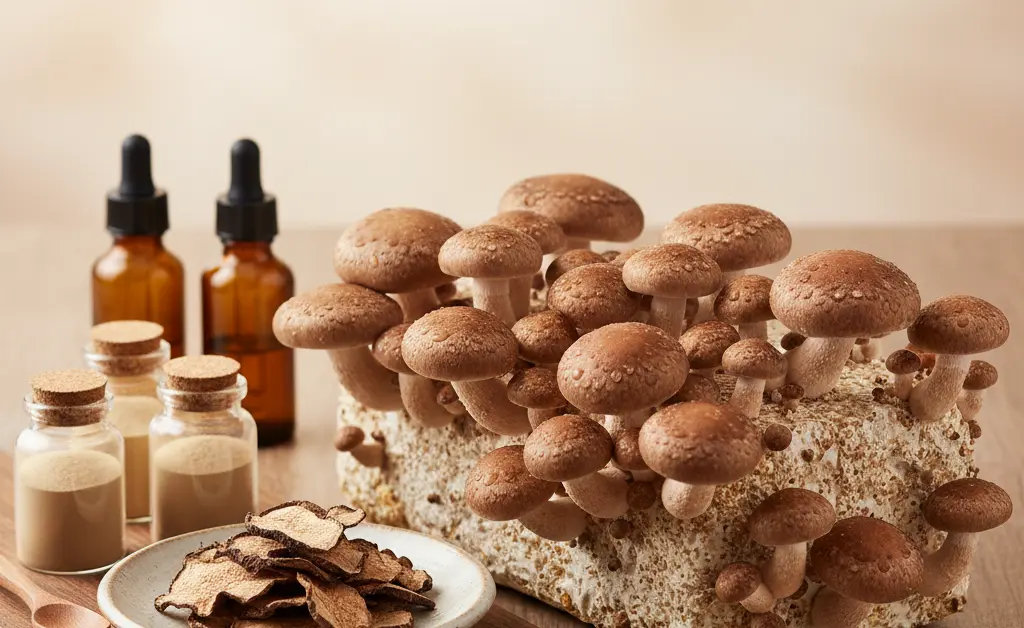
Mushrooms can be ground into fine powders, which are then used as flavor enhancers, dietary supplements, or functional food ingredients. Extracts involve concentrating beneficial compounds from mushrooms, such as polysaccharides or triterpenes, often for use in nutraceuticals or health supplements. These forms offer a potent and convenient way to incorporate mushroom benefits into diets.
Snacks and Ready-to-Eat Products
With the rising demand for convenient and healthy snack options, mushrooms are being processed into various ready-to-eat products. This can include crispy mushroom chips, savory roasted mushroom bites, or even vegetarian jerky alternatives. These products cater to busy lifestyles and offer an alternative to traditional snack foods.
Pharmaceutical and Nutraceutical Applications
Many mushroom varieties are rich in bioactive compounds with potential health benefits. Value addition in this segment involves isolating and concentrating these compounds to create pharmaceutical ingredients or nutraceutical products, such as capsules, tinctures, or functional beverages. This high-value application taps into the growing market for natural health solutions. For evidence-based research on health interventions, resources like the Cochrane Library provide valuable insights.
Challenges and Opportunities in Mushroom Value Addition
While mushroom value addition offers substantial benefits, the sector faces several challenges that require innovative solutions and strategic planning. These include overcoming Technological Hurdles related to processing equipment and energy costs, especially for smaller producers. Ensuring consistent Quality Control and Standardization across diverse products and processing methods is crucial for market acceptance and consumer trust. Developing effective Marketing and Distribution Networks is also a hurdle, as processed mushroom products often require different supply chains than fresh produce. Furthermore, Consumer Education and Awareness about the benefits and versatility of value-added mushroom products are necessary to drive demand. Limited Government Support and Policies specifically tailored to the value addition segment of the mushroom industry can also impede growth.
Despite these challenges, significant opportunities abound. The Growing Demand for Healthy Foods and natural ingredients presents a fertile ground for mushroom-based products. Continuous Innovation in Mushroom Products, from novel snacks to advanced nutraceuticals, can create new market niches. The increasing focus on Sustainable Cultivation Practices and waste reduction aligns perfectly with value addition, as it maximizes the utility of harvested mushrooms and by-products. Collaboration between researchers, farmers, and food technologists can help develop more efficient and cost-effective processing methods, opening doors for broader market penetration and economic growth.
Market Trends and Future Prospects
The market for mushrooms, both fresh and value-added, is experiencing significant growth, driven by evolving consumer preferences and a greater understanding of their nutritional and health benefits. A key trend is the Growing Demand for Healthy Foods, with mushrooms being recognized as a low-calorie, nutrient-dense ingredient. This fuels interest in convenient, processed forms that fit into a health-conscious lifestyle. There is also a strong emphasis on Innovation in Mushroom Products, leading to the development of novel items beyond traditional whole or sliced mushrooms, such as mushroom coffees, teas, meat alternatives, and functional supplements. Creating a distinctive mushroom cultivation logo can significantly enhance brand recognition and market presence.
Future prospects for mushroom value addition appear robust. The industry is poised to capitalize on increasing consumer awareness of sustainable and plant-based diets. Advances in processing technologies will likely reduce costs and improve product quality, making value-added mushrooms more accessible. Research into the specific health benefits of various mushroom compounds will continue to open new doors for pharmaceutical and nutraceutical applications. Furthermore, the integration of Sustainable Cultivation Practices with efficient value addition processes will not only improve environmental footprints but also enhance brand appeal, ensuring a vibrant and expanding market for diverse mushroom products.
The journey from spore to market for mushrooms is a testament to the potential for innovation within agriculture. By embracing advanced cultivation techniques and diverse value addition processes, the mushroom industry can unlock significant economic opportunities and cater to a global demand for healthy, sustainable, and versatile food products. As consumer preferences continue to evolve, the strategic transformation of mushrooms will undoubtedly play a crucial role in shaping future food systems and promoting well-being.
This material is shared for educational insight, not for clinical decision-making. The information provided is intended to offer general knowledge and understanding of mushroom cultivation and value addition. It is not a substitute for professional advice or guidance. Readers should consult with appropriate professionals for specific applications or concerns regarding health or commercial ventures.
FAQ
What are the common methods for adding value to mushrooms?
Common methods for adding value include drying to extend shelf life, creating powdered forms for easy incorporation into various foods, and extracting beneficial compounds. Mushrooms can also be processed into ready-to-eat meals or integrated into supplement formulations, enhancing their utility and consumer appeal.
Why is value addition important for mushroom cultivation?
Value addition is crucial because it significantly extends the shelf life of perishable fresh mushrooms, which helps to reduce spoilage and waste. This process allows producers to diversify their product offerings and reach new markets, thereby increasing profitability. Ultimately, effective mushroom cultivation and value addition can transform a raw agricultural product into a range of consumer-ready goods with higher economic potential.
How can mushroom cultivation be made more profitable through value addition?
By transforming fresh mushrooms into processed goods, cultivators can command higher prices compared to selling them raw. This strategy reduces post-harvest losses and opens up opportunities to sell into markets beyond fresh produce, such as health food stores or ingredient suppliers. Creating specialized products also allows for branding and differentiation, attracting consumers willing to pay more for unique or convenient options.
What are the different types of processed mushroom products?
Processed mushroom products encompass a wide variety, including dried mushrooms that can be rehydrated or used as culinary ingredients. Powders are another popular form, often incorporated into smoothies, soups, or encapsulated for convenient consumption. Extracts, tinctures, and mushroom-infused beverages like coffee or tea are also common, designed to deliver specific beneficial compounds.