
A Practical Guide to Mushroom Farming in Assam
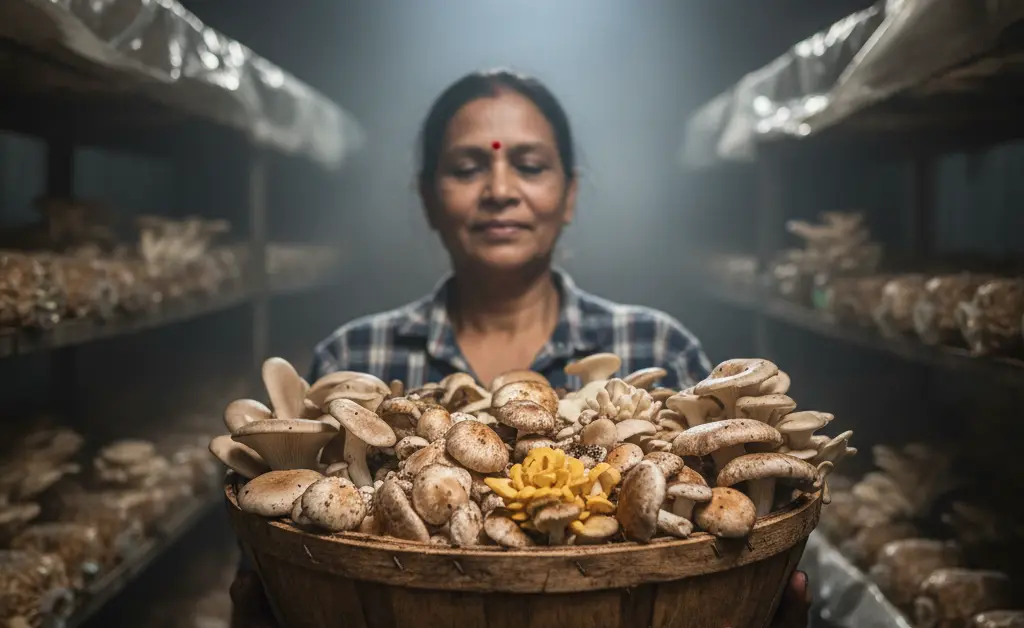
Imagine a quiet morning, the damp earth beneath your feet, as you carefully gather a basket full of fresh, organic mushrooms, destined for your family’s dinner table. This vision of sustainable living and culinary delight is increasingly becoming a reality for many across Assam. The region’s unique climate and agricultural heritage make it an ideal setting for embracing innovative farming practices. This guide delves into the specifics of mushroom cultivation Assam, providing a comprehensive overview for aspiring growers and those looking to expand their agricultural ventures. From understanding suitable varieties to mastering post-harvest techniques, we explore the potential of this burgeoning industry to transform livelihoods and contribute to food security in the state.
Steps for Mushroom Cultivation in Assam
Embarking on mushroom cultivation in Assam involves a series of structured steps, each crucial for successful yields. This process begins with understanding the local environmental conditions and progresses through substrate preparation, spawning, incubation, fruiting, and careful post-harvest handling. Adhering to these steps ensures optimal growth and helps mitigate potential challenges specific to the region. Learn more about mushroom cultivation in India.
Climate and Environmental Factors
Assam’s subtropical climate, characterized by high humidity and distinct monsoon seasons, provides a generally favorable environment for several mushroom species. Understanding local temperature fluctuations, especially between day and night, and maintaining consistent humidity levels within the growing environment are critical. Good ventilation is also essential to prevent the accumulation of carbon dioxide and to ensure a fresh air supply, which is vital for proper mushroom development.
Substrate Preparation
The choice and preparation of substrate form the foundation of successful mushroom growing. Common substrates in Assam include paddy straw, sawdust, and agricultural waste materials like sugarcane bagasse or water hyacinth. These materials must be properly sterilized or pasteurized to eliminate competing microorganisms, ensuring that the mushroom mycelium has the best chance to colonize the substrate. This process often involves soaking, boiling, or steaming the materials, followed by cooling.
Spawning Process
Spawning is the process of introducing mushroom spawn (mycelium grown on grains or other carriers) to the prepared substrate. This step requires sterile conditions to prevent contamination. The spawn is mixed thoroughly with the substrate, or layered within it, allowing the mycelium to spread and colonize the material. The quality of the spawn significantly impacts the success rate, making it important to source from reliable suppliers.
Incubation and Fruiting
After spawning, the inoculated substrate blocks are moved to an incubation room where specific temperature and humidity conditions are maintained, typically in darkness. During this phase, the mycelium fully colonizes the substrate. Once colonization is complete, the blocks are exposed to light, fresh air, and specific humidity levels to trigger fruiting, leading to the emergence of mushroom pins, which then grow into mature mushrooms. Commercial operations in cities like Bangalore also follow similar incubation and fruiting protocols.
Harvesting and Post-Harvest Handling
Mushrooms are typically harvested when they reach an optimal size but before they release their spores. This usually involves gently twisting or cutting the mushrooms at their base. Proper post-harvest handling is crucial for extending shelf life and maintaining quality. This includes immediate cooling, careful packaging, and storage in conditions that prevent spoilage, ideally at cool temperatures with moderate humidity.
Pest and Disease Management
Mushroom farms can face challenges from various pests, such as insects and mites, and diseases caused by bacteria, molds, or fungi. Implementing strict hygiene protocols, including sterilizing equipment and growing areas, is a primary defense. Early detection of any infestation or disease and immediate isolation of affected blocks can prevent widespread outbreaks. Integrated pest management strategies, focusing on prevention and biological controls, are often favored to avoid chemical use. For those interested in other regions, information on mushroom cultivation Virginia can offer comparative insights into pest and disease management strategies.
Mushroom training Assam


For individuals looking to delve into the promising field of mushroom cultivation in Assam, acquiring the right knowledge and practical skills is paramount. Comprehensive training programs are increasingly available to equip aspiring farmers with the necessary technical expertise, ensuring they can navigate the complexities of mushroom farming successfully and sustainably. Those in other urban centers, such as Hyderabad, can also find specialized training.
Technical Expertise and Training Needs
Successful mushroom cultivation requires a blend of scientific understanding and practical skills. Training programs typically cover essential aspects such as selecting appropriate mushroom varieties for the local climate, mastering substrate preparation techniques, understanding the nuances of spawning and incubation, and effective pest and disease management. Participants also learn about maintaining optimal environmental conditions like temperature, humidity, and ventilation, which are critical for maximizing yields and quality.
Training Institutes and Extension Services
Several agricultural universities, government departments, and non-governmental organizations in Assam offer specialized training programs for mushroom cultivation. These programs often combine theoretical knowledge with hands-on practical sessions, allowing participants to gain direct experience. Extension services further support growers by providing ongoing advice, troubleshooting assistance, and access to quality spawn and other essential resources. These initiatives are vital for fostering a knowledgeable and skilled community of mushroom growers in the region.
Government Support and Resources for Mushroom Growers in Assam


The government of Assam, recognizing the significant potential of mushroom cultivation to boost agricultural income and improve food security, has initiated various support programs. These initiatives aim to provide financial assistance, technical guidance, and market linkages to encourage more farmers to adopt this innovative farming practice. These resources are designed to help overcome initial barriers and foster sustainable growth in the sector, contributing positively to mushroom cultivation Assam.
Significance of Mushroom Cultivation in Assam’s Economy
Mushroom cultivation is rapidly emerging as a significant contributor to Assam’s agricultural economy. It provides a viable alternative income source for farmers, particularly those with small landholdings, and diversifies the state’s agricultural output. The relatively short cultivation cycle and high market demand for fresh mushrooms make it an attractive and profitable venture. Furthermore, it utilizes agricultural waste products, contributing to sustainable resource management.
Potential for Livelihood Diversification and Nutritional Security
For many rural households in Assam, mushroom farming offers a path to livelihood diversification, reducing dependence on traditional crops which may be susceptible to climatic variations. Beyond economic benefits, mushrooms are a rich source of protein, vitamins, and minerals, making them a valuable addition to diets and contributing significantly to the nutritional security of the population. Promoting mushroom cultivation can thus address both economic and nutritional challenges in the state. For further research on health-related aspects of nutrition, resources from institutions like the NIH can be beneficial.
Oyster Mushrooms
Oyster mushrooms are among the most popular choices for cultivation in Assam due to their adaptability to local conditions and relatively easy growing process. They thrive on a variety of agricultural wastes, making substrate sourcing straightforward. Known for their delicate flavor and texture, they have a good market demand and are relatively quick to fruit, offering quick returns to growers.
Button Mushrooms
Button mushrooms are globally popular and have a consistent market. While their cultivation requires more controlled environmental conditions compared to oyster mushrooms, advancements in technology and specialized training have made them increasingly viable for commercial growers in Assam. Their widespread appeal ensures a steady demand in both local and urban markets.
Paddy Straw Mushrooms
Paddy straw mushrooms are particularly well-suited for Assam’s climate, especially during the monsoon season, as they prefer warm and humid conditions. They grow rapidly on paddy straw, a readily available agricultural residue in the state. Their distinctive flavor and soft texture are highly valued in regional cuisine, making them a good option for local consumption and sale.
Other Edible Varieties
Beyond the most common types, several other edible mushroom varieties may be explored for cultivation in Assam, depending on specific microclimates and market demand. These might include species that are traditionally collected from the wild or those that have shown promising results in research trials. Diversifying the varieties grown can cater to niche markets and potentially increase overall profitability.
Availability of Quality Spawn and Substrate
A consistent supply of high-quality spawn is fundamental to successful mushroom cultivation. Government agencies and agricultural research institutions in Assam are working to ensure that growers have access to reliable spawn at reasonable prices. Similarly, the abundant availability of agricultural by-products like paddy straw, sawdust, and other cellulosic materials serves as an economical and sustainable source of substrate for farmers.
Market Access and Price Volatility
While demand for mushrooms is growing, market access and price volatility can be challenges for growers. Establishing direct linkages with consumers, local markets, restaurants, and food processors can help ensure stable prices and reduce post-harvest losses. Government initiatives aim to create better market infrastructure and provide information on market trends to farmers.
Infrastructure Limitations
Infrastructure development, such as cold storage facilities, processing units, and improved transportation networks, is crucial for supporting the mushroom industry in Assam. Lack of adequate infrastructure can affect the shelf life of fresh produce and limit access to distant markets. Addressing these limitations is key to scaling up mushroom production and profitability.
Enterprise Development for Small-Scale Farmers
Mushroom cultivation offers a significant opportunity for small-scale farmers to establish viable agricultural enterprises. Support programs often focus on providing technical training, financial assistance for setting up growing units, and guidance on business planning and marketing strategies. This empowers farmers to transition from subsistence farming to commercial ventures.
Income Generation and Employment
The mushroom sector contributes significantly to income generation, particularly for rural women and youth, and creates employment opportunities throughout the value chain—from cultivation and harvesting to packaging and marketing. Its labor-intensive nature means it can provide livelihoods for many, contributing to economic upliftment in the region.
Contribution to Food Security
By providing a nutritious food source that can be grown with relatively less land and water compared to traditional crops, mushroom cultivation plays a vital role in enhancing food security in Assam. It offers a fresh, protein-rich vegetable option, especially important in regions where access to diverse food sources might be limited.
Schemes and Subsidies
The state and central governments offer various schemes and subsidies to promote mushroom cultivation. These may include financial assistance for establishing growing units, subsidies on spawn and other inputs, training programs, and support for market linkages. Farmers are encouraged to explore these schemes to leverage government support for their ventures.
In conclusion, mushroom cultivation in Assam holds immense potential, not just as a profitable agricultural venture but also as a means to foster economic growth, diversify livelihoods, and enhance nutritional security across the state. With its favorable climate, abundant agricultural waste, and increasing government support, the region is well-positioned to become a thriving hub for mushroom production. Aspiring growers, equipped with proper training and strategic planning, can tap into this burgeoning market, contributing significantly to a sustainable and prosperous agricultural future for Assam.
The purpose of this content is to educate, not to diagnose or treat. This information is intended for general knowledge and informational purposes only, and does not constitute medical advice. It is essential to consult with qualified professionals for any health concerns or before making any decisions related to health or agriculture. The content should not be used as a substitute for professional guidance or expertise.
FAQ
What are the common challenges in mushroom cultivation in Assam?
Mushroom cultivation in Assam faces challenges such as managing the region’s humid climate, which can promote contaminant growth, and ensuring consistent environmental control. Additionally, securing reliable access to quality spawn, establishing appropriate post-harvest infrastructure, and developing effective market linkages often present hurdles for local growers.
Which mushroom varieties are best suited for cultivation in Assam?
Varieties such as oyster mushrooms (Pleurotus species) and paddy straw mushrooms (Volvariella volvacea) are particularly well-suited for cultivation in Assam due to their adaptability to tropical and subtropical climates. These species thrive in the warm, humid conditions prevalent in the region, making them practical choices for local farmers.
How can mushroom cultivation support livelihoods in Assam?
Mushroom cultivation in Assam offers a significant opportunity for income generation, particularly for small-scale farmers and women’s self-help groups, providing a relatively quick return on investment. This agricultural pursuit requires less land than many traditional crops, making it an accessible and attractive venture for rural communities seeking diversified economic activities and employment.
What are the benefits of mushroom farming for nutritional security in Assam?
Mushroom farming contributes to nutritional security by providing a source of high-quality protein, essential vitamins like B vitamins and vitamin D, and various minerals to local diets. Incorporating mushrooms into regular meals can help diversify nutrient intake, which is particularly beneficial in regions where access to diverse protein sources might be limited.
What steps are involved in setting up a mushroom cultivation enterprise in Assam?
Establishing a mushroom cultivation enterprise typically begins with selecting a suitable mushroom variety and acquiring quality spawn from a reputable supplier. Key subsequent steps involve preparing the substrate, inoculating it with the spawn, and meticulously maintaining optimal environmental conditions such as temperature, humidity, and ventilation throughout the growth cycle, followed by harvesting and marketing the produce.