
A Strategic Guide to Your B.Sc. Mushroom Assignment
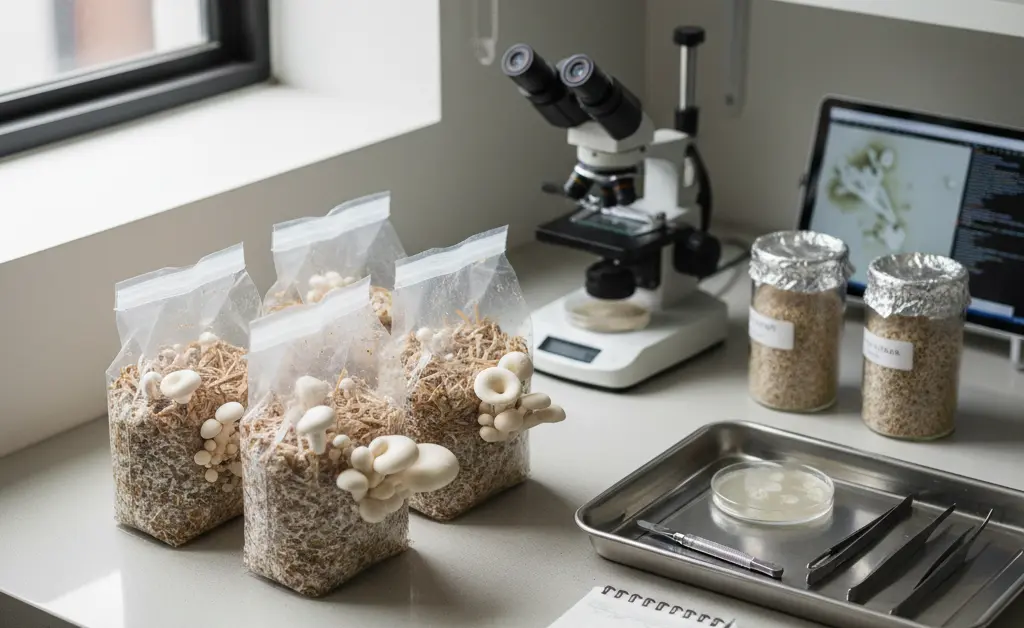
Many different kinds of mushrooms grow in nature, and people have learned to grow some of them themselves. This process, known as mushroom cultivation, has become a significant practice for food production and even for specific biological studies. For students undertaking a mushroom cultivation assignment, understanding the fundamental principles and practical steps is crucial for a successful project. This guide aims to provide a comprehensive roadmap, detailing key considerations from species selection to final project presentation. It offers practical advice and structured information to help you navigate the complexities of mycological study and present your findings effectively.
Mushroom cultivation assignment B.Sc 1st year
Embarking on a mushroom cultivation assignment during your B.Sc. 1st year can be an exciting introduction to applied mycology. This foundational course typically focuses on the basic biological principles underpinning mushroom growth and the practical aspects of cultivating common species. Students are often expected to understand fundamental concepts such as what mushrooms are, their life cycle, and the environmental factors that influence their development. A key part of this assignment will involve researching “What are Mushrooms?” and understanding their ecological role, which provides context for why cultivation is important. Furthermore, exploring “Why Cultivate Mushrooms?” can highlight the economic, nutritional, and potential medicinal benefits, adding depth to your project. The objective is usually to demonstrate comprehension of basic techniques, from substrate preparation to inoculation and monitoring growth. This initial mushroom cultivation project PDF might require a detailed report outlining your experimental design, methodology, observations, and conclusions, reflecting a comprehensive approach to your early scientific investigations.
Choosing the Right Mushroom for Your Assignment
Selecting an appropriate mushroom species is a critical first step for any cultivation project. For a B.Sc. 1st year assignment, it’s often advisable to choose species known for their relative ease of cultivation and shorter growth cycles. “Commonly Cultivated Species” like Oyster mushrooms (Pleurotus ostreatus) or Shiitake (Lentinula edodes) are popular choices due to their robust nature and well-documented growth parameters. Factors to consider include the availability of spawn, the complexity of “Substrate Materials” required, and the specific environmental controls needed for temperature, humidity, and light. Understanding these requirements will help you manage your project within the constraints of your laboratory or home setup. Your choice should also align with the specific learning objectives of your mushroom cultivation assignment, whether it’s demonstrating sterile technique, observing mycelial growth, or understanding fruiting body development.
Mushroom cultivation assignment PDF

Creating a high-quality “Mushroom cultivation assignment PDF” is essential for effectively documenting and presenting your research. This digital format allows for easy sharing, archiving, and integration of various media types, including text, images, and data. Your PDF report should typically include an introduction, a detailed methodology section covering “Sterilization and Contamination Control,” “Spore/Mycelium Preparation,” and “Inoculation.” It should also contain sections on “Incubation” and “Fruiting,” detailing the observations made during these crucial stages. Data analysis, observations, and conclusions regarding your cultivation efforts are paramount. Consider including images of your setup, mycelial growth, and harvested mushrooms to illustrate your process. A well-structured “Mushroom assignment pdf” not only showcases your scientific rigor but also provides a valuable reference for future studies or presentations related to your mushroom cultivation assignment.
Mushroom cultivation assignment PDF ppt
Often, a comprehensive mushroom cultivation assignment requires both a detailed PDF report and a concise PowerPoint (PPT) presentation. The PDF serves as the exhaustive record, containing all the intricate details, raw data, and extensive bibliography. Conversely, the PPT is designed to convey the most critical information succinctly, typically for an oral presentation. When preparing both for your “Mushroom cultivation assignment PDF ppt” submission, think about how they complement each other. The PDF provides the ‘what and how’ in depth, while the PPT summarizes the ‘what, why, and key findings.’ Your PPT should highlight the main objectives, significant challenges encountered such as “Pest and Disease Management,” key results, and major conclusions, often using compelling visuals rather than dense text. Ensure consistency in data and findings between both formats to maintain credibility.
Mushroom cultivation assignment ppt

A successful “Mushroom cultivation assignment ppt” presentation is crucial for conveying your project’s highlights and findings in a clear, engaging manner. This presentation should serve as a visual aid to your spoken explanation, not merely a repetition of your written report. Focus on key visual elements: high-quality photographs of your cultivation process, clear charts or graphs of environmental data, and perhaps a timeline illustrating the “How long does mushroom cultivation take?” aspect of your specific project. Structure your slides logically, starting with an overview of “Understanding Mushroom Cultivation,” moving into “The Mushroom Cultivation Process” (e.g., “What are the 5 steps of mushroom cultivation?”), and concluding with “Common Challenges and Solutions in Mushroom Cultivation” and your main takeaways. Effective presentation skills, combined with a well-designed PPT, will demonstrate your understanding and mastery of the subject matter, making your mushroom cultivation assignment truly stand out. Further research into mushroom cultivation can be found through comprehensive mushroom cultivation research paper resources.
Completing a mushroom cultivation assignment provides invaluable hands-on experience in biological sciences. From selecting the right species to meticulously documenting your progress and presenting your findings, each step contributes to a deeper understanding of mycology. The skills honed during this assignment, including research, experimentation, data analysis, and scientific communication, are fundamental for any budding scientist. Embrace the challenges and learning opportunities that come with observing and nurturing these fascinating organisms, as they offer profound insights into the natural world and sustainable practices. Exploring different cultivation techniques can be part of your mushroom cultivation experiment.
This information should be viewed as educational rather than medical advice. It is intended for informational purposes only and does not provide medical diagnoses, treatment, or prescriptive guidance. Always consult with a qualified healthcare professional for any health concerns or before making any decisions related to your health or well-being. The content provided here should not be used as a substitute for professional medical consultation. For health-related information, you can refer to resources such as the NIH.
FAQ
What are the most common mushrooms for cultivation assignments?
For a mushroom cultivation assignment, students frequently work with species like Oyster mushrooms (Pleurotus ostreatus) and Shiitake mushrooms (Lentinula edodes). These varieties are popular due to their relatively straightforward growth requirements, fast colonization rates, and clear life cycle stages, which make them excellent subjects for educational observation and study. Their resilience and ability to grow on various substrates provide a practical learning experience without requiring overly complex equipment.
Is there a PDF version of the project on mushroom cultivation available?
Availability of specific project documents, including PDF versions on mushroom cultivation, typically depends on the educational institution or individual instructor providing the assignment. Many universities and mycological societies offer open-source guides or instructional materials in PDF format, which can often be found through their respective online libraries or resource sections. It’s recommended to consult with your course instructor or institutional resources for the exact document you are seeking.