
A Grower’s Guide to Mushroom Disease Management
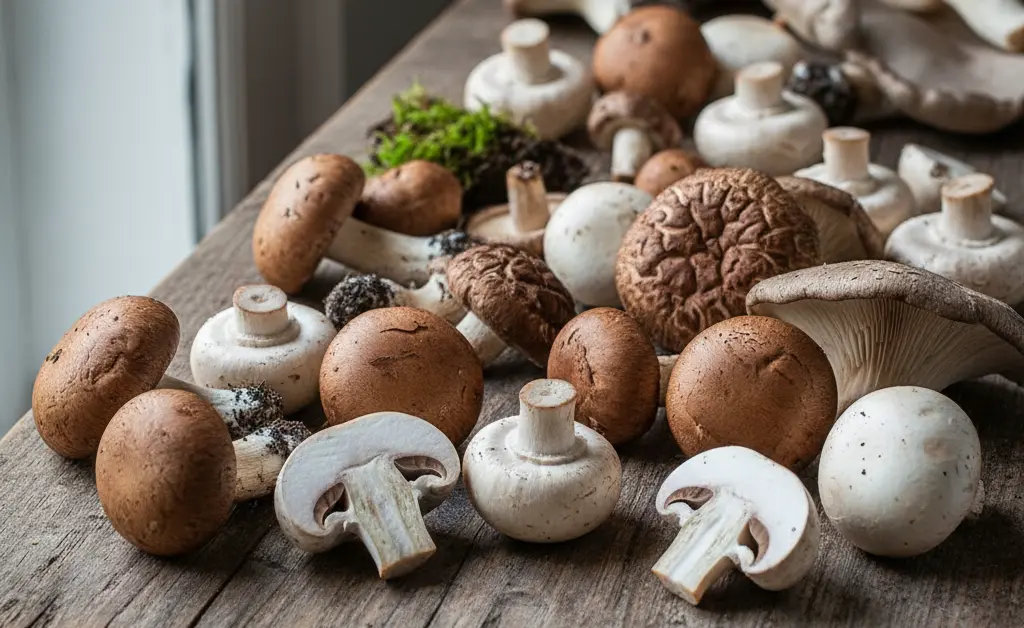
Just like any other cultivated crop, mushrooms are susceptible to various ailments that can significantly impact their health and productivity. These issues manifest as a range of symptoms, from stunted growth and discoloration to complete crop failure, posing considerable challenges for growers. Understanding and effectively managing these problems is crucial for successful yields. This guide delves into the common mushroom cultivation diseases, offering insights into their identification, prevention, and treatment strategies to safeguard your harvest. By recognizing the early signs and implementing appropriate interventions, growers can maintain robust and healthy mushroom crops, ensuring consistent quality and maximizing output.
Identifying Mushroom Diseases
Successful mushroom cultivation hinges on the ability to swiftly identify potential disease outbreaks. Early detection allows for timely intervention, preventing widespread contamination and significant losses. Growers should regularly inspect their crops for any deviations from healthy growth patterns, paying close attention to visual symptoms that may indicate the presence of a pathogen or pest. Regular monitoring is a cornerstone of effective disease management.
Diseases of Cultivated Mushrooms
Cultivated mushrooms, despite their unique growth requirements, face a spectrum of biological threats. These can range from microscopic bacteria and fungi to various viruses, each capable of causing distinct forms of damage. Understanding the specific diseases prevalent in mushroom cultivation is essential for developing targeted prevention and treatment strategies. Various environmental factors can influence the susceptibility of mushrooms to these pathogens.
Bacterial Diseases
Bacterial diseases are a significant concern in mushroom farms, often thriving in moist conditions. Common bacterial infections include bacterial blotch, characterized by brown or yellow spots on the mushroom cap, and soft rot, which causes a slimy, decaying texture. These diseases can spread rapidly through water droplets, contaminated tools, or even air currents. Early signs often include changes in color, texture, or the presence of an unpleasant odor. Prompt identification and isolation of affected areas are crucial to contain their spread.
Fungal Diseases
Fungal pathogens represent another major category of threats to mushroom cultivation. Examples include green mold (Trichoderma), which appears as green patches on the substrate or mushrooms, and cobweb mold (Dactylium), which forms a delicate, web-like growth over the mycelium or fruiting bodies. Wet bubble (Mycogone perniciosa) and dry bubble (Verticillium fungicola) are also common, causing deformities and lesions on the mushrooms. These diseases can dramatically reduce yields and affect the marketability of the crop. Managing humidity and airflow are key factors in mitigating fungal proliferation.
Viral Diseases
Viral diseases, though often less immediately visible than bacterial or fungal infections, can be highly detrimental to mushroom crops. Symptoms may include stunted growth, cap abnormalities, changes in mushroom texture, and reduced yields. Viral infections are particularly challenging because there are often no effective treatments once a crop is infected. Prevention, primarily through stringent hygiene and the use of virus-free spawn, is the most effective defense. Diagnostic tools and techniques, such as laboratory testing, are often required for definitive identification of viral agents.
Mushroom cultivation diseases
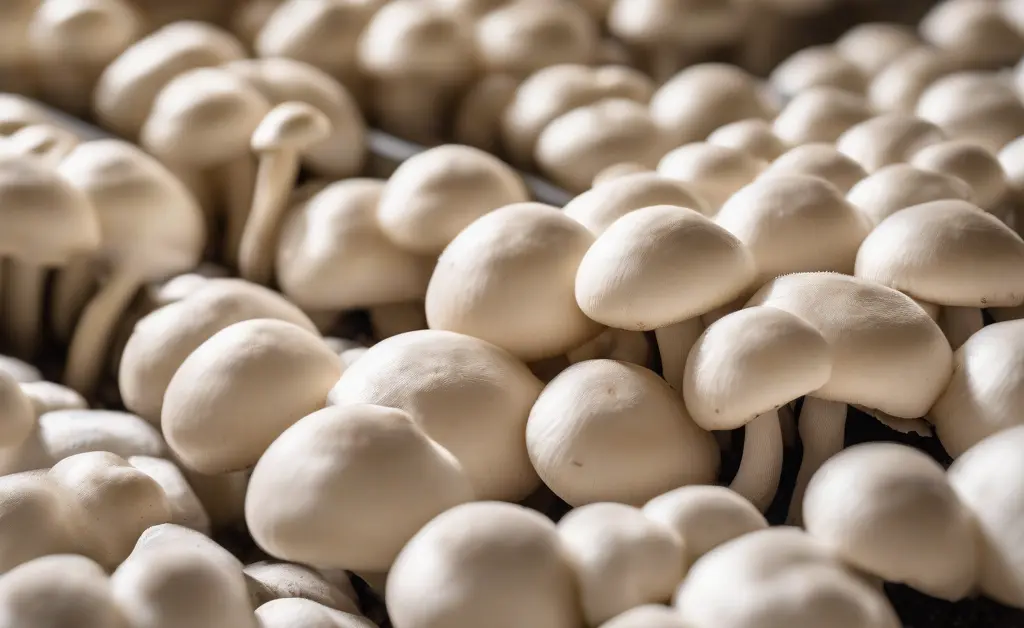
Effective management of mushroom cultivation diseases is paramount for sustained productivity and economic viability in the mushroom industry. These diseases can arise from various sources, including contaminated spawn, substrate, or casing materials, as well as unhygienic growing environments. Understanding the specific pathogens that cause mushroom cultivation diseases allows growers to implement targeted control measures. Growers must develop a comprehensive understanding of the environmental conditions that favor disease development, such as high humidity or improper ventilation, to preemptively adjust their practices. This proactive approach significantly reduces the incidence and severity of outbreaks, protecting both current and future harvests.
Major Diseases of Mushroom
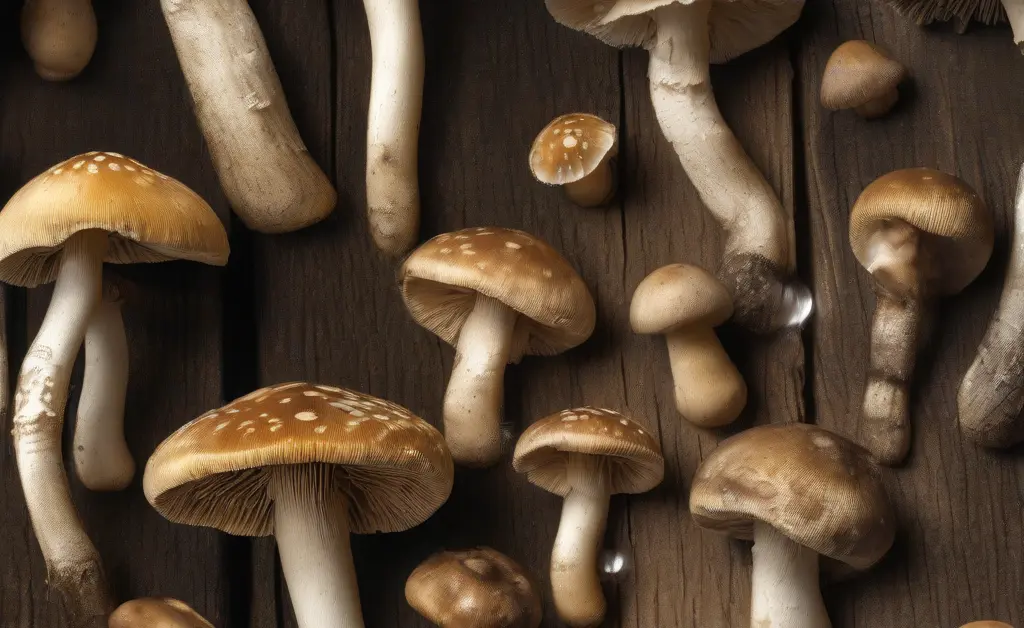
Several major mushroom cultivation diseases consistently pose significant challenges to growers worldwide. Among the most impactful are the various forms of bacterial blotch, which can disfigure entire crops and render them unmarketable. Fungal pathogens like green mold and wet bubble disease are also notorious for causing widespread damage, often leading to substantial economic losses. These diseases require continuous vigilance and robust management strategies due to their rapid spread and potential for severe crop depreciation. The specific vulnerabilities of different mushroom species can influence which diseases pose the greatest threat, necessitating tailored approaches for each type of cultivated mushroom.
Common Mushroom Diseases and Pests
Beyond the primary pathogens, various common mushroom cultivation diseases and insect pests can collectively undermine a harvest. Pests like sciarid flies and phorid flies can directly damage mushrooms and also act as vectors for fungal and bacterial diseases, carrying spores and bacteria from infected areas to healthy ones. Mites are another common nuisance, often found on the caps or gills of mushrooms. While some diseases are solely microbial, the interplay between pests and pathogens often exacerbates problems, making integrated pest management (IPM) a critical component of cultivation. Basic IPM practices for organic mushroom farms involve a combination of biological, cultural, and mechanical controls to minimize pest populations and disease transmission without relying on synthetic chemicals.
Preventing Mushroom Diseases

Preventing mushroom cultivation diseases is far more effective and less costly than attempting to treat an established infection. A multi-faceted approach focusing on hygiene, environmental control, and genetic resistance is essential. Sanitation and sterilization practices are foundational; this includes meticulously cleaning and sterilizing all growing equipment, surfaces, and tools between crops. Environmental controls, such as precise regulation of temperature, humidity, and ventilation, help create conditions unfavorable for pathogen growth. Strain selection also plays a crucial role; choosing disease-resistant mushroom strains can significantly reduce vulnerability. Additionally, managing substrate and casing by ensuring proper pasteurization or sterilization helps eliminate potential disease reservoirs. Cultural control methods, such as proper spacing and quick removal of any diseased mushrooms, further aid in limiting disease spread.
Treating Mushroom Diseases
Once mushroom cultivation diseases are identified, appropriate treatment strategies are necessary to mitigate losses. While prevention is key, situations may arise where intervention is required. Treatment approaches often depend on the specific pathogen and the extent of the infection. For localized bacterial or fungal infections, careful removal of affected mushrooms or substrate can sometimes contain the spread. Adjusting environmental conditions, such as reducing humidity or increasing airflow, can also help slow the progression of certain diseases. In some cases, biological control methods, which involve introducing beneficial microorganisms that compete with or suppress pathogens, are explored. However, it’s important to note that many viral diseases have no direct treatments, emphasizing the importance of preventative measures. Any treatment strategy should be carefully considered to avoid further contamination or harm to the remaining crop.
Impact of Diseases on Mushroom Yield and Quality
The presence of mushroom cultivation diseases can have profound negative impacts on both the quantity and quality of a mushroom harvest. Economically, growers face significant economic losses due to reduced yields, as diseased mushrooms may grow poorly, deform, or simply fail to develop. Furthermore, the effect on mushroom appearance and texture can render affected produce unsellable, even if it is not entirely destroyed. Discoloration, lesions, softening, or unusual growth patterns make mushrooms unappealing to consumers, leading to rejection and waste. Maintaining high-quality standards is crucial for market access and reputation, making disease control an essential aspect of achieving consistent, profitable yields.
Successfully cultivating mushrooms requires diligent attention to disease management. By prioritizing preventive measures, understanding the common pathogens, and implementing timely interventions, growers can significantly protect their crops from the myriad threats posed by various diseases and pests. A robust disease management plan not only safeguards individual harvests but also contributes to the long-term sustainability and profitability of mushroom farming operations.
This content is for informational use and should not be considered medical instruction. It is not intended to provide medical advice, diagnosis, or treatment. Always consult with a qualified healthcare professional for any health concerns or before making any decisions related to your health or treatment. The information provided should not be used as a substitute for professional medical advice.
FAQ
What are the most common mushroom diseases?
Common issues in mushroom growing often include bacterial blotch, characterized by brown spots, and various fungal molds like green mold (Trichoderma) or cobweb mold (Dactylium), which can quickly colonize substrates. Viral infections, though less visible initially, can also impact growth and yield significantly. Pests such as mites and flies also play a role in damaging crops and spreading pathogens.
How do I identify diseases on my mushrooms?
Identifying diseases involves careful observation of physical changes, such as unusual colors, textures, or growth patterns on the fruiting bodies or substrate. For example, bacterial blotch often presents as slimy brown spots, while molds appear as fuzzy, discolored patches spreading across the substrate or mushrooms. Stunted growth or deformities can also be key indicators of underlying issues.
What are the best ways to prevent mushroom diseases?
Prevention relies heavily on maintaining a sterile environment, especially during substrate preparation and inoculation, to minimize contaminant introduction. Proper ventilation and humidity control are crucial as they create less hospitable conditions for pathogenic microorganisms. Strict hygiene practices, including sanitizing tools and work surfaces, significantly reduce the risk of disease spread.
Can mushroom diseases be treated?
Treating established mushroom diseases can be quite challenging, and often, early detection and removal of affected material are the most effective strategies to prevent spread. While some specific pathogens might respond to certain interventions, the primary focus in cultivation is typically on prevention rather than cure. The delicate nature of mushroom cultivation means extensive treatments are rarely practical or desirable.
What impact do diseases have on mushroom production?
Diseases can have a profound impact on mushroom production, leading to significant reductions in yield and compromising the quality of the harvested product. Outbreaks of various mushroom cultivation diseases can result in substantial economic losses for cultivators due to spoiled crops and increased operational costs. Beyond direct crop loss, they can also necessitate the complete disposal of contaminated substrate, further disrupting production cycles.