
Mastering the Environment for Mushroom Cultivation
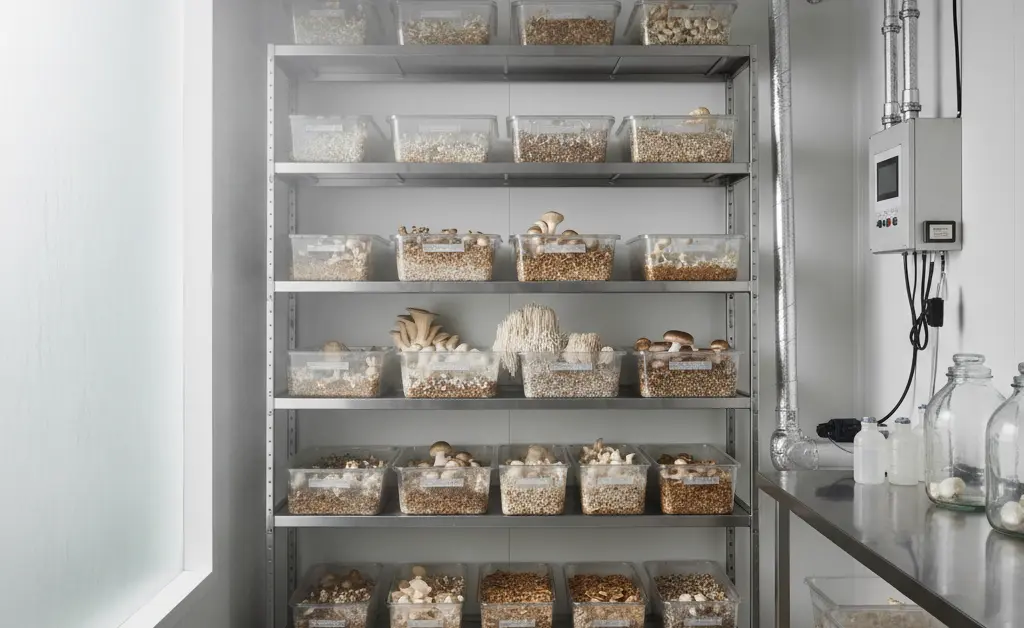
Many aspiring mushroom growers invest considerable time and effort, only to face the disappointment of inconsistent yields or complete crop failures. It’s a common frustration to see mushrooms stunted, diseased, or simply refusing to fruit, despite careful preparation. This often stems from a fundamental misunderstanding or lack of control over the intricate conditions necessary for fungi to thrive. Achieving optimal growth isn’t just about spores and substrate; it critically depends on meticulously managing the surrounding atmosphere. Understanding and precisely controlling the mushroom cultivation environment is paramount for anyone looking to successfully cultivate these fascinating organisms. This guide will delve into the essential parameters required to create the perfect home for your fungi.
Understanding the Ideal Mushroom Growing Environment
Why Environment Matters for Mushroom Growth
The success of mushroom cultivation hinges almost entirely on the environment in which the fungi develop. Mushrooms are unique organisms, distinct from plants, and their life cycle is remarkably sensitive to external factors. A well-managed environment ensures not only the initiation of fruiting but also the healthy development of the mycelial network and the subsequent mushroom bodies. Deviations from ideal conditions can lead to slow growth, deformities, susceptibility to contamination, or complete failure to fruit. Establishing the proper mushroom cultivation environment is foundational for consistent yields and high-quality produce, impacting everything from size and texture to flavor and nutritional value. Understanding the mushroom cultivation life cycle is key to managing these factors.
Temperature Requirements for Different Mushroom Species
Temperature is a critical factor influencing every stage of mushroom development, from mycelial colonization to fruiting. Different mushroom species have evolved to thrive within specific temperature ranges, and respecting these natural preferences is vital. Some species are considered “cold-weather” varieties, preferring cooler temperatures for fruiting, while others are “warm-weather” types that require higher temperatures. Maintaining a stable temperature within the species’ optimal range helps prevent stress, encourages vigorous growth, and reduces the risk of contamination from competing organisms. Fluctuations outside of the ideal range can inhibit growth, cause abnormal fruiting, or even kill the mycelium. Learn more about mushroom cultivation temperature needs.
Humidity Levels: The Importance of Moisture
Mushrooms are composed largely of water, making high humidity levels an absolute necessity for their healthy development. Mycelium requires a certain level of moisture in the substrate to colonize effectively, but once it transitions to fruiting, the surrounding air’s humidity becomes equally, if not more, important. High ambient humidity prevents the delicate mushroom caps and stems from drying out and cracking, which can stunt growth and create entry points for contaminants. It also plays a role in the proper expansion of the mushroom tissue. Without sufficient moisture in the air, mushrooms may fail to form fully, resulting in small, tough, or brittle specimens. Conversely, excessively high humidity without adequate air exchange can lead to condensation and an increased risk of bacterial blotch.
Light Exposure: Natural vs. Artificial
While mushrooms do not photosynthesize like plants, light plays a significant role in their life cycle, particularly during fruiting. Most species require some level of light exposure to signal the formation of pinheads (the initial stage of mushroom development) and to guide the direction of growth. Insufficient light can lead to pale, leggy mushrooms that lack proper cap development, as the fungi reach for a light source that isn’t strong enough. Natural light from a window can suffice for some smaller setups, but artificial light sources, such as fluorescent or LED lights, offer more consistent control over intensity and duration. The goal is often not intense brightness, but rather a diffuse, consistent light that mimics natural daylight cycles, encouraging healthy morphology.
Air Exchange (Fresh Air) and CO2 Levels
Air exchange, often referred to as FAE (Fresh Air Exchange), is one of the most frequently underestimated yet critically important environmental factors in mushroom cultivation. As mycelium grows and mushrooms develop, they respire, consuming oxygen and releasing carbon dioxide (CO2). If CO2 is allowed to build up around the developing mushrooms, it can signal to the fungi that they are underground, leading to elongated stems, small caps, and general deformities. Adequate fresh air exchange removes excess CO2 and replenishes oxygen, which is essential for proper development and robust fruiting. The frequency and intensity of air exchange vary by species and cultivation stage, but it is always a key parameter to manage for successful yields.
Key Environmental Factors for Mushroom Cultivation
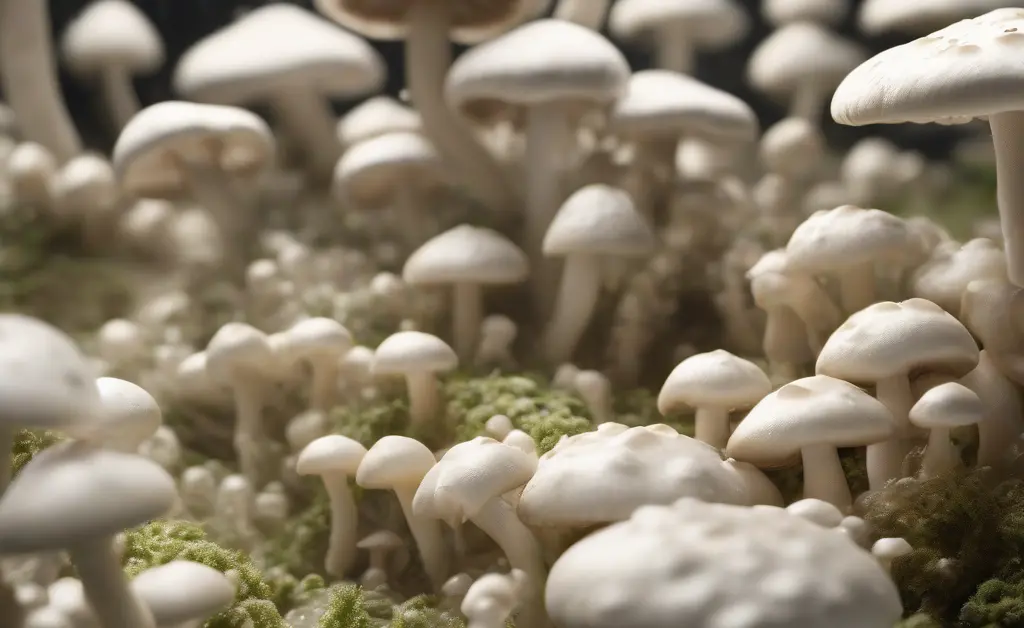
The 4 key growing parameters for cultivating mushrooms
Successful mushroom cultivation hinges on the precise management of four primary environmental parameters: temperature, humidity, light, and air exchange (including CO2 levels). These elements interact dynamically, and an imbalance in one can significantly affect the others and the overall health of the crop. Temperature controls metabolic rates; humidity maintains the critical moisture balance; light acts as a signal for development and direction; and air exchange ensures proper respiration and prevents CO2 buildup. Mastering the interplay of these factors within the mushroom cultivation environment is essential for optimizing growth, preventing issues, and ensuring a bountiful harvest. Each parameter must be monitored and adjusted according to the specific needs of the mushroom species being cultivated and its particular stage of development. Exploring advanced mushroom cultivation technology can aid in this mastery.
Mushroom cultivation environment
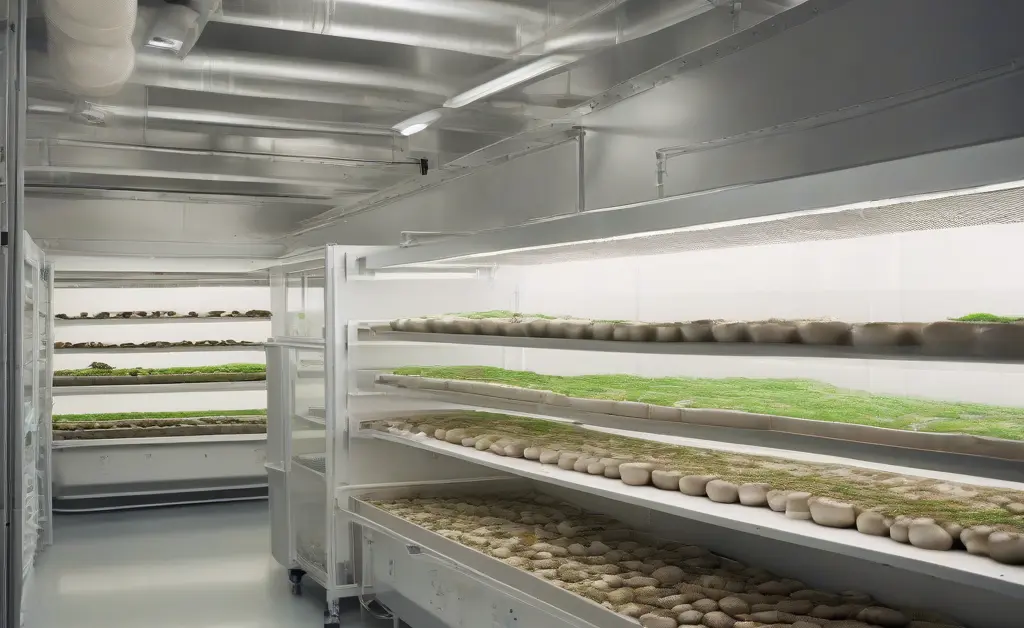
What is the mushroom cultivation environment
The mushroom cultivation environment encompasses all the atmospheric and physical conditions surrounding the growing fungi. This includes not just the substrate where the mycelium establishes itself, but critically, the air temperature, relative humidity, light spectrum and intensity, and the composition of gases in the air, especially oxygen and carbon dioxide. It also considers the cleanliness and sterility of the grow space, as unwanted contaminants can quickly jeopardize a crop. Essentially, it is the microclimate created and maintained to optimally support the entire life cycle of the cultivated mushroom species, from spore germination and mycelial colonization to the formation and maturation of fruiting bodies. A well-controlled mushroom cultivation environment aims to replicate the ideal conditions a mushroom would naturally encounter in its preferred habitat, albeit in an artificial setting. Setting up a dedicated mushroom cultivation room can greatly improve control.
Controlling and Monitoring Your Mushroom Environment
Tools for Monitoring Temperature and Humidity (Hygrometers, Thermometers)
Accurate monitoring is the first step toward effective environmental control in mushroom cultivation. Basic tools like thermometers are essential for tracking air temperature, while hygrometers measure relative humidity. Many modern devices combine both functions into a single unit, often with digital displays and data logging capabilities, making it easier to track conditions over time. These tools allow growers to quickly identify when conditions deviate from the ideal range for their specific mushroom species. Strategic placement of these sensors throughout the grow space ensures comprehensive data collection, helping to pinpoint any inconsistencies or “cold/dry spots” that might affect mushroom development.
Methods for Controlling Humidity (Misters, Humidifiers)
Maintaining high and consistent humidity is paramount. Misters and humidifiers are common tools used to achieve this. Misters release a fine spray of water into the air, directly increasing ambient moisture. Humidifiers, particularly ultrasonic models, create a cool mist that effectively raises relative humidity without significantly impacting temperature. For smaller setups, manual misting bottles can be used, but for larger or more automated systems, humidifiers connected to timers or humidity controllers offer greater precision and convenience. Care must be taken to avoid directly wetting the mushrooms for prolonged periods, as this can lead to bacterial issues.
Ventilation Systems for Air Exchange
Ventilation systems are crucial for managing air exchange and CO2 levels. These systems typically involve intake and exhaust fans that draw fresh air into the grow space and expel stale, CO2-rich air. The size and power of the fans, as well as the frequency of air exchanges, depend on the volume of the grow space and the density of the mushroom crop. Filters can be incorporated to ensure that incoming air is clean, minimizing the introduction of contaminants. Automated ventilation systems, often linked to CO2 sensors or timers, provide precise control, ensuring that mushrooms receive the fresh air they need to fruit optimally without constant manual intervention.
Lighting Solutions for Indoor Cultivation
For indoor mushroom cultivation, controlled lighting is often necessary. Simple fluorescent tubes or low-wattage LED lights are typically sufficient. The key is to provide diffuse light rather than intense direct light. Growers can use full-spectrum LEDs or those specifically designed for plant growth, but general-purpose white lights often work well too. The light cycle usually mimics natural day-night patterns, providing light for a certain number of hours per day. Placement of lights should ensure even distribution across the grow area, promoting uniform development of mushroom caps and preventing leggy growth.
Common Environmental Challenges and Solutions
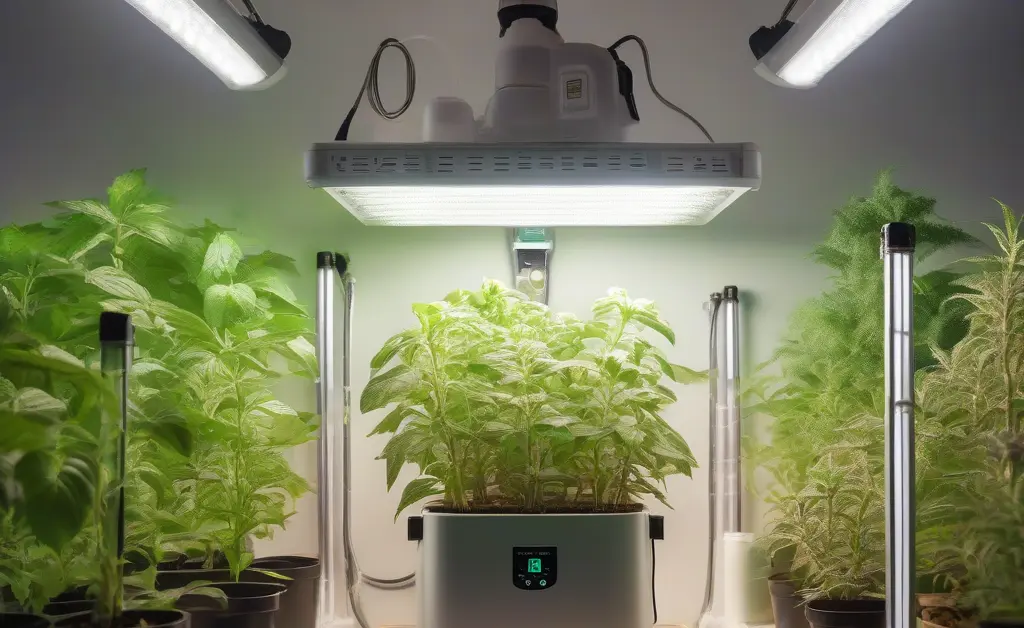
Troubleshooting Temperature and Humidity Fluctuations
Temperature and humidity fluctuations are common hurdles in managing the mushroom cultivation environment. Wide temperature swings can stress mycelium and inhibit fruiting, while inconsistent humidity can lead to dried-out or overly moist conditions. Solutions often involve improving insulation of the grow space, using temperature-controlled heating or cooling devices, and employing automated humidifiers with precise sensors. For humidity, ensuring proper air circulation can help distribute moisture evenly and prevent stagnant, overly humid pockets. Monitoring equipment with data logging can help identify patterns in fluctuations, allowing for targeted adjustments to ventilation, heating, or humidification schedules. Consistent environmental stability is key to preventing many common cultivation problems. For further scientific insights, consult resources like PubMed.
Creating an ideal mushroom cultivation environment is a blend of scientific understanding and careful management. By diligently controlling temperature, humidity, light, and air exchange, growers can significantly increase their chances of success, leading to robust and healthy mushroom yields. Consistent monitoring and proactive adjustments are crucial for navigating the dynamic needs of growing fungi, transforming potential challenges into opportunities for a thriving harvest.
This article is written for general understanding and not for medical decision-making. It provides general information about mushroom cultivation and is not intended to offer specific health advice, diagnose, treat, cure, or prevent any disease. Always consult with a qualified professional before making any health-related decisions, especially concerning the consumption of cultivated mushrooms. The information presented here should not be used as a substitute for professional guidance.
FAQ
What are the essential environmental factors for successful mushroom cultivation?
Temperature, humidity, light, and air exchange are critical for a thriving mushroom cultivation environment, influencing every stage from mycelial growth to fruiting. Each factor must be carefully managed to mimic the fungi’s natural habitat, as specific species have distinct requirements for optimal development. Maintaining equilibrium among these elements directly impacts the vigor and yield of the mushroom crop.
What temperature is best for growing mushrooms?
Optimal temperature ranges for mushroom growth vary significantly depending on the specific species being cultivated, with different phases requiring distinct conditions. Mycelial colonization generally thrives in warmer temperatures, while the fruiting body development often prefers cooler, more stable conditions. Carefully adjusting the ambient temperature to align with these biological needs is important for encouraging healthy development.
How much humidity do mushrooms need to grow?
High humidity levels are fundamental for mushroom development, as these fungi lack a protective outer skin and can easily dry out. Maintaining consistent moisture in the air prevents desiccation and supports the delicate cellular structure required for fruiting body formation. Typically, relative humidity above 80-90% is relevant for many popular species during the pinning and fruiting stages.
What kind of light do mushrooms need for cultivation?
While often perceived as dark-loving organisms, most cultivated mushrooms do require some light, primarily for signaling and direction, rather than photosynthesis. Light exposure plays a role in initiating fruiting and guiding the direction of cap and stem growth. This is typically indirect, ambient light, akin to what they would receive on a forest floor.
How do I control air exchange for growing mushrooms?
Adequate air exchange is essential for mushroom cultivation to replenish fresh oxygen and remove metabolic byproducts like carbon dioxide, which accumulates as fungi respire. Stagnant air, rich in CO2, can inhibit proper fruiting and lead to leggy, underdeveloped mushrooms. Regular ventilation or passive air flow systems are crucial for maintaining an appropriate atmospheric balance around the developing fungi.