
Setting Up Your Mushroom Cultivation Experiment
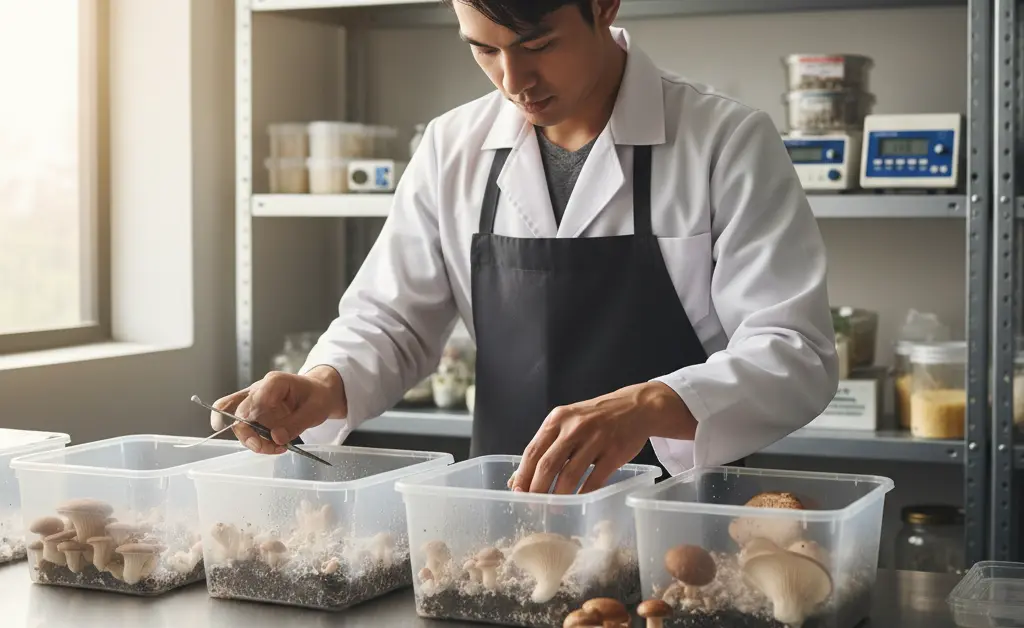
Many aspiring cultivators often begin with general methods, which can sometimes lead to inconsistent yields or uncertain outcomes due to uncontrolled variables. This initial phase, characterized by trial and error, might obscure the true impact of specific growing conditions on mushroom development. By adopting a systematic and methodical approach, individuals can transition from merely growing to actively understanding and optimizing their cultivation practices. This guide outlines how to establish a robust mushroom cultivation experiment, enabling cultivators to analyze specific factors, identify optimal conditions, and reliably improve their results. This structured approach allows for a clear understanding of cause-and-effect, significantly enhancing both the efficiency and success of future mushroom endeavors.
Understanding Mushroom Cultivation Experiments
A mushroom cultivation experiment is a structured investigation designed to test specific hypotheses about growing conditions and their impact on fungal development. Unlike general cultivation, an experiment involves manipulating one or more variables while keeping others constant, allowing cultivators to pinpoint cause-and-effect relationships. This systematic methodology moves beyond simple observation, providing data-driven insights that can significantly refine cultivation techniques. By undertaking a well-designed mushroom cultivation experiment, growers can optimize their setups for yield, speed of growth, or even specific morphological characteristics.
Defining Your Experiment’s Goal
Before initiating any practical steps, clearly defining the objective of your experiment is paramount. What specific question are you trying to answer? Perhaps you want to determine the ideal substrate mix for a particular species, or you might be investigating the effect of varying humidity levels on fruiting body formation. A well-defined goal provides a clear direction for your entire experimental process, influencing your choice of variables, experimental setup, and the type of data you will collect. Without a precise objective, it becomes challenging to interpret results and draw meaningful conclusions.
Experimental Design: Controls and Replicates
The integrity of any mushroom cultivation experiment hinges on robust experimental design, particularly the inclusion of controls and replicates. A control group is essential; it represents the baseline condition, typically your standard or existing cultivation method, against which all experimental changes are compared. This allows you to verify that any observed effects are due to your manipulated variable and not other unforeseen factors. Replicates, on the other hand, involve setting up multiple identical experimental units for each variable condition. This minimizes the impact of random errors or individual variations between samples, ensuring that your results are statistically more reliable and reproducible. Including both controls and replicates strengthens the validity of your findings, providing greater confidence in the conclusions drawn from your research.
Planning Your Mushroom Cultivation Experiment

Thorough planning is the cornerstone of any successful experimental endeavor. Ensure your experiment aligns with any established mushroom cultivation syllabus if you are following one. This phase involves meticulous preparation, from selecting the right species to carefully identifying and isolating the variables you intend to test. A well-considered plan helps prevent unforeseen issues during the execution phase, ensuring that resources are used efficiently and that the experiment yields meaningful and actionable data. This is where you lay the groundwork for a robust mushroom cultivation experiment.
Consider how this experiment will fit into your broader mushroom cultivation project.
Choosing Your Mushroom Species
The choice of mushroom species is a critical first step, as different fungi have distinct environmental and nutritional requirements. For beginners, it is often advisable to start with species known for their relative ease of cultivation and predictable growth patterns, such as Oyster mushrooms (Pleurotus ostreatus) or Shiitake (Lentinula edodes). Consider the specific characteristics you wish to study; for instance, if you’re interested in substrate utilization, a species known to grow on a wide variety of materials might be suitable. Researching the typical growth parameters and common issues associated with your chosen species will inform the variables you select for your experiment.
Selecting Your Variables (e.g., Substrate, Temperature, Humidity)
Identifying and isolating the variables you want to test is central to experimental design. A variable is any factor that can be changed or controlled in an experiment. In mushroom cultivation, common variables include the type of substrate (e.g., sawdust, straw, coffee grounds), environmental temperature, relative humidity, light exposure, CO2 levels, or even the strain of mycelium. It is crucial to manipulate only one independent variable at a time while keeping all other conditions constant. This ensures that any observed changes in growth or yield can be directly attributed to the variable you are testing, preventing confounding results and allowing for clear interpretation.
Conducting the Mushroom Cultivation Experiment
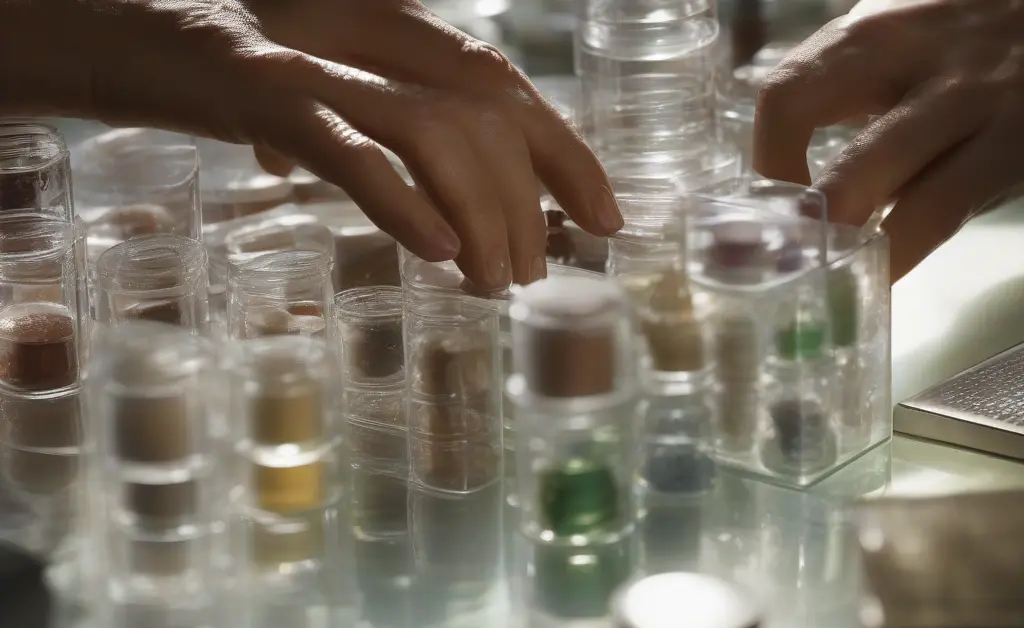
Once the planning phase is complete, the focus shifts to the meticulous execution of your mushroom cultivation experiment. This stage requires careful adherence to your experimental design, precise handling of materials, and consistent monitoring of all conditions. The accuracy of your data relies heavily on the diligence applied during these practical steps.
Inoculation and Incubation Process
The inoculation process involves introducing the mushroom mycelium (in the form of spores, liquid culture, or grain spawn) to the prepared substrate. This step must be carried out with strict aseptic techniques to minimize the risk of contamination, which can compromise the entire experiment. Following inoculation, the substrate enters the incubation phase, where mycelial colonization occurs. During this period, conditions such as temperature and humidity are carefully maintained within the optimal range for the specific species, as determined by your experimental plan. Consistent monitoring of these conditions is vital to ensure healthy mycelial growth and to prepare for the fruiting stage.
Monitoring Growth Conditions
Continuous and accurate monitoring of environmental parameters is essential throughout the experiment. This includes temperature, humidity, light cycles, and air exchange (CO2 levels). Utilize reliable sensors and logging equipment to track these conditions precisely. Any fluctuations outside the planned parameters should be noted, as they could potentially impact your results. Regular calibration of monitoring devices helps ensure the accuracy of your data. This diligent oversight helps maintain the controlled environment necessary for a valid experiment.
Observing and Documenting Changes
Detailed observation and systematic documentation are critical for capturing all relevant data. Regularly inspect your experimental units for signs of mycelial growth, contamination, pinning (initial formation of fruiting bodies), and the development of mature mushrooms. Record observations such as the date of pinning, the number of fruiting bodies, their size, weight, and any unusual morphological characteristics. High-quality photographs can supplement written notes, providing a visual record of development. Consistency in observation frequency and method is key to compiling a comprehensive and reliable dataset for subsequent analysis.
Analyzing Results and Next Steps
The culmination of any mushroom cultivation experiment is the analysis of the gathered data, followed by drawing conclusions and determining future actions. This phase transforms raw observations into actionable insights, propelling your cultivation practices forward.
Interpreting Your Data
Once all data from your mushroom cultivation experiment has been collected, the next crucial step is interpretation. This involves organizing your observations and measurements in a clear format, often using tables, charts, or graphs, to identify patterns, trends, and significant differences between your experimental groups and the control. Look for correlations between the manipulated variable and the observed outcomes, such as changes in yield, growth rate, or mushroom quality. Statistical analysis, even at a basic level, can help confirm whether observed differences are significant or merely due to random variation, and further scientific validation can often be found on PubMed. For self-assessment, you might consider preparing a mushroom cultivation mcq to test your understanding of the experimental process. A thorough interpretation lays the foundation for drawing sound conclusions.
Drawing Conclusions from Your Experiment
Based on your data interpretation, you can formulate conclusions regarding your initial hypothesis. Did the variable you tested have a measurable impact? Was it positive, negative, or negligible? Your conclusions should be supported by the evidence gathered during the experiment. The findings from your experiment could even contribute to a mushroom cultivation research paper. It’s important to be objective and acknowledge any limitations or unexpected factors that may have influenced the results. Clearly articulate what you have learned about the specific conditions you tested and how they affect the mushroom species in question. These conclusions form valuable knowledge that can directly inform and improve your future cultivation strategies.
Scaling Up or Refining Future Experiments
The insights gained from your experiment provide a roadmap for future actions. If your results indicate optimal conditions, you might consider scaling up these successful methods to increase production. Conversely, if the experiment revealed suboptimal conditions or unexpected challenges, you can refine your approach. This might involve designing new experiments to explore further variables, adjust parameters within a tested range, or troubleshoot specific issues like contamination or poor fruiting. Every experiment, regardless of its immediate outcome, contributes to a deeper understanding of mushroom cultivation, fostering continuous improvement and innovation.
Oyster Mushroom Growing Experiment with Cold Water
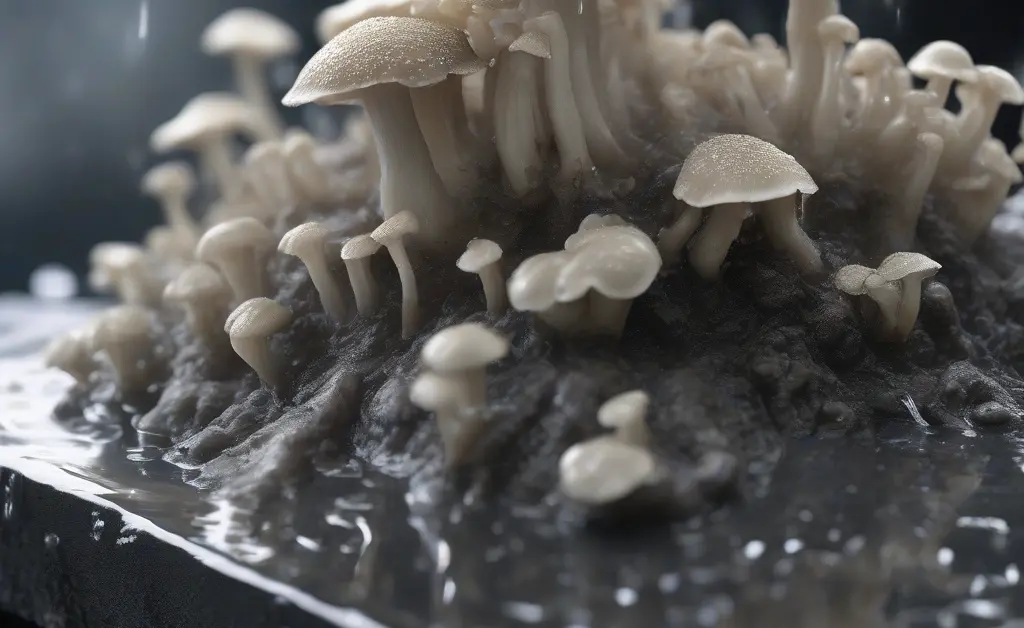
An interesting mushroom cultivation experiment could involve testing the effect of cold water shocking on Oyster mushroom (Pleurotus ostreatus) fruiting. Oyster mushrooms are known to respond well to environmental triggers that mimic natural conditions, such as a drop in temperature or a sudden increase in humidity. In this experiment, different groups of colonized Oyster mushroom substrate blocks could be subjected to various durations or temperatures of cold water immersion prior to fruiting induction. For instance, one group might receive a 24-hour soak in 5°C water, another a 12-hour soak, while a control group receives no cold shock. The objective would be to compare the timing of pinning, total yield, and individual mushroom size across these groups, to determine if a specific cold water treatment significantly enhances fruiting characteristics.
[EXPERIMENT] Morel Mushroom Growing Experiment – 4K!
While Morels (Morchella species) are notoriously challenging to cultivate indoors, a dedicated Morel mushroom growing experiment could focus on optimizing their unique substrate and environmental needs. One experimental setup might involve testing different types of sterilized substrate mixtures known to support Morels, such as wood chips combined with specific soil compositions or even specialized “Morel patches.” Another variable could be the chilling period required for ascocarp formation, mimicking their natural outdoor cycle. Different experimental plots could be subjected to varying durations and temperatures of cold stratification before being moved to warmer, humid conditions. Data collection would focus on observing any signs of sclerotia formation, the development of fruiting bodies, and comparing the success rate and yield across the different substrate and chilling treatments. This type of mushroom cultivation experiment pushes the boundaries of current knowledge and contributes to unlocking the secrets of this elusive and prized fungus.
By embracing a structured, experimental approach to mushroom cultivation, growers can move beyond traditional methods and gain a deeper, evidence-based understanding of the complex factors influencing fungal growth. This systematic methodology not only allows for the identification of optimal conditions but also fosters innovation and efficiency in cultivation practices. Whether refining existing techniques or exploring new species, the power of experimentation lies in its ability to transform guesswork into precise, reproducible results, ultimately leading to more successful and sustainable mushroom production.
This content is for informational use and should not be considered medical instruction. It is not intended to be a substitute for professional medical advice, diagnosis, or treatment. Always seek the guidance of a qualified healthcare professional for any health concerns or before making any decisions related to your health or medical care. The information provided here is for general knowledge and educational purposes only.
FAQ
What are the best mushroom species for beginners to experiment with?
Oyster mushrooms, such as the Pearl Oyster or Blue Oyster, are widely recommended for beginners due to their robust nature and rapid colonization rates. Wine Cap mushrooms are another excellent choice, known for their resilience and ability to thrive on simple substrates. These species are generally forgiving and provide a good learning experience for new cultivators.
How can I set up a simple mushroom cultivation experiment at home?
A straightforward home setup often involves preparing a suitable substrate, such as sterilized straw or wood pellets, and then inoculating it with mushroom spawn. The inoculated substrate is placed in a clean environment that maintains consistent temperature and appropriate humidity levels. This creates the basic conditions necessary for mycelial growth and eventual fruiting.
What variables should I consider when doing a mushroom cultivation experiment?
When conducting a mushroom cultivation experiment, several variables are crucial to consider to understand their impact on fungal development. Key factors include temperature, humidity, light exposure, the specific substrate used, and air exchange, as each plays a distinct role in the mushroom life cycle. Accurately tracking these elements across different trials is fundamental for gaining reliable insights from your mushroom cultivation experiment.
How do I properly document the results of a mushroom cultivation experiment?
Effective documentation requires diligently recording every step and observation from start to finish. This includes noting inoculation dates, environmental conditions like temperature and humidity fluctuations, visual changes in mycelial growth, and any fruiting body development. Comprehensive records help identify patterns, troubleshoot issues, and inform future cultivation efforts.