
A Foundational Guide to Growing Your Own Mushrooms
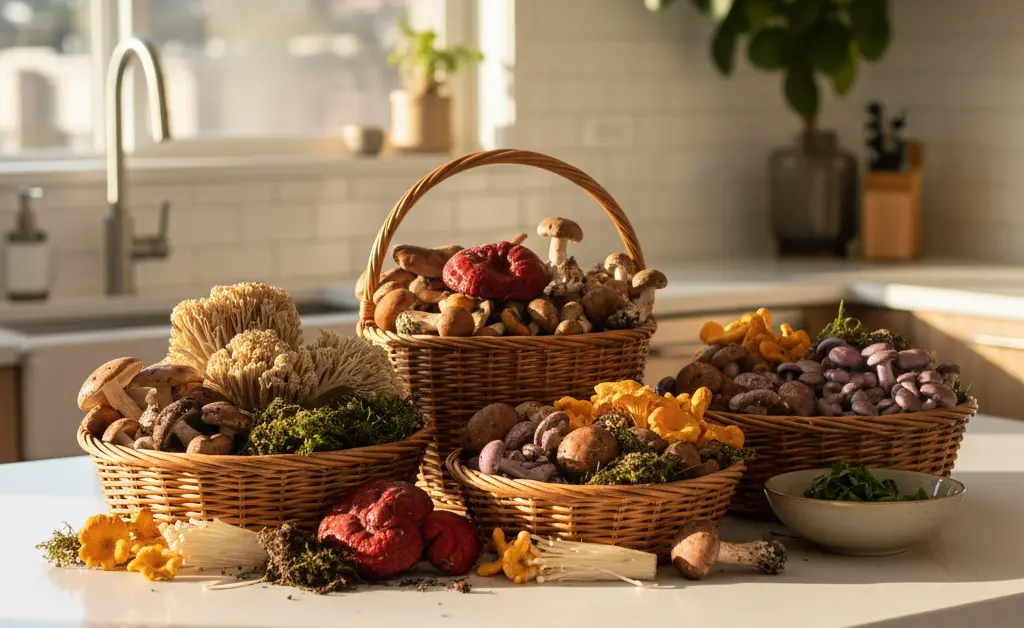
Many people love incorporating fresh, flavorful mushrooms into their meals, but often find themselves limited by the selection available at local grocery stores or frustrated by the inconsistent quality and high prices. The desire for a more reliable, sustainable, and diverse source of these culinary delights is a common challenge. Imagine being able to access a steady supply of gourmet or medicinal varieties right from your home, tailored to your preferences, without constant trips to the market or reliance on seasonal availability. This guide addresses that very frustration, offering a practical pathway to overcome these limitations. It provides all the necessary information for successful mushroom cultivation for beginners, making the journey from spore to harvest accessible and rewarding. Discover how simple it can be to grow your own fungi and elevate your cooking and wellness practices.
Mushroom Cultivation for Beginners: A Comprehensive Guide
Embarking on the journey of mushroom cultivation for beginners can seem daunting at first, but with the right knowledge and approach, it’s a rewarding endeavor. This section lays the groundwork, offering a broad overview of what mushroom growing entails and why it has become increasingly popular among home gardeners and enthusiasts. Understanding the basic principles sets the stage for successful harvests and a deeper appreciation for the fungal kingdom. This article provides a detailed mushroom cultivation process overview.
What is Mushroom Cultivation?
Mushroom cultivation is the process of growing fungi, typically for food, medicinal purposes, or ecological restoration. For general health guidance, resources such as the NHS provide valuable information. Unlike plants, mushrooms do not photosynthesize; instead, they acquire nutrients from organic matter. This process involves providing the ideal conditions for mycelium (the vegetative part of a fungus) to colonize a substrate, and then stimulating it to produce fruiting bodies, which are the mushrooms we consume. It involves several key stages, from preparing a nutrient-rich growing medium to controlling environmental factors like temperature and humidity to encourage growth.
Understanding Mushroom Cultivation Basics
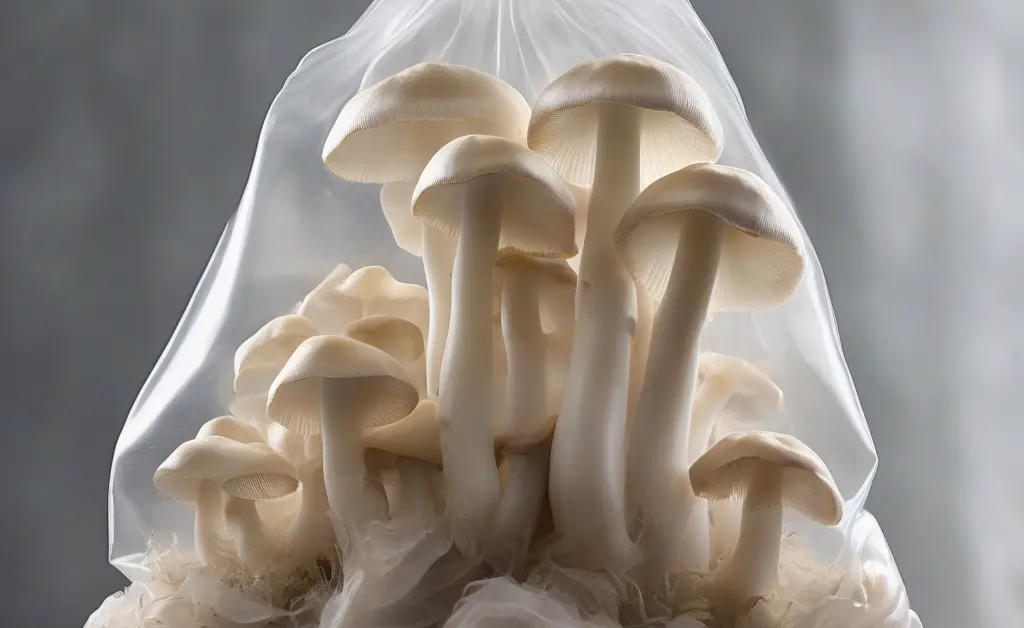
Before diving into specific methods, it’s crucial for anyone interested in mushroom cultivation for beginners to grasp the fundamental concepts that govern fungal growth. This foundational understanding will help in making informed decisions about species selection, substrate choices, and how to maintain a healthy growing environment. Successful cultivation hinges on replicating the natural conditions mushrooms thrive in.
Choosing a Starter Mushroom
Selecting the right starter mushroom is a critical first step for beginners. Some varieties are far more forgiving and easier to grow than others. Oyster mushrooms (Pleurotus ostreatus) are frequently recommended due to their robust nature, rapid growth, and ability to thrive on a variety of substrates. Shiitake (Lentinula edodes) and Lion’s Mane (Hericium erinaceus) are also popular choices, though they may require slightly more specific conditions or time. It is advisable to begin with a variety known for its resilience and relatively straightforward cultivation requirements to build confidence and experience.
Sterilization and Contamination Prevention
One of the most challenging aspects of mushroom cultivation is preventing contamination from competing fungi, bacteria, and molds. These microorganisms often thrive in the same nutrient-rich environments as desirable mushroom mycelium. Sterilization involves eliminating these unwanted organisms from the substrate and tools used in the cultivation process. Common methods include pressure cooking or steam sterilization. Maintaining a sterile or extremely clean working environment, often referred to as aseptic technique, is paramount throughout the inoculation and early growth phases to give the mushroom mycelium the best chance to colonize the substrate without competition.
Choosing Your Mushroom Growing Method
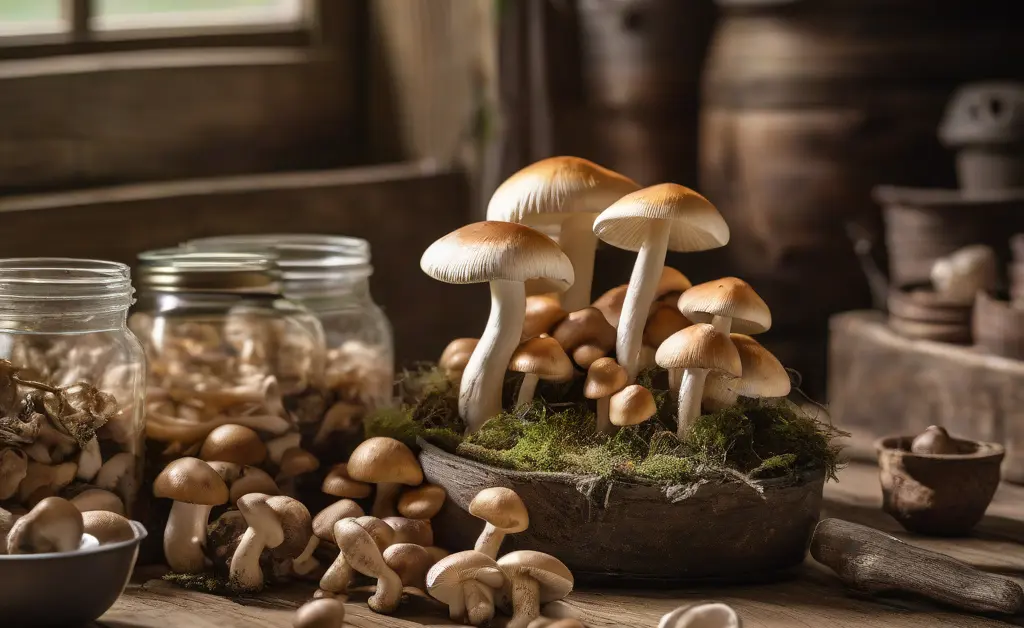
A variety of methods exist for growing mushrooms, ranging from simple to more complex. For those just starting out with mushroom cultivation for beginners, selecting an appropriate, manageable method is key to a positive initial experience. Each method has its own advantages in terms of cost, effort, and space requirements.
Introduction to Beginner-Friendly Methods (Shoebox Tek, Monotub Tek, Bucket Method)
Several cultivation methods are well-suited for beginners. The **Shoebox Tek** involves using small plastic containers, often shoebox-sized, to create miniature fruiting chambers. This method is excellent for small-scale operations and learning the ropes, as it’s less prone to widespread contamination if one unit gets infected. The **Monotub Tek** is a step up, utilizing a larger plastic tub, often with holes for air exchange, to create a controlled environment. It allows for larger yields than the shoebox method while still being relatively straightforward to manage. The **Bucket Method** is particularly popular for oyster mushrooms, where inoculated substrate (like straw or wood pellets) is packed into a bucket with drilled holes. Mushrooms then fruit directly from these holes. These methods offer accessible entry points into the world of mushroom growing, allowing growers to experiment and scale up as they gain experience. Visual learners may find additional guidance through mushroom cultivation videos.
Essential Equipment for Beginners
Successful mushroom cultivation, especially for beginners, relies on having the right tools. While some advanced setups can be complex, many essential items are readily available and relatively inexpensive. Investing in quality equipment from the start can significantly improve success rates and make the entire process more enjoyable.
Substrate Materials
The substrate is the material on which mushrooms grow and derive their nutrients. Common substrate materials for beginner-friendly mushrooms include hardwood sawdust, straw, coffee grounds, and coco coir, often mixed with nutritional supplements like gypsum or bran. The choice of substrate depends on the mushroom species being cultivated. For instance, oyster mushrooms thrive on straw or coffee grounds, while shiitake prefer hardwood sawdust. Understanding the nutritional needs of your chosen mushroom is crucial for selecting an appropriate substrate that will support robust growth and good yields.
Containers and Growing Systems
The type of container or growing system will vary based on the chosen cultivation method. For the shoebox tek, plastic shoebox-sized containers are needed. Monotubs require larger plastic storage bins, often clear, which can be modified with holes for air exchange. The bucket method, as its name suggests, uses food-grade plastic buckets. Beyond these primary containers, beginners might also use spawn bags, autoclavable bags, or jars for sterilizing substrate and incubating spawn. The goal of these systems is to provide a controlled, clean environment for the mycelium to colonize and eventually fruit.
Sterilization Tools
Sterilization is a non-negotiable step in mushroom cultivation to prevent unwanted microbial growth. For beginners, a pressure cooker is an indispensable tool for sterilizing substrates in jars or bags, as it reaches temperatures high enough to kill most contaminants. For larger batches, steam sterilizers can be used. Other essential sterilization tools include isopropyl alcohol (70%) for surface disinfection, latex or nitrile gloves to maintain sterility during handling, and a clean workspace, often created with a still air box or a laminar flow hood (though the latter is more advanced) to minimize airborne contaminants during inoculation.
Monitoring Tools (Thermometer, Hygrometer)
Maintaining precise environmental conditions is vital for mushroom growth. A reliable thermometer is necessary to monitor the temperature during incubation and fruiting phases, as different species have specific temperature preferences. A hygrometer measures humidity, which is critical during the fruiting stage to encourage pinhead formation and prevent the mushrooms from drying out. Some devices combine both functions, known as thermo-hygrometers. These tools help growers adjust conditions in their growing chambers, such as increasing ventilation or misting, to optimize growth and yield. Understanding Key Factors for Mushroom Growth like optimal temperature, humidity, and FAE (Fresh Air Exchange) is greatly aided by these monitoring tools.
Step-by-Step Beginner Cultivation Process

Following a structured process is key for successful mushroom cultivation for beginners. This section breaks down the entire cultivation cycle into manageable steps, guiding you from preparing the growing medium to the final stages before harvest. Each step is crucial and builds upon the previous one to ensure optimal conditions for your fungi. For a detailed walkthrough, follow the mushroom cultivation process step by step.
Substrate Preparation and Sterilization
The journey begins with preparing your chosen substrate. This typically involves hydrating the material, ensuring it has the correct moisture content—often described as “field capacity,” where it’s damp but no water drips out when squeezed. Once hydrated, the substrate must be sterilized to eliminate competing microorganisms. This is usually done by placing the substrate in heat-resistant bags or jars and processing them in a pressure cooker. The duration and pressure will vary based on the substrate type and volume, but the goal is to create a clean slate for your mushroom mycelium to grow without competition.
Inoculation Techniques
Inoculation is the process of introducing mushroom spawn (mycelium grown on a grain or other substrate) into the sterilized growing medium. This step must be performed in as sterile an environment as possible, such as inside a still air box, to prevent airborne contaminants from entering. Spawn can be purchased as grain spawn, sawdust spawn, or liquid culture. The spawn is mixed thoroughly with the prepared substrate, ensuring an even distribution so the mycelium can colonize the new medium efficiently. Cleanliness during inoculation is paramount; even a tiny spore of mold can quickly outcompete your desired mycelium.
Incubation Period
After inoculation, the substrate needs to be placed in an incubation environment. During this phase, the mycelium will grow and colonize the substrate. This typically requires a dark, warm, and stable environment, with specific temperature ranges varying by mushroom species. Air exchange is minimal during incubation as the mycelium does not require much oxygen at this stage. The colonization period can last from one to several weeks, depending on the species, substrate, and environmental conditions. The substrate will gradually turn white as the mycelium spreads, indicating successful colonization.
Fruiting Conditions
Once the substrate is fully colonized, it’s time to introduce fruiting conditions to trigger the formation of mushrooms. This usually involves a “shock” to the mycelium, often by introducing cooler temperatures, increased light (indirect light, not direct sunlight), and significantly higher humidity (often 85-95%). Fresh air exchange (FAE) becomes crucial at this stage, as mushrooms need oxygen to develop properly and release carbon dioxide. Providing these specific environmental cues signals to the mycelium that it’s time to produce fruiting bodies. This phase can be the most delicate, requiring careful monitoring of environmental parameters.
Monitoring Growth
Throughout the fruiting phase, continuous monitoring is essential. Observe the development of pinheads (tiny mushroom primordia) and their subsequent growth. Pay close attention to temperature, humidity, and airflow using your monitoring tools. Look for any signs of contamination, unusual growth patterns, or signs of stress (like fuzzy stems from insufficient FAE or dry caps from low humidity). Adjusting conditions as needed—such as misting for humidity, fanning for fresh air, or adjusting temperature—will help ensure healthy mushroom development and maximize your yield.
Troubleshooting Common Beginner Issues
Even with careful planning, those new to mushroom cultivation for beginners may encounter challenges. Knowing how to identify and address common problems can save a crop and provide valuable learning experiences. Most issues stem from environmental imbalances or contamination.
Identifying and Preventing Contamination
Contamination is perhaps the most common and frustrating issue for new growers. It manifests as molds (green, black, blue, or red patches), bacteria (slimy, foul-smelling areas), or other unwanted fungi. Prevention is always better than cure: meticulous sterilization of substrate and tools, maintaining a sterile workspace during inoculation, and practicing good hygiene are key. If contamination is identified, isolate the affected substrate immediately to prevent spores from spreading to other grows. Often, contaminated substrate must be discarded, but early detection can sometimes allow for removal of small affected areas.
Dealing with Poor Yields
Low or poor yields can be disheartening. This often points to suboptimal fruiting conditions. Common causes include insufficient humidity, inadequate fresh air exchange, incorrect temperature, or insufficient light. Reviewing the specific requirements for your mushroom species and adjusting your fruiting chamber’s environment accordingly can often resolve this. Sometimes, the issue can also trace back to poorly colonized substrate or using old/weak spawn. Ensuring your substrate is fully colonized before initiating fruiting and using vigorous spawn are also important for robust yields.
Addressing Environmental Issues
Environmental issues encompass a range of problems related to temperature, humidity, and airflow. For example, fuzzy stems (known as “fuzzy feet”) are a classic sign of insufficient fresh air exchange. Dry, cracked caps often indicate low humidity. Stalled growth might be due to temperatures being too high or too low for the species. Regularly using a thermometer and hygrometer helps in proactive management. Implementing strategies like frequent misting, fanning with a lid, or modifying ventilation holes can help stabilize the microclimate within your growing system, ensuring optimal conditions for mushroom development.
Harvesting and Storing Your Mushrooms
The final, rewarding stage of mushroom cultivation is harvesting your crop and ensuring it can be enjoyed for as long as possible. Proper techniques at this stage are crucial for both immediate consumption and long-term preservation.
When to Harvest
Knowing when to harvest your mushrooms is important for maximizing flavor, texture, and yield. Generally, mushrooms are ready when they have reached a good size but before they release all their spores. For many species, this means harvesting just as the cap begins to flatten out or the veil (a membrane under the cap) starts to tear. Harvesting too early might result in smaller mushrooms, while harvesting too late can lead to a messy spore drop, a change in texture, and potentially a shorter shelf life. Observing the specific characteristics of your chosen variety will guide you.
Harvesting Techniques
Harvesting should be done carefully to avoid damaging the underlying mycelium, which can produce subsequent flushes (additional crops). For most mushrooms, a gentle twist and pull motion at the base of the stem is effective. Some prefer to use a sharp, clean knife to cut the stem flush with the substrate surface. Avoid pulling large chunks of substrate with the mushroom, as this can create entry points for contamination or harm the mycelial network. Cleanliness is still important during harvest; wash your hands thoroughly or wear gloves.
Drying and Storage Methods
Once harvested, fresh mushrooms have a relatively short shelf life. For immediate use, store them in a paper bag in the refrigerator, which allows for some air circulation and prevents them from becoming slimy. For longer-term storage, drying is a popular method. Mushrooms can be dried using a food dehydrator on a low setting, or in a well-ventilated area with good airflow. Once fully dried (brittle to the touch), they can be stored in airtight containers away from light and moisture. Dried mushrooms can be rehydrated later for cooking. Other preservation methods include freezing or pickling, depending on the mushroom variety and intended use.
Embarking on mushroom cultivation for beginners is a journey filled with learning and discovery. While challenges may arise, the satisfaction of harvesting your own fresh, gourmet fungi makes the effort worthwhile. With patience, attention to detail, and a willingness to adapt, you can successfully grow a diverse array of mushrooms at home, enhancing your culinary adventures and deepening your connection to the natural world. This comprehensive guide has provided the foundational knowledge to begin your exciting venture into home mushroom farming.
Readers should understand that this article does not offer medical diagnosis or treatment. The information provided is for general educational purposes only and should not be considered a substitute for professional medical advice. Always consult with a qualified healthcare professional before making any decisions about your health or treatment plan, especially if you have existing health conditions or concerns. No specific health outcomes are guaranteed or implied by the content presented.
FAQ
What is the easiest mushroom to grow for beginners?
Oyster mushrooms are widely considered the simplest for those new to mushroom cultivation. They are aggressive colonizers and can thrive on a variety of readily available materials. Their rapid growth cycle also offers a rewarding experience for beginners.
What supplies do I need to grow mushrooms at home?
To begin growing mushrooms at home, you will typically need a mushroom growing kit or the necessary components for DIY cultivation, such as spawn, substrate, and containers. Tools for maintaining humidity and temperature, like a spray bottle and a suitable environment, are also important. Sterilization equipment is essential for preventing contamination.
What is the best substrate for mushroom cultivation?
The ideal substrate depends on the specific mushroom species being grown, as different fungi have unique nutritional requirements. For many popular varieties, common substrates include sawdust, straw, and grain. These materials provide the necessary nutrients and structure for the mycelium to colonize and produce mushrooms.
How long does it take to grow mushrooms from start to finish?
The timeframe for growing mushrooms varies significantly based on the species and the cultivation method used. Generally, the colonization phase can take several weeks, followed by a fruiting period that may last from a few days to a couple of weeks. Some varieties offer quicker harvests than others.
How do I sterilize my mushroom growing supplies?
Sterilizing mushroom growing supplies is crucial for eliminating competing microorganisms that can spoil your grow. Common methods involve using a pressure cooker to reach high temperatures and pressures, effectively killing bacteria and mold spores. Alternatively, some materials can be sterilized using heat or chemical agents, depending on their nature.