
Your Guide to Starting an Urban Mushroom Farm
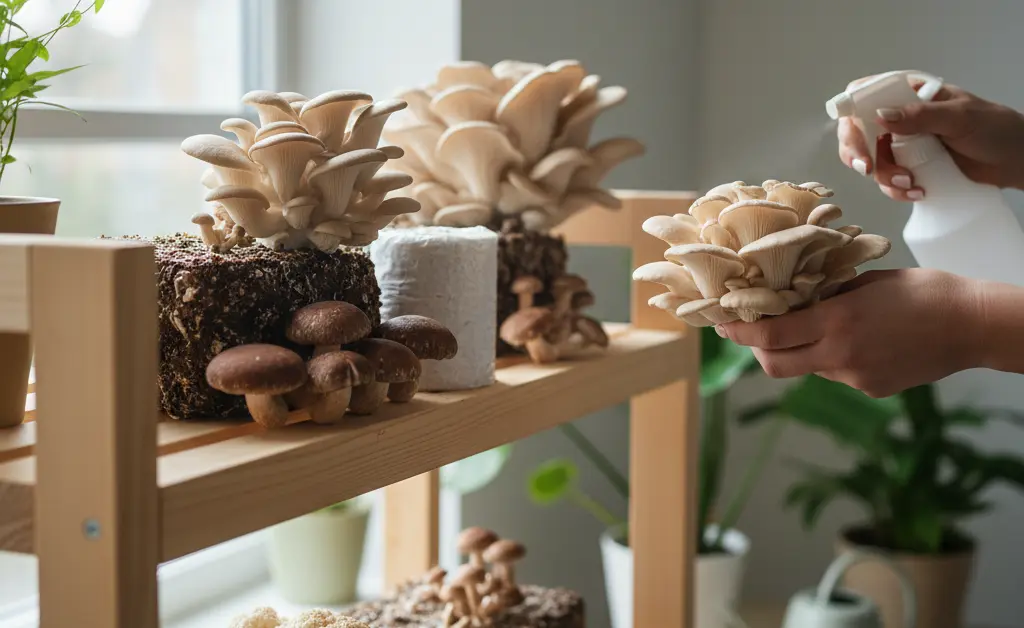
Many people believe that growing food is exclusively for those with sprawling gardens or rural land, assuming urban environments lack the space or conditions for productive agriculture. This common misconception often discourages city dwellers from exploring the potential of home-grown produce. However, the truth is that a surprising amount of nutritious food can be cultivated right within city limits, often in spaces far smaller than one might imagine. This comprehensive guide aims to demystify the process, demonstrating how even compact urban environments can become productive hubs. We will explore practical methods and essential tips for successful mushroom cultivation for city farmers, proving that fresh, delicious fungi are well within reach, regardless of your living situation. From small apartments to community plots, the possibilities for urban mycology are expansive, offering a sustainable and rewarding endeavor.
Understanding Urban Mushroom Cultivation
Urban mushroom cultivation represents an exciting facet of urban agriculture, allowing city dwellers to produce fresh fungi in limited spaces. This practice leverages vertical farming, controlled environments, and compact systems to overcome the spatial constraints often associated with city living. Unlike traditional outdoor gardening, mushroom farming indoors can offer more predictable yields and protection from external environmental factors. This section delves into the foundational aspects that make urban mushroom growing a viable and rewarding pursuit.
Benefits of Urban Mushroom Farming
Engaging in urban mushroom farming offers numerous advantages. Firstly, it provides a sustainable source of fresh, organic produce, reducing reliance on long supply chains and minimizing your carbon footprint. Organizations like the WHO actively promote sustainable food systems for global well-being. Growing mushrooms at home ensures you have control over the entire cultivation process, from substrate selection to harvesting, guaranteeing a product free from unwanted pesticides or chemicals. For those in urban environments, it’s an excellent way to utilize otherwise unused spaces, such as basements, spare rooms, or even closets. Furthermore, mushroom cultivation can be a therapeutic and educational hobby, connecting city farmers with natural cycles and providing a unique learning experience. Economically, successful urban mushroom cultivation can offset grocery costs and potentially even create opportunities for local sales.
Types of Urban Mushroom Growing Systems
A variety of systems cater to different scales and preferences in urban mushroom cultivation. For beginners and those with minimal space, ready-to-grow kits are popular, offering a pre-inoculated substrate that only requires misting. Block cultivation, using sterilized substrate blocks, allows for slightly larger yields and more control. Vertical farming setups are ideal for maximizing space, often involving shelves or racks where multiple blocks or bags can be stacked. For more advanced city farmers, controlled environment chambers or even repurposed shipping containers can create highly efficient growing operations, allowing for precise control over humidity, temperature, and fresh air exchange. Some urban farmers also explore log cultivation for certain mushroom varieties, which, while requiring more space, can offer long-term yields.
Getting Started with Mushroom Farming in the City
Embarking on mushroom farming in the city requires careful planning and a foundational understanding of the necessary steps. This phase involves research, preparation, and selecting the right resources to ensure a successful start. From choosing your first mushroom variety to understanding the financial implications, each decision contributes to the overall viability of your urban mushroom venture.
Mushroom cultivation recommendations for Beginners
For those new to the world of mycology, starting with robust and forgiving mushroom varieties is often recommended. Oyster mushrooms (various types like Pearl, Pink, or Blue) are excellent choices due to their rapid growth, resilience, and adaptability to different substrates. Lion’s Mane and Shiitake can also be good options for beginners, though they may require slightly more specific conditions or patience. Utilizing pre-sterilized substrate blocks or ready-to-grow kits can significantly simplify the initial stages of mushroom cultivation for city farmers, removing the complexities of sterilization and inoculation. Focus on mastering the basics of humidity, temperature, and fresh air exchange before attempting more challenging species or advanced techniques.
Space Requirements for Urban Mushroom Farms
One of the most appealing aspects of urban mushroom cultivation is its minimal space requirement. A dedicated corner in a pantry, a spare closet, a basement, or even a sheltered balcony can be converted into a productive growing area. The key is to ensure the chosen space can maintain stable environmental conditions and allows for adequate ventilation. Vertical stacking solutions, such as shelving units, can significantly increase the growing capacity within a small footprint. For a hobbyist, a space as small as a few square feet can yield a consistent supply of mushrooms. Commercial ventures will naturally require larger, more controlled environments, potentially involving dedicated rooms or custom-built grow chambers.
Essential Equipment for City Farmers
To successfully cultivate mushrooms, a few essential pieces of equipment are typically needed. These include:
- **Sterilization Equipment:** A pressure cooker or autoclave for sterilizing substrates (if not using pre-sterilized kits).
- **Growing Mediums:** Substrates such as hardwood sawdust, straw, coffee grounds, or grain.
- **Spawn:** The ‘seed’ material used to inoculate your substrate.
- **Fruiting Chamber:** A container or space designed to maintain high humidity and allow for air exchange (e.g., a monotub, Martha tent, or simple plastic tote).
- **Misting Bottle/Humidifier:** To maintain the necessary humidity levels.
- **Thermometer/Hygrometer:** To monitor temperature and humidity.
- **Gloves and Face Mask:** For maintaining sterility during inoculation.
- **Scalpel/Blade:** For harvesting.
Additional items like grow lights (for some species, though many don’t need direct light), fans for air circulation, and heating/cooling pads may be beneficial depending on your environment and specific mushroom varieties.
Budgeting for Your Urban Mushroom Operation
The cost of setting up an urban mushroom farm can vary widely based on scale and chosen system. A small-scale hobby setup using ready-to-grow kits might only cost a relatively small amount to start. As you scale up, investments in sterilization equipment, environmental controls (humidifiers, fans, heaters/coolers), shelving, and larger quantities of substrate and spawn will increase. It’s wise to create a detailed budget that accounts for initial setup costs, recurring expenses (spawn, substrate, electricity), and potential marketing costs if you plan to sell. Remember to factor in the cost of your time and labor as well. Researching suppliers for bulk substrate and spawn can help reduce ongoing expenses for mushroom cultivation for city farmers.
Choosing the Right Mushrooms and Substrates for Urban Environments
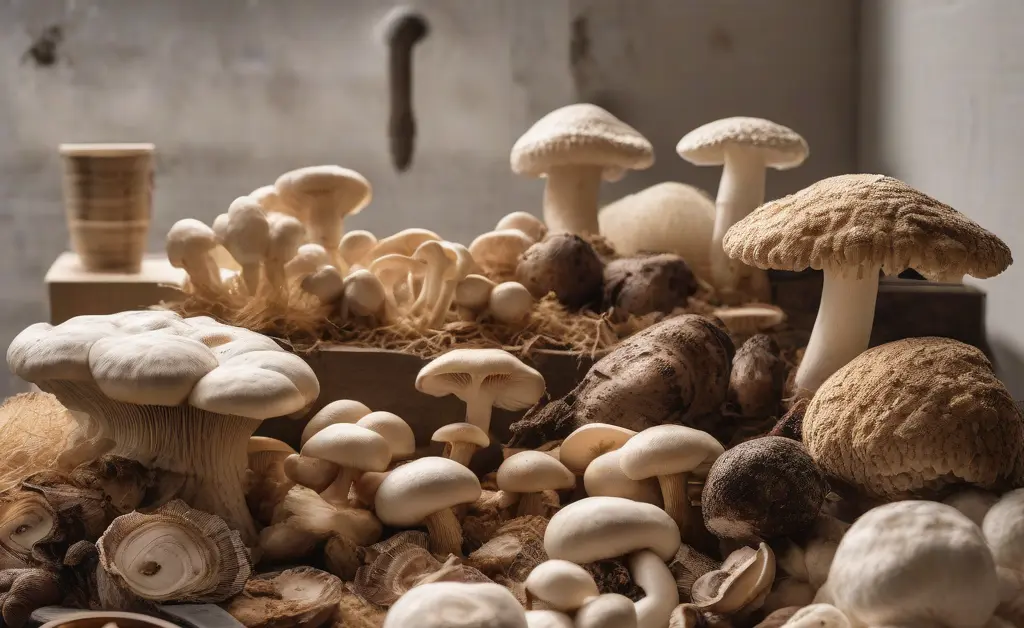
Selecting appropriate mushroom varieties and their corresponding growing mediums is a critical step for success in urban mushroom cultivation. This choice impacts everything from ease of growth and yield to the specific environmental conditions you’ll need to maintain. Understanding these elements ensures your urban farm thrives.
Popular Mushroom Varieties for Indoor/Urban Growing
Several mushroom species are particularly well-suited for indoor and urban cultivation due to their relatively forgiving nature and desirable culinary qualities.
- **Oyster Mushrooms (Pleurotus ostreatus):** Known for their fast growth and ability to grow on various substrates, including straw, sawdust, and even coffee grounds. They are among the easiest to cultivate.
- **Shiitake Mushrooms (Lentinula edodes):** Valued for their rich flavor and firm texture, Shiitakes can be grown on hardwood sawdust blocks or logs. They require a bit more patience but are very rewarding.
- **Lion’s Mane Mushrooms (Hericium erinaceus):** Distinctive for their unique appearance and delicate, seafood-like flavor. They thrive on hardwood substrates and are relatively straightforward to grow indoors.
- **Reishi Mushrooms (Ganoderma lucidum):** Often cultivated for their potential wellness properties, Reishi grow well on hardwood. While not typically eaten, they are popular for teas and extracts.
These varieties offer a good starting point for any city farmer looking to explore mushroom cultivation, providing a balance of accessibility and reward.
Selecting Suitable Growing Mediums (Kits, Logs, Bins)
The substrate, or growing medium, provides the nutrients for the mushrooms. The choice of substrate often depends on the mushroom species and your desired cultivation method.
- **Ready-to-Grow Kits:** Ideal for beginners, these come pre-inoculated with spawn and a prepared substrate (often sawdust or straw). They simplify the process immensely.
- **Substrate Blocks/Bags:** Made from sterilized and pasteurized materials like hardwood sawdust (for Shiitake, Lion’s Mane), straw (for Oysters), or grain. These offer more control and higher yields than kits.
- **Logs:** For certain species like Shiitake and Oyster, inoculating hardwood logs can provide a long-term, low-maintenance outdoor (or semi-outdoor) growing solution. This is more common for larger urban spaces or community gardens.
- **Monotubs/Fruiting Bins:** These are often plastic containers modified for ventilation and humidity control, filled with a bulk substrate (like coco coir and vermiculite) inoculated with grain spawn. They are popular for cultivating varieties like button mushrooms or some exotic species.
The best choice for mushroom cultivation for city farmers depends on available space, budget, and experience level.
Understanding Mushroom Spawn
Mushroom spawn is essentially the vegetative growth of a fungus (mycelium) inoculated onto a carrier material, typically sterilized grain (grain spawn), sawdust (sawdust spawn), or plugs (plug spawn for logs). It serves the same purpose as seeds in plant cultivation. Spawn is used to introduce the desired mushroom mycelium to a prepared substrate. The quality of your spawn is paramount to success; healthy, vigorous spawn will colonize the substrate quickly and resist contamination. It’s crucial to source spawn from reputable suppliers to ensure it is sterile and free from unwanted molds or bacteria. Different types of spawn are suitable for various cultivation methods, so ensure you choose the correct type for your chosen mushroom variety and substrate.
The Cultivation Process: Step-by-Step
Once you have selected your mushroom variety, chosen your substrate, and acquired your spawn, the actual cultivation process begins. This involves several distinct stages, each requiring specific conditions and careful monitoring to ensure healthy mycelial growth and abundant fruiting.
Inoculation Techniques for Urban Settings
Inoculation is the process of introducing mushroom spawn to a prepared substrate. For urban farmers, maintaining sterility during this step is crucial to prevent contamination from competing molds and bacteria.
- **Grain-to-Substrate:** This common method involves mixing grain spawn directly into a bulk, sterilized substrate (like sawdust blocks or pasteurized straw). This is often done in a sterile environment, such as a still air box or a laminar flow hood, to minimize airborne contaminants.
- **Plug Spawn:** For log cultivation, small wooden dowels colonized with mycelium (plug spawn) are inserted into drilled holes in hardwood logs. The logs then need time to colonize.
- **Ready-to-Grow Kits:** With these, the inoculation step is already completed by the supplier, simplifying the process for beginners.
Regardless of the method, cleanliness is key. Wear gloves, use disinfected tools, and work in as clean an environment as possible to give your mushroom mycelium the best chance to colonize.
Incubation and Fruiting Conditions
After inoculation, the substrate enters the incubation phase, where the mycelium colonizes the entire growing medium. This typically requires a dark, warm environment with stable temperatures. Specific temperature ranges vary by mushroom species but generally fall within 70-80°F (21-27°C). Once colonization is complete (the substrate is fully white with mycelium), the substrate is ready for fruiting.
The fruiting phase requires a “shock” or change in environmental conditions to trigger mushroom formation. This usually involves:
- **Lowering the Temperature:** Often by a few degrees.
- **Increasing Humidity:** Maintaining high humidity (85-95%) is critical, often achieved with misting or a humidifier within a fruiting chamber.
- **Introducing Fresh Air Exchange (FAE):** Essential for removing CO2 produced by the mycelium and providing oxygen, stimulating pinhead formation.
- **Providing Light:** Indirect or ambient light (not direct sunlight) signals to the mushrooms which way to grow.
Precise control over these factors is vital for successful mushroom cultivation for city farmers, as conditions that are too dry, too stagnant, or too warm can lead to poor yields or contamination.
Harvesting Your Urban-Grown Mushrooms
Knowing when and how to harvest your mushrooms is important for maximizing yield and quality. Mushrooms are typically ready for harvest when their caps have fully opened but before they begin to release spores (which can create a mess and signal the end of their prime). For oysters, this is often when the edges of the caps start to flatten out. Shiitakes are harvested when their caps are firm and slightly curled under. Lion’s Mane is ready when its teeth-like spines are fully developed and hanging down.
Harvesting generally involves:
- **Gentle Twisting:** For clusters like oysters, gently twist the entire cluster from the substrate.
- **Cutting:** For individual mushrooms like shiitake, use a clean, sharp knife or scalpel to cut the stem close to the substrate.
Always handle mushrooms carefully to avoid bruising. After harvesting, some substrates may produce multiple “flushes” or subsequent rounds of mushrooms, though usually with diminishing yields.
Post-Harvest Handling and Storage
Proper post-harvest handling ensures your urban-grown mushrooms remain fresh and delicious for as long as possible.
- **Cleaning:** Gently brush off any substrate residue. Avoid washing mushrooms until just before use, as they absorb water and can become soggy.
- **Storage:** Store mushrooms in a breathable container, such as a paper bag or a slightly opened plastic bag, in the refrigerator. This allows them to “breathe” and prevents condensation buildup, which can lead to spoilage. They can typically last for several days to a week, depending on the variety.
- **Drying/Freezing:** For longer storage, mushrooms can be dried (in a dehydrator or oven on low heat) or sautéed and then frozen.
These practices help maintain the quality and extend the shelf life of your hard-earned harvest, making mushroom cultivation for city farmers even more rewarding.
Challenges and Solutions for City Mushroom Farmers

While urban mushroom cultivation offers many rewards, it also presents unique challenges. Addressing these proactively can significantly improve your success rate and ensure a continuous supply of fresh fungi. Understanding common pitfalls and their remedies is key to a thriving urban mushroom farm.
Managing Pests and Diseases in Urban Grow Spaces
Even in controlled urban environments, pests and diseases can pose threats to mushroom crops.
- **Pests:** Fungus gnats are common and can lay larvae that feed on mycelium. Solutions include sticky traps, maintaining good hygiene, and ensuring adequate air circulation to prevent stagnant, moist conditions that attract them.
- **Diseases/Contaminants:** Molds (like green mold, Trichoderma) and bacteria are the biggest threats. These often indicate insufficient sterilization of the substrate, improper inoculation techniques, or poor air quality.
**Solutions:** Emphasize sterile technique throughout the process, use high-quality, clean spawn, ensure proper pasteurization or sterilization of your substrate, and maintain excellent air filtration and hygiene in your grow space. Immediately remove any contaminated blocks or bags to prevent spread.
Controlling Temperature and Humidity
Maintaining precise temperature and humidity levels is paramount for mushroom growth, and this can be tricky in urban homes with fluctuating indoor climates.
- **Temperature:** Heating pads with thermostats can help maintain consistent incubation temperatures. For fruiting, if your ambient room temperature is too high, a small fan for air circulation combined with evaporative cooling (misting) can help slightly. During colder months, supplemental heating might be necessary.
- **Humidity:** A high-quality humidifier connected to a hygrometer can automate humidity control. For smaller setups, regular manual misting of the fruiting chamber’s walls (not directly onto the mushrooms) is effective. Building a “Martha tent” (a small greenhouse frame covered in plastic sheeting) or modifying a plastic tote can create a microclimate easier to control.
Investing in reliable monitoring equipment (thermometers and hygrometers) is crucial for effective environmental control.
Odor Management in Urban Environments
Certain mushroom species or the decomposition process of substrates can produce distinct odors, which might be a concern in urban apartments or shared living spaces.
- **Ventilation:** Good air circulation and fresh air exchange are the primary solutions. Using small fans to exhaust air outside (if feasible) or into a carbon filter system can effectively remove odors.
- **Substrate Choice:** Some substrates, especially raw straw or coffee grounds, can have stronger smells during pasteurization or if they become contaminated. Using pre-sterilized sawdust blocks often results in less odor.
- **Hygiene:** Promptly removing spent substrate blocks and maintaining a clean grow area helps minimize unwanted smells.
Careful planning regarding ventilation systems is essential for successful mushroom cultivation for city farmers, especially in confined urban settings.
Addressing Light Requirements
While mushrooms don’t photosynthesize like plants, they do require some light during the fruiting phase. This light acts as a directional cue, signaling the mushrooms to grow upwards and helping with proper cap formation.
- **Indirect Light:** Mushrooms generally prefer indirect, ambient light, similar to what you might find in a shady forest understory. Direct sunlight can dry them out.
- **Fluorescent or LED:** Standard fluorescent shop lights or LED grow lights (even those not specifically for plants) are sufficient, provided they are not too intense. A few hours a day (8-12 hours) is usually adequate.
- **Placement:** Position your fruiting chamber near a window that receives indirect light or use artificial lighting on a timer.
The amount and type of light are less critical than temperature, humidity, and fresh air, but providing appropriate lighting can contribute to healthier, well-formed mushrooms.
Troubleshooting Common Growing Problems
Even with careful planning, city mushroom farmers may encounter issues.
- **No Pinning/Fruiting:** Often caused by insufficient fresh air exchange, low humidity, or incorrect temperature. Ensure your fruiting chamber has enough FAE holes, is misted regularly, and is at the correct temperature for the fruiting stage.
- **Leggy/Stunted Mushrooms:** Indicates too much CO2 (lack of FAE). Increase ventilation.
- **Dry/Cracking Caps:** Usually a sign of too low humidity. Increase misting or adjust your humidifier.
- **Contamination:** Green or black molds indicate bacterial or fungal contamination, usually from poor sterilization or hygiene. Discard contaminated blocks promptly and re-evaluate your sterile practices.
Learning from these issues and making adjustments is part of the urban mushroom cultivation journey. Consulting online forums and guides specific to your mushroom variety can also provide targeted solutions.
Maximizing Yields and Success in Mushroom Cultivation for City Farmers
As you gain experience, optimizing your urban mushroom farm to maximize yields and ensure ongoing success becomes a natural progression. This involves strategic planning, considering potential market opportunities, and continuously refining your cultivation practices.
Scaling Up Your Urban Mushroom Farm
For city farmers looking to move beyond hobbyist levels, scaling up involves increasing production efficiency and capacity.
- **Dedicated Grow Space:** Transition from closets to dedicated grow tents, rooms, or even modified shipping containers with integrated environmental controls.
- **Automated Systems:** Invest in automated humidifiers, fans, temperature controllers, and timers to maintain consistent conditions with less manual effort.
- **Bulk Substrate Preparation:** Instead of buying small kits, learn to pasteurize or sterilize bulk substrates (e.g., using large pressure cookers or steam pasteurizers) to reduce costs and increase volume.
- **Diverse Varieties:** Explore cultivating a wider range of popular gourmet mushrooms to cater to different demands.
Careful planning for increased demand on resources like electricity, water, and waste disposal is crucial when scaling up mushroom cultivation for city farmers.
Marketing and Selling Your Produce
If your goal includes generating income from your urban mushroom farm, effective marketing and sales strategies are essential. When considering a business, a unique mushroom cultivation logo can significantly help in establishing brand recognition.
- **Local Markets:** Sell fresh mushrooms at local farmers’ markets, community-supported agriculture (CSA) programs, or directly to consumers.
- **Restaurants and Chefs:** Many local restaurants value fresh, locally sourced produce. Build relationships with chefs in your area.
- **Online Sales:** Create a simple website or use social media platforms to market your mushrooms for local pickup or delivery.
- Value-Added Products: Consider transforming excess fresh mushrooms into dried mushrooms, powders, or extracts, which can have a longer shelf life and higher profit margin.
- **Education:** Offer workshops or mushroom cultivation courses to share your knowledge and build community engagement.
Highlight the freshness, organic nature, and local origin of your mushrooms as key selling points to attract customers who appreciate quality and sustainability. Understanding demand and pricing in your local market is vital for a sustainable urban mushroom business.
Urban mushroom cultivation offers a unique and fulfilling path for city dwellers to connect with food production, contribute to sustainability, and enjoy fresh, delicious fungi. Whether starting as a small hobby or envisioning a larger commercial operation, the principles of careful planning, diligent environmental control, and continuous learning are paramount. By embracing the innovative techniques and resilient spirit of urban farming, anyone can transform compact city spaces into productive hubs for mushroom growing, proving that an abundant harvest is truly within reach for the dedicated city farmer.
This material is shared for educational insight, not for clinical decision-making. The information provided in this article is for general informational purposes only and does not constitute medical advice. While mushroom cultivation can be a rewarding activity, specific practices and consumption may vary. Always consult with appropriate professionals for health-related concerns or before making any decisions related to your well-being.
FAQ
What are the easiest mushrooms to grow in a city apartment?
Oyster mushrooms are frequently recommended for those new to cultivation, owing to their robust growth and adaptability to various indoor conditions. Lion’s Mane is another excellent choice, known for its distinct appearance and its capacity to thrive in a controlled home environment.
How much space do I need to start growing mushrooms in the city?
You can begin cultivating mushrooms with surprisingly minimal space, as many beginner kits are compactly designed to fit conveniently on a kitchen counter or a small shelf. Even a modest corner or an empty closet can be effectively repurposed for a small growing setup, especially for species that can be grown vertically.
What supplies do I need for urban mushroom cultivation?
Key supplies generally include a suitable substrate, such as sterilized sawdust or grain, along with mushroom spawn and a container to house the growing medium. Maintaining appropriate humidity and a consistent temperature, often achieved with a simple spray bottle, is also crucial for successful development.
Can I grow mushrooms on logs in a city environment?
While log cultivation is a traditional method, it presents significant practical hurdles for Mushroom cultivation for city farmers due to the specific types of wood required and the larger, more consistent outdoor conditions it demands. This approach necessitates environmental stability that is quite challenging to replicate within a typical urban living space.
What are the best substrates for indoor mushroom farming?
For indoor mushroom farming, common substrates include sterilized sawdust blocks, often enriched with supplements like wheat bran, or even readily available materials such as spent coffee grounds. These materials are instrumental in providing the necessary nutrients and structure for the mycelium to colonize and eventually produce edible fruiting bodies.