
Building a Profitable Mushroom Farming Business
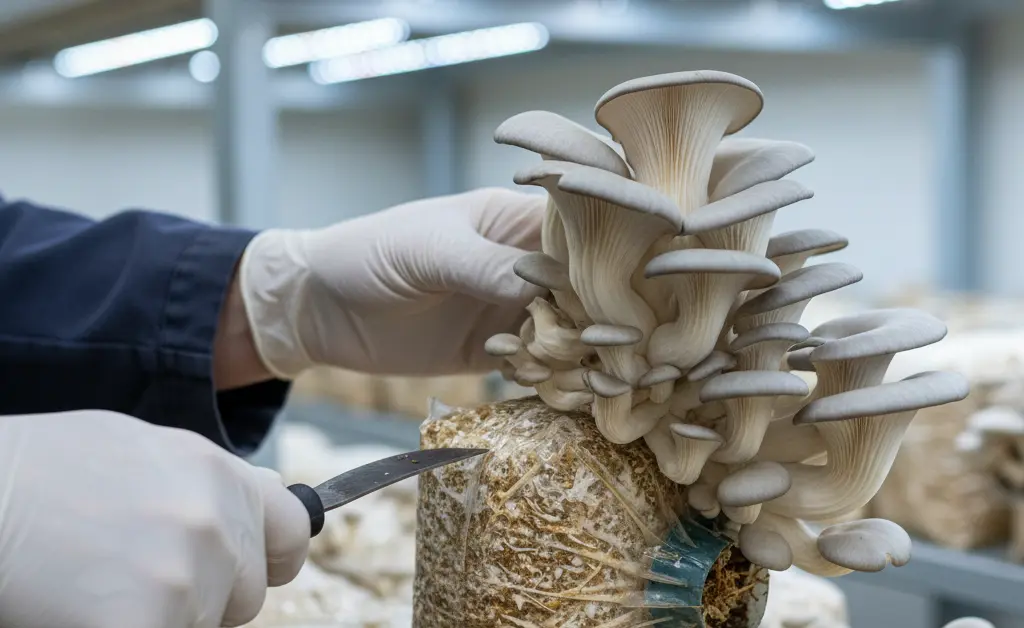
In an era where consumers increasingly prioritize fresh, locally sourced produce, embrace healthier eating habits, and seek sustainable food systems, the demand for gourmet mushrooms has surged. This growing interest presents a unique opportunity for individuals looking to combine a passion for agriculture with a viable business model. Many are now exploring how to leverage modern agricultural practices to meet this market need. This comprehensive guide is designed for aspiring entrepreneurs and seasoned growers alike who are interested in establishing or expanding their operations in mushroom cultivation for profit. We will delve into everything from selecting the most lucrative species and setting up efficient grow environments to mastering harvesting techniques and navigating market sales, providing the essential knowledge to build a thriving and sustainable mushroom farming enterprise.
Mushroom Cultivation for Profit: A Complete Guide
Embarking on mushroom cultivation for profit involves more than just growing fungi; it requires a strategic approach to business planning, market understanding, and operational efficiency. This guide covers the essential elements needed to transform a passion for mycology into a successful commercial venture. From initial setup to final sales, each stage plays a critical role in the overall profitability and sustainability of a mushroom farm.
Is Mushroom Farming a Profitable Business Option?
Mushroom farming can indeed be a highly profitable business endeavor, particularly for those who strategically select their species, optimize their growing conditions, and effectively market their produce. The demand for specialty mushrooms often outstrips supply, leading to attractive profit margins. Success hinges on minimizing initial costs, maximizing yields through efficient cultivation practices, and establishing strong relationships with buyers. While it requires dedication and careful management, the potential for significant returns makes mushroom farming an appealing option for many agricultural entrepreneurs. Understanding the nuances of a mushroom cultivation business is crucial for long-term success.
Understanding the Mushroom Cultivation Market
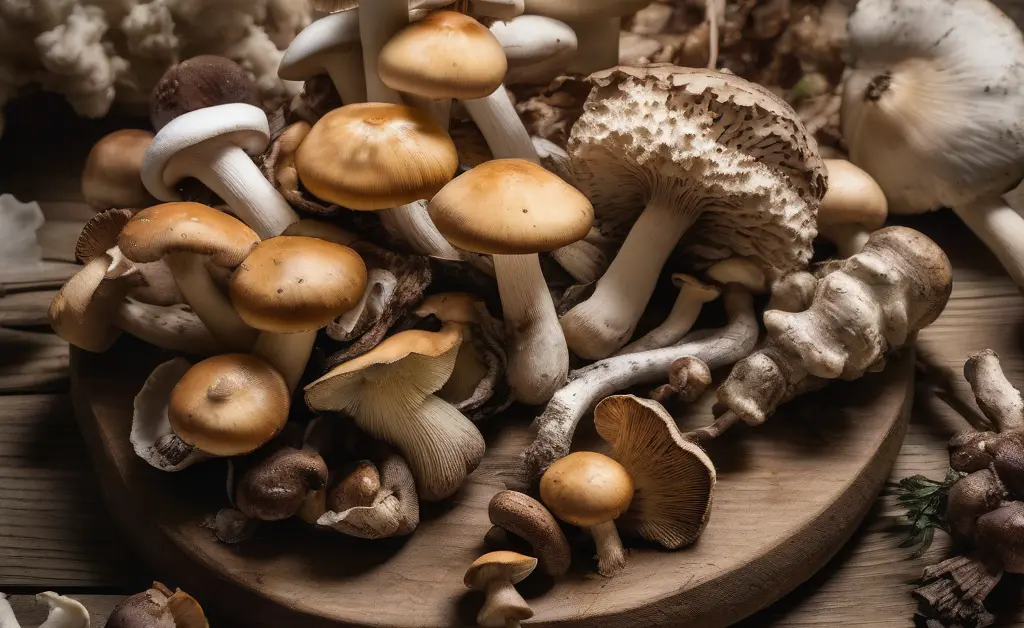
A thorough understanding of the current market landscape is fundamental for anyone looking to establish a successful enterprise in mushroom cultivation for profit. This involves recognizing consumer preferences, identifying growth areas, and anticipating future shifts in demand. Adapting to these dynamics can provide a significant competitive advantage and ensure long-term viability.
Market Demand and Trends
The market for specialty mushrooms has experienced consistent growth, driven by an increased consumer interest in healthy, plant-based diets and gourmet culinary experiences. Trends indicate a rising preference for locally grown, organic, and sustainably produced foods. Varieties like oyster, shiitake, and lion’s mane are particularly popular due to their unique flavors, textures, and perceived health benefits. Further research on the health benefits of various mushroom species can be found on resources like PubMed. Additionally, there is a growing demand from restaurants, farmers’ markets, and health-conscious retailers for a steady supply of fresh, high-quality fungi. Entrepreneurs who can tap into these trends by offering diverse, high-value mushroom types are well-positioned for success.
Choosing the Right Mushroom Species for Profit
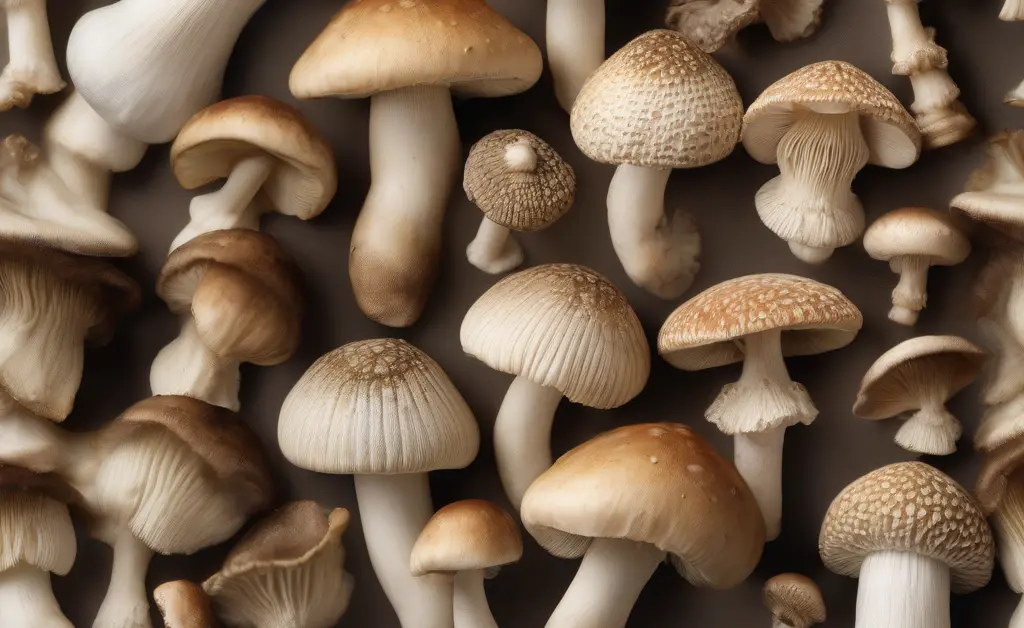
Selecting the appropriate mushroom species is a pivotal decision for any aspiring grower focused on mushroom cultivation for profit. This choice directly impacts potential earnings, operational complexity, and market reception. It’s crucial to balance market popularity with the practicalities of cultivation to ensure a successful yield.
Popular Profitable Mushroom Varieties
Several mushroom varieties stand out for their consistent market demand and potential for profitability. Understanding what is the most profitable mushroom to grow is a key decision for any aspiring cultivator. Oyster mushrooms (Pleurotus ostreatus) are widely favored for their rapid growth, adaptability, and versatility in culinary applications. Shiitake mushrooms (Lentinula edodes) command higher prices due to their rich umami flavor and longer shelf life, though they may have a slightly longer cultivation cycle. Lion’s Mane (Hericium erinaceus) is gaining popularity not only for its unique texture and flavor but also for its perceived health benefits. Other varieties like Portobello, Cremini, and even specific gourmet strains of common button mushrooms can also be profitable depending on the target market and scale of operation.
Factors to Consider (Growth Cycle, Market Price, Ease of Cultivation)
When selecting species for mushroom cultivation for profit, several key factors should guide your decision. The **growth cycle** influences how quickly you can turn over crops and generate revenue; faster-growing varieties often allow for more harvests per year. **Market price** is crucial; some gourmet mushrooms fetch significantly higher prices per pound, justifying the effort of their cultivation. However, higher prices can sometimes correlate with increased difficulty or specialized growing conditions. Lastly, the **ease of cultivation** is paramount, especially for beginners. Starting with less demanding species can help build confidence and experience before venturing into more complex varieties. Consider also the specific needs of different species regarding substrate, temperature, and humidity, as these will affect your farm setup and operational costs.
Setting Up Your Mushroom Farm
Establishing a functional mushroom farm requires careful planning of your growing environment. Key considerations include location and space requirements, which can range from a dedicated room in a home for small-scale mushroom farming to a converted warehouse or custom-built facility for larger operations. Regardless of scale, maintaining precise environmental controls is vital. This typically involves managing temperature and humidity levels within optimal ranges for your chosen species, often through the use of heating, cooling, humidifiers, and dehumidifiers. Effective ventilation is also critical to ensure a continuous supply of fresh air and to prevent the buildup of carbon dioxide, which can inhibit fruiting. Outfitting your farm with the appropriate equipment and supplies, such as shelving, growing containers, sterilization equipment, and substrate materials, is essential for streamlined operations and consistent production.
The Mushroom Growing Process
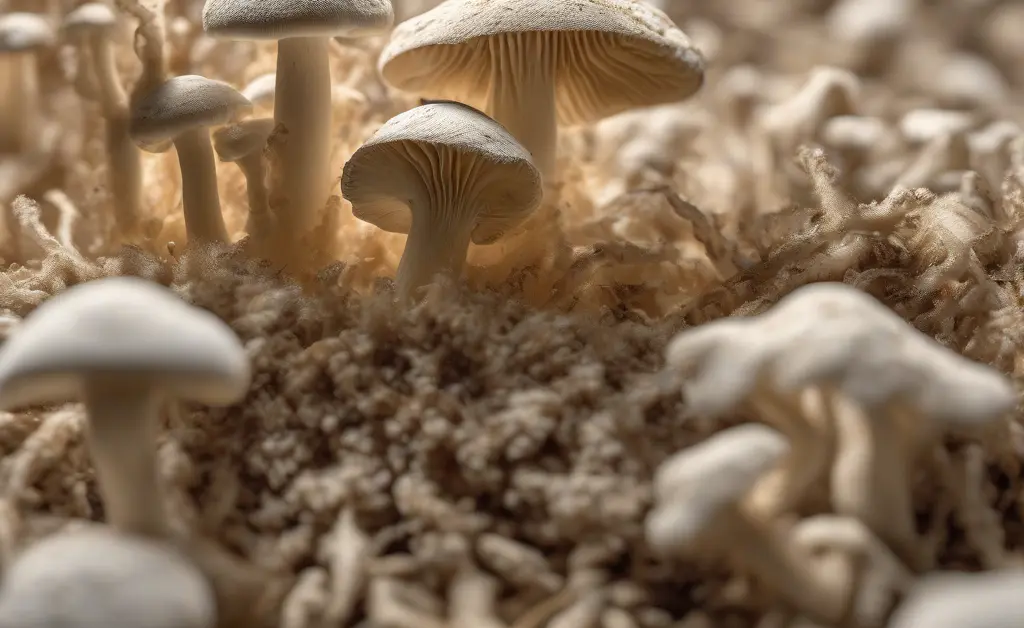
The journey from spore to harvest involves several distinct stages, each requiring specific conditions and meticulous care. It typically begins with **substrate preparation**, where a suitable growing medium (like sawdust, straw, or grain) is pasteurized or sterilized to eliminate contaminants, creating a clean environment for mushroom mycelium. Next is **inoculation and incubation**, where mushroom spawn (grain inoculated with mycelium) is introduced to the prepared substrate. This mixture is then kept in a dark, warm environment for the mycelium to colonize the substrate completely. Once colonization is robust, the substrate is moved to a fruiting chamber where **fruiting conditions** are carefully managed. This includes adjusting temperature, humidity, and light cycles, and ensuring adequate fresh air exchange, which triggers the formation and growth of mushroom fruiting bodies. Throughout this process, growers must be vigilant for common pests and diseases, such as molds or mites, and implement integrated management strategies to protect their crops.
Harvesting and Post-Harvest Handling
Successful mushroom cultivation culminates in the harvest, a critical phase that directly impacts product quality and market value. Knowing **when to harvest** is crucial; it depends on the species, but generally, mushrooms are picked just as they reach maturity, before they release spores, to ensure optimal texture and flavor. **Harvesting techniques** vary; some mushrooms are twisted off at the base, while others are cut with a knife, taking care to avoid damaging subsequent flushes. Immediately following harvest, **storage and packaging** play a vital role in extending shelf life and maintaining freshness. Mushrooms are often delicate and require careful handling to prevent bruising. They are typically stored in breathable containers or bags in a cool, humid environment, away from strong odors, to preserve their quality until they reach the consumer.
Marketing and Selling Your Mushrooms
Effective marketing and sales strategies are just as important as cultivation expertise for achieving significant mushroom cultivation for profit. Connecting with the right buyers and establishing fair pricing can elevate a small farm to a thriving business.
Target Markets (Restaurants, Farmers Markets, Retail)
Diversifying your sales channels can help stabilize income and expand your customer base. **Restaurants**, especially high-end and farm-to-table establishments, are often eager buyers of fresh, gourmet mushrooms, appreciating quality and local sourcing. Building direct relationships with chefs can secure consistent orders. **Farmers markets** offer a direct-to-consumer avenue, allowing you to build brand recognition, educate customers about your products, and receive immediate feedback. This personal connection can foster strong customer loyalty. Developing a strong visual identity, including a memorable mushroom cultivation logo, can significantly enhance brand recognition at farmers markets and retail outlets. Selling to **retail** outlets, such as specialty grocery stores or local co-ops, can provide broader market reach. This often requires meeting specific packaging and labeling standards, as well as adherence to food safety regulations. Exploring online sales or community-supported agriculture (CSA) models can also expand your market presence.
Pricing Strategies
Developing effective pricing strategies is essential for profitability. Factors influencing pricing include your production costs, the perceived value of your specific mushroom varieties, competitor pricing, and the volume you can supply. For premium gourmet mushrooms, a higher price point may be justified, especially when selling directly to consumers or high-end restaurants. Offering bulk discounts for larger orders or wholesale pricing for retail partners can encourage larger sales volumes. Additionally, consider offering mixed variety packs to introduce customers to different types, or seasonal pricing based on availability and demand. Regularly reviewing your pricing against market trends ensures that your products remain competitive while also securing a fair return on your investment in mushroom cultivation.
Mushroom Farming Profitability and Costs
Understanding the financial aspects, including both potential earnings and expenditures, is paramount for anyone considering mushroom cultivation for profit. A detailed financial plan helps in managing resources and setting realistic goals.
Profitability Factors
Several factors critically influence the profitability of a mushroom farm. These include the choice of high-value mushroom species, the efficiency of your growing methods (e.g., maximizing yield per square foot), and your ability to control environmental conditions consistently. Effective pest and disease management reduces losses, while optimized harvesting and post-harvest handling minimize waste and maintain product quality. Strong marketing and sales channels that command good prices are also key. Exploring avenues for mushroom cultivation and value addition can also open new revenue streams and enhance overall farm profitability. Furthermore, managing the Cost to Start Mushroom Farm wisely, by potentially beginning with small-scale mushroom farming and gradually expanding, can significantly impact initial profitability. Regularly analyzing production costs against sales revenue is crucial for sustained success in mushroom cultivation for profit.
Embarking on a mushroom farming venture offers a unique blend of agricultural endeavor and entrepreneurial opportunity. By carefully planning your farm’s setup, mastering cultivation techniques, and implementing strategic marketing, you can establish a robust and profitable business. The key to long-term success lies in continuous learning, adapting to market demands, and maintaining a commitment to quality and sustainability. With dedication and informed decision-making, your mushroom farming enterprise can flourish, contributing to the growing demand for fresh, gourmet fungi.
This information is provided for educational purposes only. It is not intended to be a substitute for professional business advice, agricultural consultation, or legal guidance. While efforts have been made to ensure accuracy, the specifics of mushroom cultivation for profit can vary greatly depending on location, market conditions, and individual circumstances. Readers are encouraged to conduct their own thorough research and consult with experts before making any business decisions.
FAQ
What are the most profitable mushrooms to grow?
Certain mushroom species, such as oyster mushrooms and lion’s mane, are frequently chosen for commercial cultivation due to their relatively quick growth cycles and strong market demand. Shiitake mushrooms also represent a popular choice for producers.
How much does it cost to start a mushroom farm?
The initial investment for establishing a mushroom cultivation operation can vary significantly based on scale and method. Factors include the cost of sterile substrates, specialized growing environments, and necessary equipment for maintaining optimal conditions like humidity and temperature.
What is the easiest mushroom to cultivate for profit?
Oyster mushrooms are often considered among the more straightforward varieties for beginners venturing into mushroom cultivation for profit. They are known for their adaptability to various substrates and relatively fast colonization times, making them a popular choice for new growers.