
A Guide to Growing Protein-Rich Mushrooms at Home

Imagine you’re in your kitchen, planning dinner, and contemplating healthy, sustainable protein sources for your family. The quest for nutritious and eco-friendly food options often leads us to consider innovative approaches to food production. This guide delves into an increasingly popular and practical solution: mushroom cultivation for protein. Beyond their culinary versatility, many mushroom varieties offer a significant protein content, making them an excellent dietary addition, especially for those seeking plant-based alternatives. Learning to grow these fungi at home provides control over your food supply and offers a rewarding, sustainable hobby. We will explore the specifics of selecting the right species, preparing substrates, and mastering the techniques required to yield your own high-protein harvest, ultimately contributing to a more self-sufficient and health-conscious lifestyle right from your own home.
Understanding Mushroom Cultivation for Protein
Embarking on mushroom cultivation for protein involves recognizing the unique attributes that make fungi a valuable dietary component. Mushrooms are not only flavorful additions to meals but also a source of beneficial nutrients, particularly protein. Understanding the foundational principles of growing these organisms can empower individuals to produce a sustainable and high-quality protein source right in their own environment, contributing to a more self-sufficient food system.
Why Cultivate Mushrooms for Protein?
The decision to cultivate mushrooms specifically for their protein content stems from several compelling advantages. As plant-based protein sources gain increasing attention, mushrooms stand out for their nutritional density and relatively low environmental footprint compared to animal proteins. What is mushroom protein? It’s a bioavailable form of protein that, when incorporated into the diet, can support various bodily functions. Home cultivation offers control over the growing conditions, ensuring a fresh, organic, and locally sourced supply of this important macronutrient, reducing reliance on commercial production and its associated transportation costs and carbon emissions.
Mushroom Biology and Protein Synthesis
Mushrooms, as members of the fungal kingdom, exhibit fascinating biological processes for protein synthesis. Unlike plants that rely on photosynthesis, fungi obtain nutrients from their surroundings, breaking down complex organic matter. This process supports the growth of mycelium, the vegetative part of the fungus, and ultimately the development of the fruiting body, which is the part we commonly consume. The protein content within mushrooms is a result of this metabolic activity, as they synthesize amino acids and complex proteins crucial for their structural integrity and enzymatic functions. The efficiency of this biological mechanism allows mushrooms to convert various substrates into protein-rich biomass.
Types of Protein-Rich Mushrooms for Cultivation
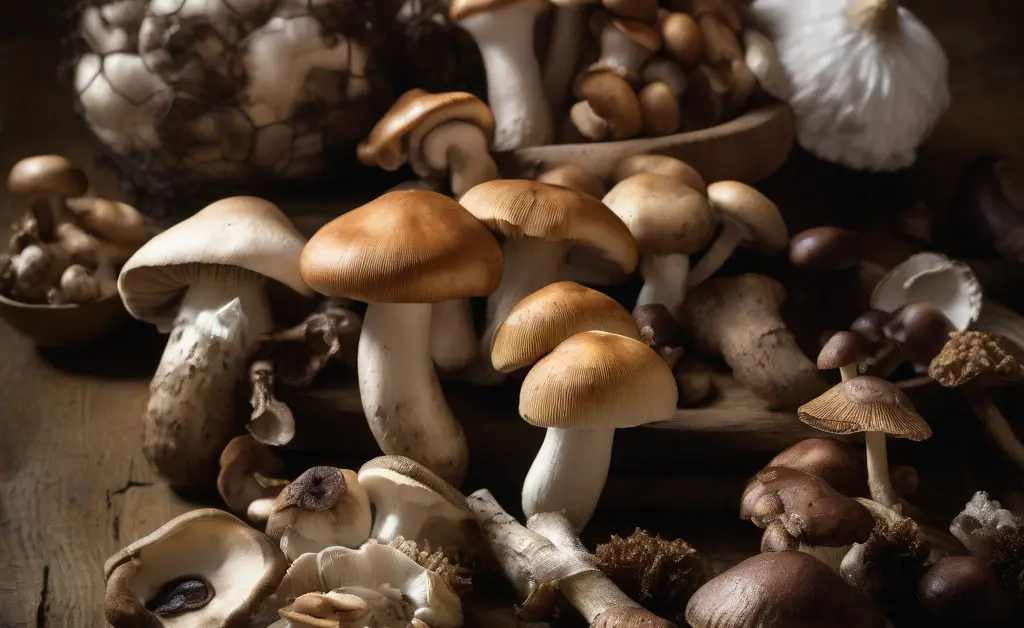
When considering mushroom cultivation for protein, selecting the right species is paramount. Different mushroom varieties offer varying levels of protein, and some are particularly well-suited for home or small-scale cultivation due to their growth characteristics and resilience. Focusing on these high-protein types can maximize the nutritional yield of your efforts.
Other High-Protein Varieties
Among the many edible fungi, certain species are celebrated for their significant protein content and ease of cultivation. Oyster Mushrooms (Pleurotus ostreatus), for instance, are widely recognized for their rapid growth and adaptability to various substrates, yielding a good amount of protein. Shiitake Mushrooms (Lentinula edodes) are another excellent choice, prized for both their savory flavor and substantial protein contribution, along with a rich array of other nutrients. Lion’s Mane Mushrooms (Hericium erinaceus) offer a unique texture and a notable protein profile, making them an attractive option for those looking to diversify their fungal crops.
Amino Acid Profile
A key aspect of the nutritional benefits of mushroom protein lies in its amino acid profile. Many protein-rich mushrooms contain a good balance of essential amino acids, which are the building blocks of protein that the human body cannot produce on its own and must obtain from food. This makes mushroom protein a valuable dietary component, especially for individuals following vegetarian or vegan diets who seek complete protein sources. Mushrooms can be a great addition to a diet, and for those interested in sleep, mushroom capsules for sleep are also available.
Vitamins and Minerals
Beyond protein, mushrooms are a trove of essential vitamins and minerals. They are naturally low in calories and fat but can provide B vitamins, such as riboflavin, niacin, and pantothenic acid, which play roles in energy metabolism. Some mushrooms can also produce vitamin D when exposed to ultraviolet light. Furthermore, they contain important minerals like selenium, potassium, copper, iron, and phosphorus, all contributing to overall well-being.
Fiber Content
Dietary fiber is another significant component found in mushrooms. Both soluble and insoluble fibers are present, which are beneficial for digestive health. The fiber content in mushrooms contributes to satiety and can support a balanced diet, further enhancing their value as a nutritional food source alongside their protein content. For those looking to support their digestive system, consider exploring an mushroom extract for gut health.
Comparison to Other Protein Sources
When comparing mushrooms to other protein sources, they present a compelling case, particularly in the context of sustainability. While animal proteins are often considered complete, they typically come with a higher environmental impact. Mushrooms offer a nutritious alternative with a smaller carbon footprint, requiring less land and water resources. For plant-based protein, mushrooms can stand alongside legumes and grains, often providing a different range of micronutrients and a unique umami flavor that can enhance culinary diversity. World Health Organization guidelines offer further insights into global nutritional recommendations.
Plant Based Proteins from Mushrooms
The rise of plant-based diets has spotlighted the importance of finding diverse and high-quality protein sources. Mushrooms fit this need perfectly, offering delicious and versatile options for plant-based proteins. Their unique texture and flavor allow them to be incorporated into a wide variety of dishes, serving as a satisfying meat alternative. Nutritional benefits of mushroom protein include not only amino acids but also a spectrum of other health-promoting compounds. This makes them a strong candidate for individuals asking, “Is mushroom good for building muscle?” as their complete or near-complete amino acid profile can support muscle maintenance and growth when consumed as part of a balanced diet.
Substrates and Growing Mediums for Mushroom Protein Production
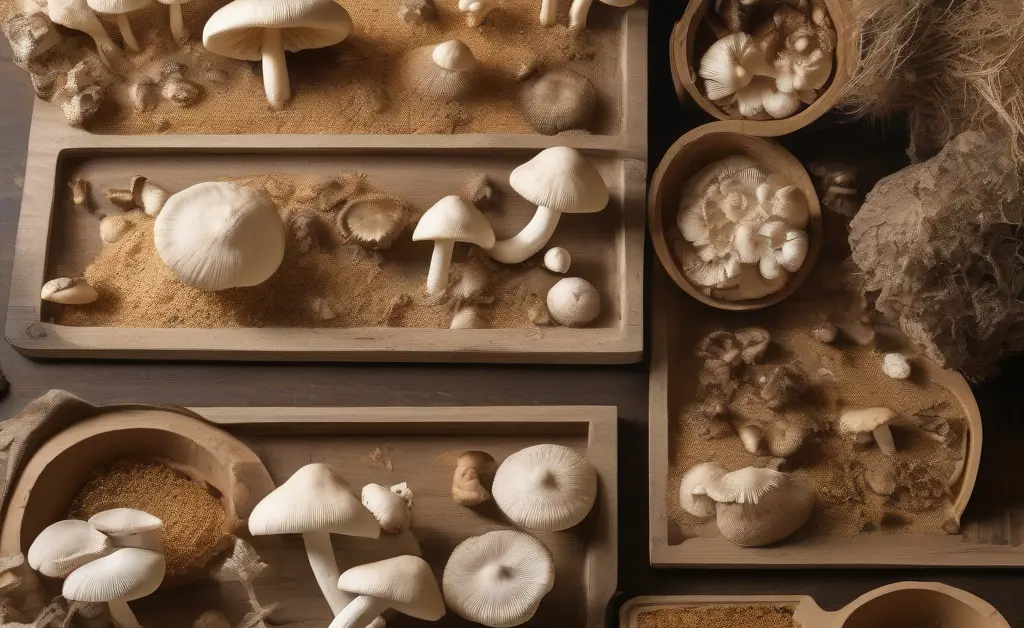
The choice of substrate is a critical factor in successful mushroom cultivation for protein, as it directly impacts the growth rate, yield, and sometimes even the nutritional content of the mushrooms. Substrates provide the necessary nutrients and structure for the mycelium to colonize and eventually produce fruiting bodies. Utilizing readily available and often waste materials can also enhance the sustainability and cost-effectiveness of mushroom farming.
Lignocellulosic materials, rich in cellulose, hemicellulose, and lignin, are popular choices. These include sawdust, wood chips, and straw. Agricultural byproducts such as coffee grounds, cotton seed hulls, and corn cobs are also excellent mediums, diverting waste from landfills and transforming it into valuable food. Composted materials can further enhance nutrient availability, providing a rich, microbe-dense environment for certain species. Regardless of the chosen substrate, sterilization and preparation of substrates are crucial steps to eliminate competing microorganisms, ensuring that the mushroom mycelium has the best chance to colonize successfully and produce a robust harvest.
Cultivation Techniques for Maximizing Protein Yield
Optimizing cultivation techniques is key to enhancing both the quantity and quality of protein in your mushroom harvest. Effective management throughout the growth cycle can lead to a more bountiful and nutritious yield, making your mushroom cultivation for protein efforts truly rewarding.
Inoculation methods are the starting point, ensuring the substrate is properly colonized by the chosen mushroom mycelium. Techniques vary from using grain spawn to liquid cultures, each with its own advantages in terms of speed and sterility. Once colonization is established, focusing on fruiting body development is paramount. This often involves introducing specific environmental triggers, such as changes in temperature, humidity, and light cycles. Precise environmental control, including maintaining optimal temperature, humidity, and CO2 levels, is vital for robust growth and efficient nutrient conversion into protein. Furthermore, mycelial growth optimization, through careful substrate selection and nutrient supplementation, can promote stronger, healthier mycelial networks that are capable of supporting larger and more protein-rich fruiting bodies.
Harvesting and Processing Mushrooms for Protein

The final stages of mushroom cultivation, harvesting and processing, are essential for preserving the protein content and ensuring the longevity of your yield. Improper handling can diminish nutritional value and lead to spoilage, undermining the efforts put into growing these protein-rich fungi.
Best practices for harvesting involve picking mushrooms at their peak maturity, typically when their caps are fully developed but before they release a significant amount of spores. This timing often corresponds to their highest nutritional value and best texture. After harvesting, efficient drying and storage methods are critical. Dehydration, using air dryers or dehydrators, effectively removes moisture, inhibiting microbial growth and extending shelf life without significantly compromising protein. For further processing, mushrooms can be ground into mushroom powder, which concentrates their nutrients, including protein, making them easy to incorporate into various dishes or supplements. Mushroom extracts, another form of processing, can also concentrate beneficial compounds, though their primary focus may extend beyond just protein.
Challenges and Future of Mushroom Protein Cultivation
While mushroom cultivation for protein offers significant promise, it is not without its challenges. Addressing these hurdles and exploring future advancements will be crucial for scaling up production and increasing accessibility.
One significant challenge is the scalability of production, particularly for small-scale growers aiming to meet higher demands. Consistency in yield and quality can be difficult to maintain without sophisticated environmental controls. Cost-effectiveness is another factor; while home cultivation can be economical, commercial operations face overheads related to energy, labor, and substrate acquisition. However, technological advancements in areas like automated climate control systems, genetic selection for higher protein strains, and innovative substrate utilization are continuously improving efficiency and reducing costs. Moreover, market demand and consumer acceptance are growing, driven by an increasing interest in sustainable and plant-based protein sources. As research progresses and cultivation techniques become more refined, the future of mushroom protein cultivation appears bright, poised to play a larger role in global food security and nutrition.
Mushroom cultivation for protein represents a compelling intersection of sustainable agriculture, nutritional science, and culinary innovation. From understanding the unique biological processes that yield these protein-rich fungi to selecting optimal species and employing advanced cultivation techniques, each step contributes to a rewarding and impactful endeavor. As we embrace more sustainable and health-conscious lifestyles, growing your own protein-packed mushrooms emerges as a practical and fulfilling path forward, offering a fresh, nutritious, and environmentally friendly food source directly from your home.
This material is shared for educational insight, not for clinical decision-making. The information presented herein is intended for general knowledge and informational purposes only, and does not constitute medical advice. Always consult with a qualified healthcare professional for any health concerns or before making any decisions related to your health or treatment. Individual results may vary.
FAQ
What is the best mushroom to grow for protein?
Certain mushroom varieties are recognized for their higher protein content compared to others, with oyster mushrooms (Pleurotus spp.) and shiitake (Lentinula edodes) often cited among the top choices. The specific protein level can vary depending on the strain, growing conditions, and harvest stage. These types offer a substantial contribution to dietary protein.
How do mushrooms convert lignocellulosic materials to protein?
Mushrooms, being saprophytic fungi, produce a range of powerful enzymes that effectively break down complex lignocellulosic materials like wood and straw into simpler sugars and other nutrients. They then absorb these smaller molecules from their substrate and metabolize them to synthesize fungal biomass, which is rich in protein, fiber, and other compounds. This intricate biological process transforms otherwise indigestible plant waste into a nutritious food source.
What substrates are best for growing high-protein mushrooms?
Substrates rich in lignocellulosic components, such as hardwood sawdust, straw, and agricultural byproducts like corn cobs or cotton seed hulls, are highly effective for cultivating protein-rich mushrooms. These materials provide the necessary complex carbohydrates and nutrients that fungi utilize for robust growth and the synthesis of their cellular components. The overall quality and nutritional balance of the substrate directly influence the mushroom’s final protein concentration.
What are the nutritional advantages of mushroom protein?
Mushroom protein is particularly noteworthy for its favorable amino acid profile, often containing all essential amino acids, making it a complete protein similar to animal sources. It is also generally highly digestible, meaning the body can efficiently absorb and utilize the amino acids it provides. Beyond protein, mushrooms offer valuable vitamins, minerals, and dietary fiber, further enhancing their nutritional appeal.
Can mushrooms be a primary protein source?
While mushrooms contribute significantly to daily protein intake, they are generally considered an excellent complementary protein source rather than a sole primary one in a typical diet due to their overall macronutrient composition. Their high-quality protein, combined with beneficial fibers, vitamins, and minerals, makes them a valuable component of a balanced and diverse eating pattern. Integrating mushrooms regularly supports protein needs alongside other food sources.
How can I maximize protein yield when cultivating mushrooms?
To maximize protein yield during mushroom cultivation for protein, optimizing substrate composition with nitrogen-rich supplements, maintaining ideal environmental conditions like temperature and humidity, and selecting high-performing mushroom strains are crucial. These factors directly influence the efficiency of nutrient conversion into fungal biomass and protein synthesis. Careful management of these variables throughout the growing cycle can lead to enhanced protein content in the final harvest.