
Getting Started with Mushroom Cultivation in Goa
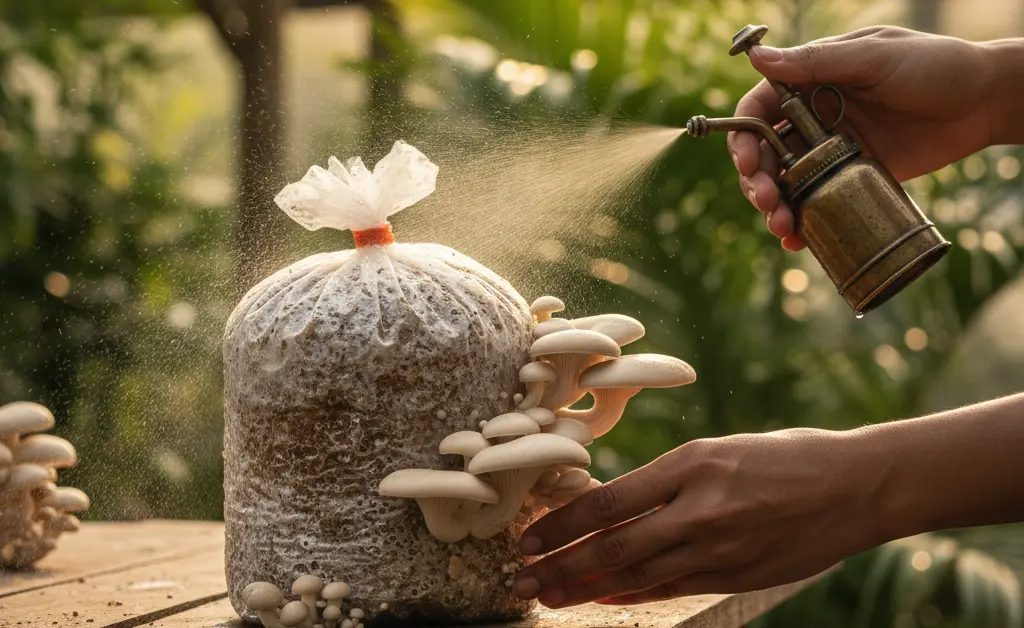
Goa presents an intriguing landscape for agricultural innovation and diversification. The region’s consistent warmth and humidity, combined with a burgeoning interest in sustainable food sources, create fertile ground for new farming enterprises. This comprehensive guide explores the specific opportunities and challenges inherent in mushroom cultivation in Goa. We will detail the fundamental steps, from selecting appropriate mushroom varieties suited for the local climate to mastering substrate preparation, inoculation techniques, and crucial environmental controls. Furthermore, we will address effective pest management strategies and best practices for harvesting and post-harvest handling. The aim is to empower aspiring growers and established farmers with the knowledge necessary to achieve success in this economically promising and environmentally conscious agricultural sector.
Introduction to Mushroom Cultivation in Goa
Mushroom cultivation in Goa offers a promising avenue for agricultural diversification and economic growth. The state’s unique climate, characterized by warmth and high humidity, provides a natural advantage for certain types of fungi, making it an ideal location for this specialized form of farming. Beyond the climate, a growing consumer demand for fresh, locally sourced produce, coupled with an increasing awareness of the health benefits of mushrooms, further bolsters the potential for successful mushroom farming. This section lays the groundwork by introducing foundational concepts crucial for embarking on mushroom cultivation endeavors. Exploring broader trends reveals significant potential for mushroom cultivation in India as well.
Choosing the Right Mushroom Varieties
Selecting appropriate mushroom varieties is paramount for successful cultivation, especially in a specific regional climate like Goa’s. Certain types of mushrooms thrive in warmer, humid conditions, making them well-suited for the local environment. Oyster mushrooms (Pleurotus species), for instance, are often recommended for beginners due to their adaptability and relatively fast growth cycle. Other varieties, such as certain types of Ganoderma or Shiitake, may also be explored for their economic value, provided their specific environmental needs can be met. Consideration should also be given to local market demand, as varieties popular in local cuisine or for their perceived medicinal properties can command better prices and ensure a steady market for growers.
Substrate Preparation and Sterilization
The substrate serves as the nutrient base for mushroom growth. Its proper preparation is a critical step in mushroom cultivation. Common substrate materials in agricultural regions often include agricultural waste products like paddy straw, sawdust, sugarcane bagasse, or coffee pulp. These materials must be processed to ensure they are free from contaminants that could compete with or harm the developing mycelium. Sterilization or pasteurization methods, such as hot water treatment or steam, are employed to eliminate undesirable microorganisms while retaining beneficial ones that assist in nutrient breakdown. The goal is to create an environment where the mushroom mycelium can colonize the substrate efficiently without competition from other fungi or bacteria.
Spawn and Inoculation Techniques
Spawn is essentially the “seed” for mushroom cultivation, consisting of mycelium growing on a grain-based carrier. The quality of the spawn directly impacts the success of the crop, making it crucial to source it from reputable suppliers. Inoculation is the process of introducing this spawn into the prepared and sterilized substrate. Various techniques exist, such as layering the spawn with substrate, mixing it thoroughly, or creating holes in substrate bags and inserting spawn. Maintaining aseptic conditions during inoculation is vital to prevent contamination. This typically involves working in a clean environment, using sterilized tools, and minimizing exposure to airborne contaminants, ensuring the mycelium has the best chance to colonize the substrate effectively.
Key Factors for Mushroom Cultivation Success in Goa
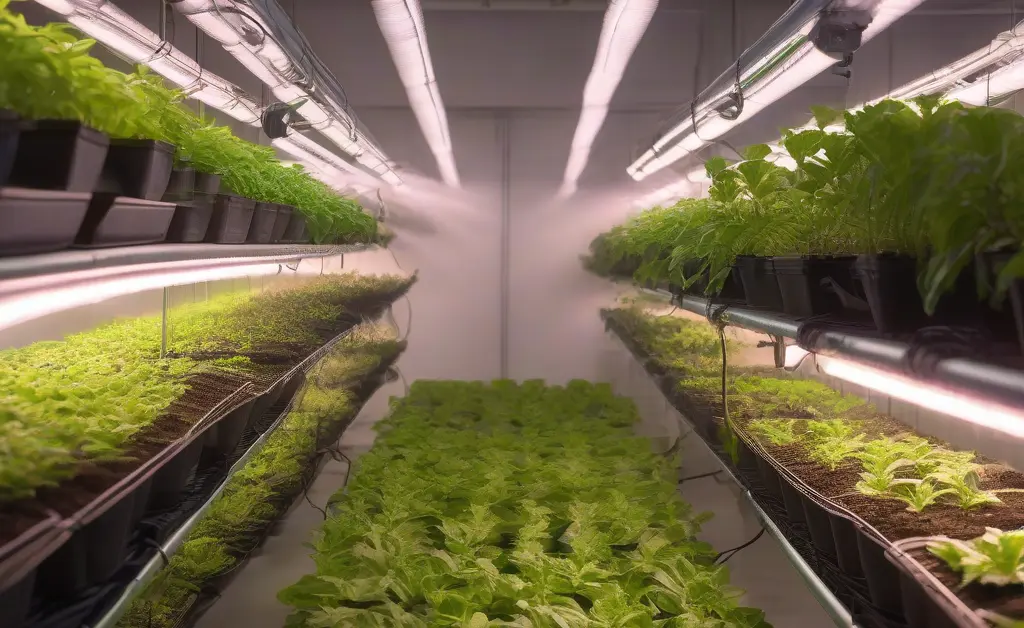
Achieving consistent success in mushroom cultivation in Goa hinges on understanding and meticulously managing several critical environmental and operational factors. While the region offers inherent climatic advantages, optimizing these conditions is essential to maximize yield and quality. This section delves into the specific considerations necessary to create an ideal growing environment and maintain healthy crops, which are fundamental for profitable mushroom cultivation in Goa.
Climate and Environmental Considerations for Goa
Goa’s tropical monsoon climate, characterized by warm temperatures and high humidity for much of the year, naturally aligns with the growth requirements of many popular mushroom species. The extended monsoon season provides a period of elevated ambient humidity, which can reduce the need for artificial humidification. However, growers must also be mindful of extreme heat during certain months and potential fluctuations in humidity. Leveraging natural ventilation and understanding the microclimates within a farm can significantly aid in creating optimal growing conditions. Adapting cultivation schedules to align with the most favorable climatic periods can enhance productivity and reduce operational costs.
Environmental Control (Temperature, Humidity, Ventilation)
While Goa’s climate can be beneficial, precise environmental control is often necessary for optimal mushroom production. Temperature, humidity, and ventilation are the three pillars of a successful mushroom growing environment. Each mushroom variety has an ideal temperature range for mycelial growth and fruiting. Humidity levels must be kept consistently high, especially during the fruiting phase, to prevent the mushrooms from drying out. Ventilation is equally crucial for regulating CO2 levels, which can accumulate rapidly in enclosed spaces due to fungal respiration. Adequate airflow also helps prevent the buildup of airborne contaminants and maintains a fresh environment. Growers often utilize simple structures like sheds with proper shading and misting systems, or more advanced climate-controlled chambers, to maintain these delicate balances. Insights from regions like mushroom cultivation Virginia can offer diverse perspectives on climate management strategies.
Pest and Disease Management
Pests and diseases pose significant threats to mushroom cultivation and can lead to substantial crop losses if not managed effectively. Common pests include various types of mites and flies, which can damage the mycelium or the developing mushrooms. Diseases often manifest as molds (like green mold or cobweb mold) or bacterial blotch, typically caused by inadequate sterilization, poor hygiene, or improper environmental conditions. The most effective approach to pest and disease management is preventative, focusing on strict sanitation protocols, proper substrate preparation, and maintaining optimal growing conditions. Organic pest control methods, such as insect nets and biological controls, are preferred to avoid chemical residues. Early detection and isolation of affected areas are crucial to prevent widespread contamination.
Harvesting and Post-Harvest Handling
The timing and technique of harvesting significantly impact the quality and shelf life of mushrooms. Mushrooms should be harvested at their peak maturity, which varies by species but generally occurs before the caps fully flatten or spores are released. Gentle handling is essential to avoid bruising, which can accelerate spoilage. After harvesting, proper post-harvest handling is critical to preserve freshness. This typically involves immediate cooling, as mushrooms continue to respire and can deteriorate quickly at ambient temperatures. Storage in breathable containers that allow for some air circulation while maintaining humidity is important. Understanding the specific storage requirements for each mushroom type can extend shelf life, reduce waste, and ensure a high-quality product reaches the consumer. Regional markets, such as those seeing growth in mushroom cultivation Kolkata, also highlight the importance of efficient distribution.
The Future of Mushroom Cultivation in Goa
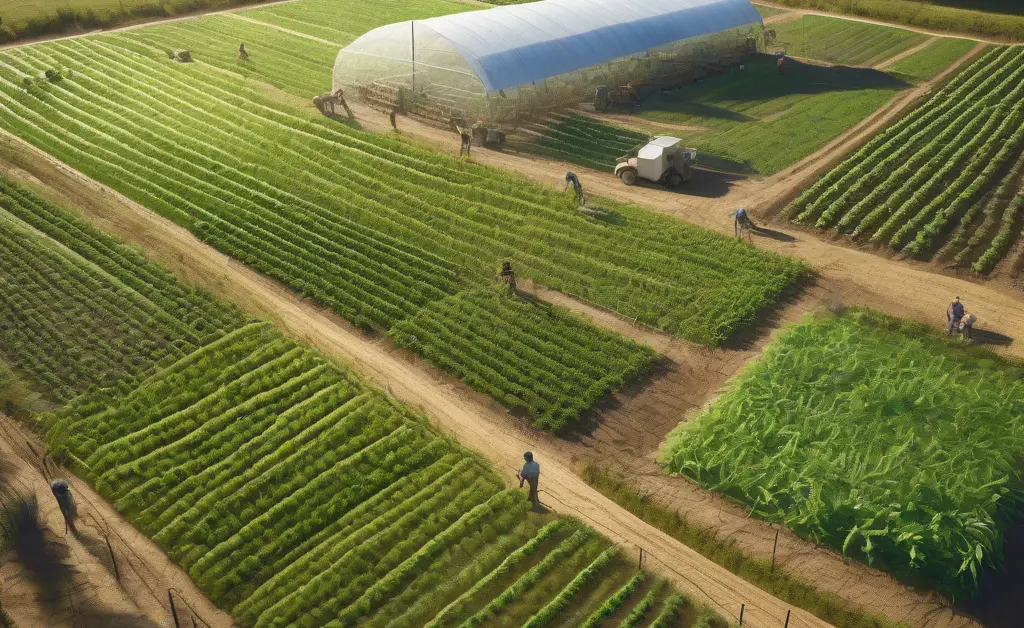
The trajectory for mushroom cultivation in Goa points towards significant growth, driven by an increasing awareness of its economic and ecological benefits. As agricultural landscapes evolve, mushroom farming offers a sustainable alternative and a valuable income stream for local farmers. Future developments are likely to focus on integrating advanced techniques, fostering community-led initiatives, and expanding market access. The continuous exploration of efficient and environmentally conscious methods will be key to establishing a robust and resilient sector for mushroom cultivation in Goa. Similar agricultural developments are also gaining traction, such as mushroom cultivation in West Bengal, contributing to the nation’s agricultural diversification.
Sustainable Practices and Organic Cultivation
Embracing sustainable practices and organic cultivation methods is integral to the long-term viability and appeal of mushroom cultivation in Goa. Mushrooms are inherently sustainable, as they can convert agricultural waste products into nutritious food, thereby reducing waste and promoting a circular economy. Organic certification can open up niche markets and cater to health-conscious consumers, potentially leading to higher profit margins. Practices such as minimizing water usage, utilizing renewable energy for climate control, and avoiding synthetic pesticides and fertilizers are cornerstones of sustainable mushroom farming. Furthermore, the byproducts of mushroom cultivation can be repurposed as rich compost, enhancing soil fertility for other crops, thus creating a holistic and environmentally friendly agricultural system. For guidance on food safety and public health, cultivators can refer to information provided by the CDC.
Mushroom cultivation in Goa represents a vibrant and expanding sector with substantial potential for economic development and agricultural innovation. By understanding the unique local climate, carefully managing environmental factors, and adopting sustainable practices, growers can tap into a growing market for fresh, healthy, and locally produced food. This endeavor not only offers a pathway to self-reliance for farmers but also contributes to the region’s overall sustainability and agricultural diversification, promising a fertile future for this specialized form of farming.
This information should be viewed as educational rather than medical advice. The content provided is for general knowledge and informational purposes only, and does not constitute a recommendation or endorsement of any specific practices, products, or services. Individual results may vary, and it is always advisable to consult with relevant experts or authorities for specific guidance. We do not assume any responsibility for any actions taken based on the information presented.
FAQ
What are the best mushrooms to grow in Goa?
Oyster mushrooms are frequently cultivated in Goa due to their adaptability and rapid growth cycle. Other popular options include button mushrooms and milky mushrooms, which also thrive in the region’s tropical conditions.
What is the climate suitable for mushroom cultivation in Goa?
Goa’s climate offers a warm and humid environment that is generally conducive to mushroom growth. The optimal temperature range for many mushroom species falls between 20-30°C, with high humidity levels crucial for fruiting.
How to start a mushroom farming business in Goa?
To begin a mushroom farming business in Goa, one must first understand the specific needs of the chosen mushroom species, such as substrate preparation and environmental controls. This often involves training, securing a suitable growing space, and developing a plan for marketing and sales.
Are there government subsidies for mushroom cultivation in Goa?
Government schemes and subsidies may be available to support agricultural ventures, including mushroom cultivation in Goa. It is advisable to consult with local agricultural departments or relevant government bodies for the most current information on financial assistance programs.