
The State of Mushroom Cultivation in Himachal Pradesh
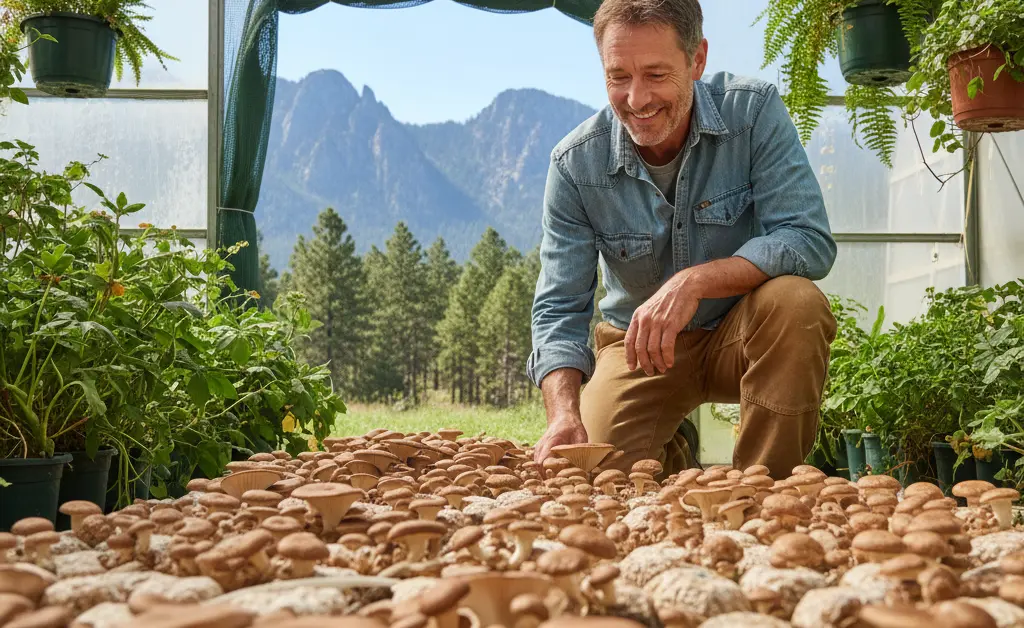
Have you ever considered how the unique agro-climatic conditions of Himachal Pradesh could foster a thriving industry beyond its traditional produce? Indeed, the region’s diverse environment offers an ideal landscape for specialized agricultural practices. This exploration delves into the burgeoning sector of mushroom cultivation Himachal Pradesh, examining its economic impact, the support systems available for farmers, and the specific varieties that flourish here. From governmental subsidies to training programs and best practices, this article provides a comprehensive guide for understanding and engaging with this promising agricultural venture, highlighting both opportunities and challenges for current and prospective cultivators.
Overview of Mushroom Cultivation in Himachal Pradesh
Introduction to Himachal Pradesh as a Mushroom Hub
Himachal Pradesh, with its varied altitudes, distinct seasons, and abundant natural resources, provides an exceptionally conducive environment for mushroom farming. The state’s cool and humid climate, particularly in its mid and high-hill regions, is highly suitable for cultivating a diverse range of edible mushrooms. This natural advantage, coupled with growing consumer demand for fresh and nutritious produce, has positioned Himachal Pradesh as a significant hub for mushroom cultivation in India. The sector offers a viable alternative livelihood for many farmers, reducing their reliance on traditional crops and contributing to agricultural diversification.
Historical Context of Mushroom Farming
The journey of mushroom farming in Himachal Pradesh began several decades ago, often with small-scale initiatives and research efforts. Early pioneers recognized the potential of the local climate, leading to the establishment of research facilities aimed at developing suitable cultivation techniques. Over time, traditional methods evolved with scientific advancements, allowing for more controlled and efficient production. This historical progression has laid a strong foundation for the modern mushroom industry, enabling it to scale up and adopt advanced technologies, thereby bolstering the overall capacity for mushroom cultivation Himachal Pradesh.
Economic Importance of Mushroom Cultivation
Mushroom cultivation has emerged as a significant contributor to the rural economy of Himachal Pradesh. It provides a stable source of income for many small and marginal farmers, often requiring less land compared to traditional agriculture, making it an attractive option for those with limited resources. The relatively short cultivation cycle of mushrooms allows for quick returns on investment. Furthermore, the industry generates employment opportunities, from substrate preparation and spawning to harvesting, packaging, and marketing, benefiting both skilled and unskilled labor within the state.
Mushroom Cultivation Himachal Pradesh Cost
Cost Breakdown for Mushroom Cultivation
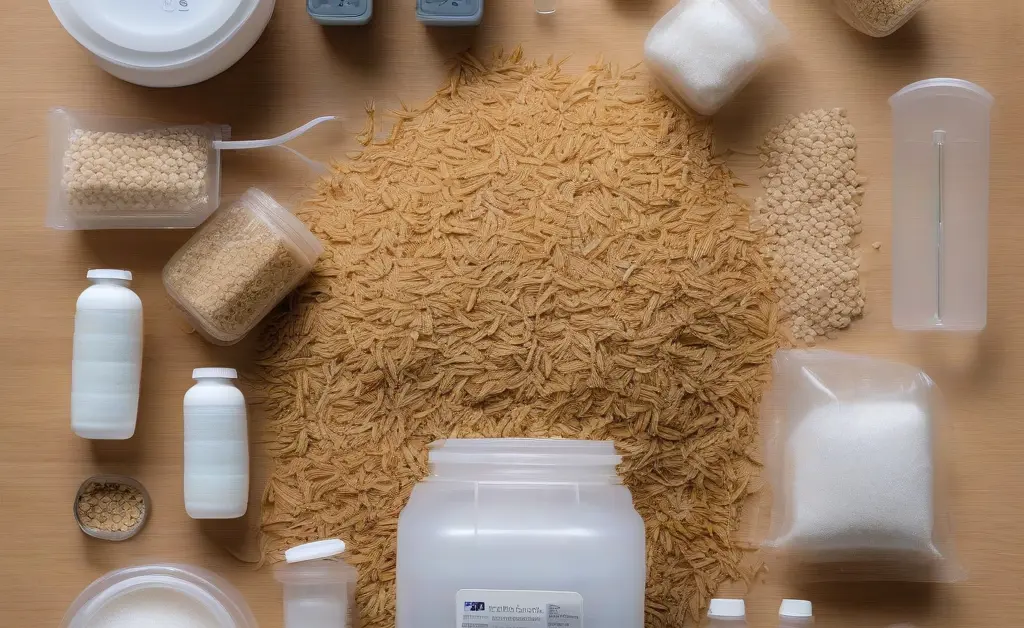
Understanding the financial aspects is crucial for anyone considering mushroom cultivation Himachal Pradesh. The initial investment and operational costs can vary significantly based on the scale of operation, chosen mushroom variety, and the level of technology adopted. Key cost components typically include the construction or modification of cultivation sheds, acquisition of raw materials like substrate (e.g., wheat straw, paddy straw, sawdust), purchase of quality spawn, and essential equipment such as humidifiers, thermometers, and ventilation systems. Labor costs, electricity, water, and marketing expenses also contribute to the overall expenditure. Proper financial planning and an accurate cost breakdown are vital for ensuring the profitability and sustainability of a mushroom farming venture in the region.
Mushroom Training in Himachal Pradesh

Free Mushroom Cultivation Himachal Pradesh Information
For aspiring and existing farmers, access to reliable information and training is paramount. Various government bodies and agricultural universities in Himachal Pradesh offer free resources and guidance on mushroom cultivation. These resources often include brochures, technical bulletins, and online materials that cover fundamental aspects like suitable varieties, substrate preparation, environmental control, and pest management. Such readily available information helps demystify the process and encourages more individuals to venture into this promising agricultural sector, fostering sustainable mushroom cultivation Himachal Pradesh practices.
Solan Mushroom Training PDF Free Download
Solan, often referred to as the “Mushroom City of India” due to the presence of the ICAR-Directorate of Mushroom Research, is a primary source for training materials. Many institutes in Solan provide comprehensive PDF guides on mushroom cultivation techniques. These downloadable resources often detail step-by-step procedures, from basic substrate preparation to advanced disease management. They are designed to be user-friendly and serve as valuable practical handbooks for farmers, students, and enthusiasts, making technical knowledge widely accessible.
Mushroom Farming Training by Government Solan
The government, through its agricultural departments and research institutions located in Solan, regularly conducts structured training programs specifically for mushroom farming. These programs often combine theoretical knowledge with practical demonstrations, covering all stages of cultivation. Participants learn about different mushroom species, substrate preparation, spawning, casing, environmental management, harvesting, and post-harvest handling. The training aims to equip farmers with the necessary skills and knowledge to establish and manage successful mushroom units, promoting sustainable agricultural practices and enhancing rural livelihoods.
Mushroom Farming Subsidy in Himachal Pradesh
State Government Schemes and Subsidies
To encourage and support mushroom farming, the Himachal Pradesh state government, along with central government schemes, offers various subsidies and financial assistance programs. These subsidies are often designed to reduce the initial capital investment for farmers, covering aspects like the construction of cultivation units, purchase of essential equipment, and sometimes even the cost of spawn and raw materials. Farmers can access these benefits through agricultural departments or horticulture boards. The availability of such support significantly lowers the entry barrier for new farmers and helps existing ones expand their operations, thereby boosting the overall growth of the mushroom sector in the state.
Key Mushroom Varieties Cultivated in Himachal Pradesh

Button Mushrooms
Button mushrooms (Agaricus bisporus) are arguably the most popular and widely cultivated variety in Himachal Pradesh. Their consistent demand in both domestic and international markets makes them a commercially attractive option. These mushrooms thrive in controlled environments with specific temperature and humidity ranges, which are manageable in the cooler climes of Himachal Pradesh. Farmers often find button mushrooms to be a reliable crop due to established cultivation practices and a steady market.
Oyster Mushrooms
Oyster mushrooms (Pleurotus species) are another favored variety, known for their relatively easier cultivation and adaptability to varying conditions. They can be grown on a wide range of agricultural wastes, making them a cost-effective choice for many farmers. Several species of oyster mushrooms are cultivated in Himachal Pradesh, offering diverse flavors and textures, and they are particularly popular in local markets for their culinary versatility and nutritional value.
Shiitake Mushrooms
Shiitake mushrooms (Lentinula edodes) are gaining popularity in Himachal Pradesh, especially among farmers looking for high-value crops. Known for their distinct umami flavor and potential health-promoting properties, Shiitake cultivation requires more specialized techniques, often involving wood logs or sawdust blocks. While the initial investment and technical know-how might be higher, the premium market price for Shiitake often justifies the effort, contributing to the state’s diverse mushroom production.
Other Edible Varieties
Beyond the primary three, farmers in Himachal Pradesh also explore other edible mushroom varieties based on local demand and suitable growing conditions. These can include milky mushrooms, paddy straw mushrooms, and even some wild edible species that are being brought into cultivation. Research institutions continuously explore and introduce new varieties that can thrive in the region’s agro-climatic zones, further diversifying the mushroom basket of Himachal Pradesh.
Government Initiatives and Support for Mushroom Farmers
Role of ICAR-Directorate of Mushroom Research
The ICAR-Directorate of Mushroom Research (DMR) located in Solan, Himachal Pradesh, plays a pivotal role in advancing mushroom cultivation in the region and across India. As a premier research institution, DMR is dedicated to developing improved cultivation technologies, identifying new high-yielding varieties, and conducting extensive research on pest and disease management. The Directorate also serves as a crucial resource for technical guidance and knowledge dissemination, directly impacting the scientific growth and sustainability of the mushroom sector. For information on food safety regulations, consult the FDA.
Training and Extension Services
Government agencies and agricultural universities in Himachal Pradesh provide extensive training and extension services to mushroom farmers. These services include organizing workshops, seminars, and field demonstrations that cover modern cultivation techniques, disease prevention, and post-harvest management. Extension workers act as a bridge between research institutions and farmers, translating scientific knowledge into practical, farm-level applications. This continuous support helps farmers adopt best practices, improve yields, and address challenges effectively, strengthening the overall framework for mushroom cultivation Himachal Pradesh.
Best Practices for Mushroom Cultivation in Himachal Pradesh
Composting and Substrate Preparation
Effective composting and substrate preparation are foundational to successful mushroom cultivation. For varieties like button mushrooms, a well-balanced compost is essential, providing the necessary nutrients. For oyster and shiitake mushrooms, various lignocellulosic materials such as straw, sawdust, or agricultural residues are prepared and sterilized to create a suitable substrate. Proper aeration, moisture content, and pasteurization or sterilization techniques are critical to prevent contamination and ensure optimal mycelial growth.
Spawn Production and Inoculation
High-quality spawn is key to a productive mushroom crop. Spawn, which is essentially mushroom mycelium grown on a grain medium, must be produced under sterile conditions to avoid contamination. The process of inoculation involves evenly mixing the spawn with the prepared substrate. This step requires precision and hygiene to ensure that the mycelium colonizes the substrate effectively, leading to healthy mushroom development.
Environmental Control (Temperature, Humidity, Ventilation)
Mushrooms are highly sensitive to environmental conditions. Maintaining precise temperature, humidity, and ventilation levels is crucial throughout their growth cycle. Different mushroom varieties have specific requirements; for instance, button mushrooms prefer cooler temperatures during fruiting, while oyster mushrooms can tolerate a wider range. Adequate ventilation ensures a fresh air supply and prevents the build-up of carbon dioxide, which can inhibit growth. Humidity control is vital for proper cap development and to prevent drying of the mushrooms.
Pest and Disease Management
Mushroom farms can be susceptible to various pests (e.g., mites, flies) and diseases (e.g., molds, bacteria). Implementing a comprehensive integrated pest and disease management strategy is essential. This includes strict hygiene practices, proper sterilization of substrate and equipment, regular monitoring, and, if necessary, the judicious use of approved biological or chemical controls. Early detection and prompt action can prevent widespread contamination and significant crop losses.
Harvesting and Post-Harvest Handling
Timely harvesting at the correct stage of maturity is important for maximizing yield and quality. Mushrooms should be picked carefully to avoid damage, which can lead to spoilage. Post-harvest handling involves sorting, cleaning, packaging, and proper storage. Maintaining the cold chain is critical to extend shelf life and preserve freshness. Efficient post-harvest practices ensure that mushrooms reach consumers in optimal condition, retaining their flavor, texture, and nutritional value.
Challenges and Opportunities in Himachal Pradesh’s Mushroom Sector
Climate and Environmental Factors
While Himachal Pradesh’s climate is generally favorable, it also presents challenges. Fluctuations in temperature, humidity, and the occurrence of extreme weather events can impact cultivation, especially for outdoor or semi-controlled setups. The reliance on seasonal conditions for certain varieties necessitates advanced climate control technologies for year-round production. However, the diverse microclimates within the state also offer opportunities to cultivate a wider range of specialty mushrooms that thrive in specific environmental niches. There is also extensive information on mushroom cultivation in India.
Market Access and Supply Chain
Market access remains a significant challenge for many small and medium-scale mushroom farmers. Issues such as inadequate transportation infrastructure, lack of proper cold storage facilities, and fragmented supply chains can hinder farmers from reaching larger markets and getting fair prices for their produce. Opportunities exist in developing stronger farmer cooperatives, investing in modern logistics, and establishing direct links with urban consumers and processing units to streamline the supply chain. Other regions like Odisha also face similar market access challenges.
Technological Adoption
The adoption of advanced cultivation technologies, while beneficial, can be a hurdle due to high initial costs and a lack of technical expertise among some farmers. Modern climate control systems, automated substrate preparation, and advanced packaging machinery can significantly improve efficiency and yield. Encouraging the adoption of such technologies can boost productivity and the overall competitiveness of the mushroom sector. Exploring advancements in mushroom cultivation in Jammu could provide further insights.
Potential for Organic Mushroom Farming
There is a growing global demand for organic produce, and Himachal Pradesh has significant potential to capitalize on this trend in mushroom farming. Organic mushroom cultivation involves using only natural and approved inputs, avoiding synthetic pesticides and fertilizers. Given the state’s natural environment and the increasing awareness among consumers about health and sustainability, promoting organic certification and developing organic supply chains could open up lucrative niche markets for Himachali mushroom growers. The practices for organic mushroom cultivation in Goa might offer transferable lessons.
Resources for Mushroom Cultivators in Himachal Pradesh
Contact Information for Relevant Departments
For farmers interested in or currently involved in mushroom cultivation, accessing the right support is crucial. Key resources include the Department of Horticulture, the Department of Agriculture, and various Krishi Vigyan Kendras (KVKs) spread across Himachal Pradesh. These departments can provide information on subsidies, training programs, technical assistance, and market linkages. Contacting their local offices or visiting their official websites can provide valuable guidance and support.
Links to Research Papers and Publications
Staying updated with the latest research and best practices is vital for improving cultivation techniques and yields. The ICAR-Directorate of Mushroom Research (DMR) in Solan is an excellent source for scientific papers, technical bulletins, and practical guides. Their publications often cover new varieties, disease management strategies, and innovative cultivation methods. Farmers and researchers can access these resources through the DMR website or by contacting the institution directly.
Farmer Testimonials and Success Stories
Hearing from fellow farmers who have successfully ventured into mushroom cultivation can be highly motivating and insightful. Many agricultural departments and local farming communities compile and share testimonials and success stories from Himachali farmers. These narratives often highlight practical challenges overcome, innovative solutions adopted, and the economic benefits realized, providing inspiration and practical lessons for new and experienced cultivators alike.
The landscape of mushroom cultivation in Himachal Pradesh is dynamic and holds immense promise for sustainable agricultural development. With its natural advantages, coupled with robust governmental and institutional support, the sector is poised for continued growth. Addressing existing challenges through strategic interventions and embracing technological advancements will further solidify Himachal Pradesh’s position as a leading mushroom-producing state, benefiting both farmers and the broader economy.
The information in this article is intended for knowledge purposes only. It is not a substitute for professional agricultural advice or consultation. Readers should always consult with qualified agricultural experts or relevant government departments for specific guidance tailored to their local conditions and individual needs. Always verify information with official sources before making any decisions related to cultivation practices or financial investments.
FAQ
What are the best mushrooms to grow in Himachal Pradesh?
Himachal Pradesh’s diverse climate allows for the successful cultivation of several mushroom varieties. Button mushrooms (Agaricus bisporus) are widely popular due to their demand and the state’s conducive environmental conditions, particularly in cooler areas. Oyster mushrooms (Pleurotus species) and Shiitake (Lentinula edodes) also thrive in various parts of the state, offering growers options for diversification.
What government schemes are available for mushroom cultivation in Himachal Pradesh?
The government of Himachal Pradesh, often in conjunction with central schemes, offers various initiatives to promote agricultural diversification, including mushroom cultivation. These programs frequently provide financial assistance, technical guidance, and training opportunities to support farmers in establishing and expanding their mushroom units. The objective of such schemes is to enhance farmer income and contribute to the local economy.
What is the Directorate of Mushroom Research in Solan?
The Directorate of Mushroom Research (DMR), situated in Solan, Himachal Pradesh, is a leading national institution dedicated to advanced research and development in mushroom science. Its core activities encompass genetic improvement, development of improved cultivation technologies, and management of pests and diseases affecting mushrooms. The DMR also plays a vital role in knowledge dissemination and capacity building for mushroom growers and entrepreneurs across India.
What are the basic requirements for mushroom farming in Himachal Pradesh?
Successful mushroom cultivation in Himachal Pradesh relies on managing specific environmental parameters, including controlled temperature, appropriate humidity levels, and adequate ventilation. A sterile growing environment, access to quality mushroom spawn, and a suitable substrate like composted agricultural waste are also fundamental. Maintaining strict hygiene throughout the process is critical to prevent contamination and ensure a healthy crop.
How can I start mushroom cultivation as a business in Himachal Pradesh?
To begin mushroom cultivation as a business in Himachal Pradesh, acquiring thorough knowledge and practical training in various cultivation methods is a strong starting point. Developing a comprehensive business plan, which includes market analysis, financial projections, and infrastructure planning, is essential for guiding your venture. Connecting with local agricultural departments or research institutes can provide invaluable support and insights for new entrepreneurs.
What is the subsidy available for mushroom farming in Himachal Pradesh?
Subsidies for mushroom farming in Himachal Pradesh are generally available through agricultural and horticultural development schemes offered by both state and central governments. These financial incentives aim to alleviate the initial capital investment for farmers and encourage the widespread adoption of mushroom cultivation practices. For the most up-to-date information on current schemes and eligibility criteria, individuals are encouraged to contact the state’s agriculture department or relevant district offices.