
A Guide to Mushroom Cultivation in Jharkhand
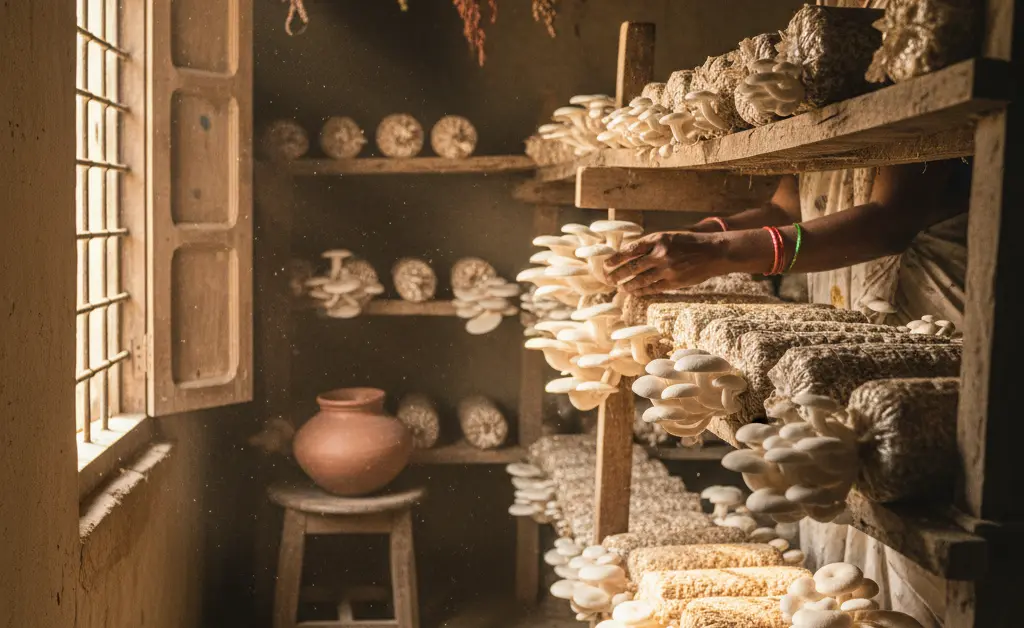
Picture a bustling household in a quaint Jharkhand village, the air thick with the promise of a hearty, nutritious meal. For generations, accessing fresh, diverse ingredients could be a challenge, often limited by seasonality and availability. Yet, a quiet revolution is taking root, transforming local kitchens and livelihoods alike. This shift isn’t just about food on the table; it’s about empowering communities, fostering self-reliance, and bringing sustainable practices closer to home. Amidst this promising agricultural evolution, the burgeoning field of mushroom cultivation in Jharkhand is emerging as a beacon of opportunity. It offers residents a path to not only enhance their culinary experiences but also unlock significant economic potential, turning humble beginnings into thriving enterprises.
Why Mushroom Cultivation in Jharkhand?
Jharkhand presents a unique set of conditions that make it highly suitable for mushroom farming. The state’s climatic diversity, combined with its rich agricultural resources, provides an ideal environment for various mushroom species. Beyond environmental factors, the growing awareness of the nutritional benefits of mushrooms among local communities has led to increased demand and consumption. Engaging in mushroom cultivation in India can offer multiple advantages, including a reliable source of income and improved dietary diversity.
About – A Path to Preservation and Prosperity in Jharkhand
Mushroom farming goes beyond merely growing food; it represents a sustainable agricultural practice that can contribute to both ecological preservation and economic prosperity. By utilizing agricultural waste as substrate, mushroom cultivation promotes recycling and reduces environmental impact. For the people of Jharkhand, it offers a tangible path towards self-reliance. It equips farmers with valuable skills, creates employment opportunities, especially for women and youth, and can significantly boost household incomes. The simplicity of initial setup and relatively quick harvest cycles make it an attractive venture for small-scale farmers and entrepreneurs looking for a rapid return on investment.
Types of Mushrooms Suitable for Cultivation in Jharkhand
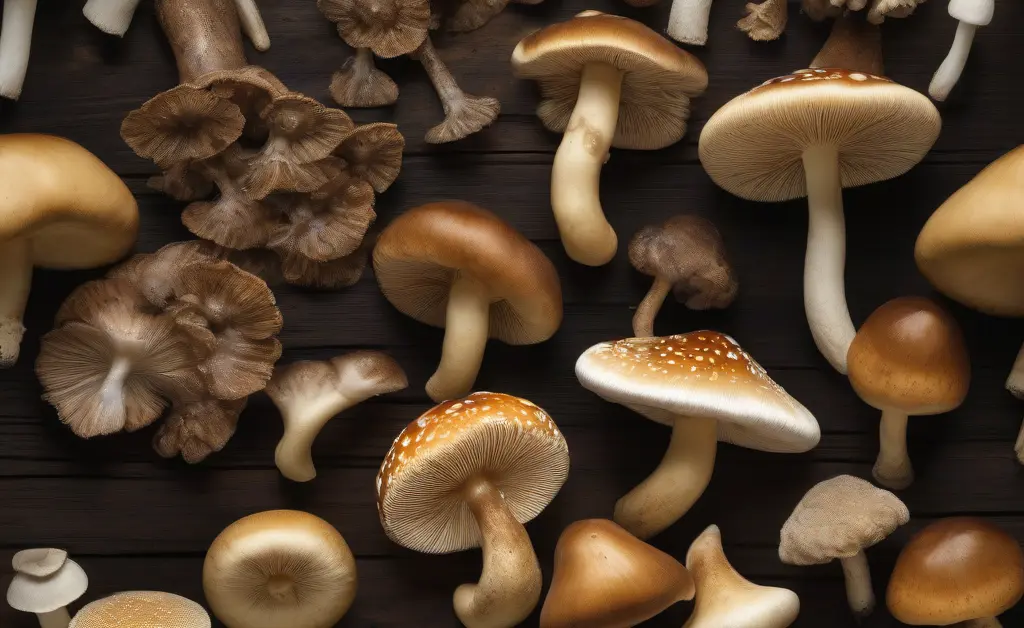
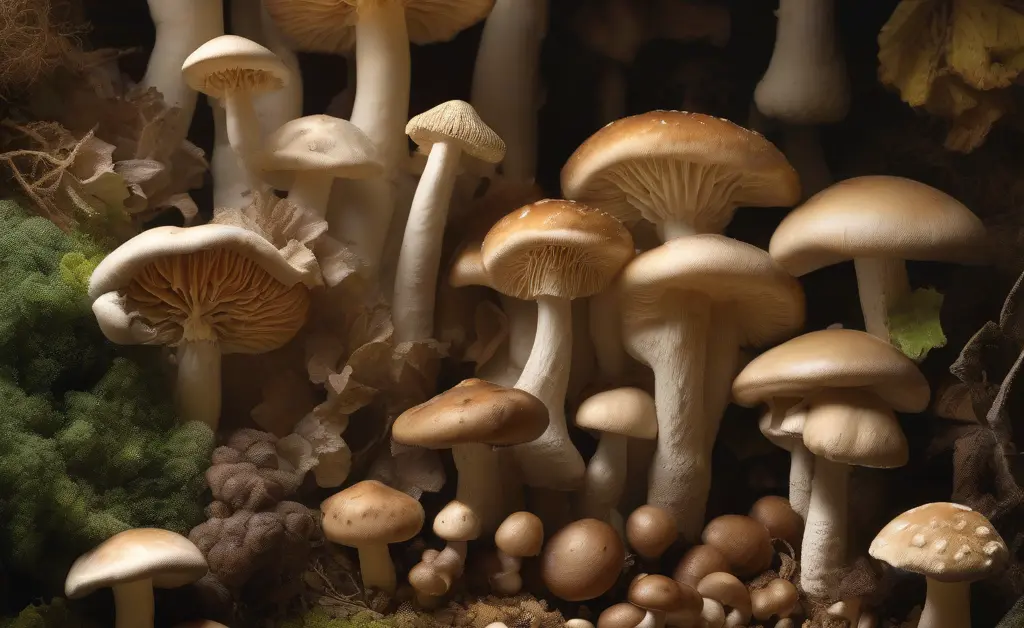
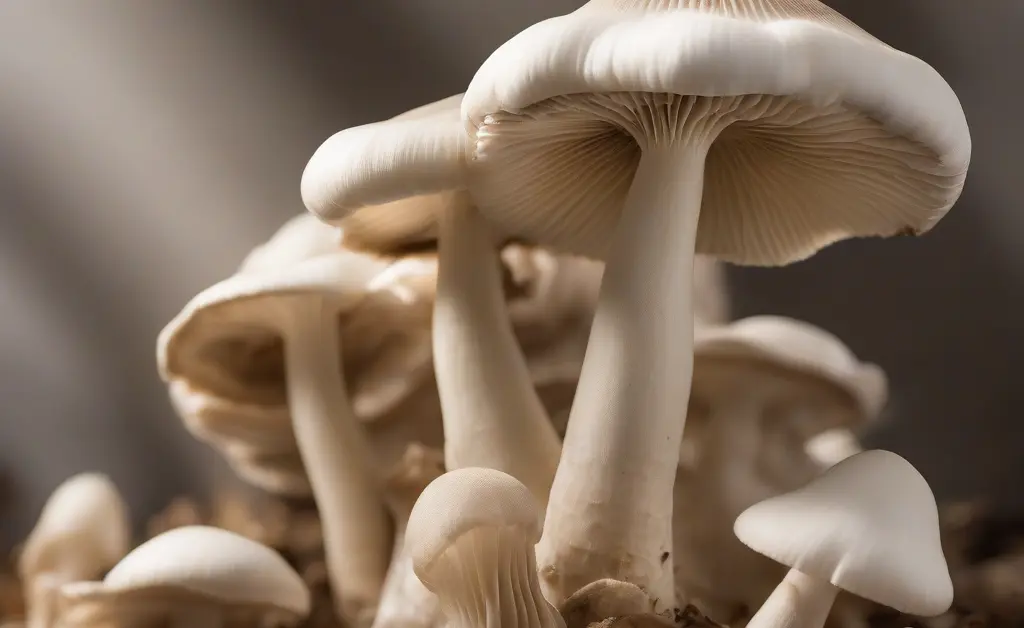
Several types of mushrooms thrive in the climatic conditions prevalent in Jharkhand, making them excellent choices for local cultivators. Selecting the right species is crucial for successful yields and market acceptance.
- Oyster Mushroom: Highly adaptable and relatively easy to cultivate, oyster mushrooms are popular due to their rapid growth, broad substrate compatibility, and appealing taste. They are well-suited for beginners and offer good market value.
- Button Mushroom: While requiring more controlled environmental conditions compared to oyster mushrooms, button mushrooms are globally popular and have a consistent demand. Cultivating them can be more challenging but potentially more rewarding due to their widespread culinary use.
- Paddy Straw Mushroom: Known for its quick growth cycle and ability to thrive in warmer temperatures, the paddy straw mushroom is another viable option, especially in regions of Jharkhand that experience higher humidity and warmth. It can utilize readily available agricultural waste like paddy straw as a substrate.
Essential Requirements for Mushroom Cultivation
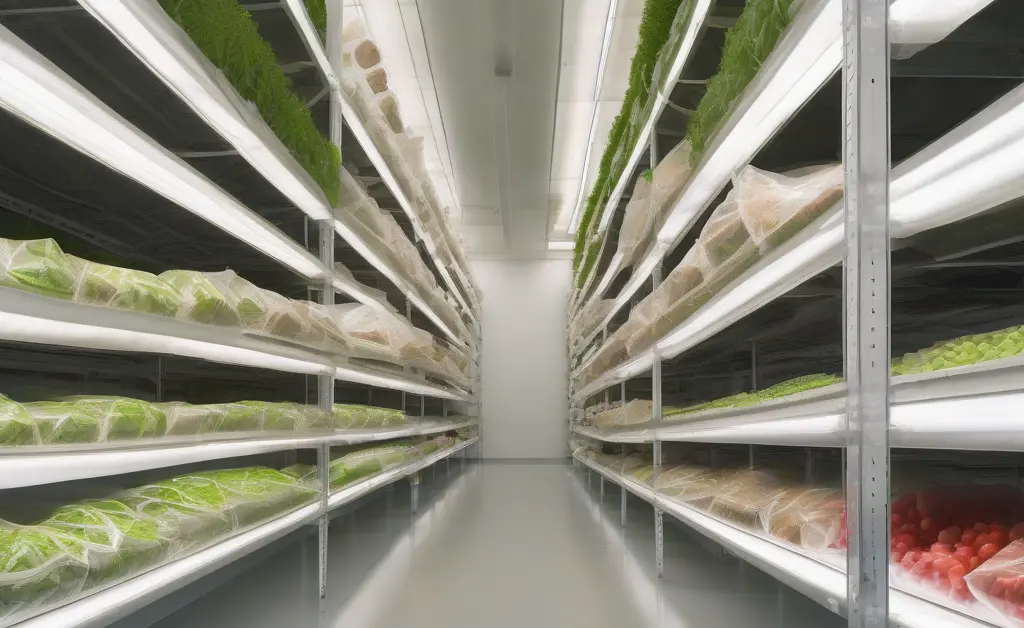

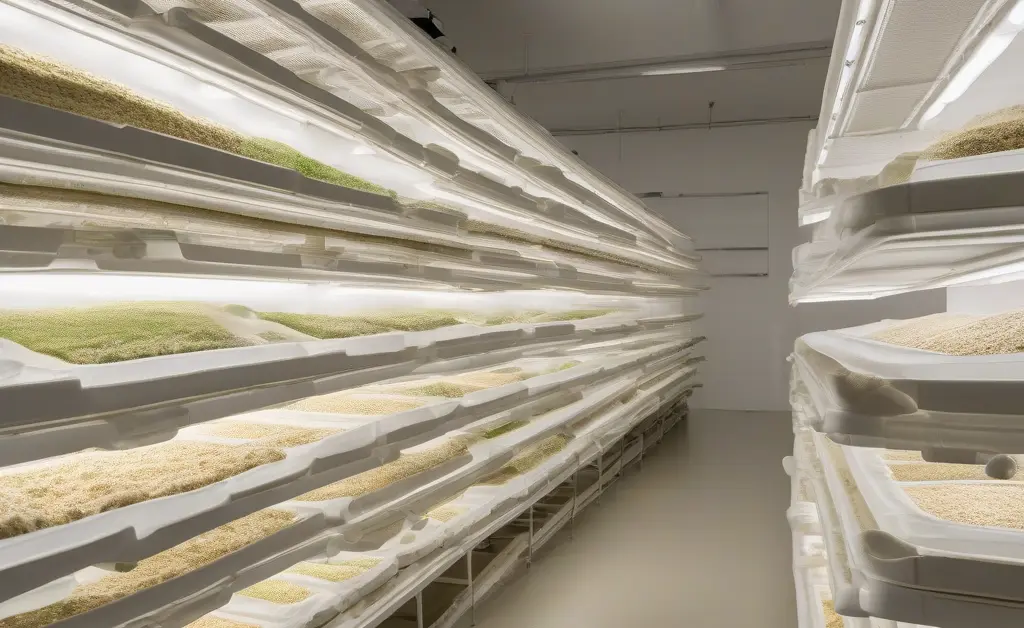
Successful mushroom cultivation hinges on providing the right environment and materials. Careful planning and preparation are key to establishing a productive mushroom farm.
- Cultivation Space (Indoor/Outdoor): The choice of space depends on the mushroom type and scale. Indoor cultivation allows for better environmental control, while outdoor methods may be more cost-effective for certain species. A clean, well-ventilated area with controlled temperature and humidity is essential.
- Substrate Materials: Mushrooms grow on various organic materials. Common substrates include agricultural waste like paddy straw, wheat straw, sawdust, corn cobs, and even cotton waste. The substrate provides the necessary nutrients for mushroom growth.
- Spawn (Mushroom Seeds): Spawn is the fungal mycelium (the vegetative part of the mushroom) grown on a grain base. High-quality, disease-free spawn from a reputable source is critical for a good harvest.
- Tools and Equipment: Basic tools include sterilization equipment (like pressure cookers or boilers), weighing scales, spraying cans, packaging materials, and general hygiene items. For larger operations, specialized machinery for substrate preparation might be required.
Steps for Mushroom Cultivation
The process of growing mushrooms involves several distinct stages, each requiring attention to detail to ensure a healthy yield.
- Substrate Preparation: This involves cleaning, chopping, and then sterilizing or pasteurizing the chosen substrate material to eliminate competing microorganisms. This step is vital for preventing contamination.
- Spawning Process: Once the substrate has cooled to the appropriate temperature, mushroom spawn is mixed into it. This process is typically performed in a sterile environment to minimize contamination risks.
- Incubation Phase: After spawning, the inoculated substrate is kept in a dark, humid environment. During this phase, the mycelium grows and colonizes the entire substrate, forming a white, cotton-like mass.
- Fruiting Management: Once colonization is complete, conditions are altered to induce fruiting. This often involves introducing light, fresh air, and lowering the temperature slightly, along with maintaining high humidity. Small pinheads (baby mushrooms) will begin to appear.
- Harvesting: Mushrooms are ready for harvest when they reach a desirable size and before their caps fully open or gills begin to darken. They are typically picked by hand, twisting gently at the base. Multiple flushes (harvests) can often be obtained from a single substrate block.
Challenges and Solutions in Jharkhand


While mushroom cultivation offers significant potential, cultivators in Jharkhand may face several challenges. Addressing these proactively can lead to greater success.
- Pest and Disease Management: Mushrooms are susceptible to various pests like insects and mites, and diseases caused by bacteria, fungi, or viruses. Implementing strict hygiene practices, proper sanitation, and ensuring adequate ventilation can help prevent most issues. Early detection and isolation of affected beds are crucial. For more detailed information on fungal diseases, one might consult resources from the National Library of Medicine.
- Market Access and Marketing: Farmers might struggle with reaching wider markets or getting fair prices for their produce. Establishing direct links with local restaurants, hotels, and retail stores, or forming farmer cooperatives, can improve market access and collective bargaining power. Utilizing local government initiatives for market linkages can also be beneficial for mushroom cultivation in Jharkhand.
- Technical Know-how and Training: Many aspiring farmers may lack the scientific understanding and practical skills required for successful mushroom farming. Access to proper training programs and continuous guidance from agricultural experts can bridge this knowledge gap.
Need help and guidance in mushroom cultivation
For those new to mushroom cultivation, seeking expert advice is invaluable. Agricultural universities, state horticulture departments, and non-governmental organizations often provide training workshops and technical support. These resources can help navigate initial setup, troubleshoot issues, and optimize growing conditions, fostering successful mushroom cultivation in Jharkhand.
Government Support and Schemes for Mushroom Cultivation in Jharkhand
The government of Jharkhand, along with central initiatives, actively promotes mushroom cultivation as a means of rural development and economic upliftment. Various schemes and subsidies are available to encourage farmers to take up this venture.
- Central Government Initiatives: Schemes from the Ministry of Agriculture and Farmers Welfare often include provisions for horticulture development, which can encompass mushroom farming. These might offer financial assistance, training, or support for infrastructure development.
State Government Policies for Jharkhand
The Jharkhand state government recognizes the potential of mushroom cultivation for empowering local communities. Policies are often designed to provide subsidies on spawn, compost, and equipment. Training programs are regularly conducted, and efforts are made to create market linkages for the produce. Specific state horticultural missions and livelihood promotion schemes may include dedicated components for mushroom farming, offering a significant boost to new and existing cultivators.
Mushroom cultivation in jharkhand cost
The initial investment for starting mushroom cultivation in Jharkhand can vary significantly depending on the scale and type of operation. For small-scale, backyard cultivation using readily available agricultural waste, the costs can be relatively low, primarily involving spawn and basic sterilization materials. Larger commercial setups, especially those aiming for year-round production of demanding varieties like button mushrooms, will require more substantial investment in controlled environment facilities, machinery for substrate preparation, and greater quantities of spawn. However, various government subsidies and schemes aim to reduce this financial burden, making mushroom cultivation in Jharkhand more accessible for aspiring farmers.
Mushroom training in Ranchi
Ranchi, as the capital city and a major agricultural hub in Jharkhand, often serves as a focal point for agricultural training and development. Institutions such as Birsa Agricultural University and various state government agricultural departments frequently organize workshops and long-term training programs specifically focused on mushroom cultivation. These programs typically cover essential aspects from substrate preparation and spawning techniques to pest management, harvesting, and marketing. Participating in such training in Ranchi can provide aspiring mushroom farmers with the critical knowledge and practical skills needed for a successful venture, fostering a strong foundation for future growth.
Mushroom Cultivation – A way towards self-reliance
For many communities in Jharkhand, engaging in mushroom cultivation represents more than just a farming activity; it is a significant step towards economic independence and self-reliance. This enterprise allows individuals and families to generate their own income, often utilizing local resources and minimal land. It provides a consistent revenue stream, especially when integrated with other agricultural practices, helping to stabilize household finances. The relatively short cultivation cycle means quicker returns, enabling farmers to reinvest and expand their operations. By empowering individuals with sustainable livelihood options, mushroom cultivation in Jharkhand contributes significantly to the overall economic development and social well-being of the region.
Jharkhand State Watershed Mission – Mushroom Cultivation
The Jharkhand State Watershed Mission (JSWM) plays a crucial role in promoting sustainable agricultural practices across the state, and mushroom cultivation often features as a key component in its livelihood enhancement programs. By focusing on integrated watershed development, JSWM aims to improve the natural resource base and provide alternative income opportunities for rural populations. Under this mission, initiatives related to mushroom cultivation can include providing training, distributing quality spawn, and establishing demonstration units to showcase best practices. These efforts align with the broader goals of poverty reduction, food security, and environmental sustainability in Jharkhand.
The Future of Mushroom Farming in Jharkhand
The outlook for mushroom farming in Jharkhand appears promising. With increasing consumer demand for nutritious and fresh produce, coupled with continuous support from government agencies and research institutions, the sector is poised for substantial growth. Innovations in cultivation techniques, better access to high-quality spawn, and improved post-harvest management will further strengthen the industry. As more farmers adopt these practices, mushroom farming is likely to become an even more significant contributor to the state’s agricultural economy, creating sustainable livelihoods and enhancing food security for its people. The success seen in other regions, such as mushroom cultivation Goa, highlights the potential for regional adaptation and growth.
Exploring different cultivation environments is also key. For instance, understanding mushroom cultivation in Kashmir can offer insights into adapting techniques to varied climatic conditions. Similarly, looking at urban farming approaches like mushroom cultivation Bangalore can provide lessons in market integration and efficient resource utilization.
Mushroom cultivation in Jharkhand stands as a testament to sustainable agriculture’s power to transform lives and landscapes. By embracing this practice, communities can cultivate not only a valuable crop but also a future of economic stability, improved nutrition, and self-reliance. The path ahead is ripe with opportunity, promising a significant boost to the state’s agricultural sector and the well-being of its people.
The purpose of this content is to educate, not to diagnose or treat. This information is intended for general knowledge and informational purposes only, and does not constitute medical advice. Always consult with a qualified healthcare professional or an agricultural expert for personalized advice regarding health conditions or cultivation practices. Reliance on any information provided in this article is solely at your own risk.
FAQ
Which mushroom is easiest to grow in Jharkhand?
Oyster mushrooms, such as Pleurotus ostreatus, are often considered among the easiest to cultivate, especially for beginners. They are adaptable to a range of substrates and can thrive in the climate conditions often found in Jharkhand, making them a suitable choice for initial projects. Their relatively short growth cycle also contributes to their accessibility for new growers.
What are the advantages of mushroom cultivation for farmers in Jharkhand?
Mushroom cultivation in Jharkhand offers farmers several distinct benefits, including economic diversification and improved income generation. These crops require minimal land area and can utilize agricultural waste products as substrate, thereby converting waste into a valuable food source. Furthermore, mushrooms provide a nutritious food option, contributing to local food security and offering a healthy addition to diets.
What kind of support is available for mushroom farmers in Jharkhand?
Agricultural departments and various governmental initiatives often provide training programs focused on mushroom cultivation techniques. Farmers can access information on substrate preparation, spawning, and environmental control through these resources. Additionally, there are sometimes schemes offering financial assistance or subsidies to encourage agricultural diversification and enterprise development in the region.