
The Complete Guide to Mushroom Cultivation in Kashmir
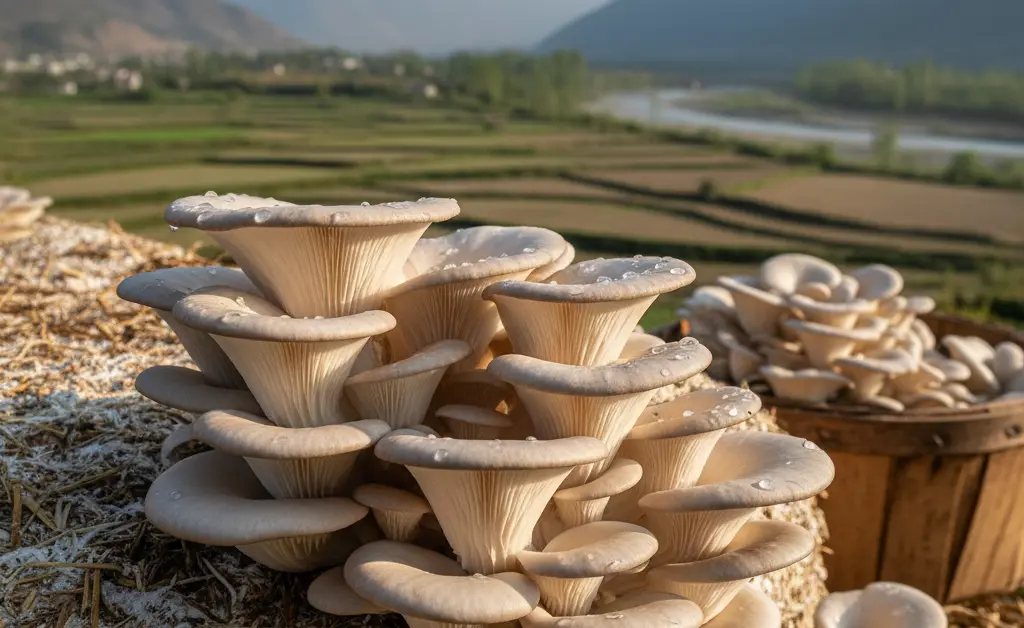
Just as tending a familiar vegetable garden requires understanding specific soil types and climatic patterns, successful mushroom cultivation in Kashmir similarly depends on a nuanced appreciation of local environmental conditions and diligent management practices. This comprehensive guide aims to demystify the process, offering a detailed exploration into the practicalities and significant potential of growing various mushroom species within the region’s unique geographical and climatic context. From selecting the most suitable varieties and preparing optimal substrates to overcoming common cultivation challenges, we will explore how local farmers and enthusiasts can effectively harness Kashmir’s natural environment to produce high-quality, sustainable mushrooms. The growing interest in diversified agriculture and the increasing demand for gourmet fungi make this a particularly timely and relevant endeavor, promising both economic prosperity and ecological advantages for the region.
Mushroom Cultivation in Kashmir: An Overview
Kashmir offers a conducive environment for developing a thriving mushroom industry. The region’s diverse agro-climatic zones present unique opportunities for cultivating a range of mushroom species, from common culinary types to more exotic gourmet varieties. Engaging in mushroom cultivation in Kashmir can contribute significantly to agricultural diversification, providing new income streams for farmers and promoting sustainable land use practices. The increasing awareness of mushrooms’ nutritional and health benefits further fuels their demand, making this a promising sector for growth and innovation within the region’s agricultural landscape.
Kashmir Mushroom Farming: Lion’s Mane, Shiitake, Oyster
Several gourmet mushroom species hold significant promise for farming in Kashmir. Lion’s Mane, known for its unique appearance and potential health benefits, commands a high market price and can be cultivated indoors. Shiitake mushrooms, popular in Asian cuisine, require specific wood-based substrates and controlled environments, which are achievable in Kashmir. Oyster mushrooms, highly adaptable and relatively easy to grow, are an excellent choice for beginners and offer quick returns, making them a staple in Kashmir mushroom farming endeavors.
Breakthrough in Kashmir: Wild Mushroom Cultivation
Kashmir is rich in natural forests that host various wild mushroom species. Research into identifying, domesticating, and sustainably cultivating these indigenous varieties represents a significant breakthrough. This could lead to the development of unique, region-specific mushroom products, tapping into the natural biodiversity of the Kashmir Valley. Efforts are underway to understand the ecological requirements of these wild species to ensure their sustainable harvest and potential for commercial cultivation.
Understanding the Kashmir Climate for Mushroom Cultivation
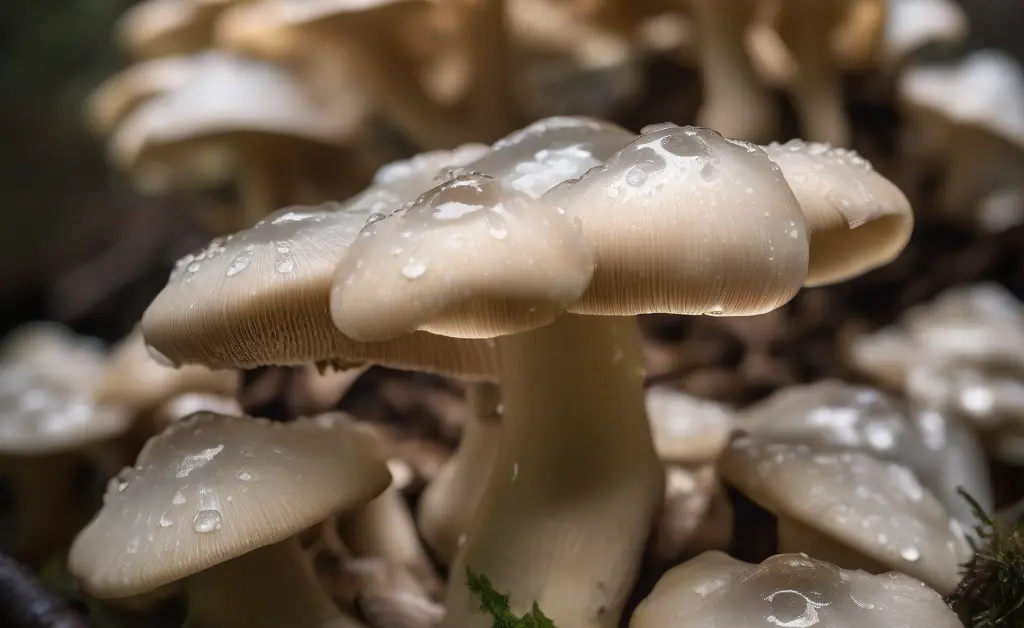
The unique climate of Kashmir, characterized by distinct seasons, plays a pivotal role in shaping the possibilities for mushroom cultivation in Kashmir. The temperate conditions, with cold winters and mild summers, create varying environmental parameters that must be carefully managed. Understanding the temperature requirements for different mushroom types is crucial, as each species thrives within a specific range. Effective humidity control in Kashmir’s environment is also paramount, as most mushrooms require high moisture levels to fruit successfully. Seasonal considerations for cultivation dictate when certain species can be grown naturally outdoors or when indoor climate control systems become essential. Adapting cultivation practices to these climatic nuances is key to achieving consistent yields and high-quality produce.
Common Mushroom Varieties Suitable for Kashmir
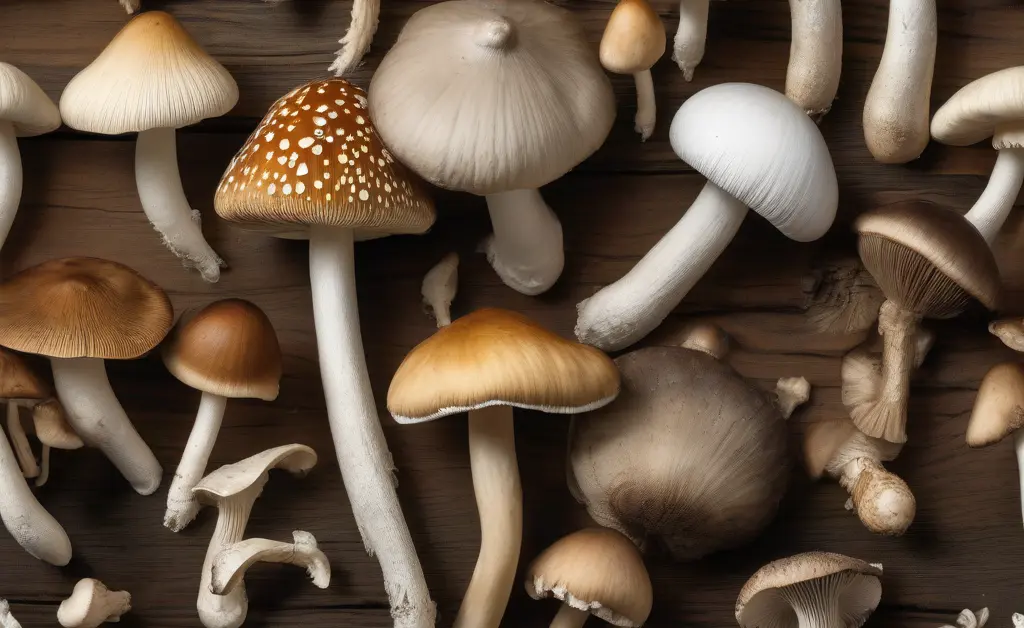
Given Kashmir’s varied climate, several mushroom varieties can be successfully cultivated, catering to different market demands and cultivation complexities.
Oyster Mushrooms (Pleurotus spp.)
Oyster mushrooms are celebrated for their ease of cultivation and rapid growth cycle, making them an excellent choice for new farmers. They are highly adaptable to various substrates, including agricultural waste like straw, and tolerate a broader range of temperatures and humidity compared to other gourmet species. Their versatility and quick turnaround make them a popular and profitable option for Kashmiri growers. For more on mushroom cultivation in India, consider this resource: mushroom cultivation in india.
Button Mushrooms (Agaricus bisporus)
Button mushrooms are the most widely consumed mushroom globally and can be grown effectively in Kashmir, particularly in controlled indoor environments. They require specific composted substrates and cooler, stable temperatures for optimal growth. While their cultivation demands more technical expertise and environmental management, the consistent market demand makes them a lucrative choice for established mushroom farms.
Shiitake Mushrooms (Lentinula edodes)
Shiitake mushrooms are prized for their rich, umami flavor and medicinal properties. Traditionally grown on hardwood logs, they can also be cultivated on sawdust blocks, offering flexibility in sourcing substrates. While their growth cycle is longer than oyster mushrooms, their high market value and robust demand justify the investment. Kashmir’s forested areas may provide suitable conditions for log cultivation, complementing indoor block methods. Mushroom cultivation in Kolkata also presents unique regional opportunities.
Step-by-Step Guide to Mushroom Cultivation in Kashmir
Successful mushroom cultivation in Kashmir involves a systematic approach, starting from preparation and extending through harvest. The initial stage focuses on substrate preparation and sterilization, where agricultural waste materials are cleaned and pasteurized or sterilized to eliminate contaminants. This creates a clean, nutrient-rich environment for the mushroom mycelium. Following this, inoculation and spawning techniques are employed, where mushroom spawn (the ‘seeds’ of mushrooms) is introduced to the prepared substrate. This is a critical step, requiring aseptic conditions to prevent contamination.
After spawning, the substrate is incubated to allow the mycelium to fully colonize. Once colonization is complete, the blocks are moved to fruiting conditions and management, where specific temperature, humidity, and fresh air exchange parameters are maintained to stimulate mushroom development. Finally, harvesting and post-harvest handling involve carefully picking the mature mushrooms and preparing them for market, which may include sorting, packaging, and potentially processing for value-added products. Each step demands attention to detail to ensure a successful yield. Similar to cultivation in Bangalore, careful environmental control is essential.
Essential Equipment and Resources for Kashmiri Mushroom Farmers

Establishing a mushroom farm in Kashmir requires access to specific equipment and resources to ensure efficient and productive operations.
Mushroom Spawn Production for Entrepreneurs
For entrepreneurs, setting up a local mushroom spawn production unit can be a significant opportunity. This involves laboratories equipped for sterile grain media preparation, inoculation, and incubation of mother cultures and grain spawn. Producing spawn locally reduces reliance on external suppliers, ensures quality control, and can supply other emerging farms in the region, fostering a self-sufficient ecosystem.
Cultivation Shelters/Rooms
Controlled environments are crucial for successful mushroom growing. Cultivation shelters or rooms need to be designed to maintain consistent temperature, humidity, and ventilation. These can range from simple polyhouses to more sophisticated insulated structures, adapted to Kashmir’s climatic extremes. Proper insulation and sealing are vital to minimize energy costs for climate control.
Spawn and Substrate Suppliers
Reliable sourcing of quality spawn is paramount. Farmers need access to certified suppliers who can provide healthy, vigorous mycelium for various mushroom species. Equally important is the availability of suitable substrates, such as wheat straw, rice straw, sawdust, or cottonseed hulls. Local agricultural waste can often be repurposed, reducing costs and promoting sustainability.
Irrigation and Ventilation Systems
Maintaining optimal humidity is key to mushroom growth. Irrigation systems, such as misting nozzles or humidifiers, are necessary to keep the cultivation environment moist. Ventilation systems, including exhaust fans and air inlets, ensure a continuous supply of fresh air, removing spent air rich in CO2 and preventing the buildup of airborne contaminants. Both systems require careful calibration to prevent drying out or over-humidification, which can harm the crop. Mushroom cultivation in West Bengal highlights the importance of these systems.
Challenges and Solutions in Mushroom Cultivation in Kashmir
While the potential for mushroom cultivation in Kashmir is significant, growers may encounter several challenges that require strategic solutions.
Pest and Disease Management
Mushrooms are susceptible to various pests, such as fungal gnats and mites, and diseases caused by bacteria, viruses, or competing molds. Implementing strict hygiene protocols, using sterilized substrates, and regularly monitoring growing environments are crucial for prevention. Integrated pest management (IPM) strategies, including biological controls and environmental modifications, can minimize reliance on chemical treatments, ensuring a healthy and safe product. Research into mushroom health is an ongoing effort, with organizations like the NIH contributing valuable insights.
Access to Quality Spawn and Inputs
Ensuring a consistent supply of high-quality, disease-free spawn and suitable raw materials like straw or sawdust can be a hurdle. Solutions include developing local spawn production facilities that adhere to rigorous quality standards and establishing reliable supply chains with agricultural cooperatives for substrate sourcing. This reduces transport costs and ensures the freshness and suitability of inputs.
Climate Control and Energy Costs
Managing the temperature and humidity within cultivation rooms, especially during Kashmir’s cold winters and warm summers, can lead to high energy consumption. Innovative solutions include designing energy-efficient structures with passive heating/cooling techniques, utilizing renewable energy sources like solar power, and exploring mushroom varieties that are more tolerant to fluctuating conditions. Proper insulation and automation systems can optimize energy usage and maintain stable growing environments.
Market Opportunities for Kashmiri Mushrooms
The growing interest in health-conscious eating and diversified agricultural products creates significant market opportunities for mushrooms grown in Kashmir.
Local Market Demand
There is a robust and expanding local market for fresh and processed mushrooms within Kashmir. Increased tourism and a growing awareness of the nutritional value of fungi contribute to this demand. Local restaurants, hotels, and households are keen consumers, particularly of gourmet varieties. The profitability of mushroom cultivation in the Jammu region, for instance, highlights the potential for similar success across Kashmir, empowering local farmers, including initiatives where Kashmiri girls take up mushroom cultivation, leading to economic independence and community development.
Potential for Export
Beyond local consumption, Kashmiri mushrooms hold considerable potential for export to national and international markets. Gourmet and specialty mushrooms, with their unique flavors and textures, can fetch premium prices. Establishing quality control standards, ensuring consistent supply, and improving logistics infrastructure are key to tapping into these wider markets, positioning Kashmir as a producer of high-quality fungi.
Value-Added Products
To maximize profitability and extend shelf life, farmers can explore creating value-added mushroom products. This includes drying mushrooms for culinary use, grinding them into nutrient-rich powders for supplements, or incorporating them into ready-to-eat meals and snacks. Processing mushrooms not only reduces waste but also opens up new market segments, offering diverse products to consumers seeking healthy and convenient food options.
Mushroom cultivation in Kashmir represents a convergence of agricultural innovation, economic opportunity, and environmental sustainability. By leveraging the region’s unique climate and fostering local expertise, Kashmir can establish itself as a prominent hub for high-quality mushroom production. The journey from spore to market demands dedication and smart practices, yet the potential rewards—both financial and ecological—are substantial, promising a greener and more prosperous future for the Valley’s agricultural sector.
The information presented in this article is educational and not meant as professional medical counsel. While mushrooms are known for various nutritional properties, this content is for general knowledge and informational purposes only, and does not provide medical advice, diagnosis, or treatment recommendations. Always consult with a qualified healthcare professional or a registered dietitian for any health concerns or before making any dietary changes or starting any new supplement regimen.
FAQ
What is the best time to start mushroom cultivation in Kashmir?
The optimal time for starting mushroom cultivation in Kashmir generally aligns with the spring and autumn seasons, when temperatures are moderate and humidity levels are naturally higher. These periods provide ideal environmental conditions that support the growth cycles of many popular edible mushroom varieties. Avoiding extreme summer heat and harsh winter cold helps ensure a more successful initial phase and sustained development.
Which type of mushroom grows best in the Kashmir valley?
Oyster mushrooms (Pleurotus species) and Button mushrooms (Agaricus bisporus) are particularly well-suited for cultivation in the Kashmir valley due to their adaptability to the local climate and common growing mediums. Oyster mushrooms, for instance, thrive in a range of temperatures and can be grown on various agricultural waste products. Button mushrooms also perform well, especially with controlled indoor environments that can mimic their preferred cooler conditions.
What are the basic requirements for growing mushrooms in Kashmir?
Successful mushroom cultivation in Kashmir requires specific environmental controls, including a suitable substrate, appropriate temperature, high humidity, and adequate ventilation. Substrates like straw, sawdust, or compost provide the necessary nutrients for fungal growth. Maintaining consistent, moderate temperatures and high moisture levels is crucial for the mycelial run and subsequent fruiting.
How can I get good quality mushroom spawn in Kashmir?
Obtaining high-quality mushroom spawn is essential for successful cultivation, and it can typically be sourced from agricultural universities, government research centers, or specialized private suppliers within the region. These providers often maintain sterile laboratory conditions to produce vigorous, contamination-free spawn tailored to local growing conditions. It is important to verify the reputation and practices of the supplier to ensure the viability and purity of the spawn.