
A Guide to Mushroom Farming in West Bengal
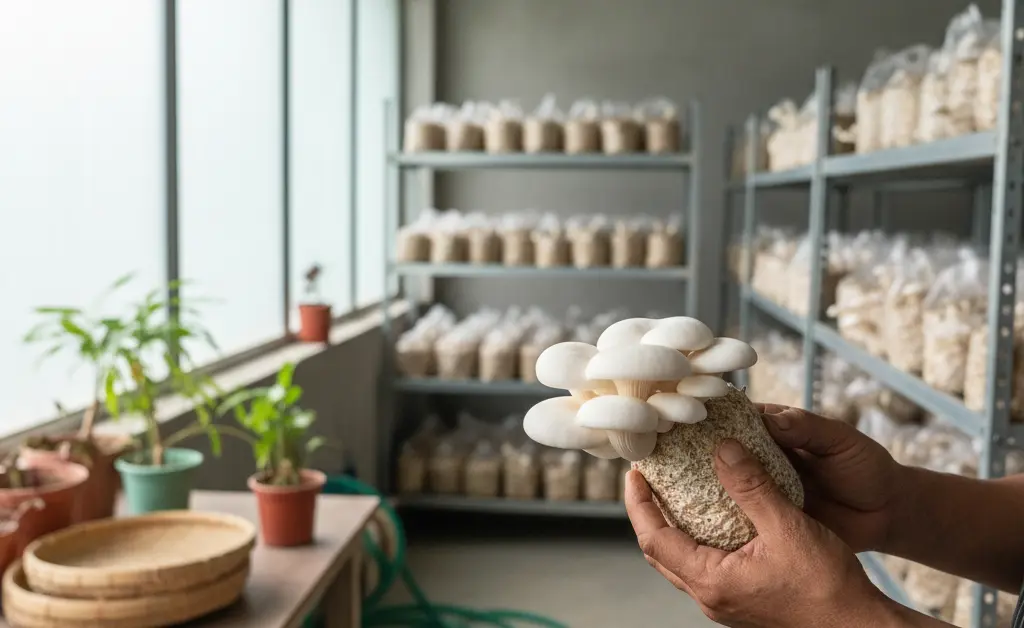
Strolling through a bustling local market in a West Bengal village, one might observe the wide array of fresh produce, yet increasingly, shoppers are looking for specialty items. For many local farmers, the traditional agricultural cycles can be unpredictable, prompting a search for stable, profitable alternatives. This is where mushroom cultivation in West Bengal presents a compelling opportunity. It offers a sustainable and relatively quick-yielding venture that can significantly boost rural livelihoods and meet the rising consumer demand for nutritious, locally-grown food. This guide delves into the specifics, helping aspiring cultivators understand the necessary techniques, market potential, and economic viability of this burgeoning industry.
Overview of Mushroom Cultivation in West Bengal
Mushroom cultivation in West Bengal involves a series of controlled steps designed to replicate the natural growing conditions of fungi. This agricultural practice offers a promising avenue for farmers looking to diversify their income streams and utilize limited land resources efficiently. The process generally begins with obtaining high-quality mushroom spawn and preparing a suitable substrate, followed by careful environmental management throughout the growth cycle. Understanding each stage is crucial for successful yields and consistent production, contributing to a more robust local food system. This entire process is also relevant for mushroom cultivation in India.
Mushroom Spawn
Mushroom spawn serves as the “seed” for mushroom cultivation, consisting of a substrate colonized by mushroom mycelium. High-quality spawn is fundamental to a successful harvest, as it dictates the vigor and productivity of the mushroom crop. In West Bengal, cultivators can source spawn from various agricultural universities, research institutes, or commercial suppliers. Ensuring the spawn is fresh, contamination-free, and of a reputable strain appropriate for local conditions is a key initial step in the cultivation process.
Substrate Preparation
The substrate is the material on which mushrooms grow, providing the necessary nutrients. Common substrates used in West Bengal include paddy straw, wheat straw, sawdust, and various agricultural wastes, which are often readily available and cost-effective. Proper substrate preparation involves several steps, including chopping, soaking, and pasteurization or sterilization. These processes are critical to eliminate competing microorganisms and create an ideal, nutrient-rich environment for the mushroom mycelium to colonize effectively.
Spawning and Inoculation
Spawning, also known as inoculation, is the process of introducing the mushroom spawn to the prepared substrate. This is a critical stage where the mycelium begins to grow and spread throughout the substrate. There are various spawning methods, such as layer spawning or mixing, depending on the type of mushroom and substrate used. Maintaining aseptic conditions during spawning is paramount to prevent contamination, which can lead to crop failure. After inoculation, the substrate is incubated under specific environmental conditions to allow for full colonization.
Types of Mushrooms Suitable for Cultivation in West Bengal
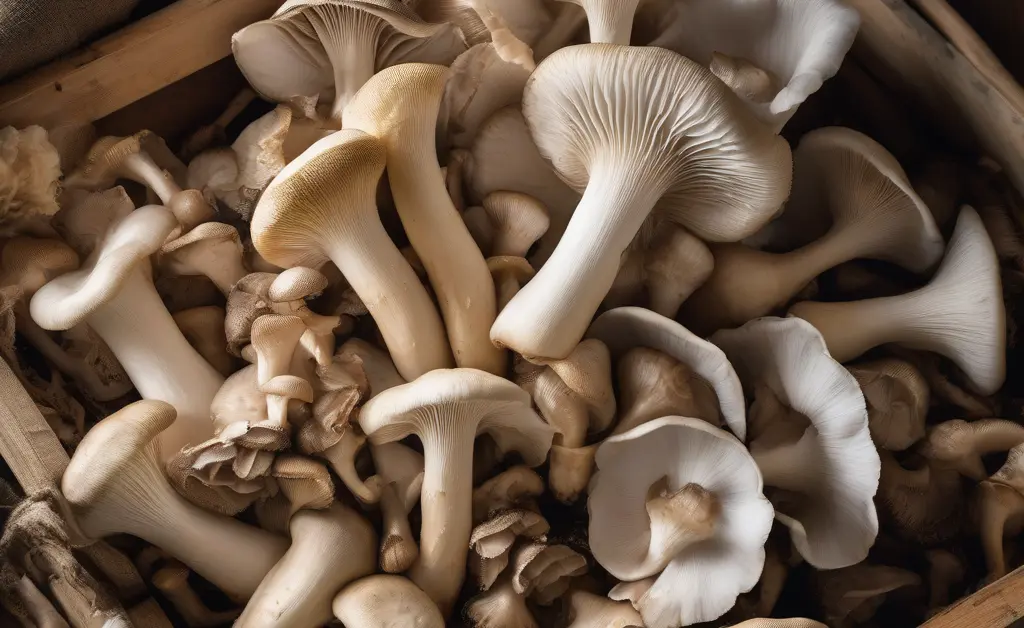
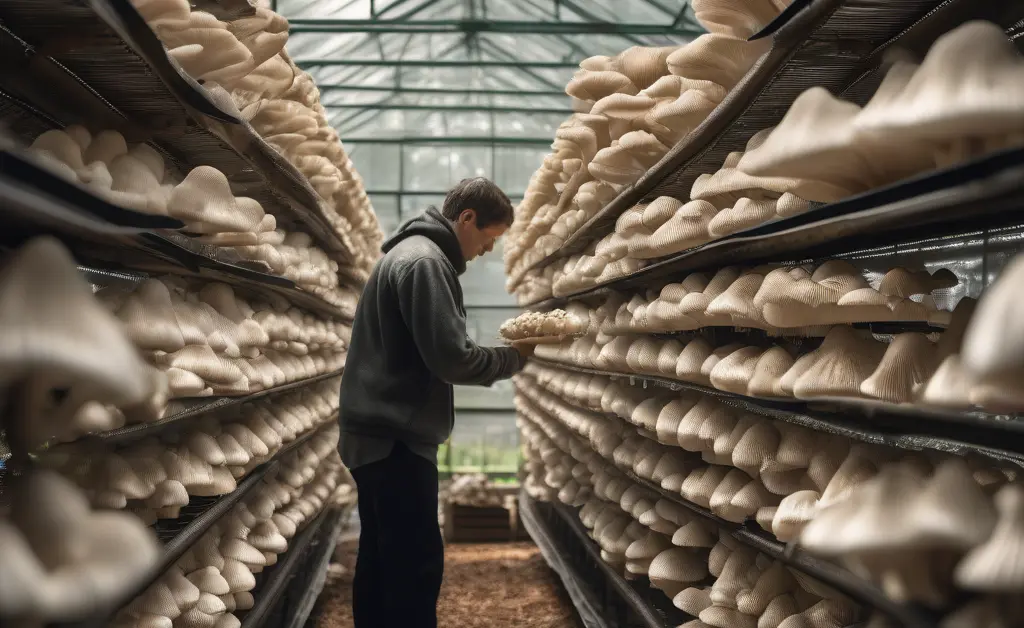
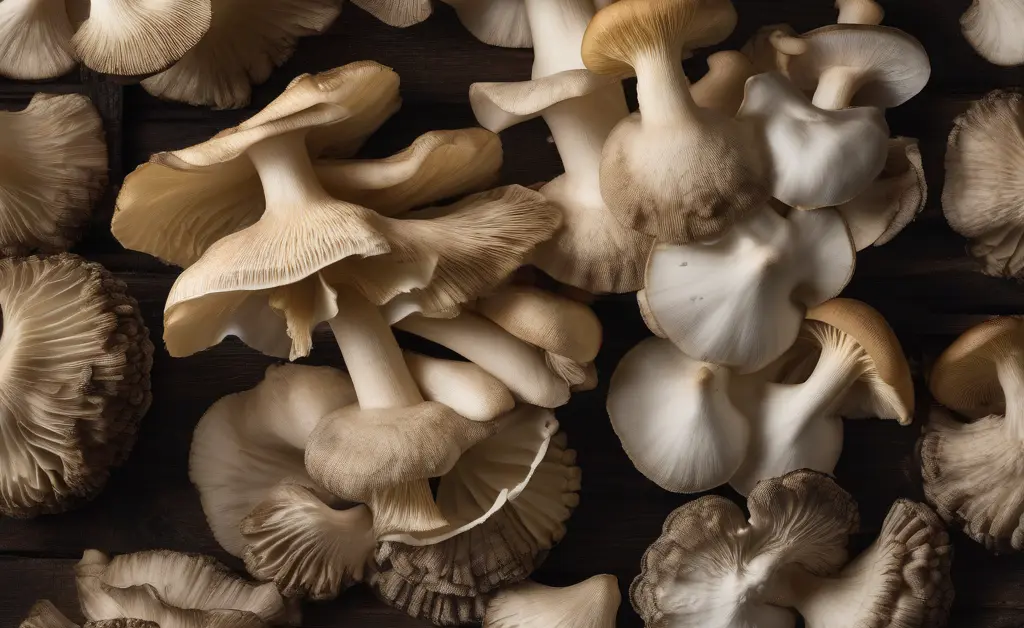
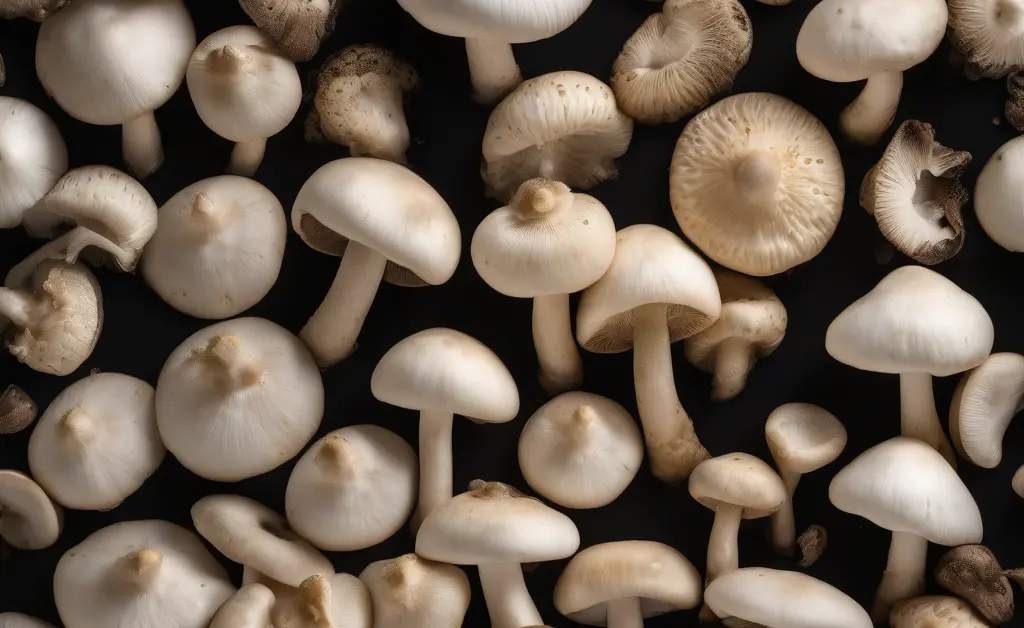

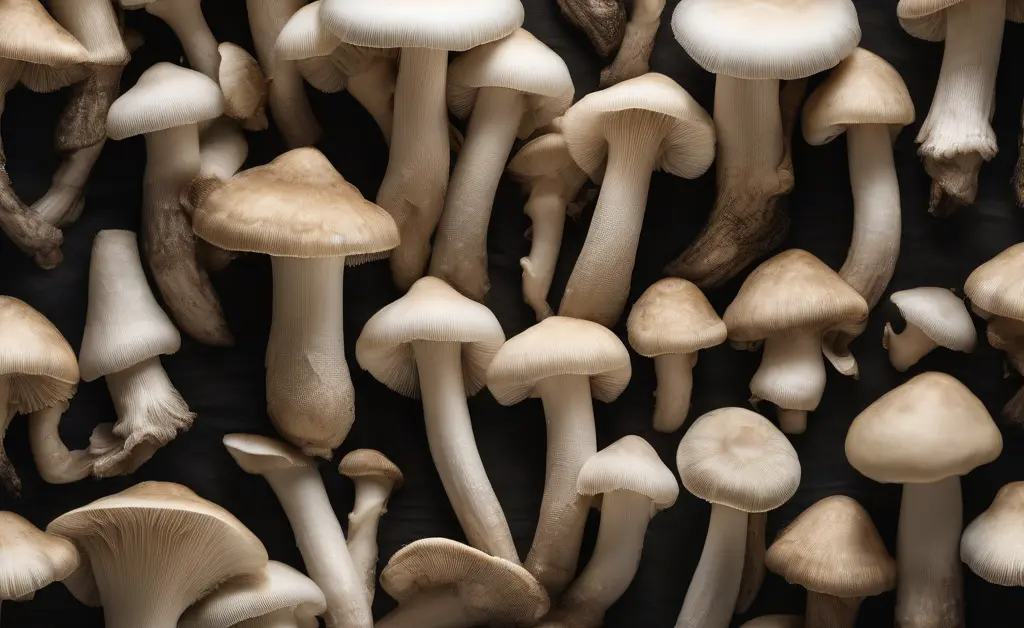

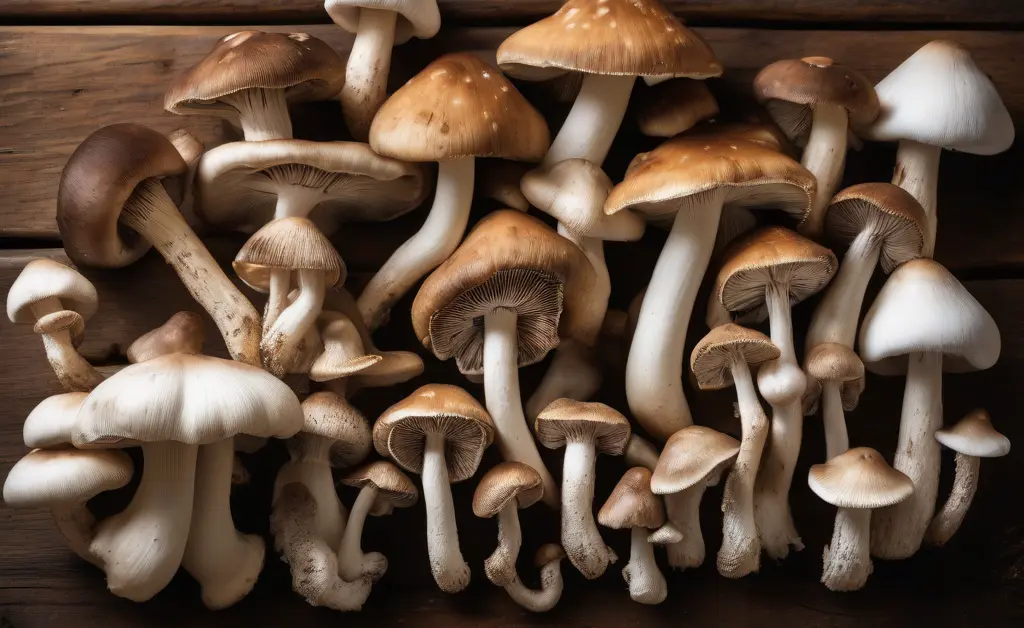
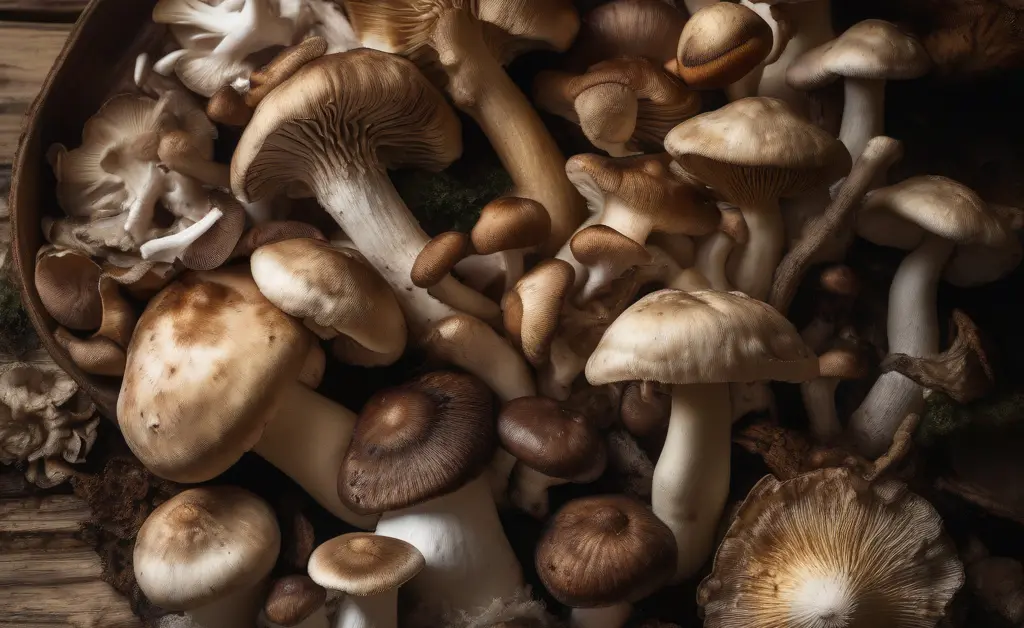
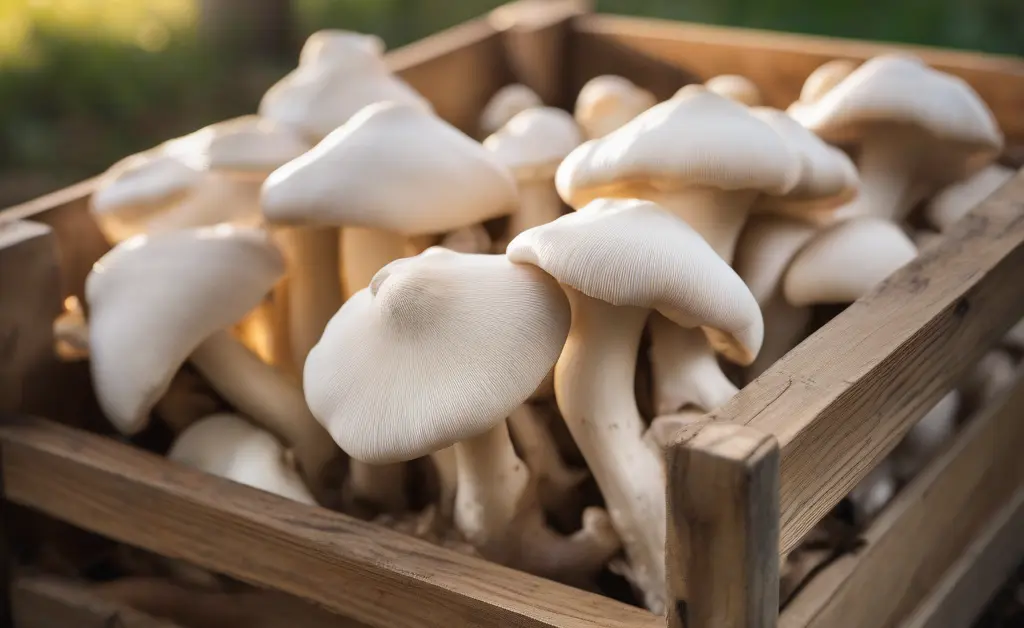

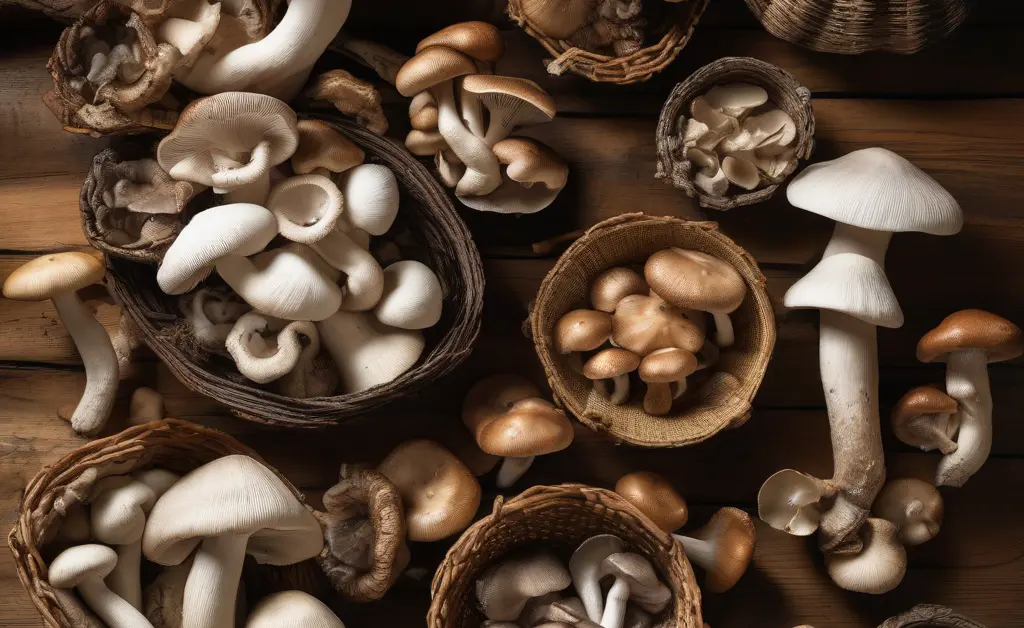
The climate and agricultural landscape of West Bengal are conducive to growing several types of edible mushrooms, each with distinct growth requirements and market appeal. Selecting the right species for mushroom cultivation in West Bengal depends on factors such as local demand, environmental control capabilities, and the availability of suitable substrates. Focusing on varieties that thrive in the region can significantly enhance the success rate for new and established farmers.
Oyster Mushrooms
Oyster mushrooms (Pleurotus spp.) are among the most popular and easiest to cultivate, making them an excellent choice for beginners in West Bengal. They are known for their rapid growth, high yield potential, and ability to grow on a wide range of agricultural wastes, such as paddy straw. Oyster mushrooms require moderate temperatures and humidity, conditions often naturally present or easily achievable in many parts of the state. Their delicate flavor and versatile culinary applications contribute to consistent market demand.
Button Mushrooms
Button mushrooms (Agaricus bisporus) are globally recognized and have a strong market presence in urban areas of West Bengal. However, their cultivation is generally more challenging than oyster mushrooms, requiring more precise environmental control, especially regarding temperature and humidity, as well as a specialized composted substrate. Despite the higher technical demands, the strong consumer preference and premium pricing for button mushrooms can make them a highly profitable venture for cultivators who can manage the specific growing conditions. Button mushroom cultivation in Bangalore also follows similar principles but may have different climate considerations.
Other Edible Mushrooms
Beyond oyster and button varieties, other edible mushrooms also hold potential for cultivation in West Bengal. Milky mushrooms (Calocybe indica), for example, are well-suited to the warmer climates found in the region and are gaining popularity due to their firm texture and good shelf life. Shiitake mushrooms (Lentinula edodes) are another possibility, though they typically require wood-based substrates and more controlled conditions. Exploring these diverse options can allow cultivators to cater to niche markets and expand their product offerings.
Cultivation Techniques and Best Practices


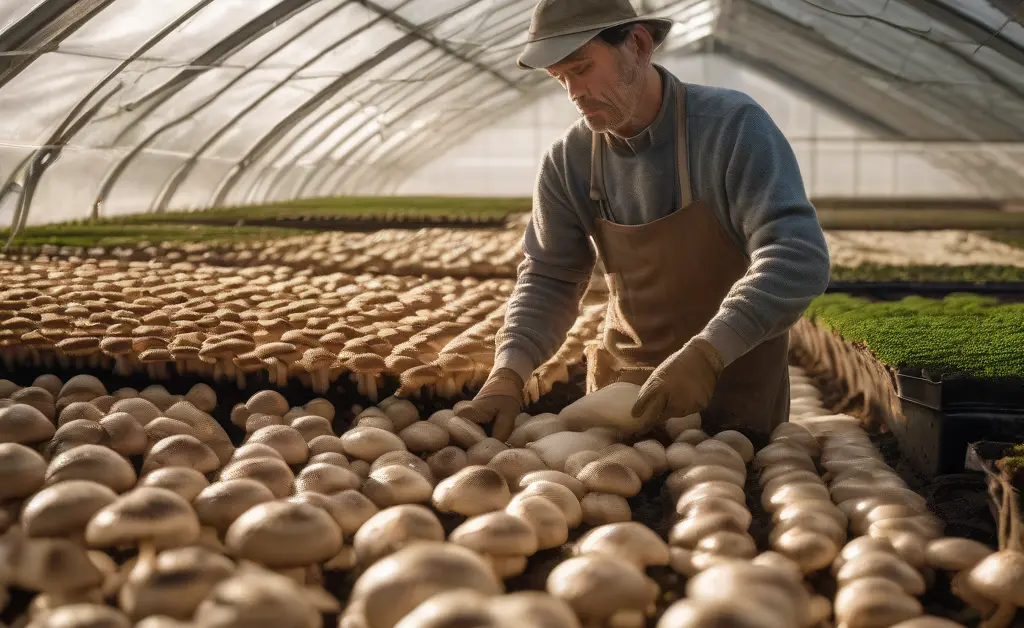
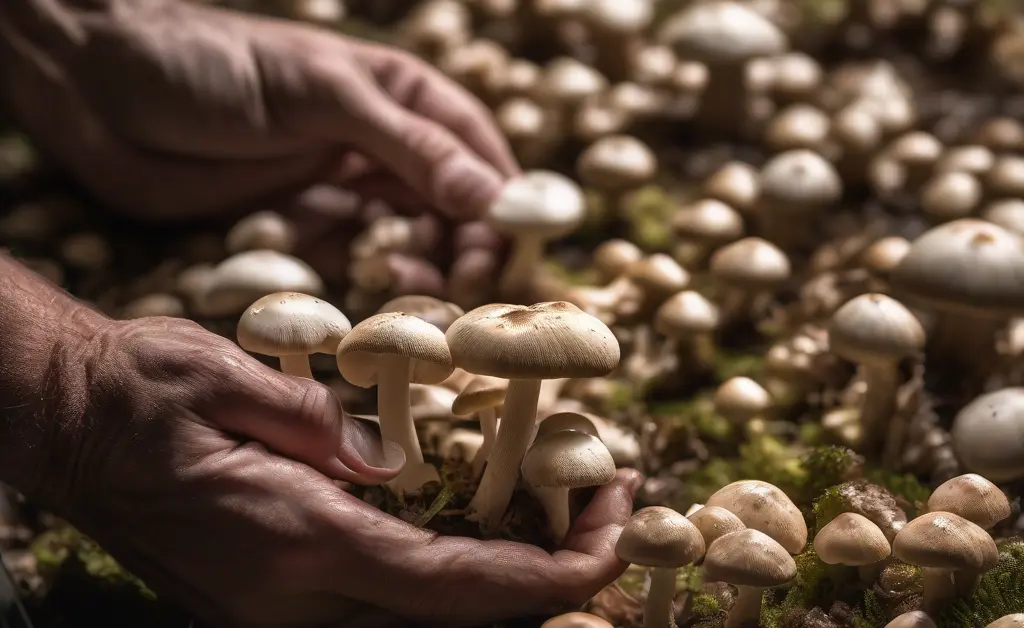
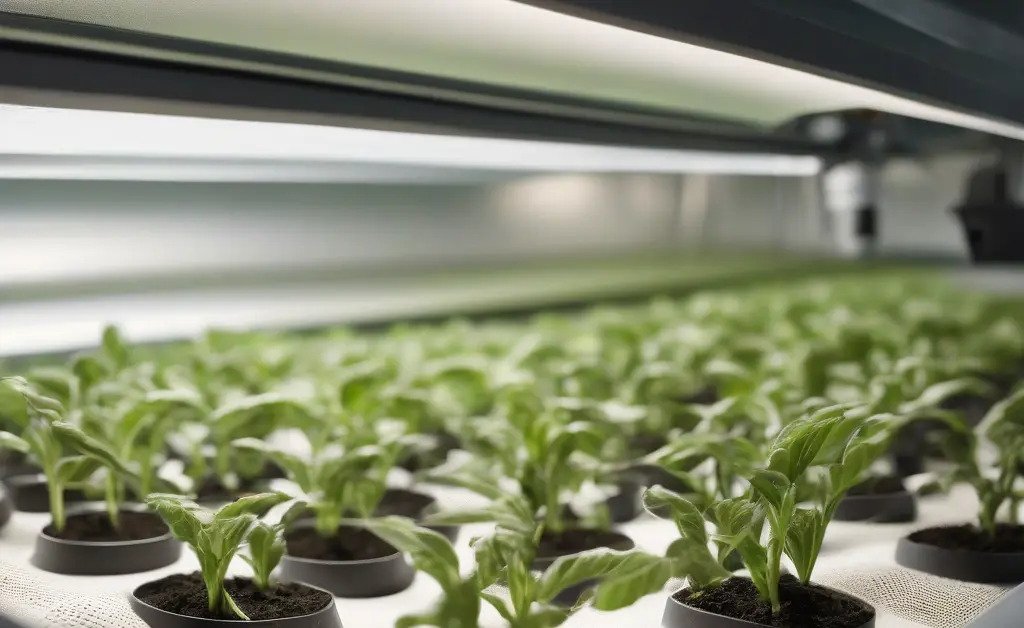
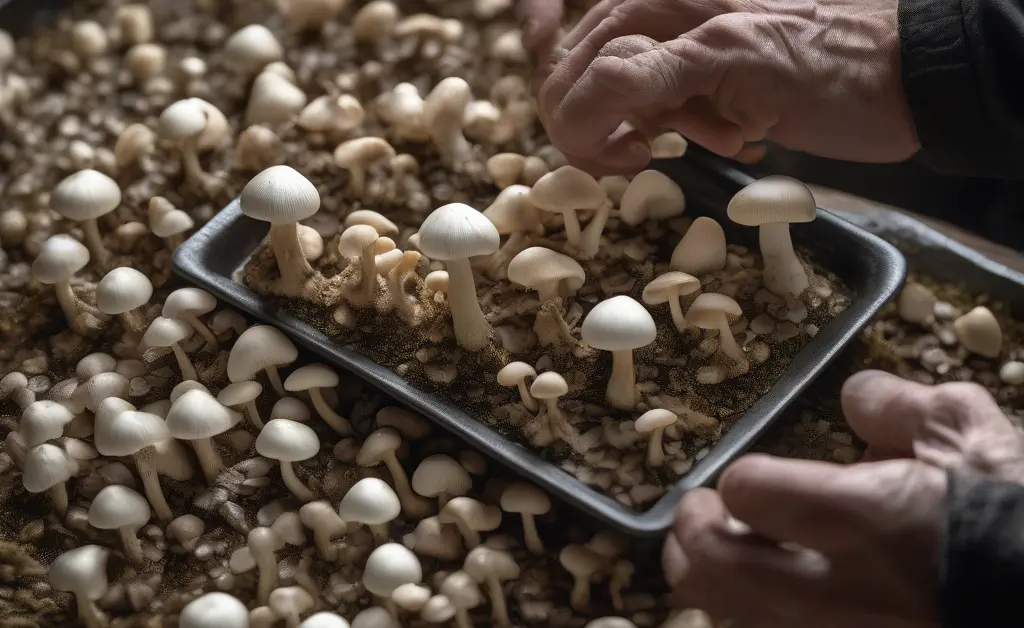



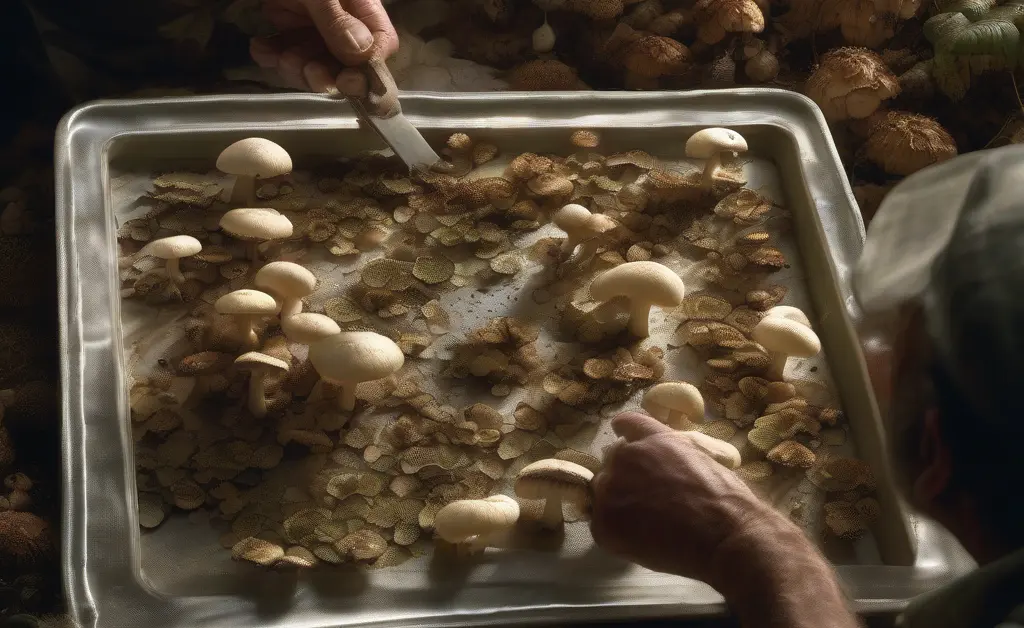
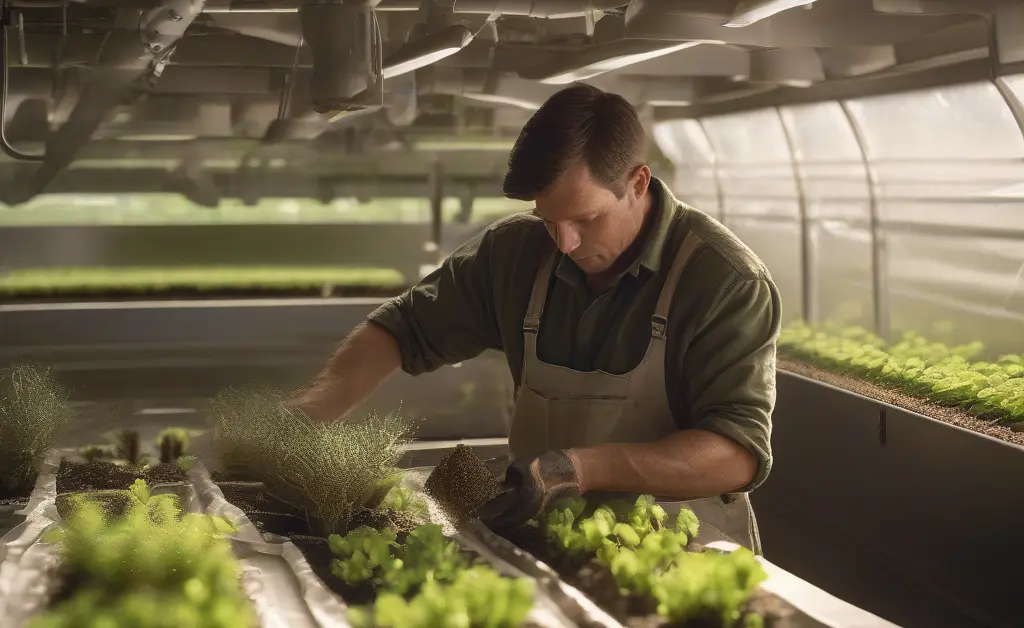

Achieving successful mushroom cultivation in West Bengal hinges on adopting precise techniques and adhering to best practices throughout the growing cycle. From preparing the growing environment to managing potential threats, every step plays a crucial role in ensuring a healthy crop and maximizing yields. Implementing effective strategies helps farmers overcome common challenges and maintain consistent production.
Environmental Control (Temperature, Humidity, Light)
Precise environmental control is paramount for optimal mushroom growth. Temperature, humidity, and light levels must be carefully managed to suit the specific requirements of the cultivated mushroom species at each stage of development. For instance, mycelial growth generally thrives in darkness and stable temperatures, while fruiting bodies require specific temperature fluctuations, high humidity, and some indirect light. Effective ventilation systems are also essential to prevent the buildup of carbon dioxide and ensure fresh air circulation, which are vital for healthy mushroom development.
Pest and Disease Management
Mushroom farms can be susceptible to various pests and diseases, which can significantly reduce yields or even lead to crop failure. Common issues include bacterial blotch, green mold, and infestations by mites or flies. Implementing strict hygiene protocols, using sterilized substrates, and regularly inspecting growing rooms are crucial preventive measures. Integrated pest management (IPM) strategies, which may involve environmental adjustments and biological controls, are often employed to minimize the use of chemical treatments and maintain a healthy growing environment. Farmers in Jharkhand also face similar challenges in mushroom cultivation.
Harvesting and Post-Harvest Handling
Proper harvesting techniques are vital to ensure the quality and shelf life of the mushrooms. Mushrooms should be picked at their optimal maturity, typically before the cap fully opens and releases spores. Gentle handling is required to prevent bruising. After harvesting, immediate post-harvest handling is necessary, often involving cleaning, sorting, and packaging. Rapid cooling and appropriate storage conditions, such as refrigeration, are essential to extend freshness and maintain market value, reducing spoilage and waste.
Economic Viability and Market Potential
The economic viability of mushroom cultivation in West Bengal is increasingly being recognized as a lucrative agricultural venture. With growing consumer awareness about the nutritional benefits of mushrooms and rising demand, the market potential appears strong. Analyzing the various financial aspects, from initial investment to market reach, provides a clear picture of the opportunities available to aspiring mushroom farmers in the region. This sector offers a pathway to sustainable rural development and enhanced farmer incomes.
Input Costs and Investment
Starting a mushroom cultivation business involves various input costs and an initial investment. These can include the cost of constructing or adapting a growing shed, purchasing essential equipment like humidifiers and ventilation systems, acquiring quality mushroom spawn, and procuring substrate materials. Recurring costs involve labor, electricity, and packaging. While initial investments may vary depending on the scale of operation, proper planning and budgeting are crucial to ensure financial sustainability and a quicker return on investment.
Market Demand and Supply Chain
The market demand for fresh and processed mushrooms in West Bengal is steadily increasing, driven by urbanization, changing dietary preferences, and the hospitality sector. Local markets, supermarkets, hotels, and restaurants all represent potential outlets for mushroom producers. Establishing an efficient supply chain that connects cultivators directly to consumers or retailers can help ensure fair prices and consistent sales. Exploring options for value-added products, such as dried mushrooms or mushroom pickles, can also expand market reach and profitability. The supply chain dynamics for mushroom cultivation in Odisha are also developing rapidly.
Training Programs and Workshops
Access to proper knowledge and skill development is critical for successful mushroom cultivation. Various governmental agricultural departments, universities, and non-governmental organizations in West Bengal offer training programs and workshops. These initiatives cover all aspects of mushroom farming, from spawn production and substrate preparation to pest management and marketing. Participation in such programs can equip farmers with the necessary technical expertise and best practices, significantly improving their chances of success.
Financial Assistance and Subsidies
Recognizing the potential of mushroom farming, both central and state governments, along with various financial institutions, offer schemes, subsidies, and loans to support cultivators. These financial assistance programs can help reduce the burden of initial investment, particularly for small and marginal farmers. Farmers in West Bengal interested in mushroom cultivation should explore these opportunities, as they can provide crucial capital for setting up infrastructure and scaling operations, thereby fostering growth in the sector.
Mushroom Farming Profitability in West Bengal











Mushroom farming in West Bengal holds considerable promise for profitability, provided that cultivation is managed efficiently and market linkages are strong. The relatively short cultivation cycle and high demand contribute to its appeal as a viable agricultural business. Farmers who master the techniques and effectively manage their resources stand to gain significant returns from their investment in this specialty crop.
Yield and Profitability Analysis
A thorough yield and profitability analysis is essential for any aspiring mushroom farmer. The yield of mushrooms per unit area can vary significantly based on the species cultivated, environmental control, and management practices. Generally, mushrooms offer a quick turnaround, with harvests often possible within a few weeks of spawning. The profitability is influenced by factors such as production costs, market prices, and the efficiency of resource utilization. With consistent production and access to markets, mushroom farming can generate substantial income, making it an attractive and sustainable livelihood option for many in West Bengal.
Mushroom cultivation in West Bengal represents a dynamic and growing sector with substantial potential for economic upliftment and agricultural diversification. By embracing modern techniques, leveraging available resources, and tapping into burgeoning market demand, farmers can transform this venture into a thriving business. The combination of local climatic advantages, readily available substrates, and increasing consumer interest creates an opportune environment for mushroom growers to flourish, contributing to both their livelihoods and the regional economy.
It is important to note that this content is not intended as medical advice. The information provided herein is for general informational purposes only and should not be used for diagnosing or treating a health problem or disease. Always consult with a qualified healthcare professional for any health concerns or before making any decisions related to your health or treatment. For information on public health guidelines, consult resources such as the CDC.
FAQ
What is the best time for mushroom cultivation in West Bengal?
The most favorable periods for cultivating mushrooms in West Bengal typically align with moderate temperatures and higher humidity. For varieties like oyster mushrooms, the cooler, humid months from late monsoon through winter often provide ideal natural conditions, minimizing the need for extensive climate control. Paddy straw mushrooms thrive in warmer, humid conditions, making the summer and monsoon seasons suitable for their growth.
What are the basic requirements for starting mushroom farming in West Bengal?
Successful mushroom farming fundamentally requires a suitable environment that can control temperature, humidity, and ventilation. Essential components include a clean space, access to quality mushroom spawn, and appropriate substrate materials like paddy straw, sawdust, or agricultural waste. Ensuring proper sanitation and water availability are also critical for preventing contamination and promoting healthy growth.
Which mushroom varieties are most profitable to grow in West Bengal?
Among the various types, oyster mushrooms (Pleurotus species) and paddy straw mushrooms (Volvariella volvacea) are commonly identified as highly profitable for mushroom cultivation in West Bengal. These varieties are well-suited to the region’s climate, have relatively short cultivation cycles, and enjoy consistent consumer demand in local markets. Their adaptability and growth efficiency contribute significantly to their commercial viability.
Are there any government subsidies available for mushroom cultivation in West Bengal?
Government agencies, particularly agricultural and horticulture departments, frequently offer various schemes and support programs to encourage diversified farming practices like mushroom cultivation. These initiatives often aim to enhance farmers’ income and promote sustainable agriculture through technical guidance, training, and financial assistance. Prospective cultivators are encouraged to inquire with local agricultural extension offices for current program details and eligibility.