
Getting Started with Mushroom Cultivation in Jammu
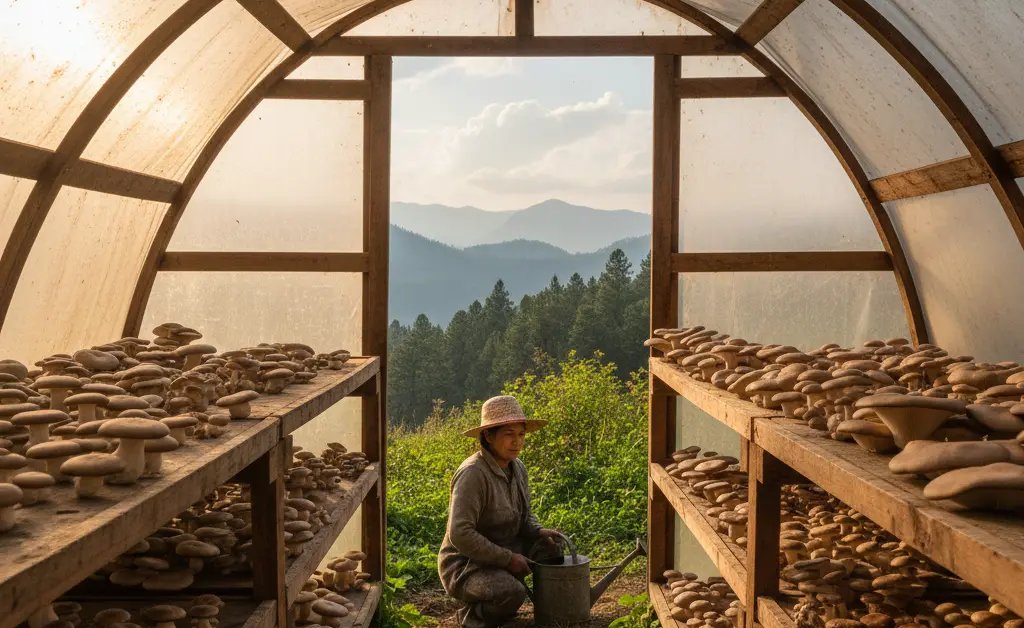
Embarking on the journey of mushroom cultivation in Jammu presents a compelling opportunity for agricultural diversification and economic upliftment within the region. As an experienced observer of agricultural trends, I recognize the substantial, often untapped, potential that this specialized farming offers. The unique climatic conditions and available resources in Jammu are particularly conducive to growing a variety of fungi, making it a viable and profitable venture for local farmers. This guide will explore the practical aspects, economic benefits, and essential steps involved in establishing a successful mushroom farm, providing a clear pathway for individuals looking to venture into this promising sector. We will delve into everything from selecting the right species to managing cultivation units effectively, ensuring a solid foundation for sustainable growth and a significant contribution to the local economy.
Introduction to Mushroom Cultivation in Jammu
Overview of the Mushroom Industry in Jammu
The mushroom industry in Jammu has been steadily gaining traction, evolving from a niche agricultural activity into a sector with significant potential. Historically, mushroom cultivation was largely concentrated in a few specific areas, but growing awareness of its economic benefits and nutritional value has led to wider adoption. The region benefits from diverse climatic zones, which can support the cultivation of various mushroom species throughout the year. Local farmers are increasingly exploring this avenue to diversify their income streams and utilize existing agricultural infrastructure more efficiently. The expansion of this industry is also driven by rising consumer demand for fresh and locally sourced produce.
Potential for Growth in the Region
The potential for growth in mushroom cultivation in Jammu is substantial. With a favorable climate, available agricultural land, and a growing market, the region is well-positioned to become a significant producer. Key factors contributing to this potential include an increasing understanding among farmers about scientific cultivation methods, the availability of technical expertise through various government and private initiatives, and improving market access. Furthermore, the rising health consciousness among consumers has boosted demand for mushrooms, which are known for their nutritional properties. This creates a strong incentive for further investment and expansion in mushroom cultivation in India, promising robust development for the local economy.
Benefits of Mushroom Cultivation for Jammu Farmers

Economic Advantages and Income Generation
Mushroom cultivation offers significant economic advantages for farmers in Jammu. Compared to traditional crops, mushrooms can provide a higher return on investment within a shorter cultivation cycle, leading to quicker income generation. They require relatively less land and water, making them an ideal crop for small and marginal farmers. The high demand for various mushroom varieties, both locally and in nearby urban centers, ensures a ready market, allowing farmers to achieve stable prices for their produce. This economic stability can significantly improve the livelihoods of agricultural communities.
Year-Round Cultivation Opportunities
One of the distinctive benefits of mushroom farming is the possibility of year-round cultivation. Unlike seasonal field crops, many mushroom varieties can be grown indoors under controlled environmental conditions, allowing for continuous production irrespective of external weather patterns. This consistent supply helps farmers maintain a steady income flow throughout the year and mitigates risks associated with seasonal crop failures due to adverse climatic conditions. The ability to cultivate mushrooms year-round is a major advantage for farmers seeking to maximize their land and resources.
Contribution to Local Food Security
Mushroom cultivation in Jammu plays an important role in enhancing local food security. Mushrooms are a rich source of protein, vitamins, and minerals, offering a nutritious alternative or supplement to traditional diets. By increasing the local production of such a valuable food item, the region can reduce its reliance on external food sources and ensure a more diverse and healthier food supply for its population. Local production also contributes to fresher produce with a shorter supply chain, benefiting consumers with better quality goods.
Types of Mushrooms Suitable for Jammu’s Climate
Common Varieties and Their Cultivation Requirements
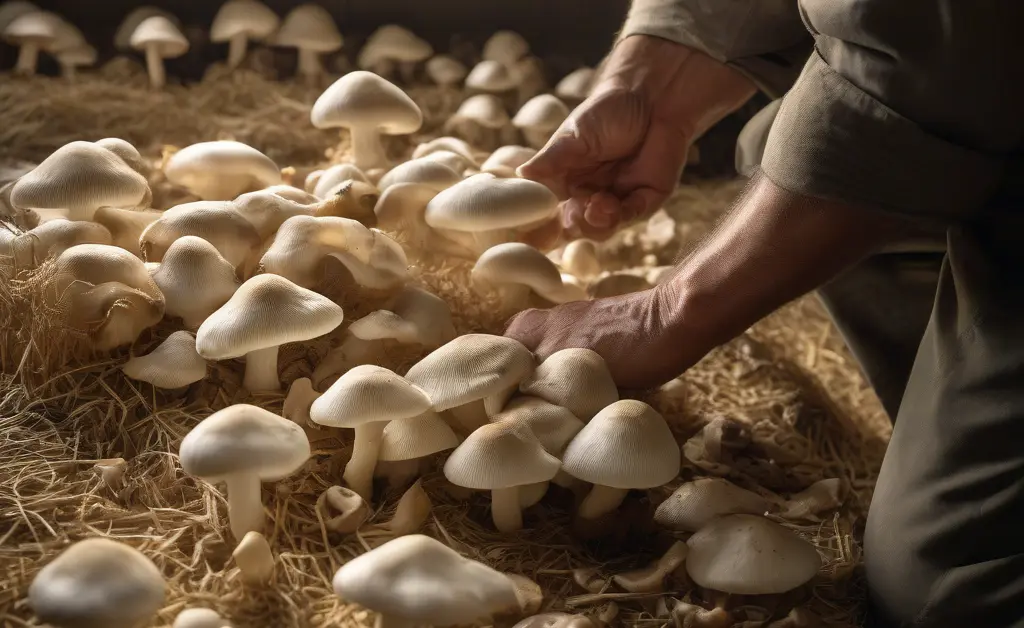
Several mushroom varieties thrive in conditions similar to those found in Jammu. Oyster mushrooms (Pleurotus species) are particularly popular due to their adaptability, ease of cultivation, and fast growth rate. They can grow on various agricultural wastes like paddy straw, wheat straw, and sawdust. Button mushrooms (Agaricus bisporus) require more controlled temperature and humidity conditions but are highly demanded in the market. Shiitake mushrooms (Lentinula edodes) also represent a potential high-value crop, though they typically require a longer cultivation period and specific wood-based substrates. Each variety has distinct requirements concerning temperature, humidity, light, and substrate, which farmers must understand for successful cultivation.
Climate-Specific Mushroom Selection
Selecting the right mushroom species is crucial for successful mushroom cultivation Jammu. While some areas within Jammu experience temperate conditions suitable for cooler-weather species, others might be better suited for varieties that tolerate warmer temperatures. Farmers should assess their specific microclimate and resources before choosing a mushroom type. For instance, in areas with cooler temperatures, species like button mushrooms might be viable with proper climate control. In contrast, oyster mushrooms are more forgiving and can adapt to a broader range of temperatures, making them suitable for many parts of the region. Understanding the local climate helps optimize yield and reduce cultivation challenges.
Steps for Setting Up a Mushroom Cultivation Unit in Jammu
Site Selection and Preparation
The initial step in establishing a mushroom cultivation unit involves careful site selection. An ideal site should be well-ventilated, protected from direct sunlight and extreme weather, and have access to clean water and electricity. A shed or building, whether purpose-built or adapted, needs to be prepared to maintain stable temperature and humidity levels. Thorough cleaning and sanitation of the site are paramount to prevent contamination and pest infestations, laying a strong foundation for healthy mushroom growth.
Procurement of Spawn and Growing Media
High-quality mushroom spawn (the ‘seed’ material) is critical for a successful yield. It should be sourced from reputable suppliers to ensure viability and purity. Simultaneously, farmers need to prepare or procure suitable growing media (substrate). Common substrates include paddy straw, wheat straw, sawdust, or other agricultural residues. The substrate must be properly sterilized or pasteurized to eliminate competing microorganisms before inoculation with the mushroom spawn. This step is fundamental to achieving good colonization and fruiting.
Controlled Environment Management
Maintaining a controlled environment is perhaps the most challenging yet crucial aspect of mushroom cultivation. This involves regulating temperature, humidity, fresh air exchange, and light conditions within the growing unit. Specific parameters vary depending on the mushroom species being cultivated. For example, button mushrooms require cooler temperatures during their fruiting stage, while oyster mushrooms are more tolerant of fluctuations. Implementing proper ventilation systems, humidifiers, and temperature control mechanisms is essential to create an optimal environment for healthy mushroom development.
Harvesting and Post-Harvest Handling
Knowing when and how to harvest mushrooms is vital to maximize yield and quality. Mushrooms should be picked at their prime stage of development, usually just before the caps fully unfurl, depending on the species. Careful handling during harvesting minimizes damage and extends shelf life. Post-harvest, mushrooms require proper cleaning, grading, and packaging. They are perishable, so prompt cooling and storage in appropriate conditions, such as refrigeration, are necessary to maintain freshness and prevent spoilage before they reach the market.
Challenges and Solutions in Mushroom Cultivation Jammu

Pest and Disease Management
Pest and disease outbreaks can significantly impact mushroom yields. Common pests include flies, mites, and nematodes, while diseases can be caused by bacteria, fungi, and viruses. Implementing strict hygiene practices, such as sterilizing substrates and sanitizing growing areas, is the first line of defense. Integrated Pest Management (IPM) strategies, which combine cultural, biological, and, if necessary, chemical controls, are effective. Regular monitoring for early signs of infection or infestation allows for prompt intervention, minimizing losses in mushroom cultivation Jammu.
Technical Expertise and Training Needs
A lack of technical expertise can be a major hurdle for new farmers. Successful mushroom cultivation requires specific knowledge about spawn handling, substrate preparation, environmental control, and pest/disease identification. Addressing this challenge requires access to comprehensive training programs and educational resources. Various government agricultural departments and universities in the region offer workshops and courses that can equip farmers with the necessary skills. Mentorship from experienced cultivators can also provide invaluable practical guidance.
Mushroom Cultivation Jammu Cost
Profitability of Mushroom Cultivation in Jammu Region
The profitability of mushroom cultivation in the Jammu region is generally considered promising, especially for farmers who adopt efficient cultivation practices and have good market access. Initial setup costs can vary depending on the scale of the operation and the level of automation. These costs typically include constructing or adapting a growing shed, purchasing environmental control equipment, acquiring spawn, and preparing substrates. However, with multiple harvest cycles possible throughout the year, the return on investment can be relatively quick. The high market demand and potential for premium pricing for quality produce contribute to favorable profit margins, making mushroom cultivation Jammu a viable business venture. Careful financial planning and market analysis are key to maximizing profitability.
Top Mushroom Farming in Jammu near me
When searching for “Top Mushroom Farming in Jammu near me,” individuals are often looking for established farms that offer quality produce, cultivation advice, or perhaps even training opportunities. While specific farm names may vary, prominent mushroom cultivation centers are often concentrated around agricultural hubs or near urban areas that provide easier access to markets. These farms often specialize in popular varieties like oyster or button mushrooms, providing fresh produce to local retailers and consumers. Identifying such farms can be beneficial for aspiring cultivators seeking to learn best practices or for consumers looking for reliable local sources.
Government Initiatives and Support for Mushroom Farming
Financial Aid and Subsidies
Recognizing the potential of mushroom farming, the government in Jammu and Kashmir has introduced various initiatives to support farmers. These often include financial aid and subsidies aimed at reducing the initial capital investment required for setting up cultivation units. Subsidies may cover aspects such as the purchase of spawn, construction of growing sheds, or acquisition of specialized equipment. Information on these schemes is typically available through agricultural departments, providing a significant boost for new entrants and existing farmers looking to expand their operations.
Training Programs and Development Centers
To address the need for technical expertise, various government and semi-government organizations regularly conduct training programs on mushroom cultivation. These programs cover essential aspects from basic cultivation techniques to advanced pest and disease management, and even entrepreneurial skills. Development centers and agricultural universities in the region often host these workshops, offering practical demonstrations and hands-on experience. Such training is crucial for equipping farmers with the knowledge needed for successful mushroom cultivation.
Technological Advancements and Support
The government also supports the adoption of technological advancements in mushroom farming. This includes promoting the use of improved spawn varieties, advanced substrate preparation methods, and efficient environmental control systems. Assistance may be provided for farmers to access modern machinery and scientific guidance. By fostering technological integration, these initiatives aim to increase productivity, improve quality, and enhance the overall competitiveness of the mushroom industry in the region, ensuring its sustainable growth.
Future Prospects of Mushroom Farming in Jammu
Market Trends and Demand
The future prospects for mushroom farming in Jammu appear bright, driven by evolving market trends and increasing demand. Consumer preferences are shifting towards healthier, plant-based diets, with mushrooms being a favored choice due to their nutritional profile and versatility. There is a growing demand not only for common varieties but also for specialty mushrooms. This trend suggests a sustained and expanding market for mushroom cultivators. Understanding these market dynamics is key for farmers to plan their production and marketing strategies effectively.
Expansion Opportunities and Diversification
Beyond meeting fresh market demand, there are significant opportunities for expansion and diversification in mushroom farming. This includes processing mushrooms into value-added products such as dried mushrooms, mushroom powder, or even mushroom-based dietary supplements. Such diversification can open new revenue streams and reduce post-harvest losses. Exploring different mushroom varieties, including medicinal mushrooms, also presents an avenue for growth. These opportunities highlight the dynamic potential for farmers to innovate and expand their mushroom cultivation Jammu businesses.
Free Mushroom Cultivation Jammu
The term “Free Mushroom Cultivation Jammu” often refers to initiatives or resources that provide knowledge, training, or sometimes even initial spawn or substrate at no cost, primarily aimed at encouraging new farmers to enter the sector. Government agricultural departments, Krishi Vigyan Kendras (KVKs), and some NGOs frequently offer free workshops, demonstrations, and informational pamphlets. These programs are invaluable for individuals interested in learning the basics of mushroom farming without an initial financial burden. While comprehensive, ongoing support might require some investment, these free resources provide an excellent starting point for aspiring cultivators in Jammu.
What is Jammu Kashmir mushroom?
When people refer to “Jammu Kashmir mushroom,” they might be broadly referring to mushrooms cultivated or found naturally within the region of Jammu and Kashmir. This can include popular cultivated varieties like oyster mushrooms and button mushrooms that are grown commercially by farmers. Additionally, the diverse ecological zones of Jammu and Kashmir are home to various wild edible fungi. These wild mushrooms, often seasonal, are sometimes collected by local communities for consumption and sale. The term generally encompasses the range of fungal species that are economically significant or culturally relevant to the region, highlighting the indigenous and cultivated mushroom diversity.
Market Access and Linkages
Effective market access and strong linkages are crucial for the success of mushroom growers in Jammu. This involves establishing connections with local vendors, retailers, hotels, and potentially even larger distributors. Direct selling to consumers through farmers’ markets or community-supported agriculture (CSA) models can also be highly profitable. Furthermore, exploring opportunities to supply to food processing units or expand into online sales platforms can broaden market reach. Improving the supply chain and fostering better connectivity between producers and buyers will significantly benefit the mushroom industry in the region.
Mushroom cultivation in Jammu offers a promising path for agricultural development, economic empowerment, and food security. With its favorable climate, increasing farmer interest, and robust government support, the region is well-positioned to become a thriving hub for mushroom production. The journey requires dedication, knowledge, and adherence to best practices, but the potential rewards are substantial for those who embrace this innovative form of farming.
This content is for informational use and should not be considered medical instruction. It is not intended to provide specific medical advice, diagnoses, or treatments. Always consult with a qualified healthcare professional for any health concerns or before making any decisions related to your health or well-being. The information presented here should not be used as a substitute for professional medical guidance.
FAQ
What are the government schemes for mushroom cultivation in Jammu?
Government initiatives often provide crucial support for agricultural diversification efforts, including mushroom cultivation. These schemes typically focus on offering technical training, subsidies for essential inputs like spawn and infrastructure, and market linkage assistance to empower farmers. Such programs are designed to reduce initial investment barriers and promote sustainable farming practices among local communities.
How can I start mushroom farming in Jammu?
Beginning mushroom farming involves understanding the specific climatic conditions of Jammu and selecting a suitable species for cultivation. Key initial steps include acquiring knowledge through workshops or agricultural extension services, sourcing quality spawn, and preparing an appropriate growing environment with controlled temperature and humidity. Establishing a solid foundation in these areas is crucial for a successful venture.
What is the best mushroom to grow in Jammu?
For mushroom cultivation Jammu, the most suitable species often depends on factors like local climate compatibility, market demand, and cultivation ease. Oyster mushrooms (Pleurotus spp.) are frequently recommended due to their adaptability, relatively short cropping cycle, and popularity. Button mushrooms (Agaricus bisporus) also have a consistent market but typically require more precise environmental controls.
What are the benefits of mushroom cultivation in Jammu for farmers?
Mushroom cultivation offers significant advantages for farmers by providing a high-value cash crop that requires minimal land area. This practice can diversify income sources, enhance economic resilience, and make efficient use of agricultural waste as substrate. It presents a viable opportunity to generate consistent revenue, particularly during off-seasons for traditional crops.