
Building a Career in India’s Mushroom Industry
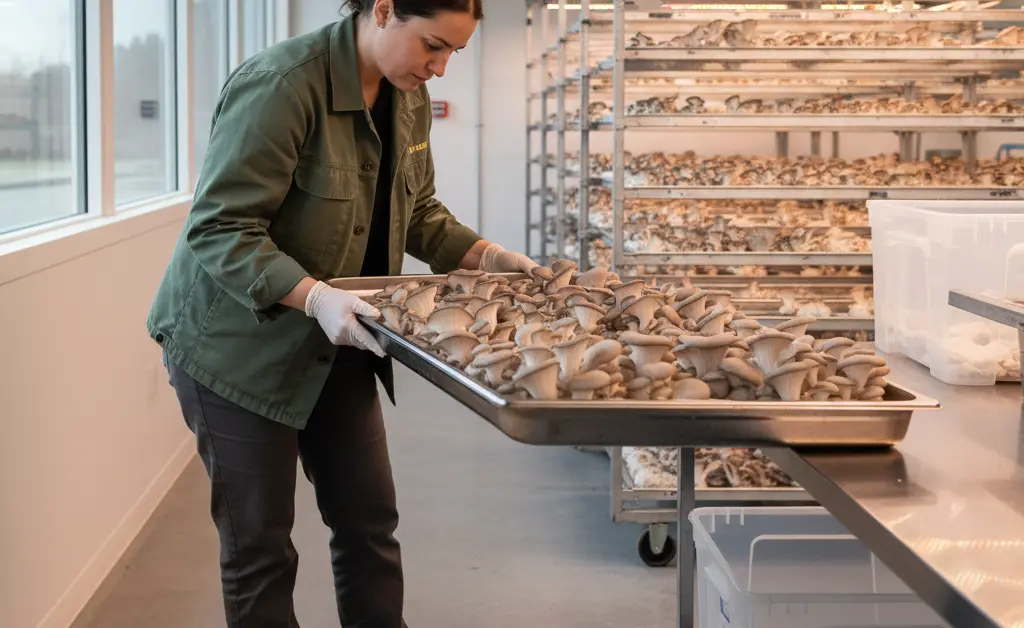
For individuals seeking promising career prospects within a rapidly expanding agricultural sector, the mushroom industry in India presents a wealth of opportunities. The increasing consumer demand for various mushroom varieties, coupled with supportive governmental initiatives, has fueled significant growth, creating diverse employment roles across the value chain. Understanding these emerging prospects is essential for those looking to secure stable and impactful positions. This article serves as a comprehensive guide to mushroom cultivation jobs in India, exploring the different types of roles available, the necessary skills and qualifications, and pathways for career progression. It aims to equip job seekers and professionals with the insights needed to navigate this dynamic and sustainable field.
Mushroom Cultivation Jobs in India: An Overview
The mushroom industry in India has witnessed substantial expansion over recent years, driven by a growing awareness of mushrooms’ nutritional benefits and their culinary versatility. This surge in demand has naturally translated into a proliferation of opportunities across the entire value chain, from cultivation to processing and marketing. The sector is increasingly adopting modern farming techniques and advanced biotechnologies, which in turn necessitates a skilled workforce capable of managing these innovations. As a result, the landscape for mushroom cultivation jobs in India is becoming increasingly diverse, offering roles for individuals with varying levels of expertise and educational backgrounds. These opportunities are not confined to traditional farming but extend into research, quality assurance, business development, and more. The demand for mushroom cultivation expertise is projected to continue its upward trajectory, making it an attractive field for long-term career development.
Types of Roles in Mushroom Cultivation
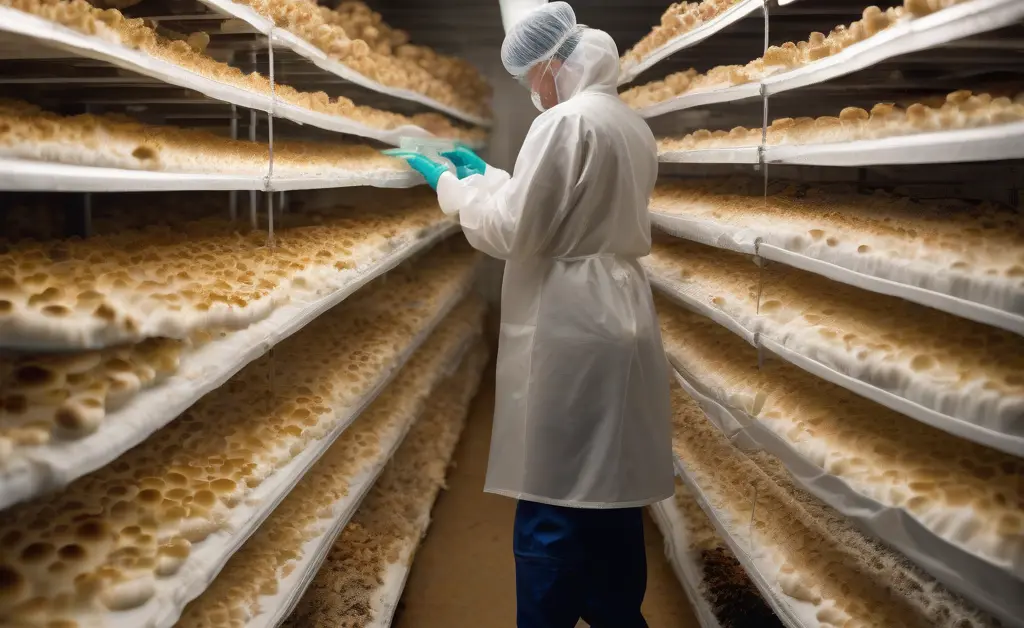
The burgeoning mushroom industry supports a wide array of specialized roles, reflecting the complexity and multi-faceted nature of the cultivation process and its subsequent market entry. From hands-on growing to strategic business development, there are numerous pathways for those interested in mushroom cultivation jobs in India.
Mushroom Grower/Cultivator
This foundational role involves the direct management of mushroom production. A mushroom grower or cultivator is responsible for preparing substrates, inoculating spawn, monitoring environmental conditions such as temperature, humidity, and CO2 levels, and harvesting the mushrooms. They need a deep understanding of mycology, practical growing techniques, and often work with various mushroom species, each with its unique requirements. This role demands attention to detail and a hands-on approach to ensure optimal yields and quality.
Farm Manager/Supervisor
Farm managers or supervisors oversee the entire mushroom cultivation operation. Their responsibilities include planning production schedules, managing resources (labor, materials, equipment), ensuring compliance with safety and quality standards, and optimizing farm efficiency. They typically manage teams of growers and technicians, handle inventory, and report on production metrics. This role often requires strong leadership, organizational skills, and a comprehensive understanding of commercial mushroom farming operations.
Technician/Assistant
Technicians and assistants provide crucial support to growers and managers. Their tasks may involve preparing growing rooms, sterilizing equipment, mixing substrates, assisting with inoculation, and maintaining the hygiene of cultivation facilities. They play a vital role in ensuring that all stages of the cultivation process are executed accurately and efficiently. This position is an excellent entry point for individuals seeking to gain practical experience in the field.
Quality Control Officer
Ensuring the safety and quality of mushroom products is paramount. A Quality Control Officer is responsible for inspecting mushrooms at various stages, from harvesting to packaging, to ensure they meet industry standards and consumer expectations. This involves checking for appearance, freshness, absence of contaminants, and proper handling. They may also be involved in implementing and monitoring hygiene protocols and food safety management systems within the farm.
Research and Development (Microbiologist roles)
For those with a scientific bent, the research and development sector offers significant opportunities. Microbiologist roles within mushroom R&D focus on improving cultivation techniques, developing new mushroom strains with enhanced characteristics, optimizing substrate formulations, and researching disease prevention. These professionals contribute to the advancement of the industry by exploring innovative solutions and sustainable practices.
Sales and Marketing
Once cultivated, mushrooms need to reach the market effectively. Sales and marketing professionals in the mushroom industry are responsible for identifying market trends, building relationships with buyers (retailers, restaurants, wholesalers), promoting mushroom products, and developing distribution strategies. They play a key role in understanding consumer preferences and ensuring that the cultivated produce finds its way to consumers efficiently.
Skills and Qualifications for Mushroom Cultivation Jobs

To succeed in the expanding field of mushroom cultivation jobs in India, individuals typically require a blend of specialized knowledge, practical experience, and essential soft skills. The specific requirements can vary depending on the role, but certain foundational competencies are broadly applicable across the sector.
Technical skills are often paramount. A strong understanding of mycology and horticulture is highly valued, particularly for roles directly involved in growing and research. This includes knowledge of mushroom life cycles, environmental controls, pest and disease management, and substrate preparation. Practical growing experience, whether through internships, personal projects, or previous employment, is often a significant advantage. For positions involving quality assurance, knowledge of quality control and assurance principles, including food safety regulations, is critical.
Educational backgrounds often favored include degrees in agriculture, botany, microbiology, biotechnology, or related life sciences. However, vocational training and certifications in mushroom cultivation can also provide a solid foundation, especially for cultivator and technician roles. For managerial and business development positions, business and management acumen, including financial planning, marketing, and supply chain management, becomes increasingly important.
Beyond technical expertise, soft skills are equally vital. Problem-solving abilities are essential for addressing cultivation challenges, while strong teamwork and communication skills facilitate effective collaboration within farm teams and with external partners. Adaptability, attention to detail, and a commitment to continuous learning are also highly regarded in this dynamic industry.
Companies Hiring for Mushroom Cultivation Roles
The growth of the mushroom industry in India has led to a diverse ecosystem of employers actively seeking talent for mushroom cultivation jobs in India. These range from large-scale commercial operations to specialized units and public sector institutions. Identifying these employers can be a key step for job seekers.
Large-scale commercial farms are significant employers, often requiring a wide range of professionals from growers and farm managers to quality control officers and logistics personnel. These farms typically focus on high-volume production of popular varieties for retail and wholesale markets. Alongside these, nursery and spawn production units specialize in creating the initial growing material (spawn) and often employ microbiologists, technicians, and sales representatives. Research into agricultural practices is supported by various institutions, such as those found on Cochrane Library, contributing to advancements in the field.
Agri-business companies, particularly those involved in agro-processing, food production, or agricultural supply chains, are increasingly integrating mushroom cultivation into their operations or seeking expertise for their related ventures. This diversification opens up various roles in management, R&D, and supply chain coordination. Furthermore, government and research institutions play a crucial role in developing new cultivation methods, conducting genetic research, and providing extension services. They often hire scientists, researchers, and technical advisors. The geographical distribution of opportunities often concentrates in states with supportive agricultural policies and suitable climates, or near major urban centers that serve as key markets.
Career Growth and Opportunities in Mushroom Cultivation

The field of mushroom cultivation in India offers promising avenues for career growth and specialization. As the industry matures and expands, so do the opportunities for professionals to advance their careers and develop expertise in specific niches. Individuals entering with foundational roles can often progress into more senior or specialized positions.
Advancement paths can include moving from a cultivator or technician role to a farm manager or operations head, overseeing larger facilities or multiple production units. For those with a scientific background, progression in research and development can lead to roles as senior scientists, project leads, or even department heads, contributing to innovation and genetic improvement of mushroom strains. Specialization areas are also emerging, such as organic mushroom farming, cultivation of exotic or medicinal mushroom varieties, or expertise in post-harvest processing and value-added products. This allows professionals to carve out unique career trajectories based on their interests and skills.
Beyond traditional employment, entrepreneurship in mushroom cultivation presents a significant opportunity. Many experienced professionals choose to start their own mushroom farms, spawn production units, or consulting businesses, leveraging their knowledge to tap into the growing market demand. This entrepreneurial route can offer greater autonomy and the potential for substantial growth, reflecting the dynamic nature of the mushroom industry in India.
How to Find Mushroom Cultivation Jobs in India
For individuals keen to explore mushroom cultivation jobs in India, several effective strategies can help identify and secure suitable positions. The job search process benefits from a multi-pronged approach, utilizing both traditional and modern recruitment channels.
Online job portals are a primary resource, with platforms often listing various agricultural and food processing roles, including those specific to mushroom cultivation. Setting up job alerts with relevant keywords can help candidates stay informed about new openings. Company websites of large commercial mushroom farms, agri-business corporations, and agricultural research institutions frequently post their vacancies directly. Regularly checking these sites can provide access to roles that might not be widely advertised elsewhere.
Professional networking is another invaluable tool. Connecting with individuals already working in the mushroom industry through conferences, seminars, workshops, or professional agricultural associations can lead to insights about unadvertised positions or opportunities to collaborate. Agricultural job fairs and university career events, particularly those focused on agri-business or biotechnology, also serve as excellent platforms for direct engagement with recruiters and industry representatives. Additionally, local agricultural extension services or government departments involved in promoting horticulture may have information on regional job opportunities or support programs for mushroom farming.
The mushroom industry in India stands as a vibrant and growing sector, presenting a diverse range of career opportunities for individuals with varied skill sets and educational backgrounds. From hands-on cultivation to strategic research and market development, the industry continues to expand, driven by increasing consumer demand and technological advancements. Those seeking to enter or advance within this field will find a dynamic environment ripe with possibilities for professional growth and contribution to sustainable agriculture.
It is important to note that this content is not intended as medical advice. The information provided is for general informational purposes only and should not be considered a substitute for professional medical guidance. Always consult with a qualified healthcare provider for any health concerns or before making any decisions related to your health or treatment.
FAQ
What are the educational requirements for mushroom farming jobs in India?
Formal education often isn’t a strict prerequisite for practical mushroom farming roles, with many successful cultivators learning through vocational training or hands-on experience. However, diplomas or certificates in agriculture, horticulture, or mycology from institutions like agricultural universities can provide a strong theoretical foundation. These programs cover essential aspects such as substrate preparation, environmental control, and disease management, which are crucial for optimizing yields and quality.
Which companies offer mushroom cultivation jobs in India?
Various organizations, from large commercial farms and food processing units to smaller organic producers and research institutions, often seek individuals for mushroom cultivation jobs in India. These roles can range from farm management and production supervision to research and development focused on improving yields or developing new mushroom varieties. The demand for skilled workers extends across different scales of operation, reflecting the growing interest in this sector.
What is the salary for a mushroom cultivator in India?
The compensation for a mushroom cultivator in India can vary significantly based on factors such as experience, the scale of the operation, location, and specific responsibilities. Entry-level positions may offer more modest wages, while experienced managers or those with specialized skills overseeing larger commercial setups typically command higher salaries. Profitability in mushroom cultivation is often directly linked to efficient management practices and market demand.
What skills are needed for mushroom cultivation jobs?
Successful mushroom cultivation requires a blend of practical and observational skills, including a deep understanding of fungal biology and environmental control. Proficiency in sterile techniques, substrate preparation, pest and disease management, and harvesting methods is essential for maintaining healthy crops and maximizing yields. Additionally, an aptitude for record-keeping and problem-solving helps ensure consistent production quality and operational efficiency.
How can I start a career in mushroom cultivation in India?
Beginning a career in mushroom cultivation often involves gaining practical knowledge through training programs, workshops, or apprenticeships with established farms. Many individuals also start by experimenting on a smaller scale to understand the intricacies of cultivation before scaling up. Networking with other cultivators and agricultural experts can provide valuable insights and opportunities for growth within the industry.