
A Guide to Starting Mushroom Farming in Karnataka
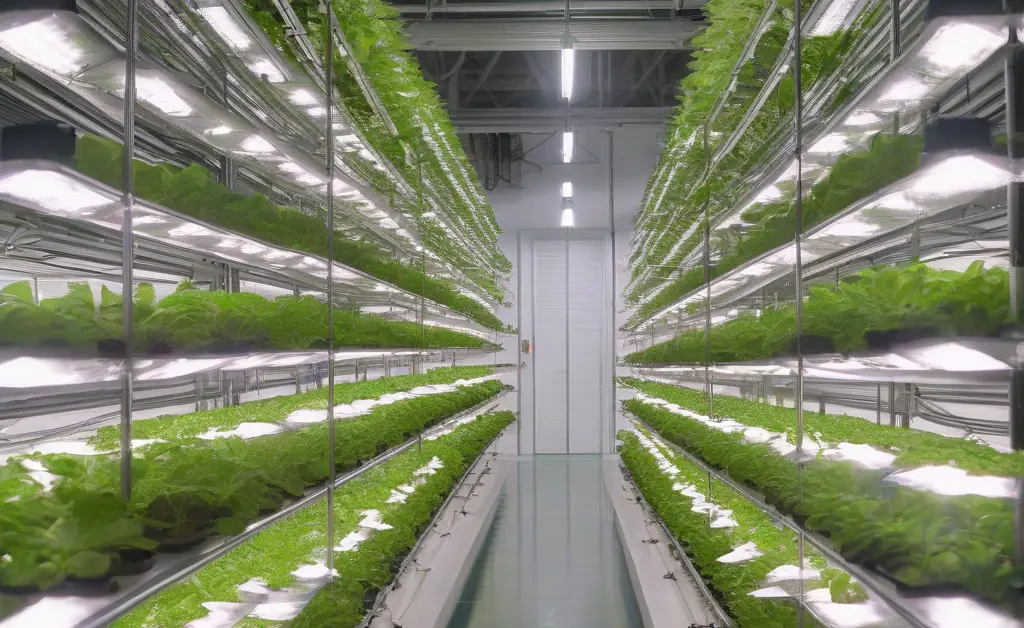
Mushrooms are highly valued for their distinctive flavors, unique textures, and significant nutritional benefits, making them a consistently sought-after food source across various cuisines and health-conscious diets globally. This sustained and growing consumer interest translates into robust opportunities for local agricultural enterprises, particularly in regions like Karnataka where the diverse climate and available resources can be effectively leveraged. This comprehensive guide is designed to equip aspiring entrepreneurs and seasoned farmers with the essential knowledge and practical steps required for successful mushroom cultivation in Karnataka. It will cover everything from selecting the right mushroom varieties suited to the local environment and understanding optimal growing conditions, to navigating market access strategies and ensuring a profitable venture in this burgeoning sector.
Introduction to Mushroom Cultivation in Karnataka
The agricultural landscape of Karnataka presents a fertile ground for diversified farming practices, with mushroom cultivation emerging as a promising and economically viable option. With its varied agro-climatic zones, from the coastal plains to the Western Ghats and the arid interior, the state offers environments suitable for a range of mushroom species. Expanding mushroom cultivation in Karnataka offers not only a source of income for farmers but also contributes to food security and provides a nutritious food source for the population. This overview highlights the potential for new farmers to enter this sector, leveraging existing agricultural infrastructure and traditional farming knowledge. Mushroom cultivation in India is a growing sector with significant potential.
Why Karnataka is a Favorable Location
Karnataka’s geographical diversity is a significant asset for mushroom farming. The cooler, humid conditions found in parts of the Western Ghats are naturally conducive for certain species, while other regions can be adapted through controlled environment farming. The state also benefits from a robust agricultural economy, with established supply chains for raw materials like paddy straw, an essential substrate for many mushroom varieties. Furthermore, the growing urban population and increasing awareness of health and nutrition contribute to a steady and expanding demand for fresh mushrooms, providing a ready market for local producers.
Mushroom Cultivation Karnataka: Essential Requirements
Successful mushroom cultivation in Karnataka hinges on meticulously establishing and maintaining the right environmental conditions and infrastructure. Beyond just selecting the right mushroom varieties, understanding the fundamental requirements for a mushroom farm is paramount for ensuring high yields and quality produce. Setting up an efficient cultivation unit involves careful planning regarding space, climate control, and the procurement of specific materials.
Key requirements include dedicated growing spaces that can be regulated for temperature and humidity, which are crucial for mycelial growth and fruiting. Access to clean water is indispensable for substrate preparation and maintaining humidity levels. Additionally, a reliable power supply is often necessary for operating climate control systems and sterilization equipment. The foundation for successful mushroom cultivation in Karnataka starts with these infrastructural considerations.
Types of Mushrooms Suitable for Cultivation in Karnataka
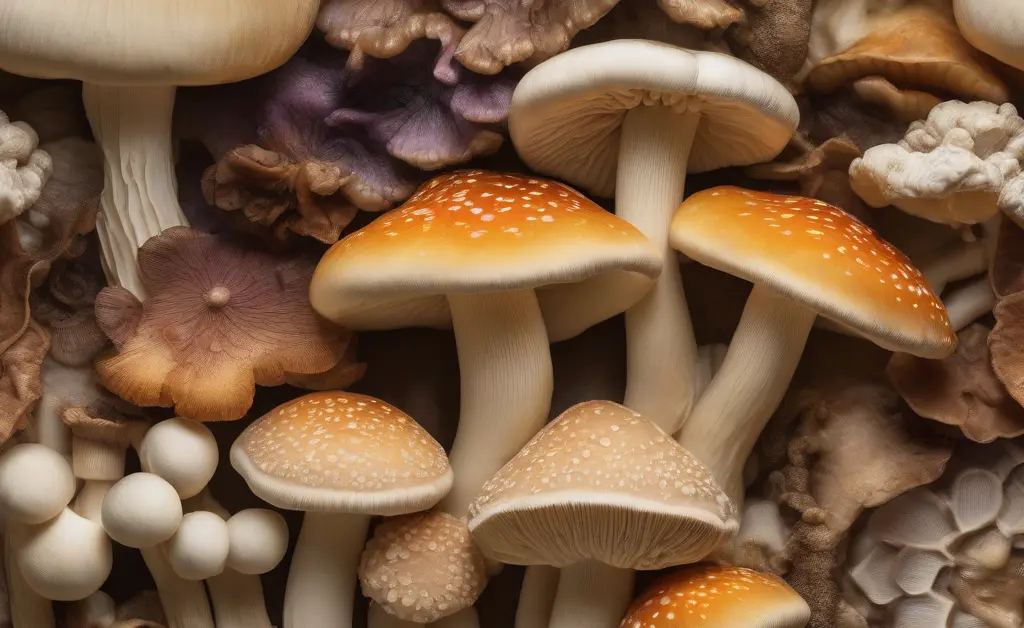
Several mushroom species thrive in the diverse climatic conditions of Karnataka, or can be successfully grown with appropriate environmental control. The choice of mushroom variety often depends on factors such as ease of cultivation, market demand, and the specific resources available to the farmer. Understanding the characteristics of each type is crucial for optimizing growing practices and achieving desirable yields.
Oyster Mushrooms (Pleurotus spp.)
Oyster mushrooms are among the most popular and easiest to cultivate, making them an excellent choice for beginners and commercial growers alike in Karnataka. They are known for their rapid growth rate, high yields, and ability to grow on a wide range of agricultural wastes, such as paddy straw, wheat straw, and sawdust. Their cultivation typically requires moderate temperatures and relatively high humidity, conditions that can be managed effectively in many parts of the state.
Milky Mushrooms (Calocybe indica)
Milky mushrooms are gaining popularity in India, particularly in warmer climates, due to their white color, firm texture, and longer shelf life compared to oyster mushrooms. They prefer slightly higher temperatures for their growth and fruiting, making them well-suited for the tropical and subtropical regions of Karnataka. They also grow well on agricultural waste substrates and offer a good option for diversification in mushroom farming.
Button Mushrooms (Agaricus bisporus)
Button mushrooms are globally the most consumed mushroom variety. While they require more controlled environmental conditions than oyster or milky mushrooms, their high market demand makes them a very profitable option. Cultivating button mushrooms typically involves specialized composting of agricultural wastes and maintaining specific temperature and humidity ranges, often necessitating dedicated climate-controlled growing rooms. This variety is best suited for farmers in Karnataka who are willing to invest in more sophisticated infrastructure.
The Cultivation Process for Key Mushroom Varieties
The general process for mushroom cultivation involves several stages, including substrate preparation, spawning, incubation, and fruiting. However, the specific requirements and techniques can vary significantly depending on the mushroom species. Adhering to the correct methodology for each variety is essential for successful yields and preventing contamination.
Milky Mushroom Cultivation Steps
The cultivation of milky mushrooms typically begins with the preparation of a substrate, often pasteurized paddy straw. This substrate is then inoculated with milky mushroom spawn. The spawned substrate is incubated in a dark, humid environment, allowing the mycelium to colonize the material fully. Once colonization is complete, the blocks are exposed to light and fresh air, and environmental conditions are adjusted to induce pinning and fruiting. Regular misting or humidification is essential during the fruiting stage to promote optimal growth.
Oyster Mushroom Cultivation Steps
Oyster mushroom cultivation usually starts with sterilizing or pasteurizing a substrate, commonly paddy straw or other lignocellulosic waste. After cooling, the substrate is inoculated with oyster mushroom spawn. The spawned bags or blocks are then hung or placed in an incubation room where the mycelium spreads throughout the substrate. Once the substrate is fully colonized, the blocks are moved to a fruiting room where conditions such as temperature, humidity, and fresh air exchange are optimized for the development of mushroom clusters. Harvesting is done when the caps are well-formed but still tender.
Button Mushroom Cultivation Steps
Button mushroom cultivation is generally more complex, starting with the careful preparation of a specialized compost, usually a mixture of straw, manure, and other organic materials, which undergoes a two-phase composting process. This compost is then spawned with button mushroom spawn. Following spawning, a casing layer, often a mixture of peat moss and chalk, is applied. This casing layer is crucial for stimulating fruiting body formation. Strict environmental control, particularly temperature and humidity, is maintained throughout the incubation and fruiting cycles to achieve high-quality button mushrooms.
Challenges and Solutions in Mushroom Farming in Karnataka

While mushroom cultivation in Karnataka offers significant opportunities, growers may encounter several challenges that can impact productivity and profitability. Addressing these issues proactively with appropriate solutions is vital for sustainable and successful operations. From environmental control to biological threats, farmers must be prepared to implement effective management strategies.
Pest and Disease Management
Pests such as mites, flies, and nematodes, along with various fungal and bacterial diseases, can significantly reduce yields and quality. Effective pest and disease management involves strict hygiene protocols, proper pasteurization or sterilization of substrates, and regular monitoring of growing environments. Integrated pest management (IPM) strategies, which may include biological controls or judicious use of appropriate treatments, are crucial to protect crops without compromising safety. Timely identification of problems and rapid intervention are key in preventing widespread outbreaks that can devastate an entire mushroom cultivation in Karnataka operation. Mushroom cultivation in Jharkhand also faces similar challenges.
Temperature and Humidity Regulation
Maintaining optimal temperature and humidity levels is critical for all stages of mushroom growth. Fluctuations can lead to poor mycelial growth, reduced yields, and increased susceptibility to contamination. In Karnataka’s varied climate, this often requires investing in appropriate climate control systems, such as air conditioning units, humidifiers, exhaust fans, and cooling pads. Proper ventilation is also essential to ensure adequate fresh air exchange and prevent the buildup of carbon dioxide, which can inhibit mushroom development. Careful monitoring with thermometers and hygrometers allows farmers to make necessary adjustments to environmental controls.
Market and Business Aspects of Mushroom Cultivation in Karnataka
Beyond the technical aspects of growing, understanding the market dynamics and business strategies is crucial for the financial success of mushroom cultivation in Karnataka. A well-planned approach to market access, pricing, and distribution can significantly enhance the profitability and sustainability of a mushroom farming enterprise.
Market Access and Price Volatility
Accessing reliable markets and navigating price fluctuations are common challenges for mushroom farmers. The market for fresh mushrooms can be highly dynamic, influenced by seasonal availability, competition, and consumer demand. Farmers need to establish strong relationships with buyers and explore multiple sales channels to mitigate risks associated with price volatility. Diversifying varieties can also help spread risk and cater to different market segments.
Identifying Buyers and Markets
Identifying suitable buyers and markets is a foundational step. This involves researching local retail stores, hotels, restaurants, caterers, and even direct-to-consumer sales through farmers’ markets or online platforms. Building a network and understanding the specific needs and quality expectations of each buyer segment is vital. Some farmers may also consider supplying to larger distributors or processors who can handle larger volumes. Mushroom cultivation in Odisha can also benefit from similar market strategies.
Packaging and Storage
Mushrooms are highly perishable, making appropriate packaging and storage critical for maintaining freshness and extending shelf life. Proper packaging should protect the mushrooms from physical damage, prevent moisture loss, and allow for adequate ventilation. Refrigeration at optimal temperatures immediately after harvest is essential to slow down spoilage. Investing in proper cold chain logistics from farm to market can significantly reduce post-harvest losses and ensure a high-quality product reaches consumers.
Profitability and ROI
The profitability of mushroom cultivation in Karnataka depends on various factors, including the chosen mushroom variety, scale of operation, production efficiency, and market prices. While initial setup costs can vary, consistent high yields and effective market penetration can lead to attractive returns on investment. Many farmers find success by specializing in a few varieties and optimizing their cultivation practices to reduce operational expenses and maximize output. Thorough financial planning and analysis are crucial for assessing the long-term viability of a mushroom farming venture.
Government Support and Schemes for Mushroom Farmers in Karnataka
Recognizing the potential of mushroom farming, both central and state governments have initiated various programs and schemes to support farmers in this sector. These initiatives aim to encourage entrepreneurship, enhance agricultural productivity, and improve the livelihoods of rural communities. Farmers interested in mushroom cultivation in Karnataka should explore these resources.
Central and State Government Initiatives
Several government bodies offer support for agricultural diversification, including mushroom cultivation. These initiatives may include technical guidance, access to advanced farming techniques, and assistance in setting up modern cultivation facilities. Departments of Horticulture and Agriculture often play a key role in disseminating information and providing localized support tailored to the specific needs of farmers in different regions of Karnataka. Mushroom cultivation in Himachal Pradesh is also supported by similar government efforts.
Subsidy Programs
To reduce the financial burden on new and existing mushroom farmers, various subsidy programs are often available. These subsidies may cover components such as the construction of cultivation sheds, procurement of machinery, purchase of quality spawn, or training costs. Farmers are encouraged to inquire with local agricultural offices or specific state-level horticulture missions for detailed information on eligibility criteria and application procedures for these beneficial schemes.
Training Centers and Resources
For those new to the field, access to proper training and educational resources is invaluable. Government-funded agricultural universities, Krishi Vigyan Kendras (KVKs), and state horticulture departments frequently organize training programs on mushroom cultivation. These programs provide practical knowledge on cultivation techniques, pest and disease management, and post-harvest handling. Such training centers often offer hands-on experience and connect aspiring farmers with experts, helping them gain the necessary skills for successful mushroom farming.
Mushroom cultivation karnataka cost
The overall cost associated with establishing and operating a mushroom farm in Karnataka can vary significantly depending on several key factors. These include the scale of the operation, the specific type of mushroom chosen for cultivation, and the level of technology and infrastructure employed. Initial investments might involve setting up dedicated growing sheds, purchasing climate control equipment, and acquiring tools for substrate preparation and sterilization. Operational costs encompass expenses for raw materials like substrate components, spawn, electricity, water, labor, and packaging materials. Farmers aiming for controlled environment cultivation, such as for button mushrooms, will generally incur higher setup and running costs compared to those focusing on simpler varieties like oyster mushrooms. It is advisable for prospective farmers to conduct a detailed financial assessment, considering both fixed and variable costs, to project the economic viability of their mushroom cultivation venture.
The burgeoning field of mushroom cultivation in Karnataka presents a dynamic opportunity for agricultural entrepreneurs. By understanding the specific needs of various mushroom species, implementing efficient cultivation practices, and strategically navigating market demands, farmers can establish profitable and sustainable enterprises. The state’s diverse climate, coupled with supportive government initiatives, creates a conducive environment for this sector to flourish, contributing to both economic growth and nutritional well-being. Continuous learning, adaptation to new techniques, and strong market linkages will be crucial for long-term success in this exciting agricultural domain.
This article aims to inform, not to replace professional healthcare advice. The information provided is for general knowledge and informational purposes only, and does not constitute medical advice. Always seek the advice of a qualified health professional for any questions you may have regarding a medical condition or treatment. Individual results and experiences with dietary changes or supplements can vary significantly. The National Institutes of Health (NIH) offers extensive resources on nutrition and health.
FAQ
What is the best mushroom to cultivate in Karnataka?
Given Karnataka’s diverse climate, oyster mushrooms (Pleurotus spp.) are widely cultivated due to their adaptability to varying temperatures and relative ease of growth. Button mushrooms (Agaricus bisporus) are also popular, though they require more controlled environmental conditions for successful yields. Additionally, milky mushrooms (Calocybe indica) thrive in warmer climates, making them another suitable choice for growers in the state.
What are the government subsidies for mushroom farming in Karnataka?
Government support for agricultural activities, including mushroom farming, often falls under the purview of state agricultural or horticulture departments. These departments frequently offer various schemes that may include financial assistance, training programs, or technical guidance to encourage farmers. Interested individuals are encouraged to consult the official websites or local offices of Karnataka’s Department of Agriculture or Horticulture for the most current and specific subsidy details available.
What is the cost of setting up a mushroom farm in Karnataka?
The initial investment for establishing a mushroom farm in Karnataka can vary significantly depending on the scale of operation and the type of mushroom cultivated. Factors such as infrastructure requirements for environmental control, substrate materials, spawns, and labor contribute to the overall setup expenses. A small-scale unit might require a lower initial outlay compared to a commercial facility aiming for high-volume production.
Where can I sell my mushrooms in Karnataka?
Mushrooms cultivated in Karnataka can be sold through various channels, ranging from direct consumer sales to wholesale markets. Local farmers’ markets, specialty grocery stores, and direct supply to restaurants and hotels are common avenues for fresh produce. Additionally, larger commercial farms often engage with wholesalers who distribute to supermarkets and food processing units across the region.
What are the common problems in mushroom cultivation in Karnataka?
Challenges in Mushroom cultivation Karnataka often involve managing environmental factors such as temperature and humidity, which are crucial for optimal growth. Pests like mites and flies, along with various bacterial or fungal diseases, can significantly impact crop yield and quality if not properly controlled. Furthermore, ensuring consistent access to high-quality spawn and suitable substrate materials represents another common hurdle for growers.