
Decoding the Mushroom Cultivation Life Cycle
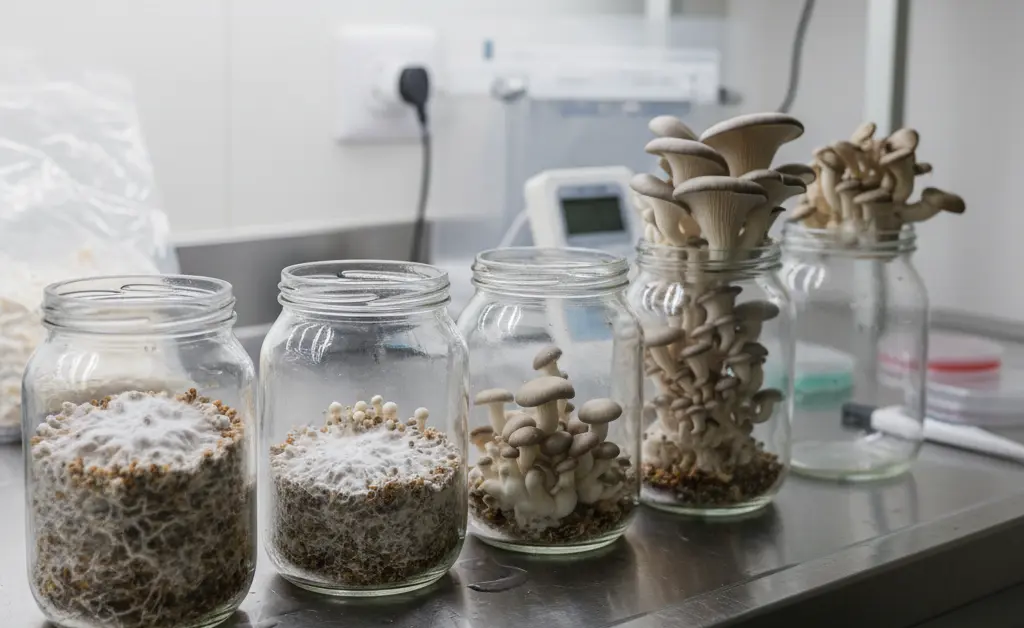
Mushroom cultivation is a rewarding endeavor, transforming simple spores into complex, edible fungi. Understanding this intricate biological process is fundamental for anyone looking to successfully grow their own mushrooms. It’s a journey from microscopic beginnings to mature fruiting bodies, each stage demanding specific conditions and careful attention. Mastering the mushroom cultivation life cycle allows growers to optimize environments, predict yields, and achieve consistent results, whether for culinary delight or broader agricultural applications. This guide will explore each phase, providing the insights needed to navigate the fascinating world of mycology and harness its potential. We will delve into the distinct biological transformations that occur, from initial inoculation to the final harvest, illuminating the interconnectedness of nature’s design.
Understanding the Mushroom Life Cycle
The journey from a microscopic spore to a fully developed mushroom, and back to spores again, is a fascinating biological process. For cultivators, understanding each phase of the mushroom cultivation life cycle is paramount to success. This intricate sequence ensures the reproduction and survival of fungi in various environments.
The Spore Stage
The life of a mushroom typically begins with a spore, analogous to a plant seed but far simpler. Spores are microscopic, single-celled reproductive units released by mature mushrooms. They are dispersed by wind, water, or other vectors, seeking a suitable environment for germination. Under ideal conditions of moisture, temperature, and nutrient availability, a spore will germinate, sprouting a thin, thread-like filament called a hypha.
The Mycelium Stage
Once a spore germinates, the hypha begins to grow and branch out, forming a network of interconnected filaments known as mycelium. This mycelial network is the vegetative body of the fungus, responsible for absorbing nutrients from its substrate. It tirelessly colonizes the growing medium, breaking down complex organic matter into simpler compounds that fuel its expansion. A robust and healthy mycelial network is critical for the eventual development of mushrooms. Developing strong mushroom cultivation technology supports robust mycelial networks.
The Primordia (Pinning) Stage
After the mycelium has fully colonized its substrate and accumulated sufficient energy, it enters the primordia stage, often referred to as “pinning.” During this phase, environmental triggers—such as a drop in temperature, an increase in humidity, or exposure to fresh air—signal the mycelium to condense into tiny knots. These knots are the nascent forms of mushrooms, known as primordia or “pins.” They are fragile and highly dependent on precise environmental conditions to develop further. Understanding mushroom cultivation temperature is key for this stage.
The Fruiting Body (Mushroom) Stage
The primordia, given optimal conditions, will rapidly grow and differentiate into the recognizable fruiting bodies—the mushrooms we consume. This stage involves significant expansion, where the cap, stem (stipe), and gills (lamellae) become distinct. The gills beneath the cap are where new spores will be produced, ready to be released and begin the mushroom cultivation life cycle anew. The mushroom’s appearance, size, and texture will vary greatly depending on the species.
What are the 5 stages of mushroom growth?
While the stages can sometimes be grouped differently, a common understanding of the mushroom cultivation life cycle often highlights five key phases: spore germination, mycelial colonization, primordia formation (pinning), fruiting body development, and spore dispersal/harvest. Some perspectives might combine pinning and fruiting as one stage, or separate spore dispersal as its own distinct reproductive phase. Each of these stages represents a critical transition in the fungus’s development, requiring specific conditions to progress successfully.
The Role of Each Stage in Cultivation
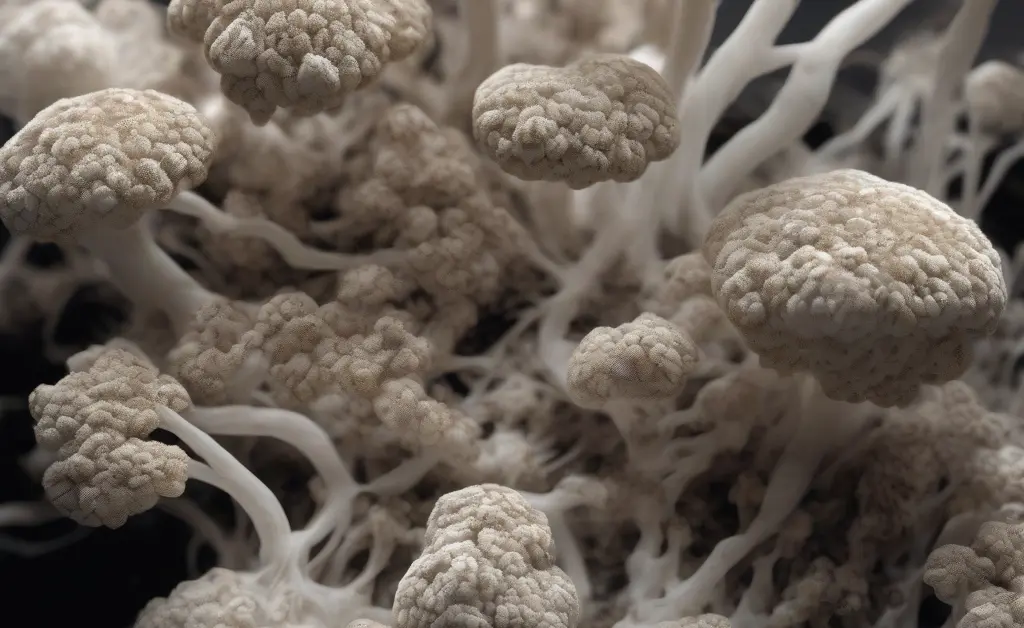
Successful mushroom cultivation hinges on a deep understanding and careful manipulation of each stage within the mushroom cultivation life cycle. Cultivators act as facilitators, guiding the fungus through its natural progression by providing the optimal environment at every turn. Managing each phase effectively can significantly impact yield and quality.
Initiating the Life Cycle: Spore Inoculation
The cultivation process typically begins with inoculation, where spores or mycelial cultures are introduced to a prepared substrate. This critical first step sets the foundation for the entire mushroom cultivation life cycle. Whether using a spore syringe, liquid culture, or grain spawn, proper sterile technique is essential to prevent contamination and ensure a pure culture can establish itself. The quality of the inoculum and the cleanliness of the process directly influence the vigor of initial growth.
Developing Mycelial Networks for Growth
Once inoculated, the mycelium begins its work, colonizing the chosen substrate. This vegetative growth phase requires a period of darkness and consistent temperatures to encourage the mycelial network to spread thoroughly. Substrates like sawdust or straw provide the necessary nutrients. A fully colonized substrate, often appearing as a dense white mass, indicates that the mycelium has gathered enough energy and established a robust network, ready to support the next stages of the mushroom cultivation life cycle. Incomplete colonization can lead to issues like poor pinning or reduced yields. Ensuring the correct mushroom cultivation environment is crucial here.
Triggering Fruiting: From Pins to Harvest
After colonization, cultivators introduce specific environmental changes to “trigger” fruiting. This often involves reducing temperature, increasing humidity, and introducing fresh air exchange to simulate the conditions that would naturally induce pinning in the wild. Monitoring these factors is crucial as the tiny primordia develop into mature mushrooms. Adequate humidity is particularly important during this phase to prevent the pins from drying out and to support the rapid expansion of the fruiting bodies. Contamination issues during this delicate stage can also severely impact the crop.
Harvesting and Spore Production for Next Cycles
The final practical stage for the cultivator is harvesting the mature mushrooms. Knowing the optimal time to harvest is key to maximizing quality and ensuring continued production. Harvesting too early can reduce yield, while harvesting too late might lead to spore release, which can signal the end of a flush or lead to a dusty environment. For those looking to continue their cultivation efforts, collecting spores from healthy, mature fruiting bodies completes the mushroom cultivation life cycle and provides the starting material for future generations. This ensures a sustainable cycle of Production of Mushrooms from Sawdust or other chosen substrates. Setting up a dedicated mushroom cultivation room can help manage these conditions.
Factors Affecting the Mushroom Cultivation Life Cycle
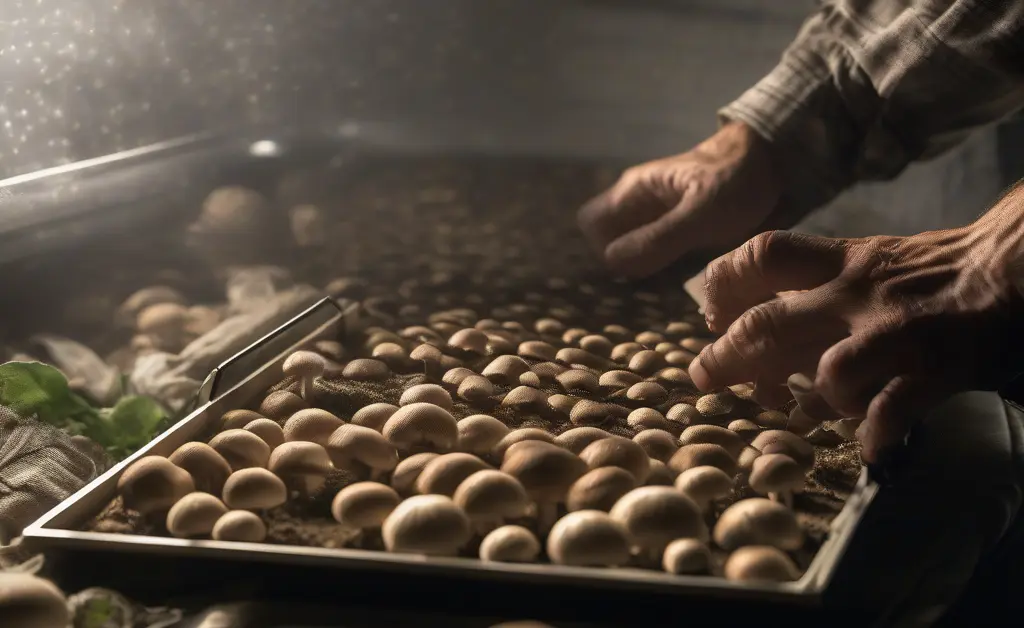
Several environmental and cultural factors play a pivotal role in dictating the success and efficiency of the entire mushroom cultivation life cycle. Growers must carefully manage these variables to encourage healthy growth and maximize yields. Understanding these influences is key to overcoming common challenges in mushroom cultivation.
Key factors include:
- Temperature and Humidity Requirements: Each mushroom species has an optimal temperature range for both mycelial colonization and fruiting. Maintaining appropriate humidity levels is also critical, especially during pinning and fruiting, to prevent drying out and support proper development. Fluctuations outside these ideal ranges can stress the fungus and hinder progress.
- Substrate and Nutrient Availability: The growing medium, or substrate, provides the essential nutrients for the mycelium. Different species prefer different substrates, such as sawdust, straw, or grain. The availability and proper preparation of these nutrients directly impact the vigor of mycelial growth and the subsequent size and health of the fruiting bodies.
- Light and CO2 Levels: While mycelial growth often occurs in darkness, light can be an important trigger for pinning in many species, signaling the surface. CO2 levels also play a significant role; high CO2 promotes mycelial growth, while lower CO2 (achieved through fresh air exchange) is typically necessary to stimulate fruiting and prevent malformed mushrooms.
- Sterilization and Contamination Control: The presence of competing microorganisms, or contaminants, is a major challenge in mushroom cultivation. Proper sterilization of substrates and strict sterile techniques during inoculation are vital to give the desired mushroom mycelium an advantage and prevent other fungi or bacteria from taking over. Contamination issues can lead to Incomplete Colonization or a complete loss of the crop.
- Air Exchange: Adequate fresh air exchange is crucial, particularly during the fruiting phase. It helps regulate CO2 levels and provides oxygen for the developing mushrooms. Poor air circulation can lead to spindly stems and small caps, often signs of Poor Pinning or Fruiting.
Careful management of these factors allows cultivators to guide the mushroom through its life cycle efficiently, addressing potential problems before they escalate and ensuring a productive harvest.
Understanding the mushroom cultivation life cycle is an empowering journey for any grower. From the silent, intricate spread of mycelium to the dramatic emergence of the fruiting body, each phase presents opportunities for meticulous care and observation. Mastery of this biological rhythm not only leads to successful harvests but also deepens appreciation for the wonders of the fungal kingdom. By embracing the principles of hygiene, environmental control, and patience, cultivators can consistently bring forth fresh, abundant mushrooms, making this ancient practice a rewarding endeavor for the modern enthusiast.
While this article discusses health-related topics, it does not provide medical guidance. The information presented here is for general knowledge and educational purposes only, and should not be used as a substitute for professional medical advice, diagnosis, or treatment. Always consult with a qualified healthcare professional for any health concerns or before making any decisions related to your health or well-being. If you have health concerns, you may wish to consult the NHS.
FAQ
What are the four stages of the mushroom life cycle?
The mushroom life cycle typically progresses through four primary stages. It begins with microscopic spores, which germinate into a vast network of mycelium. This mycelium then forms primordia, also known as pins, which are miniature versions of the eventual mushroom. Finally, these primordia develop into the mature fruiting body that we recognize as a mushroom.
How long does the mushroom life cycle take?
The duration of a mushroom’s life cycle is highly variable, depending significantly on the specific species and environmental conditions. Factors such as temperature, humidity, and the available substrate all influence how quickly a fungus completes its journey from spore to mature mushroom. Some species can complete their cycle in a few weeks, while others take several months.
What is mycelium in the mushroom life cycle?
Mycelium represents the vegetative body of a fungus, consisting of a vast, interconnected network of thread-like structures called hyphae. This intricate network is crucial for absorbing nutrients from its environment, effectively acting as the organism’s digestive system. A robust mycelial network is fundamental for successful mushroom cultivation life cycle stages, as it gathers the energy needed to produce fruiting bodies.
How do spores contribute to the mushroom life cycle?
Spores are the reproductive units of fungi, akin to seeds in plants, and are essential for propagation. When released from a mature mushroom, these microscopic spores are carried by air currents or other means until they land in a suitable environment. Under favorable conditions of moisture and nutrients, they germinate, initiating the growth of new mycelium and perpetuating the fungal life cycle.