
BSc First-Year Guide to Mushroom Cultivation
Imagine the delicate aroma of freshly sautéed oyster mushrooms filling your kitchen, a dish made even more satisfying because you watched those very fungi sprout from humble beginnings. Or perhaps you’ve savored the earthy richness of a shiitake dish, pondering the intricate process that brings such culinary delights to our tables. This appreciation for edible fungi often sparks a deeper curiosity about their lifecycle and growth. For students embarking on their academic journey, particularly those in biological sciences, understanding mycology and its practical applications is fundamental. This comprehensive guide provides essential mushroom cultivation notes bsc 1st year, offering foundational knowledge on the principles, techniques, and importance of cultivating these fascinating organisms, laying the groundwork for future expertise in this burgeoning field.
Mushroom cultivation notes bsc 1st year
For students beginning their exploration into mycology, understanding the core principles of mushroom cultivation is a valuable part of their biological science curriculum. These comprehensive mushroom cultivation notes for BSc 1st year aim to demystify the process, from the initial setup to the final harvest, covering essential concepts that form the bedrock of this fascinating agricultural practice.
Definition and Importance
Mushroom cultivation involves the controlled growing of edible fungi for various purposes, primarily food, but also for their potential medicinal and industrial applications. It is a specialized form of agriculture that differs significantly from traditional plant farming, as fungi are heterotrophic organisms, meaning they obtain nutrients from organic matter rather than photosynthesis.
The importance of mushroom cultivation is multi-faceted. Nutritionally, edible mushrooms are a valuable source of protein, essential vitamins (such as B vitamins and vitamin D), and minerals. They also contain compounds with antioxidant properties. Economically, it provides a viable income source for many farmers, often utilizing agricultural waste products as substrates, thereby contributing to sustainable practices. Furthermore, the growing interest in the nutritional and medicinal value of mushrooms highlights their role in promoting health and wellness. More information on health-related topics can be found from the National Library of Medicine.
Scope and Future of Mushroom Cultivation
The scope of mushroom cultivation is continuously expanding. Historically, fungi have been part of human diets for centuries, but commercial cultivation has seen significant growth in recent decades. Modern techniques allow for efficient production, catering to diverse global markets. The industry encompasses everything from small-scale home growers to large commercial operations, providing fresh, dried, and processed mushroom products. For a detailed reference, a comprehensive mushroom cultivation pdf can be invaluable.
Looking to the future, mushroom cultivation is poised for continued growth. Advances in mycology and biotechnology are leading to the discovery of new edible and medicinal species, as well as more efficient cultivation methods. The increasing demand for sustainable food sources, plant-based proteins, and natural health products further drives innovation in this sector. For insights into advanced methods, a mushroom cultivation technology pdf can offer valuable information. Research into the nutritional value of mushrooms and their potential health benefits, such as supporting immune function or providing adaptogenic properties, also contributes to their rising popularity.
Basics of Mushroom Cultivation
Embarking on the journey of mushroom cultivation requires a grasp of fundamental biological principles and practical techniques. These basics form the essential framework for successful growth, encompassing everything from selecting the right species to providing optimal environmental conditions. Mastering these concepts is crucial for any student delving into mushroom cultivation notes for BSc 1st year, preparing them for more advanced studies and practical applications. A detailed mushroom cultivation guide pdf can further aid in practical implementation.
Commonly Cultivated Varieties (e.g., Button, Oyster, Shiitake)
Several mushroom varieties are widely cultivated due to their palatability, ease of growth, and market demand.
- Button Mushroom (Agaricus bisporus): This is the most popular and widely consumed mushroom globally. It is typically grown on composted manure or straw. Button mushrooms are versatile in culinary uses and are known for their mild flavor.
- Oyster Mushroom (Pleurotus ostreatus): Oyster mushrooms are relatively easy to grow and adaptable to various substrates, including straw, sawdust, and coffee grounds. They come in several colors and offer a delicate, slightly sweet flavor.
- Shiitake Mushroom (Lentinula edodes): Originating from East Asia, shiitake mushrooms are prized for their rich, umami flavor and meaty texture. They are traditionally grown on hardwood logs, but modern cultivation often uses sawdust blocks. They are also studied for their nutritional and potential medicinal value.
Exotic Mushroom Varieties
Beyond the common types, a growing number of exotic mushroom varieties are gaining popularity among cultivators and consumers alike. These include varieties like Lion’s Mane (Hericium erinaceus), known for its unique appearance and texture, and King Trumpet (Pleurotus eryngii), valued for its robust flavor and firm stem. Cultivating exotic varieties often requires more specialized knowledge but can yield higher returns due to their niche market appeal and distinct culinary and potential health attributes.
Substrate Preparation
The substrate is the material on which mushrooms grow, providing the necessary nutrients. Common substrates include straw, sawdust, wood chips, and various agricultural wastes. Proper substrate preparation is critical for success. This typically involves several steps:
- Shredding/Chopping: Breaking down the material into smaller pieces to increase surface area for mycelial colonization.
- Hydration: Adding water to achieve optimal moisture content, which is crucial for fungal growth.
- Pasteurization or Sterilization: Heating the substrate to eliminate competing microorganisms. Pasteurization (heating to lower temperatures for longer durations) reduces competitor populations, while sterilization (heating to higher temperatures under pressure) eliminates nearly all organisms, creating a cleaner environment for the mushroom mycelium.
Spawn and Inoculation
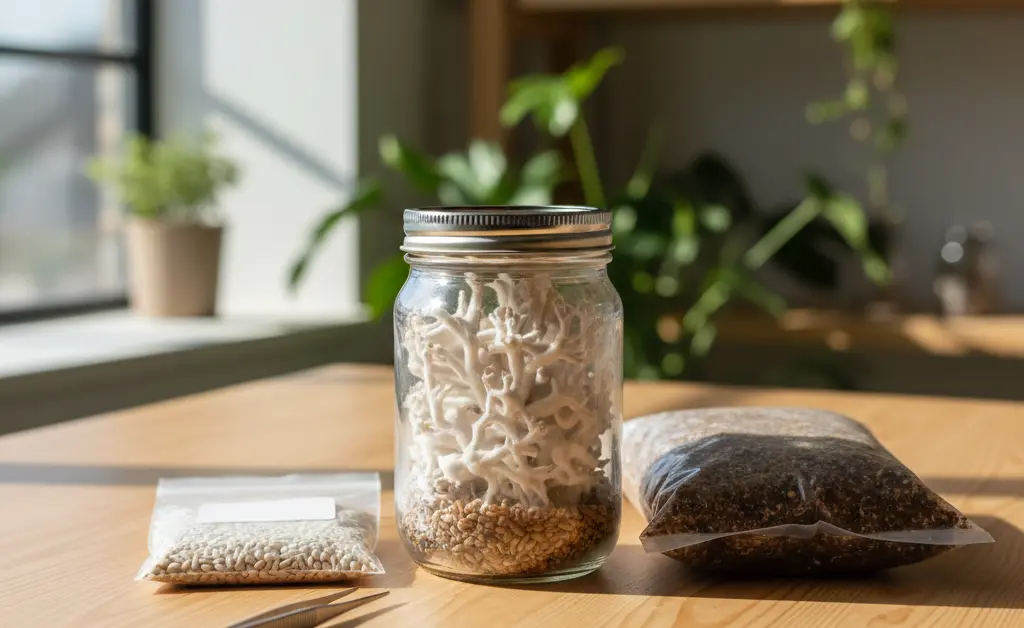
Spawn is the mushroom equivalent of seeds, consisting of a substrate (like grain or sawdust) colonized by mushroom mycelium (the vegetative part of the fungus). High-quality spawn is essential for a successful crop. Inoculation is the process of introducing the spawn into the prepared substrate. This is done in a clean environment to minimize contamination. The spawn begins to colonize the substrate, forming a dense network of mycelial threads.
Environmental Conditions (Temperature, Humidity, Light)
Fungi are highly sensitive to environmental factors, and precise control is necessary for optimal growth. These critical environmental conditions for mushroom cultivation include:
- Temperature: Each mushroom species has specific temperature requirements for mycelial growth and fruiting. Maintaining the correct temperature range is vital.
- Humidity: High humidity is generally required during the fruiting phase to prevent the young mushrooms from drying out. This can be achieved through humidifiers or regular misting.
- Light: While mushrooms do not photosynthesize, some species require a small amount of indirect light to initiate fruiting and develop proper cap and stem structures. Excessive direct light should generally be avoided.
- Air Exchange: Adequate fresh air exchange is crucial to prevent the buildup of carbon dioxide, which can inhibit mushroom development and lead to elongated, abnormal growth.
Fruiting and Harvesting
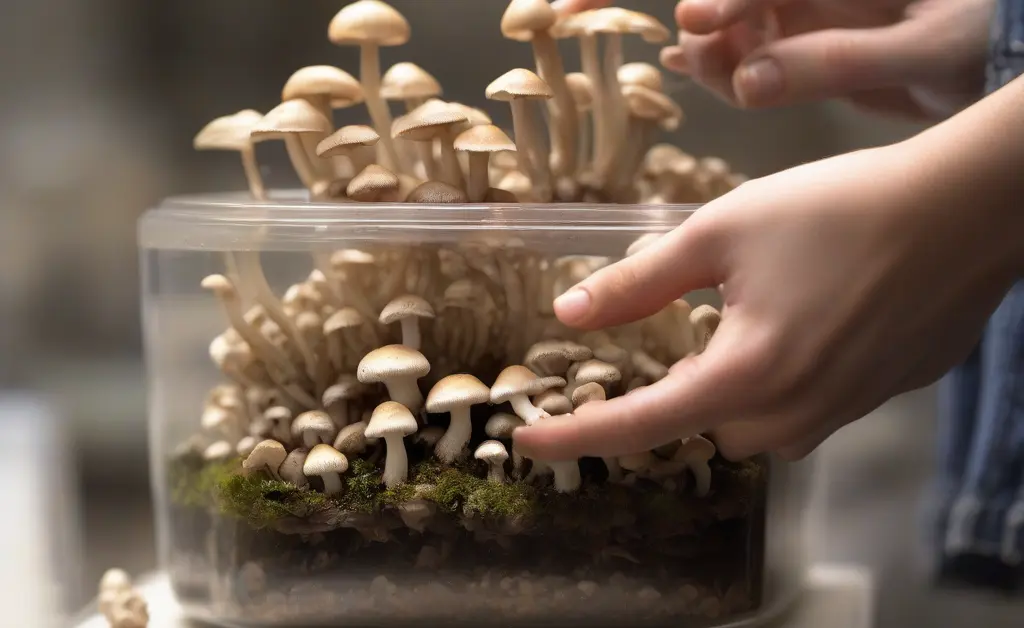
After the substrate is fully colonized by the mycelium, conditions are typically altered to induce fruiting, signaling the mycelium to produce mushrooms. This often involves a drop in temperature, an increase in humidity, and exposure to fresh air and some light. Once the mushrooms appear and reach a desirable size, they are harvested. Harvesting usually involves gently twisting or cutting the mushrooms from the substrate. Proper harvesting techniques ensure minimal damage to the substrate, potentially allowing for subsequent flushes or harvests from the same block.
Mastering these foundational aspects of mushroom cultivation equips students with a solid understanding of the biological and practical considerations involved in growing these remarkable fungi, setting the stage for further academic and professional pursuits.
The journey of mushroom cultivation, from preparing the substrate to harvesting the fruiting bodies, is a testament to the intricate wonders of the fungal kingdom. For BSc 1st-year students, these notes provide a fundamental understanding of mycology’s practical applications, highlighting the biological principles that govern successful growth. As the demand for sustainable food sources and natural health products continues to rise, the field of mushroom cultivation promises exciting opportunities for innovation and contribution. By grasping these core concepts, aspiring mycologists and biologists can lay a strong foundation for future research, development, and sustainable practices in this burgeoning industry.
This article is written for general understanding and not for medical decision-making. The information provided is intended for educational purposes and should not be used as a substitute for professional medical advice, diagnosis, or treatment. Always consult with a qualified healthcare provider for any health concerns or before making any decisions related to your health or care.
FAQ
What are the basic steps for mushroom cultivation?
Mushroom cultivation involves several key stages, beginning with preparing a suitable substrate, which is the material mushrooms grow on. This substrate is then inoculated with mushroom spawn, which contains the mushroom’s mycelium, the vegetative part of the fungus. The inoculated substrate is incubated in controlled conditions to allow the mycelium to colonize it, followed by a fruiting phase where mushrooms develop.
Which are the most common edible mushroom varieties?
Several mushroom varieties are widely cultivated and consumed for their taste and texture. Button mushrooms, shiitake, and oyster mushrooms are among the most popular due to their versatility in cooking and relatively straightforward cultivation processes. Portobello mushrooms are simply mature button mushrooms and are also a common choice.
What is the nutritional value of mushrooms?
Mushrooms offer a good source of various nutrients, including B vitamins, selenium, and potassium. They are also low in calories and fat, making them a healthy addition to many diets. Certain varieties can also provide dietary fiber and some protein.
How can I identify poisonous mushrooms?
Identifying poisonous mushrooms requires expert knowledge and should never be attempted by amateurs, as many edible and toxic species can look very similar. Misidentification can lead to severe illness or death. It is safest to only consume mushrooms that have been professionally identified or purchased from reputable sources.
What is the medicinal value of mushrooms?
Certain mushrooms have been studied for their potential health benefits and are used in traditional medicine systems. Compounds found in these fungi are being researched for their roles in supporting the immune system and promoting overall well-being. For example, mushroom cultivation notes bsc 1st year might cover the biology of how these compounds are produced.