
Getting Started with Mushroom Cultivation in NZ
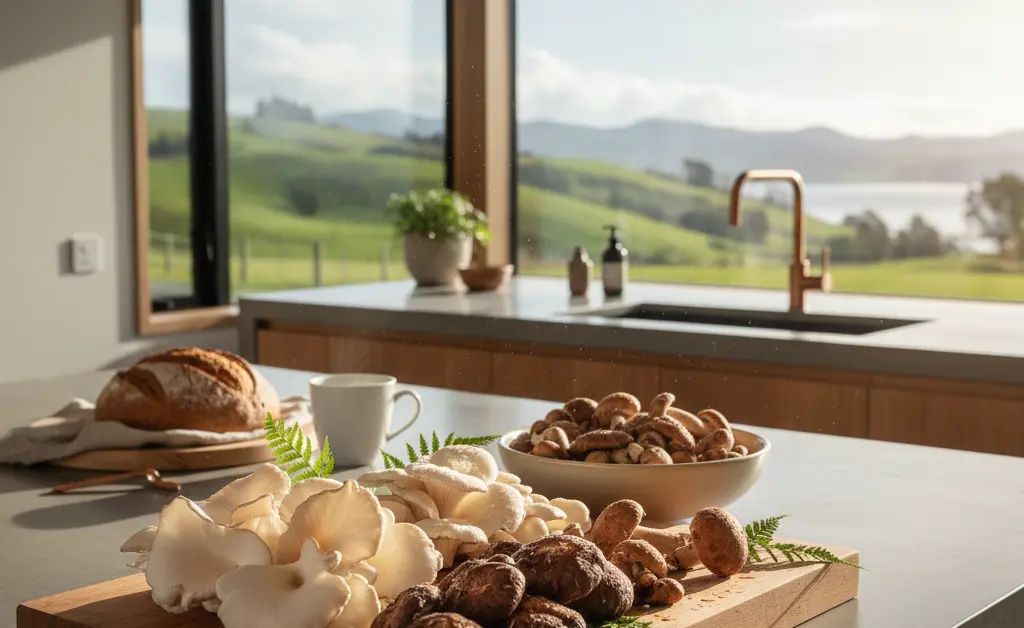
Are you tired of limited choices and expensive prices for fresh, specialty mushrooms at your local grocery store? Do you wish you could easily access a consistent supply of delicious, nutrient-rich fungi for your culinary adventures or health regimen? The frustration of seeking out gourmet varieties or paying a premium for imported options can be a significant hurdle for many enthusiasts. Fortunately, transforming this challenge into a rewarding endeavor is entirely achievable. This guide delves into everything you need to know about embarking on mushroom cultivation NZ, offering practical steps and expert advice to help you successfully grow your own diverse range of fungi right in your backyard or a dedicated indoor space, enhancing your kitchen and wellbeing with fresh, homegrown produce.
Mushroom Cultivation New Zealand
Why Grow Mushrooms in New Zealand?
Engaging in mushroom cultivation in New Zealand offers a wealth of benefits, from the satisfaction of self-sufficiency to the enjoyment of superior flavor and freshness. The local climate, particularly in various regions, can be surprisingly conducive to growing a wide array of gourmet and specialty mushrooms, allowing enthusiasts to tap into a sustainable source of fresh produce. Growing your own mitigates the environmental impact associated with long-distance transportation of imported varieties and supports a more localized food system. Furthermore, freshly harvested mushrooms often possess a richer flavor and firmer texture than their store-bought counterparts, elevating culinary creations.
Beyond the culinary advantages, embracing mushroom cultivation can be a rewarding hobby that connects you with natural cycles and provides a sense of accomplishment. It also opens up opportunities to grow varieties that are scarce or prohibitively expensive in commercial markets. For those interested in sustainable living and contributing to food security, cultivating mushrooms at home presents a practical and enjoyable pathway.
Understanding Mushroom Cultivation in NZ
Types of Mushroom Growing Methods Suitable for NZ
Successful mushroom cultivation in NZ can be achieved through various methods, each with its own advantages and requirements. The choice often depends on the scale of operation, available space, and the specific mushroom species being grown. For beginners, pre-inoculated mushroom growing kits are an excellent starting point, offering a simplified approach to producing a first flush of mushrooms with minimal effort. These kits typically come ready to fruit, requiring only proper environmental conditions.
For those looking to expand, growing in bags or blocks made of sterilized substrate (such as sawdust or straw) is a popular and efficient method, especially for species like oyster mushrooms or shiitake. Log cultivation, while requiring more patience, is a traditional and highly sustainable method for certain wood-loving species like shiitake and lion’s mane, utilizing fallen timber. Outdoor mushroom beds, integrating wood chips or straw into garden spaces, can also be a productive way to grow certain varieties, often blending seamlessly with permaculture principles.
Choosing the Right Mushroom Varieties for NZ
Selecting appropriate mushroom varieties is a pivotal step for anyone embarking on mushroom cultivation in NZ. The diverse climate across the North and South Islands means that some species will thrive more readily in certain regions or under specific conditions. Understanding the growth requirements of different fungi will significantly increase your chances of a successful harvest. Focusing on species known for their adaptability and ease of cultivation in temperate zones is often recommended for beginners.
Popular Edible Mushroom Species in New Zealand
Several edible mushroom species are well-suited for cultivation in New Zealand, offering both delicious culinary experiences and potentially supportive properties. Oyster mushrooms (Pleurotus spp.), for instance, are widely regarded as one of the easiest and fastest-growing varieties, thriving on a range of substrates like straw or sawdust. Their rapid growth cycle and robust nature make them ideal for beginners.
Shiitake mushrooms (Lentinula edodes) are another highly sought-after species, known for their rich, umami flavor. They can be grown on logs or sawdust blocks, though they require a bit more patience than oysters. Lion’s Mane (Hericium erinaceus), with its distinctive appearance and delicate, seafood-like taste, is also gaining popularity. Other varieties, such as Reishi (Ganoderma lucidum), traditionally valued for its functional properties, can also be cultivated, often requiring more controlled conditions.
Factors Affecting Mushroom Variety Selection (Climate, Season)
The success of mushroom cultivation in NZ is heavily influenced by local climate and seasonal variations. Different mushroom species have specific requirements for temperature, humidity, and light exposure during their various growth stages. For example, some varieties prefer cooler temperatures for fruiting, making them suitable for cultivation during the cooler months or in regions with milder climates. Others thrive in warmer, more humid conditions.
Consider whether you plan to grow indoors or outdoors. Indoor cultivation allows for greater environmental control, making it possible to grow a wider range of species year-round. Outdoor cultivation, however, will be more dependent on the natural seasonal cycles and regional weather patterns. Researching the specific needs of each mushroom variety and matching them to your local conditions or controlled environment is crucial for optimal yield.
Essential Supplies and Equipment for NZ Mushroom Growers
To embark on successful mushroom cultivation in NZ, having the right supplies and equipment is fundamental. While the specific items may vary depending on your chosen growing method and scale, a core set of tools and materials will ensure you can create the optimal environment for your fungi to flourish. Investing in quality components from reputable suppliers, especially for sensitive items like spawn, can make a significant difference in your success rate.
Mushroom spawn NZ
Mushroom spawn is the living fungal culture that serves as the “seed” for your mushroom crop. It consists of mycelium (the vegetative part of the fungus) growing on a substrate, such as grain, sawdust, or wood plugs. When sourcing mushroom spawn in NZ, it’s important to choose reputable suppliers to ensure you receive viable and contaminant-free cultures specific to the varieties you wish to grow. Different types of spawn are suited for different cultivation methods; for instance, grain spawn is excellent for inoculating bulk substrates, while plug spawn is ideal for log cultivation.
Substrates and Growing Mediums
Substrates are the nutrient-rich materials on which mushrooms grow. Common substrates include sawdust (hardwood is often preferred), straw, wood chips, and even spent coffee grounds. The choice of substrate is critical and depends on the specific mushroom species you are cultivating. For example, oyster mushrooms thrive on straw, while shiitake often prefers hardwood sawdust. Some substrates require supplementation with additional nutrients like bran or gypsum to enhance their nutritional value for the mycelium.
Spawn and Inoculation Tools
Proper inoculation, the process of introducing spawn to the substrate, requires specific tools to maintain sterility and ensure even distribution. Essential items may include latex gloves, masks, alcohol wipes for surface sterilization, and a sterile working area (such as a still air box or flow hood for advanced growers). For grain spawn, you might use measuring cups or scoops. For plug spawn, a drill bit sized for the plugs and a mallet to insert them into logs are necessary.
Containers and Growing Environments (Bags, Kits, Beds)
The container or environment where your mushrooms will grow can vary widely. For indoor cultivation, specialized grow bags (often made of autoclavable polypropylene with filter patches for gas exchange) are popular. Buckets with drilled holes can also be used for certain varieties like oyster mushrooms. Pre-made mushroom growing kits provide an all-in-one solution. For outdoor cultivation, designated mushroom beds can be created using wood chips or logs, while inoculation of logs directly into the garden offers a more naturalized approach.
Sterilization and Pasteurization Equipment
To prevent contamination from competing microorganisms, substrates often need to be sterilized or pasteurized. Sterilization (killing all living organisms) typically requires a pressure cooker or autoclave, suitable for substrates like sawdust blocks. Pasteurization (reducing competing organisms to acceptable levels) can be achieved with hot water baths or steam, often used for straw. Having the appropriate equipment ensures a clean growing environment for your mycelium, which is crucial for successful yields in mushroom cultivation NZ.
The Mushroom Growing Process in New Zealand
Substrate Preparation and Sterilization/Pasteurization
The initial stage of the mushroom growing process involves preparing the substrate. This typically includes chopping, shredding, or hydrating the chosen material (e.g., straw, sawdust, wood chips) to the optimal moisture content. Following preparation, the substrate must undergo sterilization or pasteurization. Sterilization, often performed in a pressure cooker, eliminates virtually all microorganisms, creating a clean slate for the mushroom mycelium. Pasteurization, typically using hot water or steam, reduces the microbial load to levels that allow the beneficial mushroom mycelium to dominate without being outcompeted. This critical step is foundational for preventing contamination and ensuring a healthy start for your fungi.
Inoculation and Incubation
Once the substrate is prepared and cooled, the next step is inoculation: introducing the mushroom spawn to the substrate. This should be done in as clean an environment as possible to minimize airborne contaminants. The spawn is mixed thoroughly with the substrate, or strategically placed if using methods like log inoculation. After inoculation, the substrate-spawn mixture enters the incubation phase. During this period, the mycelium colonizes the substrate, spreading its network of fungal threads. Incubation typically requires a consistent, moderate temperature and darkness, with specific requirements varying by species. This stage of mushroom cultivation in NZ can take several weeks, during which the mycelium will visibly grow throughout the substrate, indicating successful colonization.
Fruiting Conditions (Temperature, Humidity, Light, Airflow)
After full colonization, the substrate is exposed to “fruiting conditions” to stimulate mushroom formation. This involves adjusting environmental factors to mimic the natural triggers for mushroom growth. Key conditions include:
- Temperature: Many species require a drop in temperature to initiate fruiting, signalling the end of the incubation phase.
- Humidity: High humidity (often 85-95%) is crucial for pinhead (baby mushroom) formation and preventing the caps from drying out.
- Light: While not a primary energy source, indirect light is often necessary for proper cap development and direction of growth.
- Airflow: Adequate fresh air exchange is vital to prevent CO2 buildup, which can lead to elongated stems and small caps. Good airflow also helps regulate humidity and prevent mold growth.
Maintaining these parameters within the optimal range for your chosen species is essential for abundant and healthy harvests.
Monitoring Growth and Identifying Issues
Throughout the fruiting phase, diligent monitoring is key. Observe the growth of the mushrooms, checking for proper development, color, and texture. Pay close attention to environmental conditions, ensuring temperature, humidity, and airflow remain stable. Look out for any signs of contamination, such as unusual colors (green, black, red molds), foul odors, or stunted growth. Early identification of issues allows for prompt intervention, such as adjusting environmental controls or isolating contaminated blocks, which can often save part of your crop or prevent wider problems in your mushroom cultivation efforts.
Common Challenges and Solutions in NZ Mushroom Cultivation
Even with careful planning, mushroom cultivation in NZ can present various challenges. Understanding these common hurdles and knowing how to address them is crucial for maintaining a healthy grow space and achieving consistent yields. Proactive measures and swift responses to problems can make a significant difference in your success.
Pest and Disease Management
Pests such as fungus gnats and mites can be a nuisance, laying eggs in substrates and damaging mycelium or young mushrooms. Good sanitation practices, including cleaning your growing area regularly and sterilizing substrates effectively, are the first line of defense. Introducing beneficial insects or using sticky traps can also help control gnat populations. Diseases, often caused by competing fungi like green mold (Trichoderma) or cobweb mold, thrive in unhygienic conditions or improper sterilization. Preventing these requires rigorous sterile technique during inoculation and maintaining optimal environmental conditions that favor mushroom growth over contaminants.
Environmental Control Issues (Temperature/Humidity Fluctuations)
Mushrooms are sensitive to their environment, and fluctuations in temperature and humidity can severely impact growth. Too much heat can encourage bacterial growth, while too little humidity can cause mushrooms to dry out or fail to fruit. Maintaining stable conditions often requires investing in humidifiers, small heaters, or even simple methods like misting regularly and ensuring proper ventilation. Using a hygrometer and thermometer to monitor conditions accurately allows for timely adjustments, ensuring your growing environment remains within the ideal range for your chosen species throughout the mushroom cultivation process.
Contamination Problems
Contamination is arguably the most frustrating challenge in mushroom cultivation. It occurs when unwanted bacteria, molds, or other fungi outcompete your desired mushroom mycelium. Common contaminants often appear as green, black, pink, or orange molds, or give off sour or unpleasant odors. The best defense against contamination is meticulous sterile technique during all stages, particularly substrate preparation and inoculation. This includes working in a clean, sanitized environment, using sterilized tools, and ensuring your substrate is fully sterilized or pasteurized. Isolating contaminated blocks immediately can prevent the spread of spores to healthy cultures, protecting your overall mushroom cultivation setup.
Harvesting and Storing Your NZ Grown Mushrooms
When to Harvest
Knowing the optimal time to harvest your homegrown mushrooms is key to ensuring peak flavor, texture, and longevity. For most species, the ideal harvesting window is just before the cap fully flattens or when the veil (the membrane covering the gills on the underside of the cap) begins to break. For oyster mushrooms, this means when the caps are well-formed but still slightly curled at the edges. Shiitake are often harvested when their caps are about 70-80% open. Harvesting at the right stage prevents the mushrooms from dropping spores, which can reduce subsequent flushes and make them less desirable for consumption. Observing the specific characteristics of your chosen variety will become easier with experience.
Proper Harvesting Techniques
Correct harvesting techniques not only ensure you collect undamaged mushrooms but also help protect the underlying mycelium, promoting future flushes. For mushrooms growing in clusters (like oysters), gently twist the entire cluster at the base to detach it from the substrate. For individual mushrooms, such as shiitake or lion’s mane, a sharp, clean knife can be used to cut the stem close to the substrate, leaving a small piece of the stem or mycelial mat intact. Avoid pulling or tearing the mushrooms, as this can damage the mycelium and prevent further growth from that spot. Always ensure your hands or tools are clean to minimize the risk of introducing contaminants to the substrate.
Storage Methods for Freshness
Once harvested, proper storage is essential to maintain the freshness and quality of your NZ grown mushrooms. Fresh mushrooms should be stored in a paper bag or a breathable container in the refrigerator. The paper bag helps absorb excess moisture while allowing the mushrooms to breathe, preventing them from becoming slimy. Avoid storing them in airtight plastic bags, as this traps moisture and accelerates spoilage. For short-term storage, they can typically last for several days to a week. For longer preservation, options include dehydrating them until crisp, which significantly extends their shelf life and concentrates their flavor, or sautéing them lightly before freezing.
Embarking on the journey of growing your own mushrooms in New Zealand is a deeply rewarding endeavor, offering a sustainable source of fresh, gourmet fungi right at your fingertips. From selecting the perfect varieties suited to the local climate to mastering the intricacies of cultivation and ensuring a bountiful harvest, each step contributes to a greater connection with your food source. The initial effort invested in understanding the process and acquiring the right tools will pay dividends in delicious, homegrown produce, enriching your kitchen and potentially supporting overall wellbeing. With patience, observation, and a passion for fungi, successful mushroom cultivation is an accessible and enjoyable pursuit for anyone in NZ.
This material is shared for educational insight, not for clinical decision-making. Information presented here regarding mushroom cultivation practices and varieties is for general knowledge and informational purposes only. It is not intended to be a substitute for professional horticultural advice or to diagnose, treat, cure, or prevent any disease. Always exercise caution and perform thorough research when cultivating any fungi, ensuring proper identification and handling for safety.
FAQ
“`html
What are the best mushrooms to grow in New Zealand?
Certain mushroom varieties thrive in New Zealand’s climate, particularly those that prefer cooler temperatures and consistent humidity. Oyster mushrooms, shiitake, and button mushrooms are commonly cultivated due to their adaptability and relative ease of growth. These species have been widely studied for their ability to colonize various substrates, making them suitable for both commercial and home growers in the region.
Can you grow mushrooms indoors in New Zealand?
Yes, mushrooms can be successfully grown indoors in New Zealand, regardless of the outdoor climate. Indoor environments allow for precise control over temperature, humidity, and light conditions, which are crucial for optimal mushroom development. This controlled setting is ideal for ensuring consistent yields and protecting delicate mycelial growth from external environmental fluctuations.
What is the easiest mushroom to grow in New Zealand?
Oyster mushrooms are often considered the easiest variety for beginners to cultivate in New Zealand. They are vigorous growers and can colonize a wide range of substrates, including straw and sawdust, with relative speed. Their forgiving nature makes them a popular choice for those new to mushroom cultivation, offering a rewarding initial experience.
What materials are needed for mushroom cultivation in New Zealand?
Essential materials for mushroom cultivation include a chosen mushroom spawn, a suitable substrate like sawdust or straw, and containers or bags for colonization. Sterilization equipment is also important to prevent contamination, alongside a clean growing area where temperature and humidity can be managed. For larger operations, specific environmental control systems may be utilized to optimize growth conditions.
“`