
Growing Paddy Straw Mushrooms: A Complete Guide
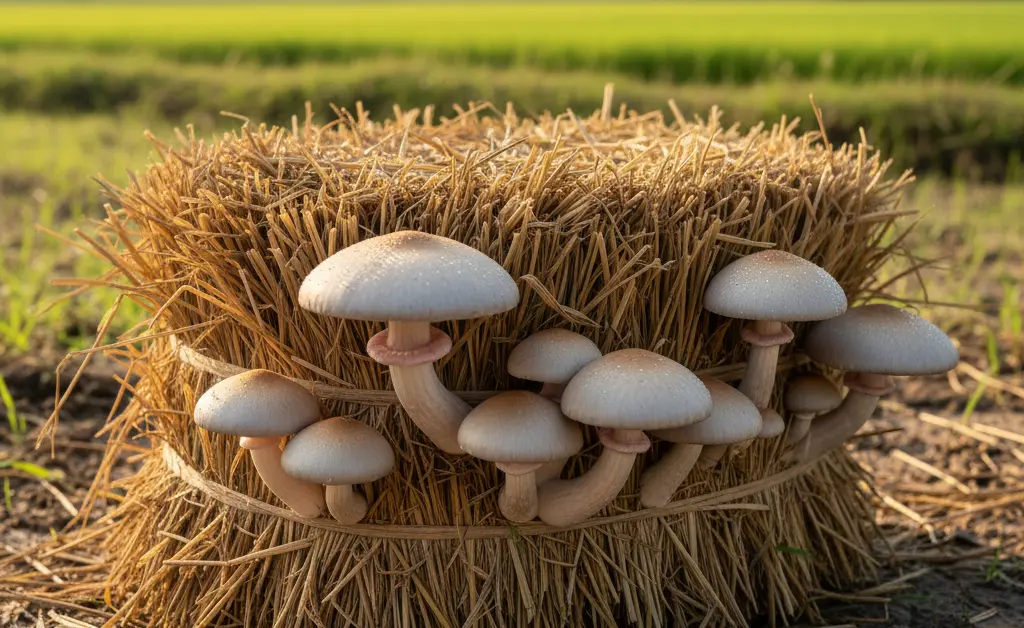
Many might assume that cultivating gourmet mushrooms is a complex endeavor, demanding sterile laboratories and high-tech equipment. However, the reality for certain species is far simpler and more accessible. Indeed, one of the most rewarding and sustainable approaches involves repurposing agricultural waste. This guide will explore the practicalities and benefits of mushroom cultivation on paddy straw, a method that not only transforms readily available resources into valuable produce but also offers an entry point for aspiring growers. We will delve into the step-by-step process, from preparing the substrate to harvesting the delicious Volvariella volvacea, demonstrating that successful fungal farming can be achieved with modest means and careful attention to detail.
Understanding Paddy Straw Mushrooms
Paddy straw mushrooms, scientifically known as Volvariella volvacea, are a highly regarded edible mushroom, particularly in Asian cuisines. These mushrooms are recognized for their distinct earthy flavor and delicate texture, making them a popular choice for various dishes. Unlike some other cultivated species, paddy straw mushrooms thrive in warmer climates and are exceptionally well-suited for growth on lignocellulosic materials, with paddy straw being their preferred natural substrate. Their relatively rapid growth cycle also makes them an attractive option for cultivators seeking a quicker turnover from their efforts in mushroom cultivation on paddy straw.
Why Cultivate Paddy Straw Mushrooms on Straw?
Cultivating paddy straw mushrooms directly on rice straw offers a multitude of advantages, both practical and environmental. Paddy Straw (Rice Straw) is an abundant agricultural byproduct, often considered waste after rice harvesting, making it a highly cost-effective and readily available substrate. Utilizing it for mushroom cultivation transforms this waste into a valuable food source, contributing to waste reduction and a circular economy. Furthermore, paddy straw naturally provides the necessary nutrients and structure for Volvariella volvacea to flourish, simplifying substrate preparation compared to more complex formulations required for other mushroom species. This method also aligns with sustainable agricultural practices by repurposing materials that might otherwise be burned, contributing to air pollution.
Best Mushroom Cultivation on Paddy Straw
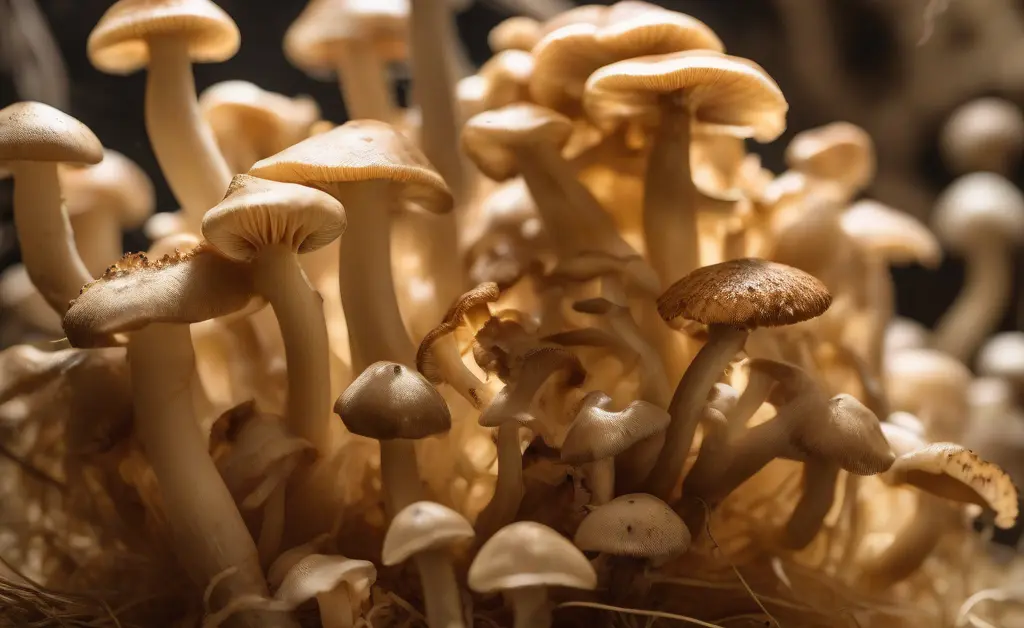
Achieving successful mushroom cultivation on paddy straw involves a combination of careful preparation, environmental control, and attention to detail. The best practices emphasize hygiene from start to finish, ensuring the substrate is properly prepared to favor mushroom growth over competing organisms. Selecting high-quality Mushroom Spawn (Verified) is paramount, as healthy spawn is the foundation for a robust mycelial network and abundant fruiting. Consistent monitoring of temperature and humidity, along with adequate ventilation, creates the ideal microclimate for the mushrooms to develop optimally, leading to higher yields and quality produce.
How to Grow Paddy Straw Mushrooms In Containers
Growing paddy straw mushrooms in containers is an excellent method for small-scale growers or those with limited space. This approach allows for greater control over the growing environment and minimizes the risk of contamination. Suitable Containers or Growing Beds include plastic bags, baskets, or shallow trays. The process involves layering the prepared paddy straw with spawn within the container, ensuring even distribution. After inoculation, the containers are often covered loosely to maintain humidity while allowing some air exchange. Regular misting and placement in an environment with stable temperatures are crucial for successful mycelial colonization and subsequent fruiting.
Materials and Equipment Needed for Paddy Straw Mushroom Cultivation
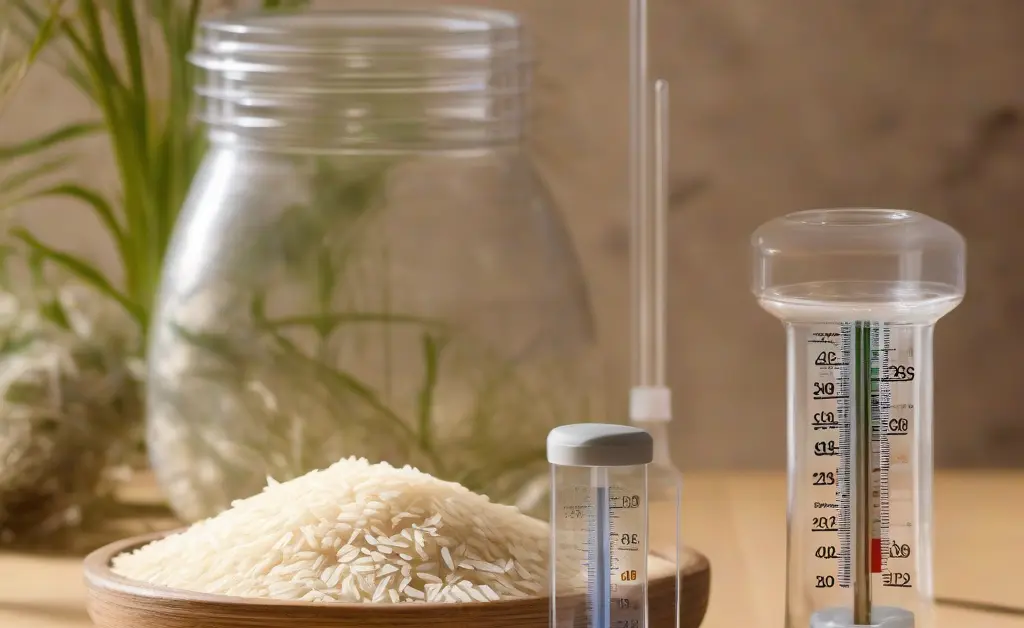
Embarking on mushroom cultivation on paddy straw requires a basic set of materials and equipment, most of which are readily available or can be sourced economically. The primary substrate is Paddy Straw (Rice Straw), which should be clean and dry. You will need high-quality Mushroom Spawn (Verified) of Volvariella volvacea. For growing, Containers or Growing Beds such as plastic bags, trays, or constructed beds are essential. A reliable Water Source is necessary for soaking and pasteurizing the straw. Sterilization/Pasteurization Equipment, like large drums for hot water pasteurization or containers for lime water treatment, is crucial for substrate preparation. Finally, Environmental Control Tools such as a thermometer and hygrometer help monitor and maintain optimal growing conditions like temperature and humidity.
Preparing Paddy Straw for Mushroom Growth
The preparation of paddy straw is a critical step that directly influences the success of mushroom cultivation. Proper substrate preparation ensures that the straw is clean, moist, and free from harmful contaminants, creating an ideal environment for the mushroom mycelium to colonize. For more information on different methods, consult various mushroom cultivation methods.
Selecting Quality Straw
The foundation of successful cultivation begins with choosing the right substrate. Quality straw should be fresh, bright yellow, and free from any signs of mold, rot, or chemical contamination. Straw that has been stored improperly or is visibly degraded will not provide adequate nutrition for the mushrooms and may harbor competing organisms. It is also important to ensure the straw is dry before processing, as wet, baled straw can often lead to anaerobic conditions and undesirable microbial growth.
Cutting and Bundling Straw
To facilitate efficient pasteurization and inoculation, the paddy straw is typically cut into smaller, manageable lengths, usually between 6 to 12 inches. This size allows for better absorption of water during soaking and more even distribution of spawn. After cutting, the straw is often bundled into small, loose packages. Bundling helps in handling the straw during the pasteurization process, ensuring even heat penetration, and makes it easier to layer in growing beds or containers during spawning.
Pasteurization Methods (Hot Water, Lime Water)
Pasteurization is essential to reduce the population of competing microorganisms in the straw while leaving beneficial microbes that help the mushroom mycelium thrive. Two common methods are widely employed. Hot water pasteurization involves submerging the straw in hot water, typically maintained at a specific temperature for a certain duration. This process effectively kills most contaminants. Alternatively, lime water pasteurization involves soaking the straw in a solution of hydrated lime (calcium hydroxide) for an extended period. This method not only pasteurizes the straw but also adjusts its pH to a level favorable for Volvariella volvacea while inhibiting many common competitors. Understanding these techniques is key to successful mushroom cultivation with straw.
Draining and Cooling the Straw
After pasteurization, the straw must be properly drained to remove excess water. The goal is to achieve an optimal moisture content, where the straw is damp but not waterlogged. Squeezing a handful of straw should release a few drops of water, but not a steady stream. Following drainage, the straw needs to be cooled down to room temperature. Introducing mushroom spawn to hot straw will kill the delicate mycelium, rendering the spawn ineffective. Ensuring the straw is completely cool prevents thermal shock and allows the spawn to establish itself successfully.
Inoculation and Spawning Techniques
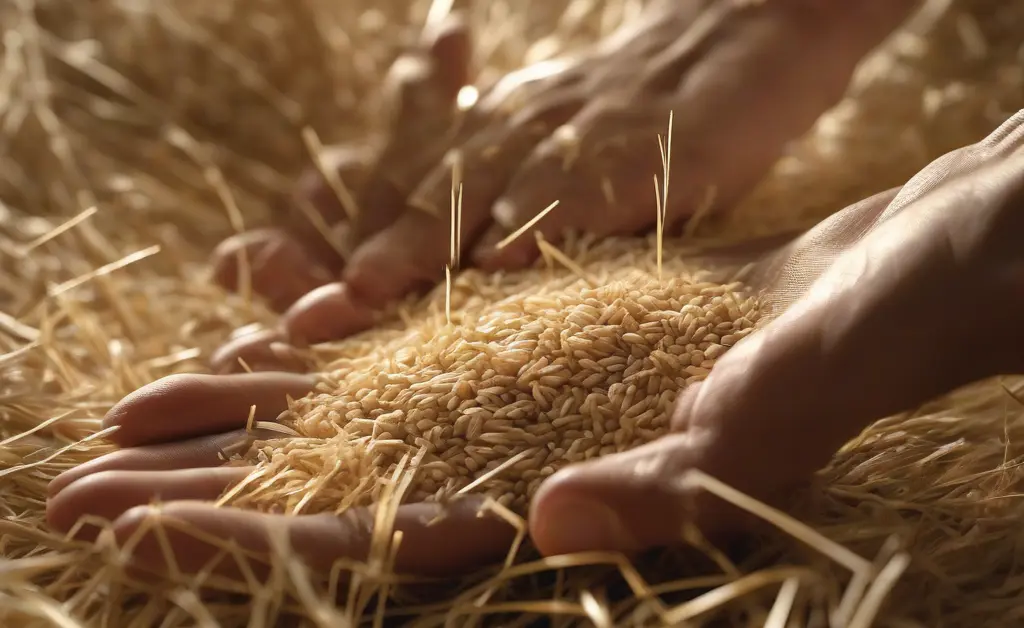
Inoculation, or spawning, is the process of introducing mushroom spawn to the prepared paddy straw. This crucial step directly dictates how well the mycelium colonizes the substrate and ultimately, the yield of mushrooms.
Paddy straw mushroom – Bed preparation and cropping
For larger-scale operations, establishing growing beds is common. These beds are typically constructed directly on the ground or within raised structures, often under a shade net or within a growing house. The base of the bed might consist of a layer of dry straw, followed by layers of pasteurized, cooled straw interspersed with spawn. Proper bed preparation ensures good drainage and aeration. The cropping phase involves monitoring the bed for the emergence of mushroom primordia (pins) and maintaining suitable environmental conditions until harvest. This type of setup is often part of outdoor mushroom cultivation.
Layering Spawn and Straw
One of the most common and effective inoculation methods for paddy straw mushrooms is layering. This technique involves creating alternate layers of prepared paddy straw and mushroom spawn. A typical sequence might begin with a layer of straw at the bottom of the growing bag or bed, followed by a sprinkling of spawn, then another layer of straw, and so on. This ensures even distribution of the spawn throughout the substrate, allowing the mycelium to colonize efficiently from multiple points.
Mixing Spawn Thoroughly
While layering is effective, some growers opt for a more thorough mixing approach, especially when using smaller pieces of straw or for container cultivation. After adding the spawn, the straw can be gently mixed to distribute the spawn more uniformly throughout the substrate. Care must be taken not to damage the mycelium during this process. The goal is to ensure that every part of the straw has contact with the spawn, accelerating colonization and reducing the chances of localized contamination.
Sealing the Growing Bags/Containers
Once the spawn has been introduced, the growing bags or containers need to be properly sealed or covered. For bags, the top is usually tied or sealed, often with small holes pricked for minimal gas exchange. Containers might be covered with a lid, plastic wrap, or a damp cloth. The purpose of sealing is to maintain high humidity within the substrate, which is essential for mycelial growth, and to minimize exposure to airborne contaminants during the initial colonization phase. However, some level of gas exchange is still necessary, so complete airtight sealing is generally avoided.
Creating the Right Growing Environment
The environment surrounding the inoculated substrate plays a pivotal role in the successful development of paddy straw mushrooms. Precise control over key factors ensures robust mycelial growth and abundant fruiting.
Optimal Temperature Ranges
Paddy straw mushrooms are thermophilic, meaning they thrive in warmer conditions. For mycelial colonization, a consistent warm temperature is generally favored, allowing the mycelium to spread rapidly through the straw. As the mushrooms transition to fruiting, a slightly different temperature range might be beneficial to encourage the formation of pinheads and their subsequent development into mature mushrooms. Maintaining these specific temperature ranges, without extreme fluctuations, is critical for a healthy crop.
Humidity Control
High humidity is absolutely essential throughout the entire growth cycle of paddy straw mushrooms. During mycelial colonization, high humidity prevents the substrate from drying out, which would inhibit growth. For fruiting, very high relative humidity is required to prevent the delicate pinheads from drying up and to support the expansion of the mushroom caps. This can be achieved through regular misting, using humidity tents, or operating humidifiers in a controlled growing space.
Ventilation Requirements
While high humidity is important, adequate ventilation is equally crucial. As mycelium grows and mushrooms develop, they respire, releasing carbon dioxide. A buildup of CO2 can inhibit mushroom development, leading to malformed or stunted fruiting bodies. Therefore, a consistent exchange of fresh air is necessary. This can be managed by opening vents, using small fans, or ensuring natural airflow in the growing area, while still being mindful not to reduce humidity too drastically.
Light Exposure During Different Stages
Unlike plants, mushrooms do not require light for photosynthesis, but light does play a role in their development. During the mycelial colonization phase, darkness is generally preferred. However, once the substrate is fully colonized and the mushrooms are ready to fruit, some indirect light exposure can be beneficial. Low levels of ambient light, similar to what might be found in a shaded forest, can act as a trigger for pinning and help guide the development of the mushroom caps, influencing their shape and direction of growth. Direct sunlight should always be avoided as it can cause the substrate to dry out rapidly and inhibit growth.
Fruiting and Harvesting Paddy Straw Mushrooms
The culmination of the cultivation process is the emergence of fruiting bodies and their subsequent harvest. Recognizing the right stage for each step is key to maximizing yield and quality.
Identifying the Fruiting Stage (Pinning)
The fruiting stage begins with the appearance of “pins” or primordia. These are tiny, white, spherical structures that emerge from the fully colonized straw. They are the initial formations of what will eventually become mature mushrooms. Recognizing this stage is important because it often signals a slight adjustment in environmental conditions, such as increased fresh air exchange, to encourage their full development.
Harvesting Cues (Egg Stage, Mature Mushrooms)
Paddy straw mushrooms are typically harvested at different stages depending on culinary preference. Many prefer to harvest them at the “egg stage,” when the mushroom is still enclosed in its universal veil, resembling a small egg. At this stage, they are very tender and have a delicate flavor. Others may wait until the veil begins to rupture or just after, when the cap starts to open but before it fully flattens. Harvesting slightly more mature mushrooms provides a larger yield but might result in a slightly different texture.
Proper Harvesting Techniques
To harvest paddy straw mushrooms, gently twist or cut the base of the stem close to the substrate. It is important to avoid pulling, as this can damage the mycelial network in the straw, potentially reducing subsequent flushes. Cleanliness during harvesting is also paramount to prevent introducing contaminants to the remaining substrate. Removing any aborted pins or mushroom remnants after harvesting can help maintain the health of the growing bed and encourage new growth.
Post-Harvest Handling and Storage
After harvesting, proper handling and storage are crucial to maintain the quality, freshness, and shelf life of paddy straw mushrooms. Immediate attention to these steps helps preserve their delicate flavor and texture.
Upon harvesting, it is advisable to gently clean the mushrooms. This usually involves brushing off any substrate particles with a soft brush or a damp cloth. Avoid washing them under running water unless absolutely necessary, as they absorb moisture easily, which can accelerate spoilage. Once cleaned, the mushrooms should be sorted, removing any damaged or overly mature specimens.
For short-term storage, refrigeration is the most common method. Place the cleaned mushrooms in a paper bag or a breathable container in the refrigerator. Avoid airtight plastic bags, as they trap moisture and can lead to sliminess and premature spoilage. When stored correctly, paddy straw mushrooms can remain fresh for several days.
For longer preservation, various techniques can be employed. Drying is a popular method, where mushrooms are dehydrated until crisp, allowing them to be stored for extended periods and rehydrated for use. Freezing, either raw or after blanching, is another option, though it may alter the texture. Additionally, cooked paddy straw mushrooms can be preserved through pickling or canning, offering diverse ways to enjoy them beyond their fresh season.
Common Problems and Solutions in Paddy Straw Mushroom Cultivation
Even with careful planning, challenges can arise in mushroom cultivation on paddy straw. Understanding common issues and their solutions can help growers maintain healthy crops and improve yields.
One of the most frequent problems encountered is **Contamination** by bacteria, molds, or other fungi. This often manifests as discolored patches (green, black, or unusual colors) or unpleasant odors. Prevention is key: ensure strict hygiene during substrate preparation, proper pasteurization, and use of sterile spawn. If contamination occurs, isolate the affected part or discard the entire batch to prevent spread.
**Poor Yields** can be frustrating. This might stem from several factors, including poor quality spawn, inadequate substrate preparation (too dry, too wet, or improperly pasteurized), or suboptimal environmental conditions. Reviewing each step of the process—from spawn quality to environmental control (temperature, humidity, ventilation)—can help pinpoint the cause. Adjustments to these parameters often lead to improved fruiting. The effectiveness of the mushroom growing medium is crucial for yield.
**Pest Infestations**, such as fungus gnats or mites, can also impact mushroom crops. These pests are attracted to damp, organic environments. Maintaining good hygiene, proper ventilation, and physical barriers (like fine mesh netting) can help prevent infestations. For existing problems, non-toxic pest control methods or environmental adjustments that make the habitat less appealing to pests may be necessary.
**Environmental Fluctuations** can stress the mycelium and developing mushrooms, leading to stunted growth or failure to fruit. Sudden drops in temperature, drastic changes in humidity, or insufficient fresh air can all contribute to issues. Consistent monitoring with Environmental Control Tools (Thermometer, Hygrometer) and proactive adjustments to the growing environment are crucial for a stable and productive cultivation cycle.
Paddy Straw Mushroom Cultivation Project Report
Developing a project report for paddy straw mushroom cultivation serves as a comprehensive overview of the entire undertaking, detailing planning, execution, and potential outcomes. Such a report typically outlines the objectives of the cultivation project, whether for personal consumption, local market supply, or research purposes. It meticulously documents the resource requirements, including the quantity of Paddy Straw (Rice Straw), Mushroom Spawn (Verified), water, and other materials, alongside the estimated costs involved. The methodology section details each step, from substrate preparation and pasteurization through inoculation, environmental management, and harvesting techniques. Key parameters such as the Paddy straw mushroom cultivation season, expected yields, and growth cycles are also crucial components. Furthermore, the report often includes an analysis of the economic viability, potential challenges, and sustainability aspects of utilizing agricultural waste, providing a clear picture of the project’s scope and potential impact.
Cultivating paddy straw mushrooms offers a remarkable opportunity to transform agricultural waste into a valuable food source. From understanding the unique characteristics of Volvariella volvacea to mastering substrate preparation, inoculation, and environmental control, each step contributes to a successful harvest. This guide has demonstrated that mushroom cultivation on paddy straw is an accessible and sustainable endeavor, requiring attention to detail rather than expensive equipment. By embracing these methods, aspiring growers can enjoy the rewards of fresh, delicious mushrooms while contributing to sustainable practices.
This information should be viewed as educational rather than medical advice. The content provided is for informational purposes only and is not intended to be a substitute for professional medical advice, diagnosis, or treatment. Always seek the advice of your physician or other qualified health provider with any questions you may have regarding a medical condition. Never disregard professional medical advice or delay in seeking it because of something you have read in this article. For general health information, consult the WHO.
FAQ
What kind of straw is best for growing mushrooms?
Different types of straw are suitable for various mushroom species, acting as an excellent substrate rich in cellulose and hemicellulose. For many common edible mushrooms, cereal straws like wheat, rice, or barley straw are highly effective due to their nutritional composition and structural integrity. The specific best kind often depends on the mushroom species being cultivated and its particular nutrient requirements.
How long does it take to grow paddy straw mushrooms?
Paddy straw mushrooms, known for their rapid growth cycle, typically develop from inoculation to harvest much faster than many other cultivated mushroom varieties. Under optimal environmental conditions, the entire process, including colonization and fruiting, can often be completed within a relatively short period. This rapid development is a key characteristic that makes them appealing for quick crop rotations in suitable climates.
What temperature is best for growing paddy straw mushrooms?
Paddy straw mushrooms thrive in warmer temperatures, which are crucial for both mycelial colonization and subsequent fruiting body development. The metabolic processes of the mushroom are optimized within a specific thermal window, ensuring efficient nutrient absorption and rapid growth. Maintaining this elevated temperature range helps to encourage robust yields and faster cycles for this particular species.
How do you sterilize paddy straw for mushroom cultivation?
To prepare paddy straw for mushroom cultivation, it typically undergoes a sterilization or pasteurization process to eliminate competing microorganisms. This crucial step reduces contaminants that would otherwise outcompete the desired mushroom mycelium for resources, ensuring a clean substrate for growth. Common methods involve heating the straw with steam or hot water to a specific temperature for a set duration, effectively sanitizing the material without completely destroying beneficial microbes needed for optimal mushroom cultivation on paddy straw.