
Your Mushroom Cultivation Questions, Answered
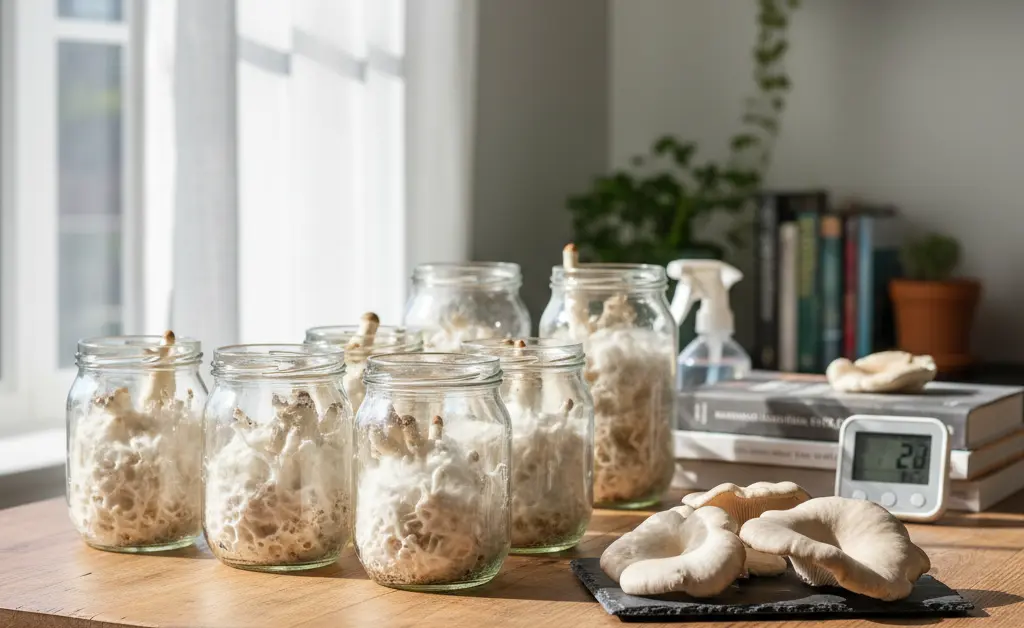
Growing your own mushrooms at home or on a larger scale is a rewarding endeavor that connects you directly with nature’s fascinating fungi. Many enthusiasts, from hobbyists to commercial growers, find themselves with a range of inquiries about the intricate processes involved. This comprehensive guide aims to provide practical insights and clarify common concerns, offering expert mushroom cultivation questions and answers to help you succeed. Understanding the right techniques, environmental controls, and specific needs of different mushroom varieties is crucial for a bountiful harvest. Whether you’re just starting or looking to refine your methods, navigating the world of mycology requires clear, actionable information to transform spores into culinary delights or medicinal wonders.
Mushroom Cultivation Questions and Answers
What is mushroom cultivation?
Mushroom cultivation is the practice of growing fungi for various purposes, including food, medicine, and ecological applications. It involves replicating the natural life cycle of mushrooms in a controlled environment, typically starting from spores or mycelium and guiding their development through substrate colonization, incubation, and fruiting to produce mature mushrooms. This process can range from simple home setups to complex commercial operations, each tailored to specific mushroom species and desired outcomes. You can find more information on mushroom cultivation projects.
Why cultivate mushrooms?
There are numerous compelling reasons to engage in mushroom cultivation. For many, it’s a rewarding hobby that offers fresh, organic produce right at home, providing control over quality and eliminating concerns about pesticides. Cultivating mushrooms can also be a sustainable practice, often utilizing agricultural waste products as substrates. Beyond personal consumption, it presents opportunities for income generation, scientific research, or even contributing to bioremediation efforts. The unique flavors and potential wellness properties of various species further add to their appeal.
Spore vs. Mycelium: Understanding the difference
Understanding the distinction between spores and mycelium is fundamental to mushroom cultivation. Spores are analogous to seeds in plants; they are the reproductive units dispersed by mature mushrooms. They are microscopic and carry the genetic information for a new fungal organism. Mycelium, on the other hand, is the vegetative part of a fungus, consisting of a network of fine white filaments called hyphae. It’s the primary growth stage that colonizes a substrate, absorbing nutrients and eventually forming the mushroom fruit body. While cultivation can start from spores, many growers prefer to use mycelium (in the form of grain spawn or liquid culture) for more reliable and faster colonization.
Basic requirements for growing mushrooms
Successful mushroom cultivation hinges on providing the right environmental conditions and resources. Key requirements include a suitable growth medium or substrate, which serves as the food source for the mycelium. A sterile or pasteurized environment is often necessary, especially during the initial inoculation and colonization phases, to prevent contamination from competing microorganisms. Other critical factors include appropriate temperature and humidity levels, consistent fresh air exchange to remove metabolic byproducts, and sometimes specific light conditions, particularly during the fruiting stage, which signals the mycelium to produce mushrooms. Addressing these aspects helps answer many common mushroom cultivation questions and answers related to initial setup.
Mushroom Cultivation Techniques
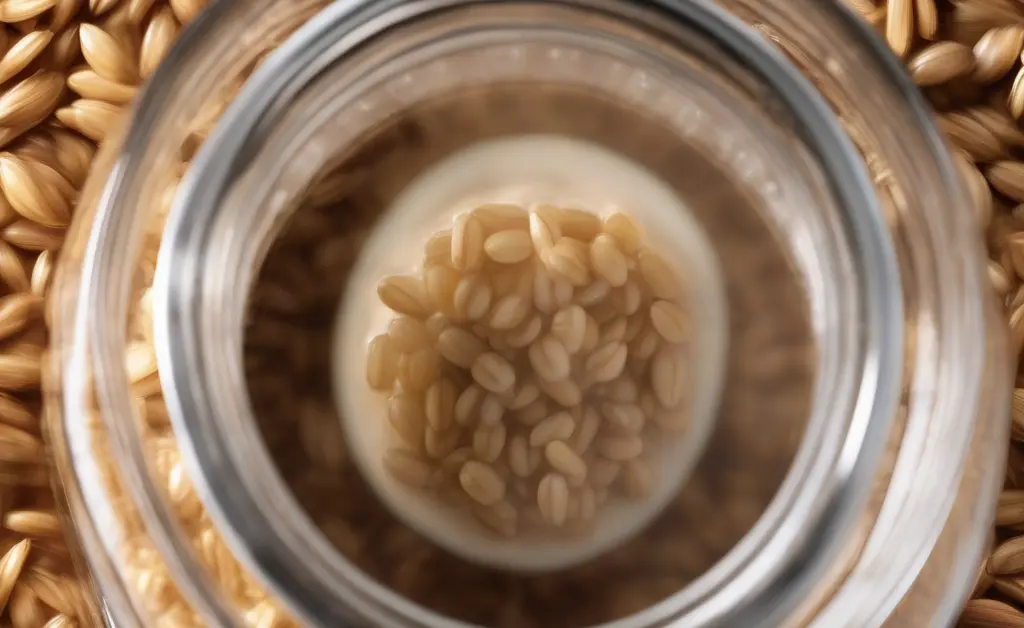
Preparing the substrate
The substrate is the material upon which mushrooms grow, providing essential nutrients for mycelial development. Its preparation is a critical step in mushroom cultivation. Common substrates include sawdust, straw, wood chips, grains, and even compost, chosen based on the specific mushroom species being cultivated. Preparation often involves hydrating the material to an optimal moisture content and then treating it to reduce or eliminate competing organisms. This foundational step significantly influences the success of subsequent growth phases.
Sterilization and pasteurization techniques
Sterilization and pasteurization are crucial processes used to prepare substrates by reducing or eliminating competing microorganisms. Sterilization, typically achieved using an autoclave or pressure cooker, aims to kill virtually all living organisms, including bacteria, molds, and other fungi. This method is often used for nutrient-rich substrates like grains. Pasteurization, usually done with hot water baths or steam at lower temperatures, reduces the population of harmful microbes while often leaving some beneficial microorganisms intact. This technique is commonly applied to less nutrient-dense substrates like straw or hay, creating a more selective environment for the desired mushroom mycelium.
Inoculation methods
Inoculation is the process of introducing mushroom spawn (mycelium) into a prepared substrate to initiate colonization. Various methods are employed depending on the scale of cultivation and the type of spawn used. For smaller setups, sterile transfer in a still air box or laminar flow hood is common, minimizing contamination risk. Larger operations may use specialized inoculation chambers. The goal is to evenly distribute the mycelium throughout the substrate, allowing it to rapidly colonize the material before contaminants can take hold.
Liquid culture preparation
Liquid culture is a solution containing active mushroom mycelium suspended in a nutrient-rich liquid, typically a mixture of water and a sugar source. Preparing liquid culture involves sterilizing the nutrient solution, then introducing a small piece of mushroom tissue, spores, or a small amount of existing mycelium into it. The mycelium then grows and multiplies within the liquid, creating a ready-to-use inoculum that can be easily injected into grain bags or other substrates, often leading to faster colonization compared to spores alone.
Grain spawn production
Grain spawn is a widely used and effective form of mushroom inoculum, consisting of sterilized grains (such as rye, wheat, or millet) colonized with mushroom mycelium. Producing grain spawn involves sterilizing the grains, usually in a pressure cooker or autoclave, to eliminate all potential contaminants. Once cooled, the sterile grains are inoculated with a master culture, typically from a petri dish or liquid culture. The mycelium then grows over several weeks, fully colonizing the grains, which are then used to inoculate larger substrates. This method is key to scaling up mushroom cultivation endeavors. For those interested in deeper dives, exploring mushroom cultivation research papers can provide valuable insights into advanced techniques and scientific findings.
Inoculating the substrate
Inoculating the substrate is the pivotal step where the prepared mushroom spawn (often grain spawn or liquid culture) is introduced into the sterilized or pasteurized bulk substrate. The primary goal is to distribute the spawn evenly throughout the substrate to ensure rapid and thorough colonization by the desired mushroom mycelium. This is often done by mixing the spawn directly into the substrate in a clean environment to minimize the risk of contamination. Successful inoculation sets the stage for healthy mycelial growth and eventual mushroom formation, addressing important mushroom cultivation questions and answers related to growth initiation.
Bulk substrate cultivation
Bulk substrate cultivation refers to the process of growing mushrooms on larger quantities of substrate after the initial grain spawn has been fully colonized. Once the grain spawn is ready, it is mixed with a pasteurized or sterilized bulk substrate, such as supplemented sawdust, straw, or compost. This mixture is then placed into bags, buckets, or other containers for further colonization. This method allows for significantly higher yields compared to cultivating directly on small grain bags and is a common technique for both hobbyist and commercial growers aiming for larger harvests.
Mushroom Growth Stages and Management
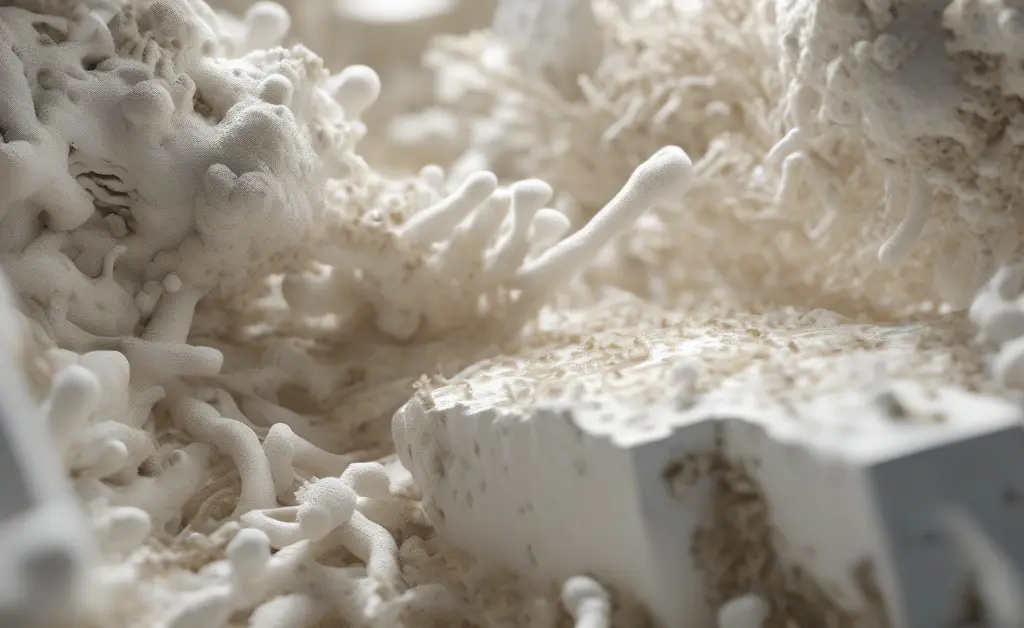
Incubation and colonization
After inoculation, the substrate enters the incubation phase, a crucial period where the mycelium actively colonizes its new food source. During this time, the substrate is typically kept in a dark, warm, and humid environment, optimized for mycelial growth. The mycelium spreads its network of hyphae throughout the substrate, breaking down complex nutrients and forming a dense, white mass. Successful colonization is indicated by the substrate becoming fully permeated by the mycelium, often looking like a solid white block or mat, before it is ready for the fruiting stage.
Fruiting and harvesting
Fruiting is the stage where the mycelium, having fully colonized its substrate, begins to produce visible mushroom fruit bodies. This transition is typically triggered by a change in environmental conditions, often involving a drop in temperature, an increase in fresh air exchange, higher humidity, and for some species, exposure to indirect light. Once initiated, small mushroom “pins” or primordia emerge, rapidly developing into mature mushrooms. Harvesting is performed when the mushrooms reach their optimal size and development, often just before they release their spores, to ensure the best quality and flavor.
Post-harvest handling
Proper post-harvest handling is essential to maintain the quality, freshness, and shelf life of cultivated mushrooms. Immediately after harvesting, mushrooms should be gently cleaned to remove any substrate debris, usually with a soft brush or damp cloth, avoiding excessive water. They are typically stored in breathable containers, such as paper bags, in a refrigerator to prevent moisture buildup and spoilage. Understanding effective storage methods can significantly impact the usability of your harvest and is a common area of mushroom cultivation questions and answers for new growers.
Specific Mushroom Types and Their Cultivation
Oyster mushroom cultivation
Oyster mushroom cultivation is widely regarded as one of the easiest and most beginner-friendly methods due to their robust nature and fast colonization rates. These versatile fungi can thrive on a wide variety of lignocellulosic substrates, including straw, sawdust, coffee grounds, and even cardboard. They typically require moderate temperatures, high humidity, and good fresh air exchange to produce abundant flushes. Their rapid growth cycle means growers can often see results relatively quickly, making them a popular choice for both home cultivators and commercial operations.
Button mushroom cultivation
Button mushroom cultivation, while popular, is generally more complex than growing oyster mushrooms. These mushrooms, including cremini and portobello varieties, require a specific composted substrate, which undergoes a specialized fermentation process to create the ideal growing medium. After the compost is colonized, a casing layer of peat moss or similar material is applied, which helps regulate moisture and triggers fruiting. Precise control over temperature, humidity, and ventilation is critical throughout their growth cycle, demanding a more controlled environment for successful yields.
Shiitake mushroom cultivation
Shiitake mushroom cultivation can be approached through two primary methods: traditional log cultivation or modern substrate block cultivation. Log cultivation involves inoculating hardwood logs with shiitake spawn and can take many months to a year for the first harvest, but logs can produce mushrooms for several years. Substrate block cultivation uses sterilized blocks of sawdust supplemented with nutrients, offering a faster and more predictable harvest cycle, typically yielding mushrooms within a few weeks after fruiting initiation. Both methods require careful management of environmental factors like temperature, humidity, and fresh air for optimal production.
Lion’s Mane mushroom cultivation
Lion’s Mane mushroom cultivation has gained popularity due to its unique appearance and potential culinary and wellness attributes. These distinctive fungi grow well on supplemented hardwood sawdust blocks, similar to shiitake blocks. They typically require good humidity and fresh air exchange to form their characteristic cascading, tooth-like structures. While not as fast-growing as some oyster varieties, Lion’s Mane mushrooms are relatively straightforward to cultivate once the environmental conditions are met, providing a fascinating and rewarding growing experience for enthusiasts.
Common Challenges in Mushroom Cultivation
Contamination in mushroom cultivation
Contamination is one of the most pervasive and frustrating challenges in mushroom cultivation. It occurs when unwanted microorganisms, such as molds (e.g., green mold, black mold) or bacteria, outcompete the desired mushroom mycelium for resources in the substrate. Signs of contamination can include discolored patches, foul odors, or a lack of mycelial growth. Prevention relies heavily on maintaining a clean and sterile working environment, proper substrate preparation (sterilization or pasteurization), and using high-quality, contaminant-free spawn. Addressing these issues is central to many mushroom cultivation questions and answers for struggling growers.
Inadequate fruiting
Another common challenge is inadequate fruiting, where the mycelium colonizes the substrate effectively but fails to produce mushrooms or produces only a few, underdeveloped ones. This issue often stems from suboptimal environmental conditions during the fruiting stage. Factors such as insufficient fresh air exchange, improper temperature or humidity levels, or a lack of light (for species that require it) can all inhibit pin formation and mushroom development. Nutrient imbalances in the substrate or poor genetics of the mushroom strain can also contribute to this problem.
Pest management for mushrooms
Pest management is an important aspect of protecting mushroom crops, particularly in larger-scale operations or when cultivating indoors. Common pests include fungus gnats, mites, and various types of flies, which can lay eggs in the substrate or directly on the mushrooms, leading to damage and contamination. Integrated pest management strategies often involve maintaining strict hygiene, using sticky traps to monitor and reduce adult insect populations, and ensuring proper ventilation to create an environment less appealing to pests. Chemical treatments are typically avoided due to the delicate nature of mushrooms and concerns about residues.
Environmental control challenges
Maintaining precise environmental control is often a significant challenge in mushroom cultivation, especially for species with specific requirements. Factors such as temperature, relative humidity, and fresh air exchange (FAE) need to be consistently managed to support optimal mycelial growth and fruiting. Fluctuations or incorrect levels can lead to slow colonization, contamination, or failure to fruit. Achieving this control often requires specialized equipment like humidifiers, fans, and heating/cooling systems, along with careful monitoring, to create a stable and ideal microclimate for the mushrooms.
Substrates for mushroom growth
Choosing and managing substrates for mushroom growth presents its own set of challenges. Different mushroom species have distinct nutritional requirements and preferences for substrate type. While some species are versatile and grow on a wide range of materials (like oyster mushrooms on straw or sawdust), others, like button mushrooms, demand highly specific composted substrates. Sourcing appropriate, high-quality substrates, ensuring proper hydration, and executing effective sterilization or pasteurization methods are all critical. Mistakes in substrate preparation can lead to contamination or poor yields, making it a key area where mushroom cultivation questions and answers often arise.
Embarking on the journey of mushroom cultivation is an enriching experience that combines science, nature, and patience. From understanding the microscopic beginnings of spores and mycelium to mastering the intricacies of substrate preparation and environmental control, each step offers a deeper connection to the fungal world. While challenges may arise, persistent learning and careful application of techniques can lead to successful harvests and the satisfaction of growing your own delicious or beneficial fungi. Whether pursuing it as a hobby or a commercial venture, the insights gained from these common mushroom cultivation questions and answers can serve as a valuable foundation for your endeavors.
The information presented in this article is educational and not meant as professional medical counsel. This guide offers general insights into mushroom cultivation for informational purposes only. It is not intended to be a substitute for professional advice regarding health or specific conditions. Readers should always consult with qualified professionals for personalized guidance. Any decisions based on the information provided here are solely at the reader’s discretion and risk.
For further understanding of fungal science and health considerations, resources from the NHS can be beneficial.
FAQ
What are the basic steps for growing mushrooms?
Growing mushrooms generally involves inoculating a sterilized substrate with mushroom spawn, allowing the mycelium to colonize the material during an incubation phase, and then introducing specific conditions like light, humidity, and fresh air to trigger the development of fruiting bodies. These environmental cues prompt the mature mycelium to produce the mushrooms we recognize.
What is the best substrate for mushroom cultivation?
The ideal substrate for mushroom cultivation is highly dependent on the specific mushroom species being cultivated, as different fungi have distinct nutritional and structural requirements. Common options include hardwood sawdust, straw, grain, or even compost, with each providing the necessary environment and nutrients for mycelial growth and subsequent fruiting. For example, oyster mushrooms thrive on straw, while shiitake varieties are commonly grown on enriched sawdust blocks.
How do I prevent contamination when growing mushrooms?
Preventing contamination is paramount in successful mushroom cultivation, as foreign molds and bacteria can easily outcompete the desired fungal mycelium. This critical step involves rigorous sterilization or pasteurization of the growing substrate, maintaining a meticulously clean workspace, and sanitizing all tools and equipment before use. Controlling environmental factors such as humidity and airflow also plays a significant role in minimizing opportunities for contaminants to take hold.
What are the common problems in mushroom cultivation?
Among the common problems in mushroom cultivation, contamination by competing molds or bacteria is a frequent challenge, often resulting from insufficient sterilization or unsanitary practices. Other issues include insufficient humidity, inadequate air exchange, or incorrect temperature, which can inhibit fruiting or lead to poor yields. These are all part of the practical mushroom cultivation questions and answers that new growers often seek.
What is the difference between spawn and substrate in mushroom growing?
In mushroom cultivation, spawn refers to a carrier material, typically grain, that has been colonized by active mushroom mycelium, essentially serving as the “seed” for your crop. The substrate, on the other hand, is the bulk nutritional material, such as sawdust or straw, which the mycelium will colonize and from which it will draw nutrients to produce mushrooms. Spawn is used to inoculate the much larger volume of substrate, initiating the fungal growth process.
How long does it take to grow mushrooms?
The time required to grow mushrooms varies considerably depending on the specific species and the environmental conditions provided during cultivation. Generally, the mycelium will colonize its substrate over two to four weeks, followed by an additional one to three weeks for the actual fruiting bodies to emerge and mature after environmental triggers are introduced. Some fast-growing varieties might yield mushrooms in under a month from inoculation, while others can take several months to fruit.